
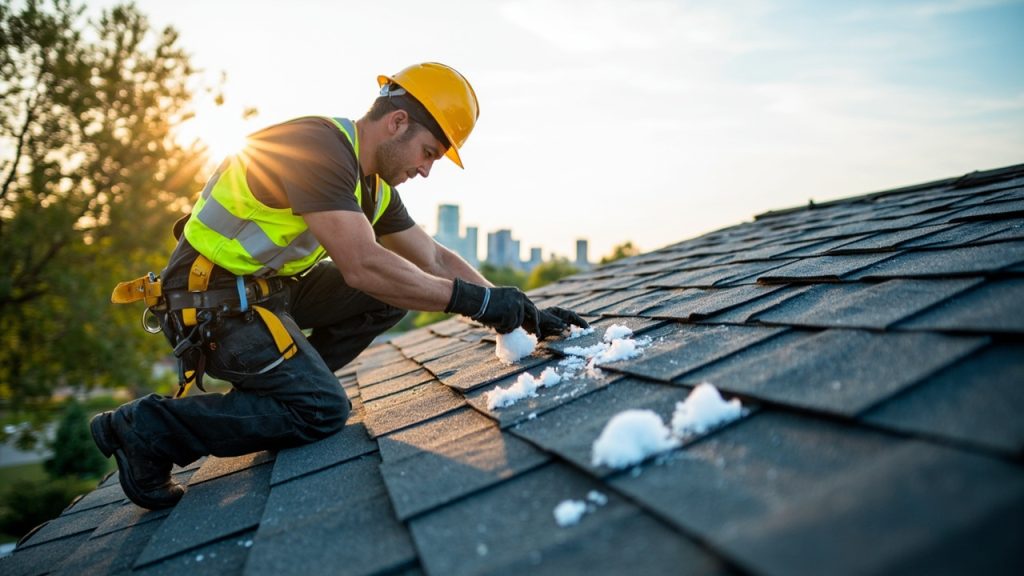
24/7 Emergency Roof Repair in Minneapolis, MN
A storm hits Minneapolis hard. Water drips through your ceiling. Your attic is soaked. You need a roofer now, not next week.
When a roof emergency strikes, every hour matters. The longer water sits inside your home, the more damage spreads. Mold grows in attics within 24 to 48 hours in Minnesota’s humid climate. Structural rot accelerates. Insurance companies expect you to act fast to prevent additional loss.
This guide shows you exactly what to do when your roof fails and where to find qualified emergency repair contractors in Minneapolis who can respond within hours, not days.
What Qualifies as an Emergency Roof Situation
Not every roof problem qualifies as an emergency. Some conditions require immediate professional attention.
Active water leaks that drip inside your home demand same-day response. A leak that drips into one room or multiple rooms means water is traveling inside your structure. Each passing hour allows moisture to penetrate deeper into insulation, drywall, and framing.
Missing shingles expose the underlayment beneath. In Minneapolis, where summer hail storms and heavy snow loads stress roofs, missing shingles leave the wooden decking vulnerable to water infiltration. One night of rain can saturate an entire attic section.
Large holes or visible structural damage from falling branches, hail impact, or wind damage need emergency tarping. A temporary waterproof cover prevents weather from entering your home until permanent repairs begin.
Ice dams that block water drainage in winter create backups that force meltwater into your home through the eaves. In Minnesota, ice damming happens most years when freeze-thaw cycles stress the roof line. Blocked gutters and ice buildup require emergency removal before interior damage worsens.
Sagging roof sections indicate structural failure. Never wait on sagging. This signals that support beams or trusses are failing under weight, whether from snow load, water damage, or age-related decay. Call a contractor immediately.
Your First 30 Minutes After Damage Occurs
The moments right after you discover roof damage set the tone for how much additional loss occurs.
Stop water from spreading inside. Move furniture, boxes, and belongings away from the leak area. Place buckets under active drips. If the water is heavy, use large plastic storage containers or even a kiddie pool to contain runoff.
Turn off electrical circuits in the affected area if water is near outlets or light fixtures. Water and electricity create shock and fire hazards. If you feel unsafe, leave the area immediately.
Document the damage with photos and video. Shoot wide shots of the damaged area, then close-ups of specific damage like torn shingles, holes, or bent flashing. Take pictures of water damage inside the home. This visual documentation supports your insurance claim later.
Call your homeowner’s insurance company. Report the damage claim. Most insurance policies require prompt notice. Document the claim number the adjuster provides.
Contact an emergency roofer in Minneapolis or Coon Rapids. Many contractors offer 24/7 emergency services. When you call, mention the specific type of damage, whether water is actively entering the home, and any safety concerns like sagging sections.
Do not attempt temporary repairs yourself if you lack roofing experience. Walking on a wet or damaged roof causes falls. Improper tarping creates worse problems. Let professionals handle emergency stabilization.
Common Roofing Emergencies That Strike Minneapolis Homes
Minneapolis experiences specific seasonal roof stressors that homeowners should anticipate.
Hail and Wind Damage During Summer Storms
Late spring and early summer in Minneapolis bring severe thunderstorms with large hail. Hail impacts fracture asphalt shingle surfaces, creating hairline cracks that accelerate water infiltration. The damage might not be visible immediately, hail-compromised shingles fail within months as the protective granules wear away.
Straight-line winds exceeding 60 miles per hour can uplift shingles, tear flashing, and strip gutters. After a severe storm, walk around your home and check for uplifted shingle edges, bent gutters, or visible gaps where flashing should seal.
Hail damage claims are common in Minneapolis. Insurance adjusters understand hail damage patterns. Photograph all impact marks, missing granules, and soft spots in shingles.
Ice Dam Formation and Winter Water Backup
Minnesota’s freeze-thaw cycles create ice dams, a problem unique to cold climates. Ice dams form and create serious water intrusion problems.
Heat from an inadequately insulated attic melts snow on the roof. This meltwater runs down toward the eaves. At the eave line, temperatures drop below freezing, and the water refreezes into ice. More meltwater backs up behind this ice dam, creating a pool of water. This backed-up water seeks any opening, including gaps in shingles, flashing, or soffit vents. Water then enters the attic and walls.
Ice dam problems accelerate in older Minneapolis homes built before modern insulation standards. Mid-century ramblers and split-level homes often have inadequate attic ventilation and insulation. The Minnesota State Building Code now requires R-49 insulation in residential attics and strict ventilation-to-square-footage ratios, but older 1960s and 1970s homes frequently fall short. These older ramblers face freeze-thaw stress that newer construction avoids. Contractors now follow code standards that mandate proper ventilation at soffit and ridge lines, preventing the temperature differential that causes ice dams.
Ice dam removal requires professional equipment. Roof rakes from the ground remove some snow, contractors who understand the danger of damaging shingles during removal apply steam or heat from the roof.
Roof Leaks from Aging or Failed Flashing
Flashing is thin metal that seals gaps where the roof meets chimneys, vents, skylights, and walls. Over time, flashing cracks, rusts, or separates from the roof surface. Water follows these gaps straight into your home.
Flashing failures are common in Minneapolis homes that experienced decades of weather. The freeze-thaw cycle expands and contracts metal and caulk. After 15 to 20 years, flashing caulk degrades and pulls away from the roof, creating water entry points that develop slowly and persistently.
Heavy snow and ice dams stress flashing where water pools. Minneapolis building code requires ice and water shield installed 24 inches past the interior wall line on all sloped roofs. This underlayment prevents water from entering even when ice dams form. Many emergency inspections reveal missing ice and water shield in original construction, a code violation that creates water intrusion liability for homeowners.
Tree Damage and Structural Impact
Strong storms drop branches onto roofs. Areas with mature trees experience falling limbs that create punctures, crushed shingles, or broken trusses beneath.
Branch impact damage requires immediate evaluation. What looks like surface damage might hide structural cracks underneath. A contractor can assess whether shingles and underlayment took all the impact or if the roof deck and structural supports sustained damage.
The Emergency Repair Process From Call to Completion
Understanding what happens after you call an emergency roofer helps you know what to expect.
- Make the Emergency Call
Contact a Minneapolis roofer with 24/7 emergency availability. Provide your address, describe the damage type, and mention whether water is actively entering the home. Ask for the estimated arrival time. Most emergency contractors respond within 2 hours in Minneapolis and surrounding areas.
- Crew Arrives for Assessment
The roofing crew inspects the damage from the ground and, if safe, from the roof. They photograph the damage and provide you with a preliminary assessment. This assessment determines whether emergency tarping is needed or if permanent repairs can begin immediately.
- Emergency Tarping or Temporary Protection
For severe damage, crews install weighted tarps across damaged sections. Tarping stops rain and snow from entering while you arrange permanent repairs or process insurance claims. A quality tarp installation uses proper fasteners and secures tarps against wind uplift.
- Documentation for Insurance
Professional contractors provide detailed photos and a written report of the damage. This documentation supports your insurance claim. The contractor notes damage type, estimated replacement cost, and any safety concerns. Your insurance adjuster uses this information to approve claim payments.
- Permanent Repair or Replacement
Once insurance approves the claim, the contractor schedules permanent repairs. Small repairs like replacing damaged shingles or resealing flashing take one to two days. Full roof replacements take three to seven days depending on roof size and weather. The contractor coordinates the schedule with you and your insurance company.
- Final Inspection and Cleanup
Once repairs finish, you and the contractor inspect the work. All replaced shingles should lay flat, flashing should seal properly, and the roof should drain water correctly. The crew removes all debris and equipment before finishing.
How to Manage Your Insurance Claim for Emergency Repairs
Most emergency roof damage qualifies for homeowner’s insurance coverage. The process varies based on your specific policy and the damage type.
You must report the loss to your insurance company within 24 hours of discovering the damage. Many policies require prompt notification. Provide your claim number to the roofing contractor. The contractor can often file the claim paperwork directly with your insurer to speed up approval.
Your insurance company sends an adjuster to inspect the roof. The adjuster determines whether the damage qualifies for coverage under your policy. Most policies cover sudden damage from storms or falling objects. Wear-and-tear damage or damage from lack of maintenance typically gets excluded.
Insurance typically pays either the Replacement Cost Value or Actual Cash Value. Replacement Cost Value covers the full cost of new materials and labor. Actual Cash Value deducts depreciation from the replacement cost. Request Replacement Cost Value coverage for storm damage.
Your deductible applies to the claim. Most homeowner’s policies carry a 500 to 1000 dollar deductible for general damage, storm damage might carry a separate higher deductible like 1 to 2 percent of your home’s insured value. Know your deductible before the claim gets processed.
Beware of contractors who claim they can make your deductible disappear or waive it. This practice violates insurance regulations and can lead to fraud investigations. Legitimate contractors price their work fairly and let insurance cover their portion of the cost.
Once the adjuster approves the claim, the insurance company issues payment. Some insurers send money directly to you and the contractor as co-payees. Other insurers pay after the work finishes. Confirm the payment process before work begins.
Why Response Speed Matters in Minnesota’s Climate
Minneapolis weather creates urgency around roof repairs that other climates don’t experience.
Water damage progresses rapidly in Minnesota’s humid climate. Mold spores grow within 24 to 48 hours on wet materials. Once mold establishes itself, remediation becomes expensive and requires specialized contractors. Preventing mold through fast tarping or repairs saves thousands of dollars.
Heavy snow loads stress partially damaged roofs. If your roof has missing shingles or structural damage and snow falls that night, the additional weight can accelerate the failure. A temporary tarp protects the roof deck from snow infiltration.
Freeze-thaw cycles worsen damage daily. Water that enters small cracks freezes overnight and expands the crack the next day. A single week of freeze-thaw cycling can double the size of a crack or hole. Each day you wait means more deterioration.
Temporary solutions like buckets inside your home don’t sustain long-term protection. Ceilings collapse under bucket weight. Electrical hazards increase. The longer you wait, the more secondary damage accumulates.
| Damage Type | Risk Timeline | Action Required |
| Missing shingles or holes | Mold growth in 24 to 48 hours | Same-day emergency tarping |
| Active interior leaks | Structural rot in days | Same-day professional repair |
| Ice dam with water backup | Attic damage in 1 to 3 days | Emergency removal and heating |
| Sagging roof section | Collapse risk increases daily | Immediate structural assessment |
| Loose or uplifted shingles | Wind can worsen in 12 hours | Professional repair within 48 hours |
What To Look For When Choosing an Emergency Roofer
Not all roofers offer true emergency response. Some contractors claim 24/7 availability and rarely answer phones after 5 p.m. Others are storm chasers who disappear after the repair.
Verify licensing with the Minnesota Department of Labor and Industry. Every roofing contractor in Minnesota must hold an active contractor’s license. Check the contractor’s license number on the Minnesota Department of Labor and Industry website. Confirm the license is current and has no complaints.
Ask whether the contractor holds manufacturer certifications. GAF certification and Owens Corning certifications indicate the contractor understands shingle systems and installation standards. These certified contractors often provide better warranties and installation quality.
Request references from local emergency repairs. Ask for names of homeowners in Minneapolis or Coon Rapids who had emergency work done in the past 12 months. Call these references and ask about response time, work quality, and whether the contractor cleaned up properly.
Confirm the contractor carries insurance. Roofers should carry general liability insurance and workers’ compensation insurance. A contractor without insurance puts you at risk if someone gets injured on your property.
Check reviews on Google, the Better Business Bureau Minneapolis chapter, and local directories. Real emergency reviews often mention response speed. Customers in stressful situations remember whether the contractor arrived quickly or kept them waiting.
Ask whether the contractor offers emergency services in writing. Some contractors say they work 24/7 yet refer emergency calls to an answering service that books appointments days later. Ask specifically how quickly they can respond to your area and whether crews staff every day.
Emergency Tarping vs. Full Roof Replacement
When damage is severe, you might choose between emergency tarping as a temporary fix or proceeding directly to full replacement.
Emergency tarping protects your home while insurance claims process and permanent repairs get scheduled. Tarping costs less than replacement and buys time for planning. Tarps remain temporary. Wind and rain can compromise tarps over weeks. Most insurance companies accept temporary tarping as a reasonable emergency measure.
Full replacement provides permanent solutions. The contractor removes all damaged shingles and installs new ones, following Minneapolis building code standards. Replacement typically takes longer and costs more, yet it solves the problem completely.
The choice depends on damage extent. Small localized damage like one torn section might only need tarping. Widespread hail damage or structural compromise often requires replacement. Your insurance adjuster and contractor can advise which approach makes sense for your specific situation.
| Approach | Timeline | Best For | Cost Range |
| Emergency tarping | Same day installation | Temporary protection during claim processing | Lower initial cost |
| Partial repair | 1 to 2 days | Localized damage in small roof sections | Mid-range |
| Full replacement | 3 to 7 days depending on size | Widespread damage, structural issues, or old roofs | Higher cost yet permanent |
| Repair plus future replacement | Repair same day, replacement scheduled later | Emergency stabilization before full project planning | Total cost spread over time |
Building Code Requirements That Affect Emergency Repairs in Minneapolis
Minnesota State Building Code sets specific standards for roof repairs and replacements. Licensed contractors follow these codes.
Ice and water shield requirements mandate that all sloped residential roofs include ice and water shield installed at least 24 inches past the interior wall line. This membrane prevents water from backing up under shingles during ice dams. Emergency repairs must include this protection if it is missing. Many emergency inspections uncover this missing underlayment in homes built before 1995, creating both liability and opportunity for upgrades that prevent future ice dam damage.
Ventilation ratios require that attic vents provide proper air circulation. The code specifies one square foot of vent opening for every 150 square feet of attic space if the attic has a vapor barrier, or one square foot for every 300 square feet if there is no barrier. Proper ventilation reduces ice damming and extends roof life. Many 1960s ramblers fail this requirement, a common code violation found during emergency inspections.
Insulation requirements set minimum R-values for attic insulation. Residential attics must have R-49 insulation. This standard helps prevent the heat loss that causes ice dams.
Roofing underlayment must meet code requirements for tear resistance and water resistance. Modern underlayments resist damage during installation and provide backup protection if shingles fail.
Professional contractors stay familiar with these codes and build them into every repair. When your insurance claim process begins, the adjuster verifies that repairs meet current code standards. Emergency repairs that skip code requirements might not receive full insurance payment approval.
Preventing Emergency Roof Problems Before They Happen
Emergency repairs cost more and cause stress. Prevention costs less.
Schedule annual roof inspections every fall. A contractor walks the roof, checks flashing, vents, and shingles, and identifies problems before they become emergencies. In Minneapolis, fall inspections catch damage from summer hail storms and prepare the roof for winter ice and snow.
Clean gutters twice yearly, in spring and fall. Clogged gutters hold water against the roof and at the eaves, creating ice dam problems in winter. Gutter cleaning is inexpensive and prevents thousands of dollars in water damage.
Trim tree branches that hang over the roof. Branches that touch the roof damage shingles, trap debris, and can fall during storms. A trimmed tree prevents branch impact damage.
Improve attic ventilation and insulation. Adding soffit vents, ridge vents, and attic insulation reduces the temperature differential that causes ice dams. A properly ventilated attic sheds snow faster and stays cooler in summer.
Request a professional structural assessment if your home shows signs of ice dam vulnerability. Many older ramblers need ventilation upgrades that prevent emergency repairs. Early upgrades cost far less than emergency damage response.
24/7 Emergency Availability in Minneapolis and Coon Rapids
When you need emergency repair, location matters. Response time determines how much additional damage occurs while you wait.
Minneapolis emergency contractors serve the area and surrounding neighborhoods. Look for contractors based in Minneapolis or Coon Rapids because they understand local weather patterns, building styles, and code requirements specific to the region. Contractors familiar with 1960s rambler construction understand the freeze-thaw vulnerabilities that newer homes avoid.
Verify that the contractor staffs crews every day of the week, including evenings and weekends. Storm damage doesn’t wait for business hours. A true 24/7 contractor has crews available at midnight on a Saturday when a hail storm tears your roof open.
Ask about response time guarantees. Reputable contractors commit to arrival within a specific timeframe, typically two to four hours for emergency calls within Minneapolis. Contractors in surrounding areas might need three to five hours.
Confirm that the contractor can provide emergency tarping even if full repairs are not immediately possible. Tarping stabilizes the damage and prevents weather from worsening the situation.
Document Everything for Your Insurance Claim
You succeed with insurance claims when you document thoroughly and clearly.
Take photographs immediately after discovering damage. Shoot from multiple angles and distances. Wide shots show the overall damage pattern. Close-ups show specific issues like missing shingles or torn flashing. Photograph damage inside your home, including water stains, wet insulation, and damaged drywall.
Write down the date and time you discovered the damage. Write a description of what happened. For example, a hail storm on June 15 created pea-sized dents across the south slope and one large hole above the kitchen window.
Keep all contractor estimates and invoices. These documents prove the scope and cost of damage.
Save receipts for any emergency supplies you purchased, such as tarps, buckets, or towels. Insurance sometimes reimburses emergency supplies.
Request a detailed damage report from your contractor. The report should describe damage type, location on the roof, estimated age of roof materials, and contractor recommendations for repair or replacement. This professional assessment carries weight in insurance negotiations.
Communicate with your insurance adjuster throughout the process. Share contractor reports, photographs, and estimates. Ask questions about coverage and deductibles. A cooperative approach usually results in faster claim approval.
Questions You Should Ask Your Emergency Roofer
The right questions help you evaluate whether a contractor is reliable and qualified.
How quickly can you respond to my location. A professional contractor gives you a specific timeframe, such as within two hours of your call.
What is your contractor license number. Any legitimate roofer provides this without hesitation. Verify it on the Minnesota Department of Labor and Industry website.
Do you carry liability and workers’ compensation insurance. Request proof. An uninsured contractor puts you at risk.
Can you provide references from recent emergency repairs in Minneapolis. Call these references and ask about response time and work quality.
Do you file insurance paperwork directly with the adjuster. Many contractors streamline this process, which speeds up claim approval.
What warranty do you provide on emergency repairs. Understand what gets covered and for how long.
Will you clean up all debris after the repair. Confirm that roofing debris, tarping materials, and equipment get removed.
Do you have experience with Minneapolis building code requirements for ice and water shield and ventilation. A knowledgeable contractor ensures repairs comply with local standards. Ask specifically about experience with 1960s rambler construction, as these older homes present unique code compliance challenges.
Get Emergency Roof Repair Now
Storm damage waits for no one. When your roof fails, immediate response prevents the cascade of secondary damage that turns a fixable problem into a catastrophe.
Save the number of a trusted Minneapolis emergency roofer before you need it. Research contractors during calm weather so you know who to call when crisis strikes.
Understand your homeowner’s insurance policy. Know your deductible, your coverage limits, and the process for filing a claim. This knowledge helps you act confidently when emergency repairs become necessary.
When a storm hits Minneapolis, you know what to do. Stabilize the immediate situation, document the damage, call your insurance, and contact a qualified emergency contractor. Fast action prevents costly secondary damage and puts your home back in good condition quickly.
Contact a licensed Minneapolis emergency roofer today for 24/7 response availability. Have questions about roof damage or want to schedule an inspection. Call now or use an emergency response form to connect with a qualified team within two hours of your call. Your home’s integrity depends on acting now when storm damage strikes.
{
“@context”: “https://schema.org”,
“@type”: “BlogPosting”,
“headline”: “How to Get Fast Emergency Roof Repairs in Minneapolis When the Storm Hits”,
“description”: “24/7 emergency roof repair in Minneapolis. Learn what qualifies as a roof emergency, how to respond in 30 minutes, and find licensed contractors fast.”,
“wordCount”: 3600,
“datePublished”: “2026-03-16T08:54:00.000Z”,
“dateModified”: “2026-03-16T08:54:00.000Z”,
“inLanguage”: “en-US”,
“mainEntityOfPage”: {
“@type”: “WebPage”,
“@id”: “https://keystoneroofingminneapolis.com”
},
“publisher”: {
“@type”: “LocalBusiness”,
“name”: “Keystone Roofing Minneapolis”,
“url”: “https://keystoneroofingminneapolis.com”
},
“author”: {
“@type”: “Organization”,
“name”: “Keystone Roofing Minneapolis”,
“url”: “https://keystoneroofingminneapolis.com”
},
“image”: {
“@type”: “ImageObject”,
“url”: “https://keystoneroofingminneapolis.com/wp-content/uploads/2026/03/how-to-get-fast-emergency-roof-repairs-in-minneapo-1.jpg”
}
}
{
“@context”: “https://schema.org”,
“@type”: “RoofingContractor”,
“name”: “Keystone Roofing Minneapolis”,
“url”: “https://keystoneroofingminneapolis.com”,
“address”: {
“@type”: “PostalAddress”,
“addressLocality”: “Minneapolis”
},
“areaServed”: {
“@type”: “City”,
“name”: “Minneapolis”
}
}
{
“@context”: “https://schema.org”,
“@type”: “HowTo”,
“name”: “How to Get Emergency Roof Repairs”,
“step”: [
{
“@type”: “HowToStep”,
“position”: 1,
“name”: “Make the Emergency Call”,
“text”: “Contact a Minneapolis roofer with 24/7 emergency availability. Provide your address, describe the damage type, and mention whether water is actively entering the home. Ask for the estimated arrival time. Most emergency contractors respond within 2 hours in Minneapolis and surrounding areas.”
},
{
“@type”: “HowToStep”,
“position”: 2,
“name”: “Crew Arrives for Assessment”,
“text”: “The roofing crew inspects the damage from the ground and, if safe, from the roof. They photograph the damage and provide you with a preliminary assessment. This assessment determines whether emergency tarping is needed or if permanent repairs can begin immediately.”
},
{
“@type”: “HowToStep”,
“position”: 3,
“name”: “Emergency Tarping or Temporary Protection”,
“text”: “For severe damage, crews install weighted tarps across damaged sections. Tarping stops rain and snow from entering while you arrange permanent repairs or process insurance claims. A quality tarp installation uses proper fasteners and secures tarps against wind uplift.”
},
{
“@type”: “HowToStep”,
“position”: 4,
“name”: “Documentation for Insurance”,
“text”: “Professional contractors provide detailed photos and a written report of the damage. This documentation supports your insurance claim. The contractor notes damage type, estimated replacement cost, and any safety concerns. Your insurance adjuster uses this information to approve claim payments.”
},
{
“@type”: “HowToStep”,
“position”: 5,
“name”: “Permanent Repair or Replacement”,
“text”: “Once insurance approves the claim, the contractor schedules permanent repairs. Small repairs like replacing damaged shingles or resealing flashing take one to two days. Full roof replacements take three to seven days depending on roof size and weather. The contractor coordinates the schedule with you and your insurance company.”
},
{
“@type”: “HowToStep”,
“position”: 6,
“name”: “Final Inspection and Cleanup”,
“text”: “Once repairs finish, you and the contractor inspect the work. All replaced shingles should lay flat, flashing should seal properly, and the roof should drain water correctly. The crew removes all debris and equipment before finishing.”
}
],
“image”: “https://keystoneroofingminneapolis.com/wp-content/uploads/2026/03/how-to-get-fast-emergency-roof-repairs-in-minneapo-1.jpg”
}
{
“@context”: “https://schema.org”,
“@type”: “BreadcrumbList”,
“itemListElement”: [
{
“@type”: “ListItem”,
“position”: 1,
“name”: “Home”,
“item”: “https://keystoneroofingminneapolis.com”
},
{
“@type”: “ListItem”,
“position”: 2,
“name”: “Blog”,
“item”: “https://keystoneroofingminneapolis.com/blog”
},
{
“@type”: “ListItem”,
“position”: 3,
“name”: “How to Get Fast Emergency Roof Repairs in Minneapolis When the Storm Hits”
}
]
}
{
“@context”: “https://schema.org”,
“@type”: “Service”,
“serviceType”: “Roofing”,
“provider”: {
“@type”: “LocalBusiness”,
“name”: “Keystone Roofing Minneapolis”,
“url”: “https://keystoneroofingminneapolis.com”
},
“areaServed”: {
“@type”: “City”,
“name”: “Minneapolis”
},
“description”: “24/7 emergency roof repair in Minneapolis. Learn what qualifies as a roof emergency, how to respond in 30 minutes, and find licensed contractors fast.”
}
