
Choosing the Right Cedar Shake Contractor for Your Minnetonka Home
Your Minnetonka home deserves roofing that matches its lakeside beauty and withstands Minnesota’s harsh seasons. Cedar shake roofing offers natural insulation, wind resistance, and timeless curb appeal that complements Wayzata and Shorewood neighborhoods. Finding the right contractor means understanding local climate challenges, building codes, and installation expertise specific to western red cedar.. Read more about Eco Friendly Roofing Materials That Actually Stand Up to Minnesota Winters in Seward.
Why Minnetonka Homeowners Choose Cedar Shake
Cedar shake roofing provides R-value insulation that helps manage Minnesota’s extreme temperature swings. The natural wood creates a barrier against summer heat while offering snow-shedding capabilities during heavy winter storms. Homes in Minnetonka’s Ridgedale area benefit from cedar’s ability to complement both modern and traditional architecture.
The material resists wind damage up to 110 mph, which matters during spring and fall storm seasons. Unlike synthetic alternatives, cedar develops a silver-gray patina that enhances its character over time. This aging process actually strengthens the roof’s weather resistance.
Our Specialized Cedar Installation Process
Proper cedar shake installation requires specific steps that differ from standard asphalt roofing. The process begins with complete tear-off of existing materials down to the deck. This allows inspection for any underlying damage before new installation begins.
Next comes underlayment installation using ice and water shield along eaves and valleys. Minnesota building codes require this protection in Hennepin County due to ice dam risks. The shield extends at least 24 inches past interior walls to prevent water backup.
Following underlayment, felt interlacing creates the foundation for shake placement. Each shake gets attached with stainless steel fasteners to prevent corrosion from Minnesota’s high humidity. The interlacing pattern ensures proper water shedding and ventilation between shakes.
- Deck Preparation
Remove old roofing, inspect deck integrity, replace damaged sections.
- Underlayment Application
Install ice and water shield at eaves and valleys, apply synthetic felt over remaining surface.
- Starter Course
Install double layer of shakes at eaves for proper water runoff.
- Shake Installation
Apply shakes in staggered pattern using stainless steel nails, maintain proper exposure.
- Flashing Integration
Install step flashing around chimneys, wall intersections, and roof penetrations.
Heavy Shakes vs. Tapersawn: Which is Right for Your Home?
Heavy shakes offer maximum thickness at 3/4 to 1 inch, providing superior insulation and wind resistance. These work best for homes in exposed areas near Lake Minnetonka where wind loads are higher. The thicker profile also handles snow accumulation better.
Tapersawn shakes provide a smoother appearance with consistent thickness around 1/2 inch. They install faster and cost less while still offering excellent protection. Many homes in the Plymouth area choose tapersawn for its balance of performance and aesthetics.
Grade 1 Blue Label certification ensures you receive the highest quality cedar with minimal knots and defects. This matters in Minnesota where inferior wood can fail within 10-15 years instead of the expected 30-40 year lifespan.
| Shake Type | Thickness | Cost Range | Best For |
|---|---|---|---|
| Heavy Split | 3/4″ – 1″ | Premium | Exposed locations, maximum insulation |
| Tapersawn | 1/2″ | Mid-range | Balanced performance and aesthetics |
| Medium Split | 1/2″ – 3/4″ | Standard | Budget-conscious homeowners |
Navigating Minnetonka Building Codes & Permits
Minnetonka city council requires permits for all roof replacements exceeding 100 square feet. The permit process includes submission of detailed plans showing shake grade, fastener specifications, and ventilation calculations. Local inspectors verify compliance with Minnesota State Building Code Chapter 1303.
HOA considerations often affect shake installation in Minnetonka’s planned communities. Some associations require specific shake colors or prohibit certain grades to maintain neighborhood uniformity. Your contractor should handle permit acquisition and HOA approval processes.. Read more about What Powderhorn Homeowners Should Know About Tree Squirrels Nesting in the Roof.
Ice dam prevention requirements in Hennepin County mandate minimum attic ventilation ratios of 1:300. This means 1 square foot of net free ventilation area per 300 square feet of attic space. Proper ventilation prevents moisture buildup that can rot cedar shakes from underneath.
Cedar Maintenance & Longevity in the Twin Cities
Minnesota’s freeze-thaw cycles create unique challenges for cedar roofing. Water penetrates shake surfaces during warm periods, then expands when frozen. This cycle can cause splitting over time. Annual inspections help identify early signs of weather damage.
Moss growth becomes problematic in shaded areas of your Minnetonka home. The combination of lake humidity and tree cover creates ideal conditions for moss. Installing zinc or copper strips at roof peaks prevents moss by releasing trace metals during rainfall.
UV damage from summer sun breaks down lignin in cedar wood. This causes surface erosion and color changes. Applying wood preservatives every 3-5 years protects against UV degradation while maintaining the wood’s natural appearance.
Ice dam formation during Minnesota winters can force water under shakes. Proper attic insulation and ventilation prevent ice dams by keeping roof surfaces cold. Heat cables along eaves provide additional protection in problem areas.
Maintenance Schedule for Cedar Shake Roofs
- Spring inspection for winter damage and debris removal
- Fall gutter cleaning to prevent ice dam formation
- Every 3 years: Wood preservative application
- Every 5-7 years: Professional cleaning and treatment
- Annual attic ventilation check
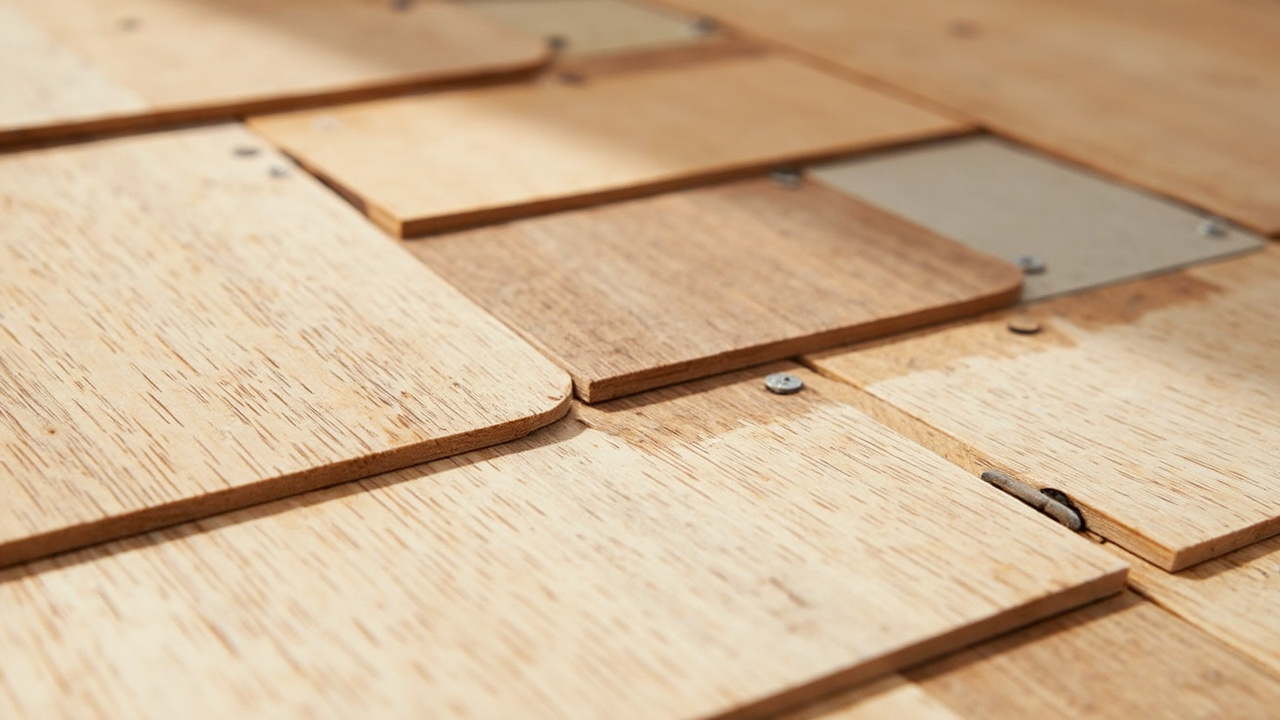
Cost Factors for Cedar Shake Installation in Minnetonka
Several factors influence cedar shake roofing costs in the Minnetonka area. Roof complexity affects labor time significantly. Homes with multiple valleys, dormers, or steep pitches require more installation hours than simple gable roofs.
Material grade impacts both upfront cost and long-term value. Grade 1 Blue Label cedar costs more initially but lasts 30-40 years versus 15-20 years for lower grades. The investment difference often pays for itself through extended lifespan.
Removal of existing roofing adds to project costs. Multiple layers or asbestos-containing materials require special handling and disposal fees. Homes built before 1980 may contain hazardous materials requiring certified removal.
Seasonal timing affects pricing. Late summer and fall see highest demand as homeowners prepare for winter. Spring installations may offer better pricing but require careful scheduling around rain delays.
| Cost Factor | Impact Level | Typical Range |
|---|---|---|
| Shake Grade | High | 30-50% of total cost |
| Roof Complexity | Medium | 10-25% labor premium |
| Removal Requirements | Variable | $1-3 per sq ft |
| Season Timing | Low-Medium | 5-15% price variation |
Questions to Ask Your Cedar Shake Contractor
Experience with local climate conditions matters more than general roofing experience. Ask how many cedar shake projects the contractor has completed in Hennepin County specifically. Local experience means understanding ice dam prevention and Minnesota’s building code requirements.
Verify certification from the Cedar Shake & Shingle Bureau. CSSB-certified installers follow specific installation standards that affect warranty coverage. Ask to see current certification and verify with the bureau directly.
Request references from Minnetonka homeowners with similar roof styles. Contact these references to ask about project timelines, cleanup quality, and how the contractor handled unexpected issues. Local references provide insight into the contractor’s reliability.
Understand warranty coverage details. Some manufacturers require specific installation methods for warranty validity. Ask what happens if shakes fail prematurely and who handles warranty claims.
Environmental Benefits of Cedar Shake Roofing
Cedar shake roofing offers environmental advantages over petroleum-based alternatives. The wood is biodegradable and renewable when sourced from certified sustainable forests. Western red cedar grows naturally in North America, reducing transportation emissions.
The natural insulation properties of cedar reduce heating and cooling costs. The R-value of cedar shakes helps maintain consistent indoor temperatures, reducing HVAC energy consumption. This matters in Minnesota where heating costs dominate annual energy budgets.
At end of life, cedar shakes can be recycled into mulch or compost. Unlike asphalt shingles that require special disposal, cedar returns to the earth without leaving toxic residues. Many Minnetonka homeowners appreciate this environmental responsibility.
Cedar production requires less energy than manufacturing synthetic roofing materials. The trees absorb carbon dioxide during growth, creating a carbon-negative material when sourced responsibly. This aligns with growing environmental awareness in the Twin Cities area.
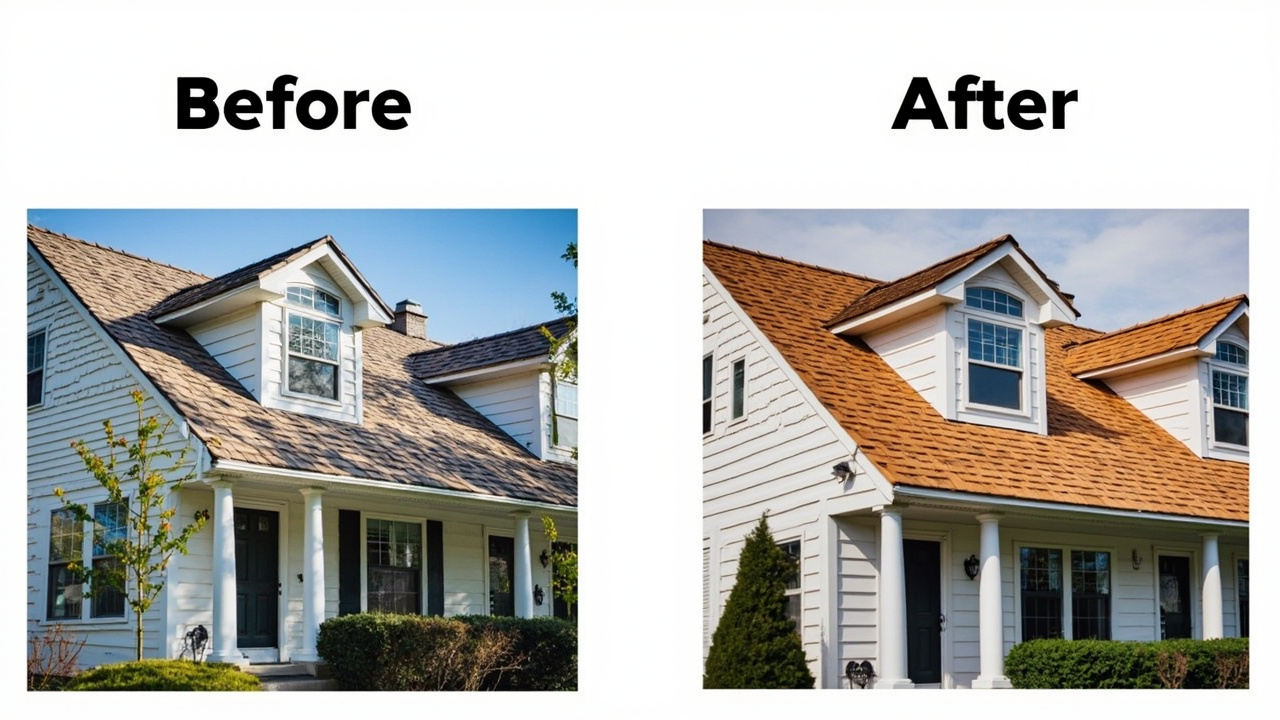
Preparing Your Home for Cedar Shake Installation
Installation preparation helps minimize disruption to your daily routine. Clear the area around your home’s perimeter by moving patio furniture, grills, and potted plants. This provides safe access for workers and materials delivery.
Protect landscaping near the work area. Falling debris can damage shrubs and flowers. Consider covering valuable plants with tarps or temporarily relocating them. Your contractor should discuss protection measures before work begins.
Plan for noise and debris during the tear-off phase. Cedar shake installation generates significant dust and noise. Consider staying elsewhere during the most disruptive phases if you work from home or have young children.
Ensure driveway access for material delivery and dumpster placement. Cedar shakes arrive in bundles requiring forklift access. The dumpster needs space for tear-off debris removal. Discuss logistics with your contractor before the project starts.
Long-Term Value of Cedar Shake Roofing
Cedar shake roofing enhances property values in Minnetonka’s upscale neighborhoods. The natural wood appearance appeals to buyers seeking premium materials. Appraisal studies show cedar shake roofs can increase home values by 5-10% compared to standard asphalt.
The longevity of properly installed cedar shake reduces lifetime ownership costs. While initial installation costs more than asphalt, the 30-40 year lifespan means fewer replacement cycles. Over 60 years, cedar often proves more economical than multiple asphalt replacements.
Insurance companies may offer premium discounts for impact-resistant roofing materials. Cedar’s natural resistance to hail damage can qualify for insurance benefits. Check with your provider about potential savings for cedar shake installation.
Energy savings accumulate over time through cedar’s insulation properties. The reduced HVAC load can lower utility bills by 10-15% in Minnesota’s climate. These savings add up significantly over the roof’s lifespan.
Frequently Asked Questions
How long does cedar shake roofing last in Minnesota?
Properly installed and maintained cedar shake roofing lasts 30-40 years in Minnesota’s climate. Factors affecting lifespan include shake grade, installation quality, ventilation, and maintenance frequency. Grade 1 Blue Label cedar typically outlasts lower grades by 10-15 years.
Can cedar shake roofs handle Minnesota winters?
Yes, cedar shake roofs handle Minnesota winters well when properly installed. The natural wood sheds snow effectively, and proper underlayment prevents ice dam damage. Ventilation systems prevent moisture buildup that causes rot. Many homes near Lake Minnetonka have cedar shake roofs that have lasted over 30 winters.
How much maintenance do cedar shake roofs require?
Cedar shake roofs need annual inspections and debris removal. Every 3-5 years requires wood preservative application. Professional cleaning and treatment every 5-7 years helps prevent moss and extends lifespan. The maintenance schedule costs less than frequent asphalt replacements.
Are cedar shake roofs more expensive than asphalt?
Cedar shake roofs cost 2-3 times more than standard asphalt initially. However, their 30-40 year lifespan versus 15-20 years for asphalt means lower lifetime costs. Energy savings and potential insurance discounts also offset the higher upfront investment.
Do cedar shake roofs require special permits in Minnetonka?
Yes, Minnetonka requires permits for all roof replacements over 100 square feet. The permit process includes submission of detailed plans showing shake specifications and ventilation calculations. Your contractor should handle permit acquisition as part of the project.
How do I know if a contractor is qualified for cedar shake installation?
Look for Cedar Shake & Shingle Bureau certification, verify Minnesota contractor licensing, and ask for local references. Experienced cedar shake contractors understand Minnesota’s specific building code requirements and ice dam prevention methods. Check their portfolio for similar Minnetonka area projects.
Can I install cedar shake over my existing roof?
No, cedar shake requires complete tear-off down to the deck. Installing over existing roofing traps moisture and violates building codes. The proper underlayment system for ice dam prevention cannot be installed without removing old materials.
What happens if cedar shakes get damaged?
Individual shakes can be replaced if damaged by falling branches or severe weather. Your contractor should leave extra shakes for future repairs. Most damage affects only a few shakes at a time, making spot repairs possible without replacing the entire roof.
Ready to enhance your Minnetonka home with beautiful, durable cedar shake roofing? Call Keystone Roofing Minneapolis at (651) 588-9277 for a free consultation. Our certified cedar shake specialists understand Minnesota’s unique climate challenges and local building requirements. We’ll help you choose the right shake grade and provide a detailed installation plan for your home.
You may also find this helpful. Designing a Designer Roof That Fits the Kenwood Aesthetic.
{
“@context”: “https://schema.org”,
“@type”: “BlogPosting”,
“headline”: “Choosing the Right Cedar Shake Contractor for Your Minnetonka Home”,
“description”: “Find expert cedar shake roofing contractors in Minnetonka. Learn about installation, maintenance, and local building codes for lasting beauty and protection.”,
“wordCount”: 1979,
“datePublished”: “2026-02-16T15:39:00.000Z”,
“dateModified”: “2026-02-16T15:39:00.000Z”,
“inLanguage”: “en-US”,
“mainEntityOfPage”: {
“@type”: “WebPage”,
“@id”: “https://keystoneroofingminneapolis.com”
},
“publisher”: {
“@type”: “LocalBusiness”,
“name”: “Keystone Roofing Minneapolis”,
“url”: “https://keystoneroofingminneapolis.com”
},
“author”: {
“@type”: “Organization”,
“name”: “Keystone Roofing Minneapolis”,
“url”: “https://keystoneroofingminneapolis.com”
}
}
{
“@context”: “https://schema.org”,
“@type”: “RoofingContractor”,
“name”: “Keystone Roofing Minneapolis”,
“url”: “https://keystoneroofingminneapolis.com”,
“address”: {
“@type”: “PostalAddress”,
“addressLocality”: “Minneapolis”
},
“areaServed”: {
“@type”: “City”,
“name”: “Minneapolis”
}
}
{
“@context”: “https://schema.org”,
“@type”: “FAQPage”,
“mainEntity”: [
{
“@type”: “Question”,
“name”: “Heavy Shakes vs. Tapersawn: Which is Right for Your Home?”,
“acceptedAnswer”: {
“@type”: “Answer”,
“text”: “Heavy shakes offer maximum thickness at 3/4 to 1 inch, providing superior insulation and wind resistance. These work best for homes in exposed areas near Lake Minnetonka where wind loads are higher. The thicker profile also handles snow accumulation better.”
}
},
{
“@type”: “Question”,
“name”: “How long does cedar shake roofing last in Minnesota?”,
“acceptedAnswer”: {
“@type”: “Answer”,
“text”: “Properly installed and maintained cedar shake roofing lasts 30-40 years in Minnesota’s climate. Factors affecting lifespan include shake grade, installation quality, ventilation, and maintenance frequency. Grade 1 Blue Label cedar typically outlasts lower grades by 10-15 years.”
}
},
{
“@type”: “Question”,
“name”: “Can cedar shake roofs handle Minnesota winters?”,
“acceptedAnswer”: {
“@type”: “Answer”,
“text”: “Yes, cedar shake roofs handle Minnesota winters well when properly installed. The natural wood sheds snow effectively, and proper underlayment prevents ice dam damage. Ventilation systems prevent moisture buildup that causes rot. Many homes near Lake Minnetonka have cedar shake roofs that have lasted over 30 winters.”
}
},
{
“@type”: “Question”,
“name”: “How much maintenance do cedar shake roofs require?”,
“acceptedAnswer”: {
“@type”: “Answer”,
“text”: “Cedar shake roofs need annual inspections and debris removal. Every 3-5 years requires wood preservative application. Professional cleaning and treatment every 5-7 years helps prevent moss and extends lifespan. The maintenance schedule costs less than frequent asphalt replacements.”
}
},
{
“@type”: “Question”,
“name”: “Are cedar shake roofs more expensive than asphalt?”,
“acceptedAnswer”: {
“@type”: “Answer”,
“text”: “Cedar shake roofs cost 2-3 times more than standard asphalt initially. However, their 30-40 year lifespan versus 15-20 years for asphalt means lower lifetime costs. Energy savings and potential insurance discounts also offset the higher upfront investment.”
}
},
{
“@type”: “Question”,
“name”: “Do cedar shake roofs require special permits in Minnetonka?”,
“acceptedAnswer”: {
“@type”: “Answer”,
“text”: “Yes, Minnetonka requires permits for all roof replacements over 100 square feet. The permit process includes submission of detailed plans showing shake specifications and ventilation calculations. Your contractor should handle permit acquisition as part of the project.”
}
},
{
“@type”: “Question”,
“name”: “How do I know if a contractor is qualified for cedar shake installation?”,
“acceptedAnswer”: {
“@type”: “Answer”,
“text”: “Look for Cedar Shake & Shingle Bureau certification, verify Minnesota contractor licensing, and ask for local references. Experienced cedar shake contractors understand Minnesota’s specific building code requirements and ice dam prevention methods. Check their portfolio for similar Minnetonka area projects.”
}
},
{
“@type”: “Question”,
“name”: “Can I install cedar shake over my existing roof?”,
“acceptedAnswer”: {
“@type”: “Answer”,
“text”: “No, cedar shake requires complete tear-off down to the deck. Installing over existing roofing traps moisture and violates building codes. The proper underlayment system for ice dam prevention cannot be installed without removing old materials.”
}
},
{
“@type”: “Question”,
“name”: “What happens if cedar shakes get damaged?”,
“acceptedAnswer”: {
“@type”: “Answer”,
“text”: “Individual shakes can be replaced if damaged by falling branches or severe weather. Your contractor should leave extra shakes for future repairs. Most damage affects only a few shakes at a time, making spot repairs possible without replacing the entire roof.”
}
}
]
}
{
“@context”: “https://schema.org”,
“@type”: “HowTo”,
“name”: “Cedar Shake Installation Process”,
“step”: [
{
“@type”: “HowToStep”,
“position”: 1,
“name”: “Deck Preparation”,
“text”: “Remove old roofing, inspect deck integrity, replace damaged sections.”
},
{
“@type”: “HowToStep”,
“position”: 2,
“name”: “Underlayment Application”,
“text”: “Install ice and water shield at eaves and valleys, apply synthetic felt over remaining surface.”
},
{
“@type”: “HowToStep”,
“position”: 3,
“name”: “Starter Course”,
“text”: “Install double layer of shakes at eaves for proper water runoff.”
},
{
“@type”: “HowToStep”,
“position”: 4,
“name”: “Shake Installation”,
“text”: “Apply shakes in staggered pattern using stainless steel nails, maintain proper exposure.”
},
{
“@type”: “HowToStep”,
“position”: 5,
“name”: “Flashing Integration”,
“text”: “Install step flashing around chimneys, wall intersections, and roof penetrations.”
}
]
}
{
“@context”: “https://schema.org”,
“@type”: “BreadcrumbList”,
“itemListElement”: [
{
“@type”: “ListItem”,
“position”: 1,
“name”: “Home”,
“item”: “https://keystoneroofingminneapolis.com”
},
{
“@type”: “ListItem”,
“position”: 2,
“name”: “Blog”,
“item”: “https://keystoneroofingminneapolis.com/blog”
},
{
“@type”: “ListItem”,
“position”: 3,
“name”: “Choosing the Right Cedar Shake Contractor for Your Minnetonka Home”
}
]
}
{
“@context”: “https://schema.org”,
“@type”: “Service”,
“serviceType”: “Roofing”,
“provider”: {
“@type”: “LocalBusiness”,
“name”: “Keystone Roofing Minneapolis”,
“url”: “https://keystoneroofingminneapolis.com”
},
“areaServed”: {
“@type”: “City”,
“name”: “Minneapolis”
},
“description”: “Find expert cedar shake roofing contractors in Minnetonka. Learn about installation, maintenance, and local building codes for lasting beauty and protection.”
}
