
Why Minnetonka Homeowners Are Switching to Durable Standing Seam Metal Roofs
Minnetonka homeowners are making a significant shift toward standing seam metal roofing systems. The decision comes from years of battling Minnesota’s harsh winters and the desire for a roofing solution that actually lasts. Unlike traditional asphalt shingles that deteriorate under heavy snow and ice dam pressure standing seam metal roofs offer superior protection against the elements.. Read more about Eco Friendly Roofing Materials That Actually Stand Up to Minnesota Winters in Seward.
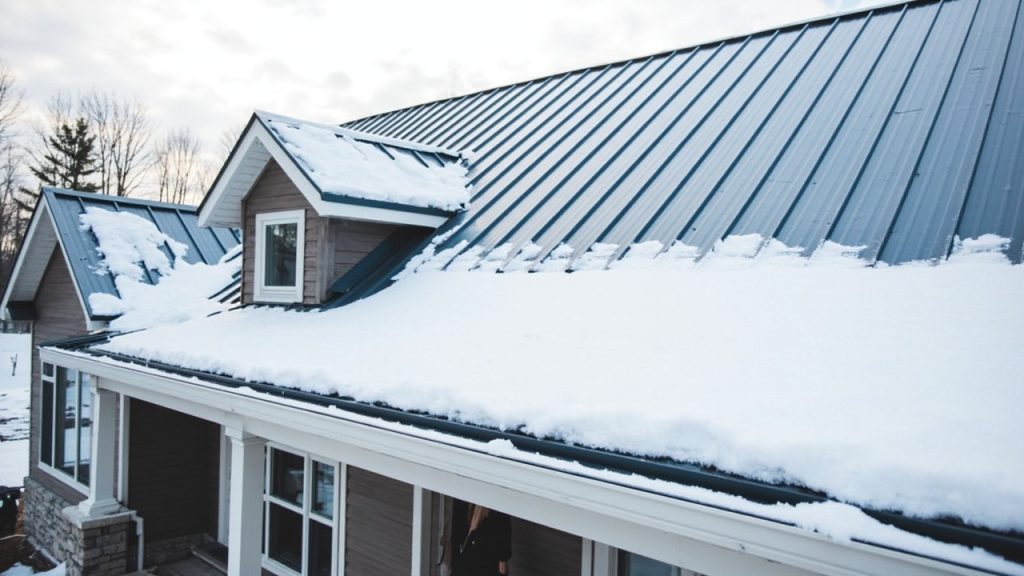
Standing seam metal roofing consists of vertical metal panels with raised seams that interlock to create a weather-tight seal. The hidden fastener system means no exposed screws that can leak or back out over time. This design proves especially valuable in Minnetonka where winter temperatures fluctuate dramatically and ice formation creates constant stress on roofing materials.
Homeowners in neighborhoods like Glen Lake and near Wayzata High School are discovering that metal roofing delivers both practical benefits and enhanced curb appeal. The clean lines and modern appearance complement both contemporary and traditional home designs common throughout Hennepin County.
Climate Benefits for Minnetonka Properties
Minnesota’s climate creates unique challenges for roofing materials. Minnetonka experiences an average of 54 inches of snow annually with temperatures dropping below zero multiple times each winter. These conditions demand roofing systems that can handle extreme weight loads and resist ice dam formation.
Standing seam metal roofs excel in snow management. The smooth surface allows snow to slide off rather than accumulate reducing structural stress on your home. This characteristic proves particularly valuable for homes near Minnetonka’s many lakes where lake-effect snow can increase accumulation rates.
The thermal properties of metal roofing help regulate attic temperatures. During summer months reflective metal surfaces reduce heat absorption by up to 40% compared to dark asphalt shingles. This translates to lower cooling costs and improved indoor comfort during Minnesota’s humid summers.
Ice dam prevention represents one of the most significant advantages for Minnetonka homeowners. Traditional roofing systems often fail when ice backs up under shingles causing leaks and water damage. Metal roofing’s continuous surface and proper underlayment installation eliminate the pathways that allow ice dams to form.
Engineering Specifications for Minnesota Weather
Standing seam metal roofing systems designed for Minnesota must meet specific engineering standards. The most common residential application uses 24-gauge steel panels with Kynar 500 finish coating. This combination provides exceptional strength while maintaining flexibility during temperature fluctuations.
The mechanical lock system creates superior wind resistance compared to snap-lock alternatives. In areas like Minnetonka where winter storms can produce gusts over 60 mph this engineering detail matters significantly. The panels lock together using specialized tools that create a permanent seal resistant to wind uplift.
Proper installation requires attention to ventilation and underlayment. Minnesota building codes mandate specific ice and water shield requirements for roofs with slopes less than 4:12. The shield must extend at least 24 inches past the interior wall line to prevent ice dam damage.
Fire resistance represents another critical factor. Metal roofing achieves Class A fire ratings providing protection against both external fire threats and internal fire spread. This feature proves valuable in older Minnetonka neighborhoods where homes sit close together.
Local Project Examples and Results
Recent installations throughout Minnetonka demonstrate the versatility of standing seam metal roofing. A contemporary home near Purgatory Creek retained its modern aesthetic while gaining superior weather protection. The homeowner reported 30% reduction in energy costs during the first summer after installation.
Traditional Tudor-style homes in the Deephaven area have successfully adopted metal roofing without compromising architectural integrity. The panels can be finished in colors that match or complement existing exterior elements maintaining neighborhood character while upgrading performance.
Commercial properties in Minnetonka’s industrial areas benefit from metal roofing’s low maintenance requirements. The absence of exposed fasteners eliminates common leak points and the durable finish resists the industrial pollutants present near manufacturing zones.
Multi-family residential buildings in the Ridgedale area have installed standing seam systems to reduce long-term maintenance costs. Property managers report significant savings on roof repairs and replacements over the system’s expected 50+ year lifespan.
Building Code Requirements in Minnetonka
The City of Minnetonka follows Hennepin County building codes with additional local requirements for roofing installations. Permits are required for all roof replacements and inspections verify compliance with Minnesota State Building Code standards.
Ventilation requirements specify minimum net free area calculations based on attic square footage. Proper ventilation prevents moisture buildup and extends the life of both the roofing system and underlying structure. Metal roofing installations must demonstrate compliance with these ventilation standards.
Snow load calculations for Minnetonka properties typically assume 35-40 pounds per square foot ground snow load. Standing seam metal systems must be engineered to handle these loads plus additional factors for wind and thermal movement. The structural design accounts for the reduced snow retention compared to traditional roofing.
Energy code compliance requires consideration of solar reflectance and thermal emittance ratings. Many metal roofing products achieve Energy Star certification providing tax credit eligibility and contributing to overall building energy efficiency.
Cost Analysis and Long-Term Value
Standing seam metal roofing represents a significant upfront investment compared to asphalt shingles. Initial costs typically range 2.5 to 3 times higher than traditional roofing materials. However the extended lifespan and reduced maintenance requirements create compelling long-term economics.
The average asphalt shingle roof in Minnesota requires replacement every 15-20 years. Standing seam metal systems installed correctly last 50+ years with minimal maintenance. This longevity means homeowners replace their roofs once instead of three times over the same period.
Energy savings accumulate throughout the system’s life. The reflective properties reduce cooling costs during summer months while the improved insulation performance helps retain heat during winter. Homeowners report annual energy savings of $200-400 depending on home size and local utility rates.
Property value increases often offset a significant portion of the initial investment. Real estate studies indicate metal roofing can increase home resale value by 85-95% of the installation cost. In Minnetonka’s competitive housing market this premium helps properties stand out to potential buyers.
Material Options and Color Selection
Steel represents the most common material choice for standing seam roofing due to its strength-to-cost ratio. Galvanized steel with Kynar 500 finish provides excellent corrosion resistance and color retention. The finish comes in over 20 standard colors with custom options available.
Aluminum offers superior corrosion resistance for homes near Minnetonka’s lakes or in areas with high salt exposure. The material weighs less than steel but costs approximately 20% more. Aluminum doesn’t require galvanic protection making it ideal for coastal or industrial environments.
Copper and zinc provide premium options with unique aging characteristics. Copper develops a distinctive green patina over 15-20 years while zinc forms a protective layer that self-heals minor scratches. Both materials cost significantly more but offer unmatched longevity and aesthetic appeal.
Color selection impacts both aesthetics and performance. Lighter colors reflect more solar radiation reducing cooling costs and improving Energy Star ratings. Popular choices in Minnesota include charcoal gray bronze and various earth tones that complement local architectural styles.
Installation Process and Timeline
Professional installation of standing seam metal roofing requires specialized equipment and expertise. The process begins with complete removal of existing roofing materials down to the deck. This allows inspection of the underlying structure and replacement of damaged decking.
Underlayment installation follows deck preparation. High-temperature synthetic underlayment provides superior moisture protection compared to traditional felt paper. The material resists UV degradation during the installation process and maintains flexibility in extreme temperatures.
Panel fabrication occurs on-site using roll-forming equipment. This approach ensures precise panel lengths and minimizes waste. The equipment can produce panels up to 40 feet long reducing the number of seams and potential leak points.
Installation typically requires 3-5 days for an average home depending on roof complexity and weather conditions. The process generates minimal waste since metal panels can be recycled and the durable nature of the system means less frequent replacement cycles.
Maintenance Requirements
Standing seam metal roofing requires minimal maintenance compared to traditional roofing systems. Annual inspections should check for loose fasteners damaged sealant at transitions and debris accumulation in valleys or around penetrations.
Cleaning recommendations vary by finish type. Kynar 500 coated panels benefit from gentle cleaning every 2-3 years to remove accumulated dirt and maintain appearance. The cleaning process uses low-pressure washing and mild detergents that won’t damage the finish.
Snow guards may be necessary depending on roof pitch and local conditions. Homes with slopes greater than 6:12 often require snow retention systems to prevent sudden snow slides that could damage landscaping or create safety hazards below.
Gutter systems require proper sizing to handle the increased water flow from metal roofing. The smooth surface allows water to move quickly off the roof potentially overwhelming undersized gutters. Professional assessment ensures appropriate gutter capacity for your specific roof configuration.
Environmental Impact and Sustainability
Metal roofing offers significant environmental advantages over traditional materials. Steel and aluminum contain high percentages of recycled content often 25-95% depending on the specific product. At the end of its useful life the entire system is 100% recyclable.
The extended lifespan reduces landfill waste compared to shingle roofing that requires replacement every 15-20 years. A single metal roof installation eliminates the waste from three asphalt roof replacements significantly reducing construction debris.
Energy efficiency improvements contribute to reduced carbon emissions. The reflective properties decrease cooling loads while the improved insulation performance reduces heating requirements. Many metal roofing products achieve LEED certification points for sustainable building practices.
Stormwater management benefits arise from the smooth surface that allows water to flow cleanly off the roof. This characteristic reduces the accumulation of pollutants that can occur with traditional roofing materials improving downstream water quality.
Comparing Metal to Other Roofing Options
Standing seam metal roofing outperforms asphalt shingles in nearly every category except initial cost. While asphalt costs $5-8 per square foot installed metal ranges $12-20 per square foot. However when lifecycle costs are considered metal often proves more economical.
Concrete and clay tiles offer similar longevity to metal but weigh significantly more. A typical tile roof adds 10-15 pounds per square foot compared to metal’s 1.5-2.5 pounds per square foot. This weight difference matters for older homes or structures with limited load capacity.
Synthetic roofing materials attempt to mimic traditional materials while offering improved performance. While these products cost less than metal they typically last only 30-40 years compared to metal’s 50+ year lifespan. The limited color options and finish durability also fall short of metal roofing standards.
Wood shakes provide natural beauty but require extensive maintenance and have limited fire resistance. Many Minnesota municipalities restrict wood roofing in areas with high fire risk. Metal roofing can achieve similar aesthetic effects while meeting modern building code requirements.
Choosing the Right Contractor
Standing seam metal roofing installation requires specialized skills and equipment. Not all roofing contractors possess the necessary expertise for proper metal installation. Look for contractors with specific metal roofing experience and manufacturer certifications.
Local experience matters significantly. Contractors familiar with Minnesota’s climate challenges understand the importance of proper underlayment ventilation and fastening techniques. They can also navigate local building code requirements specific to Hennepin County and the City of Minnetonka.
Request references from previous metal roofing installations. Visit completed projects if possible to assess the quality of workmanship. Pay attention to detail in areas like flashing transitions and trim work where poor installation becomes most apparent.
Verify insurance coverage and licensing specific to roofing work in Minnesota. The state requires contractors to carry workers’ compensation insurance and liability coverage. Ask for proof of current coverage before signing any contracts.
Frequently Asked Questions
How long does standing seam metal roofing last in Minnesota?
Properly installed standing seam metal roofing typically lasts 50+ years in Minnesota’s climate. The systems are designed to withstand extreme temperature fluctuations heavy snow loads and high winds. Many manufacturers offer warranties of 30-50 years on their premium products.
Will a metal roof make my house hot in summer?
Actually metal roofing can reduce heat gain compared to traditional materials. Light-colored metal panels reflect solar radiation and many products feature special coatings that increase reflectivity. Combined with proper attic ventilation metal roofing often results in lower cooling costs during summer months.
Can I install standing seam metal roofing over my existing shingles?
While some installations occur over existing shingles complete removal is generally recommended for Minnesota homes. This approach allows inspection of the roof deck installation of proper underlayment and ensures the ventilation requirements are met for our climate.
What happens to snow on a metal roof?
Snow typically slides off metal roofs due to the smooth surface and thermal properties. While this prevents snow accumulation it may require snow guards in certain situations to prevent sudden slides that could damage landscaping or create safety hazards below.
How much does standing seam metal roofing cost in Minnetonka?
Costs vary based on roof complexity material choice and specific installation requirements. Most homeowners in Minnetonka can expect to pay between $15000 and $30000 for a typical home or approximately $12-20 per square foot installed.
Making the Right Choice for Your Home
Standing seam metal roofing represents a significant investment in your home’s future. The decision involves balancing upfront costs against long-term benefits including durability energy efficiency and reduced maintenance requirements. For Minnetonka homeowners facing Minnesota’s challenging climate the advantages often outweigh the initial expense.
Consider your specific situation when evaluating roofing options. Homes with complex rooflines or those requiring frequent snow removal may benefit most from metal’s durability and snow-shedding properties. The investment also makes sense for homeowners planning to stay in their homes long-term who want to avoid future replacement costs.
The environmental benefits align with many homeowners’ sustainability goals. The recycled content recyclability and energy efficiency improvements make metal roofing an environmentally responsible choice that doesn’t sacrifice performance or aesthetics.
Ready to explore standing seam metal roofing for your Minnetonka home? Contact our team for a comprehensive evaluation of your current roofing system and a detailed proposal for upgrading to metal roofing. We’ll help you understand the specific benefits for your home and provide a clear timeline and cost estimate for your project.
- Evaluate Your Current Roof
Schedule a professional inspection to assess your existing roof’s condition and identify any structural issues that need addressing before installation.
- Research Material Options
Compare steel aluminum copper and zinc options based on your budget aesthetic preferences and specific performance requirements for Minnesota weather.
- Verify Contractor Qualifications
Confirm the contractor has specific experience with standing seam metal roofing and holds relevant manufacturer certifications and Minnesota licensing.
- Review Local Building Requirements
Ensure your contractor understands Minnetonka’s permit requirements and Minnesota building codes specific to metal roofing installations.
- Plan for Installation Timeline
Coordinate the project timing to minimize disruption and account for weather conditions that could affect the installation process.
Don’t wait until your current roof fails during a Minnesota winter storm. The peace of mind that comes with a durable weather-resistant roofing system is worth the investment. Contact us today at (651) 588-9277 to schedule your consultation and take the first step toward upgrading your home’s protection with standing seam metal roofing.
Our team serves Minnetonka and surrounding communities including Wayzata Eden Prairie and Plymouth. We understand the unique challenges of roofing in Minnesota and can help you make the best choice for your home and budget.
{
“@context”: “https://schema.org”,
“@type”: “BlogPosting”,
“headline”: “Why Minnetonka Homeowners Are Switching to Durable Standing Seam Metal Roofs”,
“description”: “Discover why Minnetonka homeowners choose standing seam metal roofs for durability, energy efficiency, and long-term value in Minnesota’s harsh climate.”,
“wordCount”: 2533,
“datePublished”: “2026-02-19T14:58:00.000Z”,
“dateModified”: “2026-02-19T14:58:00.000Z”,
“inLanguage”: “en-US”,
“mainEntityOfPage”: {
“@type”: “WebPage”,
“@id”: “https://keystoneroofingminneapolis.com”
},
“publisher”: {
“@type”: “LocalBusiness”,
“name”: “Keystone Roofing Minneapolis”,
“url”: “https://keystoneroofingminneapolis.com”
},
“author”: {
“@type”: “Organization”,
“name”: “Keystone Roofing Minneapolis”,
“url”: “https://keystoneroofingminneapolis.com”
},
“image”: {
“@type”: “ImageObject”,
“url”: “https://keystoneroofingminneapolis.com/wp-content/uploads/2026/03/why-minnetonka-homeowners-are-switching-to-durable-1.jpg”
}
}
{
“@context”: “https://schema.org”,
“@type”: “RoofingContractor”,
“name”: “Keystone Roofing Minneapolis”,
“url”: “https://keystoneroofingminneapolis.com”,
“address”: {
“@type”: “PostalAddress”,
“addressLocality”: “Minneapolis”
},
“areaServed”: {
“@type”: “City”,
“name”: “Minneapolis”
}
}
{
“@context”: “https://schema.org”,
“@type”: “FAQPage”,
“mainEntity”: [
{
“@type”: “Question”,
“name”: “How long does standing seam metal roofing last in Minnesota?”,
“acceptedAnswer”: {
“@type”: “Answer”,
“text”: “Properly installed standing seam metal roofing typically lasts 50+ years in Minnesota’s climate. The systems are designed to withstand extreme temperature fluctuations heavy snow loads and high winds. Many manufacturers offer warranties of 30-50 years on their premium products.”
}
},
{
“@type”: “Question”,
“name”: “Will a metal roof make my house hot in summer?”,
“acceptedAnswer”: {
“@type”: “Answer”,
“text”: “Actually metal roofing can reduce heat gain compared to traditional materials. Light-colored metal panels reflect solar radiation and many products feature special coatings that increase reflectivity. Combined with proper attic ventilation metal roofing often results in lower cooling costs during summer months.”
}
},
{
“@type”: “Question”,
“name”: “Can I install standing seam metal roofing over my existing shingles?”,
“acceptedAnswer”: {
“@type”: “Answer”,
“text”: “While some installations occur over existing shingles complete removal is generally recommended for Minnesota homes. This approach allows inspection of the roof deck installation of proper underlayment and ensures the ventilation requirements are met for our climate.”
}
},
{
“@type”: “Question”,
“name”: “What happens to snow on a metal roof?”,
“acceptedAnswer”: {
“@type”: “Answer”,
“text”: “Snow typically slides off metal roofs due to the smooth surface and thermal properties. While this prevents snow accumulation it may require snow guards in certain situations to prevent sudden slides that could damage landscaping or create safety hazards below.”
}
},
{
“@type”: “Question”,
“name”: “How much does standing seam metal roofing cost in Minnetonka?”,
“acceptedAnswer”: {
“@type”: “Answer”,
“text”: “Costs vary based on roof complexity material choice and specific installation requirements. Most homeowners in Minnetonka can expect to pay between $15000 and $30000 for a typical home or approximately $12-20 per square foot installed.”
}
}
]
}
{
“@context”: “https://schema.org”,
“@type”: “HowTo”,
“name”: “How to Choose Standing Seam Metal Roofing”,
“step”: [
{
“@type”: “HowToStep”,
“position”: 1,
“name”: “Evaluate Your Current Roof”,
“text”: “Schedule a professional inspection to assess your existing roof’s condition and identify any structural issues that need addressing before installation.”
},
{
“@type”: “HowToStep”,
“position”: 2,
“name”: “Research Material Options”,
“text”: “Compare steel aluminum copper and zinc options based on your budget aesthetic preferences and specific performance requirements for Minnesota weather.”
},
{
“@type”: “HowToStep”,
“position”: 3,
“name”: “Verify Contractor Qualifications”,
“text”: “Confirm the contractor has specific experience with standing seam metal roofing and holds relevant manufacturer certifications and Minnesota licensing.”
},
{
“@type”: “HowToStep”,
“position”: 4,
“name”: “Review Local Building Requirements”,
“text”: “Ensure your contractor understands Minnetonka’s permit requirements and Minnesota building codes specific to metal roofing installations.”
},
{
“@type”: “HowToStep”,
“position”: 5,
“name”: “Plan for Installation Timeline”,
“text”: “Coordinate the project timing to minimize disruption and account for weather conditions that could affect the installation process.”
}
],
“image”: “https://keystoneroofingminneapolis.com/wp-content/uploads/2026/03/why-minnetonka-homeowners-are-switching-to-durable-1.jpg”
}
{
“@context”: “https://schema.org”,
“@type”: “BreadcrumbList”,
“itemListElement”: [
{
“@type”: “ListItem”,
“position”: 1,
“name”: “Home”,
“item”: “https://keystoneroofingminneapolis.com”
},
{
“@type”: “ListItem”,
“position”: 2,
“name”: “Blog”,
“item”: “https://keystoneroofingminneapolis.com/blog”
},
{
“@type”: “ListItem”,
“position”: 3,
“name”: “Why Minnetonka Homeowners Are Switching to Durable Standing Seam Metal Roofs”
}
]
}
{
“@context”: “https://schema.org”,
“@type”: “Service”,
“serviceType”: “Roofing”,
“provider”: {
“@type”: “LocalBusiness”,
“name”: “Keystone Roofing Minneapolis”,
“url”: “https://keystoneroofingminneapolis.com”
},
“areaServed”: {
“@type”: “City”,
“name”: “Minneapolis”
},
“description”: “Discover why Minnetonka homeowners choose standing seam metal roofs for durability, energy efficiency, and long-term value in Minnesota’s harsh climate.”
}
