
Replacing the Roof on Your Highland Park Tudor Without Losing Its Character
Historic Tudor homes in Highland Park demand a specialized approach to roofing that balances modern weather protection with architectural authenticity. The steep gables, decorative half-timbering, and intricate masonry chimneys that define your Tudor’s character require materials and installation techniques that standard roofing contractors often overlook. Trusted Roofing Contractors in St. Louis Park for Shingle Replacement.
Highland Park’s mature tree canopy and proximity to the Mississippi River create unique microclimatic conditions. Your Tudor’s roof faces heavier debris accumulation, increased moisture exposure, and the same severe Minnesota weather patterns that challenge all local homes. However, the complex roof geometry of Tudor architecture creates additional vulnerabilities that standard installations cannot address.
Understanding Tudor Roofing Challenges in Highland Park
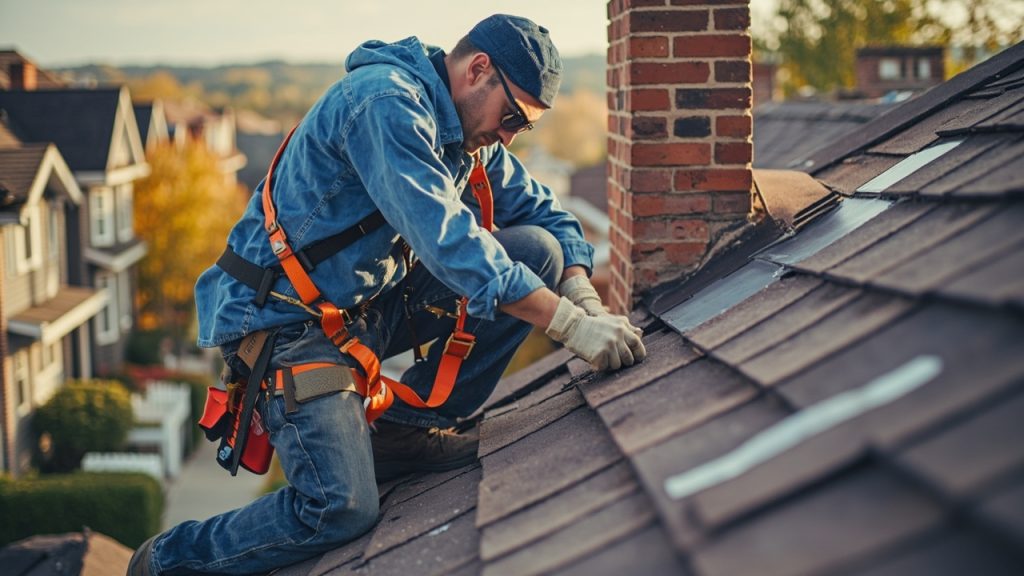
The steep-pitched gables characteristic of Tudor homes create dramatic visual appeal but also engineering challenges. These angles exceed 45 degrees on many sections, requiring specialized safety equipment and installation techniques. The multiple valleys where different roof planes intersect become natural collection points for water and debris, making proper flashing installation critical for preventing leaks.
Many Highland Park Tudors were built between 1920 and 1940 using materials and construction methods that predate modern building codes. The original roof decks often consist of spaced sheathing boards rather than continuous plywood, requiring careful evaluation before installing new roofing systems. The heavy insulation needs of these older homes create additional challenges for ice dam prevention.
The decorative masonry chimneys common to Tudor architecture require specialized flashing details. Standard step flashing often fails to properly seal around the irregular stone or brick patterns found on these chimneys. Copper flashing integrated with the masonry becomes essential for long-term water protection.
Material Selection for Authentic Tudor Appearance
Natural slate remains the gold standard for Tudor roofing authenticity. The heavy, dimensional quality of slate complements the substantial masonry and timber elements of Tudor architecture. However, natural slate costs significantly more than other options and requires specialized installation expertise. The weight also demands structural evaluation of your existing roof framing. Expert Flat Roof Repair Services for Uptown Businesses and Modern Lofts.
Western red cedar shakes provide another historically accurate option. The natural variation in color and texture creates the weathered appearance that complements Tudor design. Cedar performs well in Minnesota’s climate but requires regular maintenance and treatment to prevent premature deterioration from our freeze-thaw cycles.
Modern synthetic slate and composite shake products offer a compelling middle ground. These materials replicate the dimensional appearance of natural products while providing superior impact resistance and lower weight. DaVinci Roofscapes and similar manufacturers produce products specifically designed for historic applications, complete with appropriate color variations and texture patterns.
Architectural asphalt shingles can work for Tudor homes when properly selected. Heavy-weight, multi-dimensional shingles with varied color patterns can approximate the texture of natural materials. The key lies in selecting products with appropriate weight and dimension rather than standard three-tab shingles.
Ice Dam Prevention for Complex Tudor Rooflines
Minnesota’s severe winters create ice dam conditions that standard roofing cannot handle. The complex roof geometry of Tudor homes exacerbates these problems. Multiple valleys and intersecting planes create natural collection points for melting snow, while the heavy insulation typical of older homes contributes to heat loss through the roof deck.
Proper ice and water shield installation becomes critical for Tudor roofs. The shield must extend beyond standard application areas to cover all valleys, eaves, and critical flashing points. In Highland Park’s climate, we recommend extending ice and water shield at least 6 feet up from the eaves, with additional coverage in valleys and around chimneys.
Attic ventilation requires careful planning for Tudor homes. The complex roof geometry often creates ventilation challenges that standard ridge-and-soffit systems cannot address. Powered ventilation or specialized intake systems may become necessary to maintain consistent attic temperatures and prevent ice dam formation.
Heat cables strategically placed in valleys and along eaves provide additional protection against ice dam formation. These systems must be professionally installed to avoid creating new leak points while effectively managing melting snow.
Copper Flashing and Detailing for Tudor Authenticity
Copper flashing represents both a functional necessity and an aesthetic choice for Tudor homes. The natural weathering of copper creates a patina that complements the aged appearance of Tudor architecture. Beyond aesthetics, copper provides superior longevity compared to galvanized steel or aluminum flashing.
Valley flashing requires particular attention on Tudor roofs. The steep angles and multiple intersecting planes create complex water flow patterns that standard flashing cannot handle. Wide copper valleys with appropriate underlayment become essential for preventing leaks in these critical areas.
Dormer windows present another challenge for Tudor roofing. The decorative half-timbering often extends around dormers, requiring careful integration of roofing materials with the architectural details. Custom copper flashing around dormer cheeks and headwalls prevents water infiltration while maintaining visual continuity.
Chimney crickets become necessary for larger masonry chimneys on Tudor homes. These custom-fabricated structures divert water around chimneys and prevent snow accumulation that could lead to ice dam formation. Copper crickets provide both functional protection and aesthetic continuity with other copper details.
Historic Preservation Considerations in Highland Park
Highland Park contains several historic districts where exterior modifications require approval from the St. Paul Heritage Preservation Commission. Tudor homes within these districts must maintain their architectural character while meeting modern building code requirements. This creates a unique challenge that requires understanding both historic preservation guidelines and current building science. St. Paul Heritage Preservation Commission.
The commission typically requires that roofing materials maintain the visual character of the original construction. This often means using materials that replicate the dimensional quality and color variations of the original roofing, even when the underlying technology differs significantly from historical methods.
Permit requirements for Tudor roof replacement in Highland Park often include structural engineering assessments. The additional weight of authentic materials like natural slate or the need for enhanced wind resistance in our severe weather climate may require structural modifications to the existing roof framing. How Much Does a Full Roof Replacement Cost in Bloomington?.
Working within historic districts requires coordination with multiple agencies. Beyond the Heritage Preservation Commission, roofing projects may need approval from the City of St. Paul Building Inspection Division and compliance with Minnesota State Building Code requirements.
Highland Park Climate Considerations
Highland Park experiences Minnesota’s full range of severe weather conditions. Summer brings intense UV exposure, high humidity, and severe thunderstorms with hail. Winter delivers heavy snow loads, ice dam formation, and freeze-thaw cycles that stress roofing materials. The proximity to the Mississippi River moderates temperatures slightly but increases moisture exposure. Storm Damage Roof Inspections in Plymouth – What to Look for After a Major Storm.
Wind patterns in Highland Park create specific challenges for Tudor homes. The mature tree canopy provides some wind protection but also contributes to debris accumulation on roofs. The steep roof pitches of Tudor architecture create increased wind uplift forces that require enhanced fastening systems.
Ice and water shield requirements for Highland Park Tudors exceed standard recommendations. The combination of heavy snow loads, ice dam formation, and the complex roof geometry demands comprehensive protection beyond minimum building code requirements. We recommend ice and water shield on all valleys, extending 6 feet up from all eaves, and around all roof penetrations.
Ventilation becomes critical in Highland Park’s climate. The freeze-thaw cycles that characterize Minnesota winters create expansion and contraction stresses on roofing materials. Proper attic ventilation helps maintain consistent roof deck temperatures, reducing these stresses and extending roof life.
Comparing Tudor Roofing Material Options
| Material | Cost Range | Lifespan | Maintenance | Historic Accuracy |
|---|---|---|---|---|
| Natural Slate | $$$-$$$$ | 75-100+ years | Low | Excellent |
| Western Red Cedar | $$-$$$ | 30-50 years | High | Excellent |
| Synthetic Slate | $$-$$$ | 50+ years | Low | Very Good |
| Architectural Asphalt | $-$$ | 25-30 years | Low | Good |
Material selection ultimately depends on your priorities for authenticity, budget, and long-term maintenance requirements. Natural slate provides unmatched authenticity but requires the highest investment. Synthetic products offer excellent durability with lower weight and cost.
Installation Timeline and Process
Replacing a Tudor roof typically requires 2-3 weeks of active installation time, depending on weather conditions and material selection. The complex geometry of Tudor homes means installation takes longer than standard roof replacements. Steep pitches require additional safety equipment and specialized installation techniques.
The process begins with a comprehensive inspection of the existing roof structure. This includes evaluating the roof deck condition, attic ventilation, and structural framing capacity. For historic homes, we also assess the condition of decorative elements like half-timbering and masonry chimneys.
Material delivery requires careful planning for Tudor homes. Heavy materials like natural slate need staging areas that won’t damage landscaping. The steep roof pitches often require specialized equipment for material hoisting that standard roofing contractors don’t maintain.
Weather considerations play a significant role in Tudor roof replacement scheduling. The complex geometry creates more potential leak points during installation, making weather monitoring critical. We typically schedule Tudor replacements during periods with the most reliable weather forecasts.
Finding the Right Contractor for Your Tudor Roof
Not all roofing contractors have experience with Tudor architecture. The steep pitches, complex geometry, and historic preservation requirements demand specialized knowledge and equipment. Look for contractors who demonstrate understanding of historic preservation guidelines and experience with steep-slope installations.
Insurance and licensing requirements become particularly important for Tudor roof replacement. The specialized nature of the work requires proper insurance coverage for steep-slope work. Verify that contractors carry appropriate liability insurance and workers’ compensation coverage.
Portfolio review should include specific examples of Tudor or similar historic home roofing projects. Request references from homeowners with similar properties and verify the contractor’s ability to handle the specific challenges of your home’s architecture.
Communication becomes critical when working on historic properties. The best contractors provide detailed project timelines, explain material options thoroughly, and maintain regular communication throughout the installation process.
Cost Factors for Tudor Roof Replacement
Several factors influence the cost of replacing a Tudor roof beyond basic square footage calculations. The steep pitches require additional safety equipment and installation time. Complex geometry means more flashing details and valleys that require careful attention.
Material selection represents the largest cost variable. Natural slate can cost 3-4 times more than architectural asphalt shingles. However, the longer lifespan of premium materials often provides better long-term value despite higher upfront costs.
Structural modifications may become necessary for Tudor homes. Older homes may require roof deck reinforcement to handle heavier materials. Ventilation upgrades to meet current code requirements add to project costs.
Historic district requirements can increase costs through permitting fees and additional documentation requirements. The need to maintain architectural authenticity may limit material options, potentially increasing costs if preferred materials exceed budget expectations.
Maintenance Requirements for Tudor Roofs
Regular maintenance extends the life of any roof but becomes particularly important for Tudor homes due to their complexity. Annual inspections should focus on flashing details, valley conditions, and the integrity of any copper components. The multiple valleys and intersecting planes create more potential leak points than standard roof designs.
Debris removal becomes critical for Tudor roofs. The steep pitches and multiple valleys collect leaves, twigs, and other debris that can trap moisture and accelerate deterioration. Professional cleaning every 1-2 years helps prevent these issues.
Gutter maintenance requires special attention for Tudor homes. The heavy decorative elements and multiple roof planes can complicate gutter installation and maintenance. Proper drainage becomes essential for preventing ice dam formation and protecting the home’s foundation.
Flashing inspection should occur annually, with particular attention to chimney details and valley areas. Copper flashing may develop patina but should remain structurally sound. Any signs of deterioration in flashing materials require prompt attention to prevent water infiltration.
Energy Efficiency Considerations
Tudor homes often present energy efficiency challenges due to their age and construction methods. The heavy insulation typical of these homes can create heat buildup in summer and heat loss in winter. Proper roof replacement provides an opportunity to address these issues while maintaining architectural integrity.
Modern underlayment materials provide superior moisture protection compared to historical methods. Synthetic underlayments offer better tear resistance and moisture management than traditional felt paper. These improvements help maintain consistent attic temperatures and reduce energy costs.
Ventilation upgrades during roof replacement can significantly improve energy efficiency. The complex roof geometry of Tudor homes often creates ventilation challenges that standard approaches cannot address. Professional assessment can identify optimal ventilation strategies that balance historic preservation with energy performance.
Reflective roofing materials can help manage summer heat gain, though options may be limited by historic preservation requirements. Light-colored synthetic slate or certain architectural shingles can reduce heat absorption while maintaining appropriate appearance for Tudor architecture.
Common Problems with Tudor Roofs
Understanding common Tudor roof problems helps homeowners identify issues early. Valley deterioration represents one of the most frequent problems. The complex geometry creates stress points where different roof planes intersect, and standard flashing often fails in these locations.
Ice dam formation affects Tudor homes more severely than standard roof designs. The multiple valleys and intersecting planes create natural collection points for melting snow. Poor attic ventilation exacerbates these problems, leading to water infiltration and structural damage.
Flashing failures around chimneys and dormers represent another common issue. The decorative masonry and half-timbering create irregular surfaces that standard flashing cannot properly seal. Copper flashing integrated with these elements provides better long-term protection but requires specialized installation.
Gutter problems often develop due to the complex roof geometry. Standard gutter installations may not adequately handle the water flow from multiple roof planes. Improper drainage leads to ice dam formation, foundation damage, and landscape erosion.
Frequently Asked Questions
How long does a Tudor roof replacement typically take?
Most Tudor roof replacements require 2-3 weeks of active installation time. The complex geometry and steep pitches mean installation takes longer than standard roof replacements. Weather conditions and material availability can also affect the timeline.
Can I use asphalt shingles on my Tudor home?
Yes, architectural asphalt shingles can work for Tudor homes when properly selected. Choose heavy-weight, multi-dimensional shingles with varied color patterns that approximate the texture of natural materials. Standard three-tab shingles typically don’t provide the dimensional quality needed for Tudor architecture.
Do I need special permits for Tudor roof replacement in Highland Park?
Most roof replacements require building permits regardless of location. Tudor homes in historic districts may need additional approval from the Heritage Preservation Commission. Check with the City of St. Paul Building Inspection Division for specific requirements in your area.
How much does Tudor roof replacement cost compared to standard roofing?
Tudor roof replacement typically costs 20-40% more than standard roof replacement due to the complex geometry, steep pitches, and specialized installation requirements. Material selection significantly impacts cost, with natural slate potentially costing 3-4 times more than architectural asphalt shingles.
What maintenance does a Tudor roof require?
Tudor roofs benefit from annual inspections focusing on flashing details, valley conditions, and gutter systems. Professional cleaning every 1-2 years helps remove debris from valleys and steep pitches. Prompt attention to any signs of deterioration prevents more extensive damage.
How do I know if my Tudor roof needs replacement?
Signs that indicate roof replacement needs include curling or missing shingles, water stains on interior ceilings, visible sagging, and age exceeding the typical lifespan of your roofing material. For Tudor homes, pay particular attention to flashing details and valley conditions.
Can I stay in my home during Tudor roof replacement?
Most homeowners can remain in their homes during roof replacement, though some noise and disruption should be expected. The complex nature of Tudor roof replacement may require temporary relocation of vehicles and protection of landscaping from material delivery and equipment staging.
What warranties are available for Tudor roof replacement?
Warranty options vary by material and contractor. Premium materials like natural slate often carry 50-100 year warranties on the material itself. Workmanship warranties typically range from 5-25 years depending on the contractor and installation complexity. Historic district requirements may affect warranty terms.
Protecting Your Investment
Your Tudor home represents both a significant financial investment and a piece of architectural heritage. Proper roof replacement protects both aspects by providing modern weather protection while maintaining the character that makes your home unique. The investment in quality materials and specialized installation pays dividends through extended roof life and preserved property value.
Regular maintenance following installation helps maximize your investment. Annual inspections can identify potential issues before they become major problems. Prompt attention to minor repairs prevents the water damage that can compromise both the roof structure and interior finishes.
Documentation of your roof replacement project provides valuable information for future maintenance and potential home sales. Keep records of material specifications, installation details, and warranty information. This documentation proves valuable for insurance purposes and when working with future contractors.
The specialized nature of Tudor roof replacement means choosing the right contractor significantly impacts project success. Look for experience with historic homes, proper insurance coverage, and understanding of local preservation requirements. The investment in quality workmanship protects your home’s character and structural integrity for decades. Choosing the Right Cedar Shake Contractor for Your Minnetonka Home.
Ready to Protect Your Tudor Home?
Replacing the roof on your Highland Park Tudor requires expertise that goes beyond standard roofing. The combination of historic preservation requirements, complex geometry, and severe Minnesota weather demands a contractor who understands these unique challenges.
Don’t trust your historic home to contractors who treat all roofs the same. Your Tudor deserves specialized attention that preserves its character while providing modern weather protection. The right approach combines authentic materials, proper installation techniques, and understanding of local historic preservation requirements.
Call Keystone Roofing Minneapolis today at (651) 588-9277 to schedule your Tudor roof assessment. Our team has extensive experience with Highland Park’s historic homes and understands the specific requirements for preserving Tudor architecture while meeting modern building standards. We’ll help you navigate material selection, historic preservation requirements, and installation processes to ensure your home maintains its character for generations to come.
Don’t wait until minor issues become major problems. Early assessment and planning help ensure your Tudor roof replacement proceeds smoothly and maintains the architectural integrity that makes your home special. Contact us today to begin protecting your investment and preserving your home’s unique character.
Your Tudor home deserves specialized care. Let Keystone Roofing Minneapolis provide the expertise and attention to detail that historic homes require. Call (651) 588-9277 now to schedule your consultation and take the first step toward protecting your home’s architectural heritage. For more information, visit FEMA ice dam prevention guidelines.
{
“@context”: “https://schema.org”,
“@type”: “BlogPosting”,
“headline”: “Replacing the Roof on Your Highland Park Tudor Without Losing Its Character”,
“description”: “Expert Tudor roofing in Highland Park, St. Paul. Preserve your historic home’s character with proper materials and ice dam protection. Call (651) 588-9277.”,
“wordCount”: 3067,
“datePublished”: “2026-03-09T09:19:00.000Z”,
“dateModified”: “2026-03-09T09:19:00.000Z”,
“inLanguage”: “en-US”,
“mainEntityOfPage”: {
“@type”: “WebPage”,
“@id”: “https://keystoneroofingminneapolis.com”
},
“publisher”: {
“@type”: “LocalBusiness”,
“name”: “Keystone Roofing Minneapolis”,
“url”: “https://keystoneroofingminneapolis.com”
},
“author”: {
“@type”: “Organization”,
“name”: “Keystone Roofing Minneapolis”,
“url”: “https://keystoneroofingminneapolis.com”
},
“image”: {
“@type”: “ImageObject”,
“url”: “https://keystoneroofingminneapolis.com/wp-content/uploads/2026/03/replacing-the-roof-on-your-highland-park-tudor-wit-1.jpg”
}
}
{
“@context”: “https://schema.org”,
“@type”: “RoofingContractor”,
“name”: “Keystone Roofing Minneapolis”,
“url”: “https://keystoneroofingminneapolis.com”,
“address”: {
“@type”: “PostalAddress”,
“addressLocality”: “Minneapolis”
},
“areaServed”: {
“@type”: “City”,
“name”: “Minneapolis”
}
}
{
“@context”: “https://schema.org”,
“@type”: “FAQPage”,
“mainEntity”: [
{
“@type”: “Question”,
“name”: “How long does a Tudor roof replacement typically take?”,
“acceptedAnswer”: {
“@type”: “Answer”,
“text”: “Most Tudor roof replacements require 2-3 weeks of active installation time. The complex geometry and steep pitches mean installation takes longer than standard roof replacements. Weather conditions and material availability can also affect the timeline.”
}
},
{
“@type”: “Question”,
“name”: “Can I use asphalt shingles on my Tudor home?”,
“acceptedAnswer”: {
“@type”: “Answer”,
“text”: “Yes, architectural asphalt shingles can work for Tudor homes when properly selected. Choose heavy-weight, multi-dimensional shingles with varied color patterns that approximate the texture of natural materials. Standard three-tab shingles typically don’t provide the dimensional quality needed for Tudor architecture.”
}
},
{
“@type”: “Question”,
“name”: “Do I need special permits for Tudor roof replacement in Highland Park?”,
“acceptedAnswer”: {
“@type”: “Answer”,
“text”: “Most roof replacements require building permits regardless of location. Tudor homes in historic districts may need additional approval from the Heritage Preservation Commission. Check with the City of St. Paul Building Inspection Division for specific requirements in your area.”
}
},
{
“@type”: “Question”,
“name”: “How much does Tudor roof replacement cost compared to standard roofing?”,
“acceptedAnswer”: {
“@type”: “Answer”,
“text”: “Tudor roof replacement typically costs 20-40% more than standard roof replacement due to the complex geometry, steep pitches, and specialized installation requirements. Material selection significantly impacts cost, with natural slate potentially costing 3-4 times more than architectural asphalt shingles.”
}
},
{
“@type”: “Question”,
“name”: “What maintenance does a Tudor roof require?”,
“acceptedAnswer”: {
“@type”: “Answer”,
“text”: “Tudor roofs benefit from annual inspections focusing on flashing details, valley conditions, and gutter systems. Professional cleaning every 1-2 years helps remove debris from valleys and steep pitches. Prompt attention to any signs of deterioration prevents more extensive damage.”
}
},
{
“@type”: “Question”,
“name”: “How do I know if my Tudor roof needs replacement?”,
“acceptedAnswer”: {
“@type”: “Answer”,
“text”: “Signs that indicate roof replacement needs include curling or missing shingles, water stains on interior ceilings, visible sagging, and age exceeding the typical lifespan of your roofing material. For Tudor homes, pay particular attention to flashing details and valley conditions.”
}
},
{
“@type”: “Question”,
“name”: “Can I stay in my home during Tudor roof replacement?”,
“acceptedAnswer”: {
“@type”: “Answer”,
“text”: “Most homeowners can remain in their homes during roof replacement, though some noise and disruption should be expected. The complex nature of Tudor roof replacement may require temporary relocation of vehicles and protection of landscaping from material delivery and equipment staging.”
}
},
{
“@type”: “Question”,
“name”: “What warranties are available for Tudor roof replacement?”,
“acceptedAnswer”: {
“@type”: “Answer”,
“text”: “Warranty options vary by material and contractor. Premium materials like natural slate often carry 50-100 year warranties on the material itself. Workmanship warranties typically range from 5-25 years depending on the contractor and installation complexity. Historic district requirements may affect warranty terms.”
}
},
{
“@type”: “Question”,
“name”: “Ready to Protect Your Tudor Home?”,
“acceptedAnswer”: {
“@type”: “Answer”,
“text”: “Replacing the roof on your Highland Park Tudor requires expertise that goes beyond standard roofing. The combination of historic preservation requirements, complex geometry, and severe Minnesota weather demands a contractor who understands these unique challenges.”
}
}
]
}
{
“@context”: “https://schema.org”,
“@type”: “BreadcrumbList”,
“itemListElement”: [
{
“@type”: “ListItem”,
“position”: 1,
“name”: “Home”,
“item”: “https://keystoneroofingminneapolis.com”
},
{
“@type”: “ListItem”,
“position”: 2,
“name”: “Blog”,
“item”: “https://keystoneroofingminneapolis.com/blog”
},
{
“@type”: “ListItem”,
“position”: 3,
“name”: “Replacing the Roof on Your Highland Park Tudor Without Losing Its Character”
}
]
}
{
“@context”: “https://schema.org”,
“@type”: “Service”,
“serviceType”: “Roofing”,
“provider”: {
“@type”: “LocalBusiness”,
“name”: “Keystone Roofing Minneapolis”,
“url”: “https://keystoneroofingminneapolis.com”
},
“areaServed”: {
“@type”: “City”,
“name”: “Minneapolis”
},
“description”: “Expert Tudor roofing in Highland Park, St. Paul. Preserve your historic home’s character with proper materials and ice dam protection. Call (651) 588-9277.”
}
