
The Best Low-Maintenance Roofing Options for Dinkytown Rental Property Owners
Dinkytown rental property owners face a unique challenge. High tenant turnover means constant wear and tear on your building’s exterior. The Minneapolis climate delivers heavy snow loads, ice dams, and summer hail storms that can destroy lesser roofing materials. You need a roof that can handle both the weather and the rental business model without constant repairs. Storm Damage Roof Inspections in Plymouth – What to Look for After a Major Storm.
The right low-maintenance roofing option protects your investment while reducing emergency calls from tenants. This guide covers the most durable materials that deliver the best return on investment for Minneapolis rental properties. Choosing the Right Cedar Shake Contractor for Your Minnetonka Home.
Minneapolis Climate Challenges for Rental Roofs
Dinkytown sits in the heart of Minneapolis where buildings face extreme weather conditions. Winter brings snow loads that can exceed 30 pounds per square foot. Spring thaws combined with frozen gutters create ice dams that force water under shingles. Summer hail storms frequently hit the area with stones large enough to puncture standard roofing materials. Trusted Roofing Contractors in St. Louis Park for Shingle Replacement.
These conditions create specific problems for rental property owners. Ice dams lead to ceiling leaks that tenants report immediately. Hail damage often goes unnoticed until the next storm when leaks appear. The freeze-thaw cycle causes shingles to crack and separate from the roof deck. Each issue means emergency repairs and unhappy tenants. Expert Flat Roof Repair Services for Uptown Businesses and Modern Lofts.
The University of Minnesota campus area including Dinkytown experiences some of the highest hail frequencies in Minneapolis. Data from the Minnesota Department of Commerce shows that hail damage claims in this area are 40% higher than the city average. This makes impact-resistant materials essential rather than optional. Minnesota Department of Labor and Industry.
Top Low-Maintenance Roofing Materials for Dinkytown Rentals
Choosing the right roofing material means balancing upfront costs against long-term maintenance needs. For rental properties, the goal is minimizing tenant disruption while maximizing the roof’s lifespan.. Read more about Long Term Roofing Strategies for Townhome Association Boards in Loring Park.
Class 4 Impact-Resistant Architectural Shingles
Class 4 impact-resistant shingles represent the best value for most Dinkytown rental properties. These shingles feature a rubberized asphalt core that absorbs hail impacts without cracking. They carry a UL 2218 Class 4 rating, the highest impact resistance available for asphalt shingles. UL 2218 Class 4 impact resistance standards.
The rubberized core also provides better flexibility in freeze-thaw cycles. Standard shingles become brittle when temperatures drop below freezing. Class 4 shingles maintain flexibility down to -40 degrees Fahrenheit. This prevents the cracking that leads to leaks during spring thaws.. Read more about Architectural Shingles vs. Three-Tab — Making the Right Choice for Your Hopkins Starter Home.
Installation costs run approximately 15-20% higher than standard architectural shingles. However, many Minnesota insurance companies offer premium discounts of 10-15% for Class 4 rated roofs. The payback period on the initial investment typically falls between 5-7 years through reduced maintenance and insurance savings.. Read more about Debunking the Myth That Metal Roofs are Too Noisy During Minnetonka Rainstorms.
Standing Seam Metal Roofing
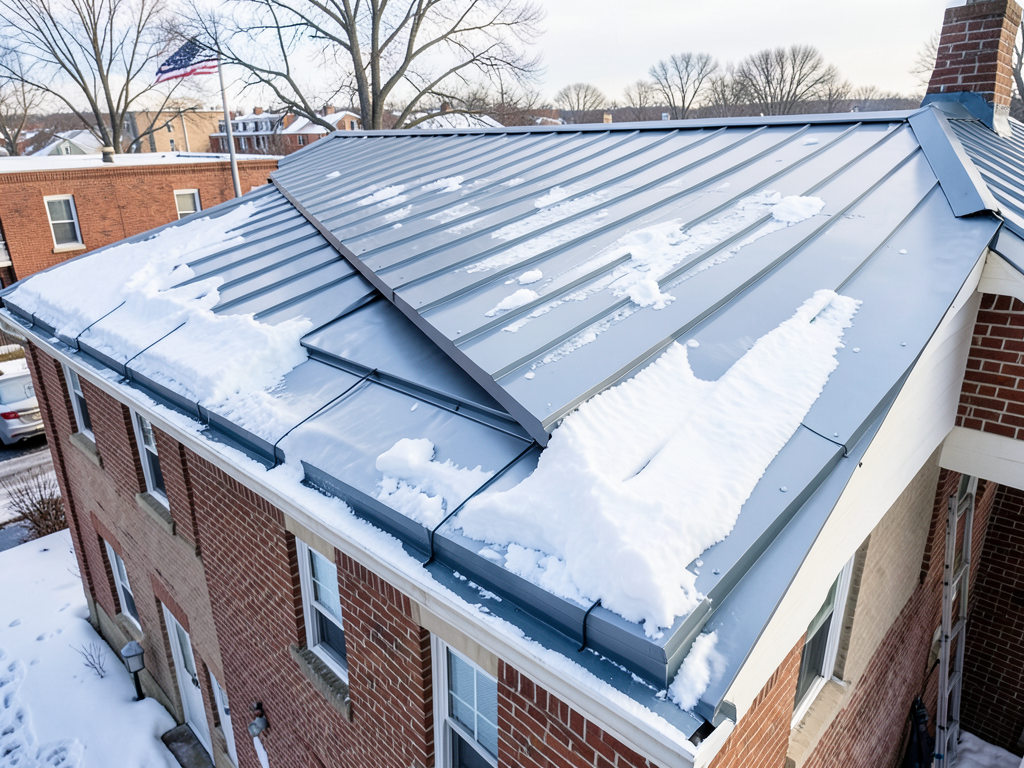
Standing seam metal roofing offers the ultimate in low maintenance for Minneapolis rental properties. These systems feature interlocking panels that eliminate exposed fasteners. Without fasteners, there are no points where water can penetrate through deteriorating seals.. Read more about Comparing TPO and PVC Roofing Systems for Commercial Buildings in the Minneapolis Warehouse District.
Metal roofing handles snow loads exceptionally well. Snow slides off smooth metal surfaces rather than accumulating. This prevents the weight buildup that stresses roof structures during heavy winters. The slick surface also reduces ice dam formation since snow cannot grip the panels.
The initial investment runs 2-3 times higher than asphalt shingles. However, metal roofing typically lasts 40-50 years compared to 20-25 years for quality asphalt. For rental properties, this means one installation instead of two or three over the building’s lifetime.
Metal roofing also provides excellent hail resistance. Steel panels dent but rarely puncture from hail impacts. Aluminum panels may show no damage at all from typical Minnesota hail stones. The smooth surface sheds debris that can accumulate on shingle roofs and cause deterioration.
EPDM Rubber Roofing for Flat Commercial Roofs
Many Dinkytown rental properties feature flat or low-slope roofs common in multi-family buildings. EPDM rubber roofing provides excellent low-maintenance performance for these applications. The synthetic rubber membrane resists UV damage, temperature extremes, and moisture penetration.
EPDM installations feature few seams compared to other flat roofing systems. Seams represent the most common failure point on flat roofs. EPDM’s large sheet sizes mean most roofs can be covered with just a few seams. When properly installed with seam tape, these connections last as long as the membrane itself.
The material handles temperature swings without the expansion and contraction that damages other flat roofing systems. EPDM remains flexible from -40 to 180 degrees Fahrenheit. This flexibility prevents the cracking that occurs when other materials cannot accommodate building movement.
Maintenance requirements are minimal. The smooth surface sheds debris and snow. Periodic cleaning removes dirt that can hold moisture against the membrane. Most EPDM roofs need only annual inspections to check for damage from falling tree branches or tenant-installed equipment.
Synthetic Slate Roofing
Synthetic slate provides the appearance of natural slate without the weight and cost. Made from recycled rubber and plastic, these tiles resist impact, moisture, and temperature extremes. They weigh approximately 25% of natural slate, eliminating the need for structural reinforcement.
The tiles resist hail damage better than natural slate. While natural slate can crack from hail impacts, synthetic versions absorb the impact without breaking. The material also handles freeze-thaw cycles without the delamination that affects natural stone products.
Installation costs run 40-50% less than natural slate. The lightweight nature reduces labor costs since workers can carry more tiles per trip up the ladder. The tiles install using standard roofing techniques rather than requiring specialized skills for natural stone.
Most synthetic slate products carry 50-year warranties. The material resists UV degradation and moisture absorption that cause natural slate to deteriorate. For rental properties, this means decades of maintenance-free performance.
Cost vs. Longevity: The Landlord’s ROI Calculator
Low-maintenance roofing decisions require understanding the total cost of ownership over the roof’s lifetime. Initial costs matter less than the combined cost of installation, maintenance, and eventual replacement. How Much Does a Full Roof Replacement Cost in Bloomington?.
The following comparison shows typical costs for a 2,000 square foot rental property roof in Minneapolis:
| Material | Initial Cost per Square | Expected Lifespan | Annualized Cost |
|---|---|---|---|
| Standard Asphalt | $350 | 15-20 years | $20-23 |
| Class 4 Shingles | $425 | 25-30 years | $14-17 |
| Standing Seam Metal | $800 | 40-50 years | $16-20 |
| Synthetic Slate | $550 | 40-50 years | $11-14 |
These figures include installation but not maintenance costs. Class 4 shingles and synthetic slate typically require minimal maintenance beyond annual inspections. Metal roofing needs periodic checks of panel connections. Standard asphalt often requires repairs every 5-7 years.
For rental properties, the calculation becomes more complex. Tenant turnover means more foot traffic on the roof for maintenance personnel. Storm damage during vacancy periods goes unnoticed until the next tenant moves in. These factors increase the true cost of ownership beyond simple material calculations.
Class 4 impact-resistant shingles often provide the best overall value for Dinkytown rental properties. They offer excellent hail protection at a reasonable price point. The insurance discounts and reduced maintenance needs typically offset the higher initial cost within 5-7 years.
Preventing Ice Dams: The Secret to Rental Longevity
Ice dams represent the biggest threat to rental property roofs in Minneapolis. These form when heat escaping from the building melts snow on the roof surface. The melted water runs down to the colder eaves where it refreezes. This creates a dam that traps additional meltwater, forcing it under shingles and into the building.
Ice dams cause ceiling stains, wall damage, and mold growth. Tenants report these issues immediately, creating emergency repair situations for property owners. The damage often extends beyond the roof to interior finishes and personal property.
Preventing ice dams requires proper attic insulation and ventilation. Minnesota building codes mandate minimum R-49 insulation in attic spaces. This prevents heat from the living space below from warming the roof deck. Ventilation requirements ensure cold air circulates through the attic, keeping the roof deck temperature consistent.
Ice and water shield installation provides additional protection. This self-adhering membrane creates a waterproof barrier along eaves, valleys, and around penetrations. Building codes require ice and water shield extending at least 24 inches past the interior wall line. For Minneapolis properties, extending this to 36 inches provides better protection.
Proper ventilation involves both intake and exhaust vents. Soffit vents draw cold air into the attic space. Ridge vents or powered exhaust fans remove warm air. This circulation prevents hot spots that melt snow unevenly. The Minnesota Department of Labor and Industry provides specific ventilation requirements based on attic square footage.
Insurance Considerations for Property Managers
Insurance companies recognize the reduced risk of impact-resistant roofing materials. Many Minnesota insurers offer premium discounts for Class 4 rated shingles. These discounts typically range from 10-15% of the annual premium. Over a 20-year roof lifespan, these savings can exceed $5,000 for a typical rental property.. Read more about Understanding the Lifespan of Different Roofing Materials in the Harsh Macalester-Groveland Climate.
Metal roofing often qualifies for similar discounts. Some insurers provide additional benefits for impact-resistant materials, such as reduced deductibles for hail damage claims. These features protect property owners from the high costs of roof repairs after major storms.
Documentation requirements vary by insurer. Most require certification from the roofing contractor showing the installed materials meet impact resistance standards. Some insurers need inspection reports from certified inspectors to verify proper installation techniques.
Beyond material selection, roof maintenance affects insurance coverage. Many policies require annual inspections to maintain coverage. Failure to perform required maintenance can void coverage for certain types of damage. This makes regular professional inspections essential for rental properties.
Maintenance-Free Options for Non-Resident Owners
Many Dinkytown rental properties have out-of-state owners who cannot respond quickly to maintenance issues. This makes truly low-maintenance roofing systems essential. The goal is minimizing the need for emergency repairs and tenant complaints.
Standing seam metal roofing provides the best solution for absentee owners. The system’s durability means few repairs are needed over its lifetime. The smooth surface prevents debris accumulation that can cause deterioration. Snow and ice removal becomes unnecessary since these slide off the slick surface.
EPDM rubber roofing offers similar benefits for flat roofs. The material resists UV damage and temperature extremes without the maintenance needs of built-up roofing systems. Seams remain watertight when properly installed, eliminating a common failure point.
Both systems benefit from annual professional inspections. These identify minor issues before they become major problems. For absentee owners, establishing a relationship with a local roofing contractor ensures prompt service when issues arise.
Smart technology adds another layer of protection. Roof leak detection systems can alert owners to moisture intrusion before tenants notice ceiling stains. These systems use sensors placed in vulnerable areas to detect water and send alerts via smartphone apps.
Local Building Code Requirements
Minneapolis building codes impose specific requirements on roofing installations. These ensure buildings can withstand local weather conditions while providing adequate ventilation and moisture control.
Ice and water shield requirements vary by roof slope and building location. Minneapolis mandates ice and water shield on all roof slopes. The shield must extend from the eave edge to at least 24 inches past the interior wall line. For buildings in high snow load areas, this extends to 36 inches.
Attic ventilation requirements follow Minnesota Department of Labor and Industry standards. These specify 1 square foot of net free ventilation area for every 300 square feet of attic floor space. Half of this must come from soffit vents and half from ridge or gable vents.
Permitting requirements apply to all roof replacements in Minneapolis. The city requires permits for any roofing project exceeding 100 square feet. This ensures compliance with local codes and allows for proper inspections during installation.
For multi-family buildings, additional requirements may apply. Fire ratings for roofing assemblies must meet specific standards. Some areas require additional underlayment for enhanced protection. Working with a contractor familiar with Minneapolis codes prevents costly compliance issues.
Making the Right Choice for Your Rental Property
The best roofing material for your Dinkytown rental property depends on several factors. Building structure, budget constraints, and ownership situation all influence the decision.
For most single-family rental properties, Class 4 impact-resistant shingles offer the best combination of durability and cost-effectiveness. They provide excellent hail protection while qualifying for insurance discounts. The material handles Minnesota’s temperature extremes without the cracking that affects standard shingles.
Multi-family properties with flat roofs benefit from EPDM rubber roofing. The material’s durability and minimal maintenance needs suit the rental business model. The large sheet sizes mean fewer seams and fewer potential leak points.
Properties with owners who cannot respond quickly to maintenance issues should consider standing seam metal roofing. The material’s longevity and minimal maintenance needs provide peace of mind for absentee owners. The smooth surface eliminates snow removal needs and reduces ice dam formation.
Regardless of material choice, proper installation proves critical. Even the best materials fail when improperly installed. Working with a contractor experienced in Minneapolis weather conditions ensures proper techniques for ice and water shield installation, ventilation, and flashing details.
The initial investment in quality roofing pays dividends through reduced maintenance costs, fewer tenant complaints, and extended roof life. For Dinkytown rental property owners, this means better cash flow and higher property values over time.
Frequently Asked Questions
How long does a typical rental property roof last in Minneapolis?
Standard asphalt shingle roofs last 15-20 years in Minneapolis due to harsh weather conditions. Impact-resistant shingles extend this to 25-30 years. Metal and synthetic slate roofing can last 40-50 years with minimal maintenance.
Are Class 4 shingles worth the extra cost for rental properties?
Yes. Class 4 shingles cost 15-20% more but qualify for insurance discounts and resist hail damage better than standard shingles. For rental properties, the reduced maintenance and fewer emergency repairs typically offset the higher initial cost within 5-7 years.
What’s the best roofing option for an absentee landlord?
Standing seam metal roofing provides the best low-maintenance option for absentee owners. The material lasts 40-50 years with minimal maintenance and eliminates snow removal needs. EPDM rubber roofing offers similar benefits for flat roofs.
How can I prevent ice dams on my rental property?
Prevent ice dams through proper attic insulation (minimum R-49), adequate ventilation (1:300 ratio), and ice and water shield installation extending 24-36 inches past interior walls. These measures keep the roof deck cold and prevent uneven snow melting.
Do I need a permit to replace my rental property roof in Minneapolis?
Yes. Minneapolis requires permits for all roof replacements exceeding 100 square feet. The permit ensures compliance with local building codes and allows for proper inspections during installation.
Can I install a new roof over the existing one?
Minneapolis building codes allow one layer of roofing material. Installing over an existing layer adds weight and prevents inspection of the roof deck. Most insurance companies also require removal of the old roof for coverage.
How often should I inspect my rental property roof?
Professional inspections should occur annually and after major storms. For rental properties, additional inspections during tenant turnover help identify issues before they become major problems. Early detection prevents costly emergency repairs.

Protect Your Rental Investment with the Right Roof
Choosing the right roofing material for your Dinkytown rental property means balancing upfront costs against long-term maintenance needs. The Minneapolis climate demands materials that can handle heavy snow, ice dams, and frequent hail storms. Your tenants expect a leak-free living space regardless of weather conditions.
Class 4 impact-resistant shingles offer the best value for most rental properties. They provide excellent hail protection while qualifying for insurance discounts that offset the higher initial cost. The material’s durability means fewer emergency repairs and happier tenants.
Don’t let roofing issues eat into your rental income. A quality roof installation from an experienced Minneapolis contractor protects your investment for decades. The right choice today prevents costly repairs tomorrow.
Ready to upgrade your rental property’s roof? Contact Keystone Roofing Minneapolis at (651) 588-9277 for a free inspection and estimate. Our team understands the unique challenges of Minneapolis rental properties and can recommend the best low-maintenance roofing solution for your building. We’ll help you protect your investment while minimizing maintenance costs and tenant disruptions.
Call us today to schedule your consultation. Your tenants will thank you, and your bottom line will improve with a roof built to handle Minnesota’s toughest weather conditions.
{
“@context”: “https://schema.org”,
“@type”: “BlogPosting”,
“headline”: “The Best Low-Maintenance Roofing Options for Dinkytown Rental Property Owners”,
“description”: “Find durable roofing materials that minimize repairs and maximize ROI for Dinkytown rental properties. Learn about impact-resistant shingles, metal roofing, and ice dam prevention.”,
“wordCount”: 2722,
“datePublished”: “2026-04-20T11:06:00.000Z”,
“dateModified”: “2026-04-20T11:06:00.000Z”,
“inLanguage”: “en-US”,
“mainEntityOfPage”: {
“@type”: “WebPage”,
“@id”: “https://keystoneroofingminneapolis.com”
},
“publisher”: {
“@type”: “LocalBusiness”,
“name”: “Keystone Roofing Minneapolis”,
“url”: “https://keystoneroofingminneapolis.com”
},
“author”: {
“@type”: “Organization”,
“name”: “Keystone Roofing Minneapolis”,
“url”: “https://keystoneroofingminneapolis.com”
},
“image”: {
“@type”: “ImageObject”,
“url”: “https://keystoneroofingminneapolis.com/wp-content/uploads/2026/03/the-best-low-maintenance-roofing-options-for-dinky-1.png”
}
}
{
“@context”: “https://schema.org”,
“@type”: “RoofingContractor”,
“name”: “Keystone Roofing Minneapolis”,
“url”: “https://keystoneroofingminneapolis.com”,
“address”: {
“@type”: “PostalAddress”,
“addressLocality”: “Minneapolis”
},
“areaServed”: {
“@type”: “City”,
“name”: “Minneapolis”
}
}
{
“@context”: “https://schema.org”,
“@type”: “FAQPage”,
“mainEntity”: [
{
“@type”: “Question”,
“name”: “How long does a typical rental property roof last in Minneapolis?”,
“acceptedAnswer”: {
“@type”: “Answer”,
“text”: “Standard asphalt shingle roofs last 15-20 years in Minneapolis due to harsh weather conditions. Impact-resistant shingles extend this to 25-30 years. Metal and synthetic slate roofing can last 40-50 years with minimal maintenance.”
}
},
{
“@type”: “Question”,
“name”: “Are Class 4 shingles worth the extra cost for rental properties?”,
“acceptedAnswer”: {
“@type”: “Answer”,
“text”: “Yes. Class 4 shingles cost 15-20% more but qualify for insurance discounts and resist hail damage better than standard shingles. For rental properties, the reduced maintenance and fewer emergency repairs typically offset the higher initial cost within 5-7 years.”
}
},
{
“@type”: “Question”,
“name”: “What’s the best roofing option for an absentee landlord?”,
“acceptedAnswer”: {
“@type”: “Answer”,
“text”: “Standing seam metal roofing provides the best low-maintenance option for absentee owners. The material lasts 40-50 years with minimal maintenance and eliminates snow removal needs. EPDM rubber roofing offers similar benefits for flat roofs.”
}
},
{
“@type”: “Question”,
“name”: “How can I prevent ice dams on my rental property?”,
“acceptedAnswer”: {
“@type”: “Answer”,
“text”: “Prevent ice dams through proper attic insulation (minimum R-49), adequate ventilation (1:300 ratio), and ice and water shield installation extending 24-36 inches past interior walls. These measures keep the roof deck cold and prevent uneven snow melting.”
}
},
{
“@type”: “Question”,
“name”: “Do I need a permit to replace my rental property roof in Minneapolis?”,
“acceptedAnswer”: {
“@type”: “Answer”,
“text”: “Yes. Minneapolis requires permits for all roof replacements exceeding 100 square feet. The permit ensures compliance with local building codes and allows for proper inspections during installation.”
}
},
{
“@type”: “Question”,
“name”: “Can I install a new roof over the existing one?”,
“acceptedAnswer”: {
“@type”: “Answer”,
“text”: “Minneapolis building codes allow one layer of roofing material. Installing over an existing layer adds weight and prevents inspection of the roof deck. Most insurance companies also require removal of the old roof for coverage.”
}
},
{
“@type”: “Question”,
“name”: “How often should I inspect my rental property roof?”,
“acceptedAnswer”: {
“@type”: “Answer”,
“text”: “Professional inspections should occur annually and after major storms. For rental properties, additional inspections during tenant turnover help identify issues before they become major problems. Early detection prevents costly emergency repairs.”
}
}
]
}
{
“@context”: “https://schema.org”,
“@type”: “BreadcrumbList”,
“itemListElement”: [
{
“@type”: “ListItem”,
“position”: 1,
“name”: “Home”,
“item”: “https://keystoneroofingminneapolis.com”
},
{
“@type”: “ListItem”,
“position”: 2,
“name”: “Blog”,
“item”: “https://keystoneroofingminneapolis.com/blog”
},
{
“@type”: “ListItem”,
“position”: 3,
“name”: “The Best Low-Maintenance Roofing Options for Dinkytown Rental Property Owners”
}
]
}
{
“@context”: “https://schema.org”,
“@type”: “Service”,
“serviceType”: “Roofing”,
“provider”: {
“@type”: “LocalBusiness”,
“name”: “Keystone Roofing Minneapolis”,
“url”: “https://keystoneroofingminneapolis.com”
},
“areaServed”: {
“@type”: “City”,
“name”: “Minneapolis”
},
“description”: “Find durable roofing materials that minimize repairs and maximize ROI for Dinkytown rental properties. Learn about impact-resistant shingles, metal roofing, and ice dam prevention.”
}
