
Identifying Shingle Blistering on Your Brooklyn Park Home and Why it Happens
You walk outside after a hot summer day in Brooklyn Park and notice strange raised bumps on your roof. Are these hail damage marks or something else? Shingle blistering can look similar to hail damage but has completely different causes and consequences for your wallet. Storm Damage Roof Inspections in Plymouth – What to Look for After a Major Storm.
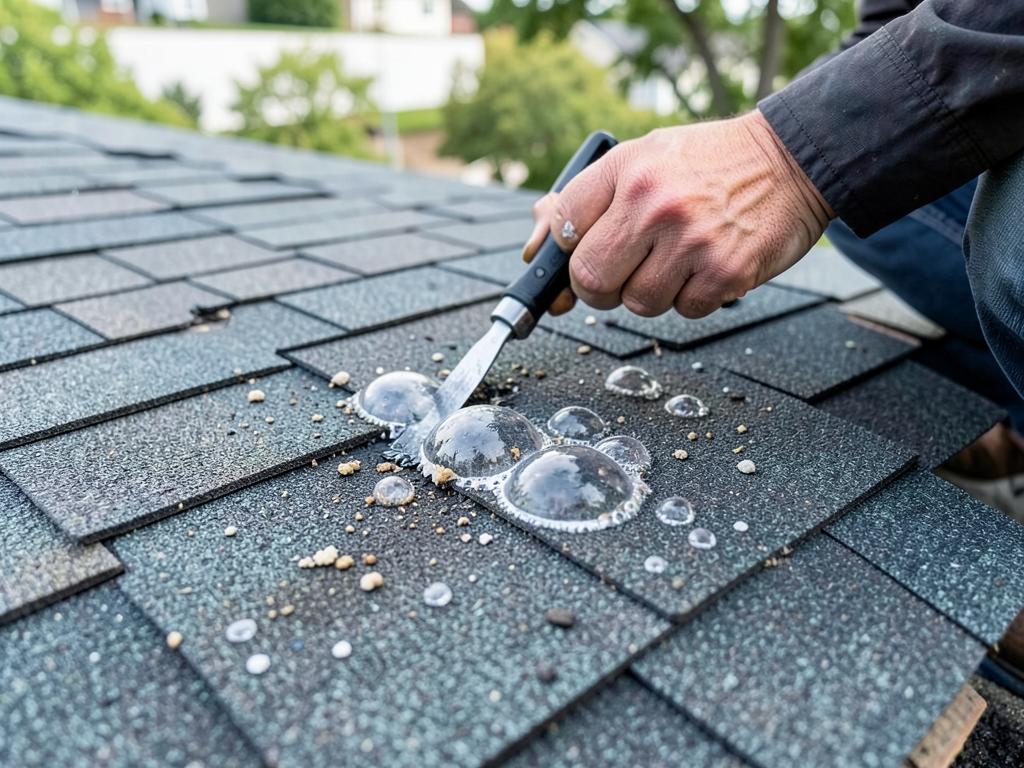
Blistering occurs when moisture becomes trapped between layers of asphalt shingles during manufacturing or when your attic overheats. Unlike hail damage which shows up as random circular dents from ice impact, blistering creates uniform raised areas that feel hard when touched. Understanding this difference matters because hail damage typically qualifies for insurance coverage while blistering often falls under maintenance issues.. Read more about How Poor Roof Ventilation Leads to Attic Mold in Your New Brighton Home.
Brooklyn Park homes face unique challenges with blistering due to our extreme Minnesota temperature swings. Hot summer days followed by cool nights create perfect conditions for thermal expansion and contraction in roofing materials. Combined with poor attic ventilation common in older homes throughout the area, blistering becomes a frequent issue that homeowners need to recognize early. Trusted Roofing Contractors in St. Louis Park for Shingle Replacement.
What Causes Shingle Blistering in Minnesota Homes
Shingle blistering develops through several mechanisms that are particularly relevant to the Minneapolis climate. The primary cause involves moisture becoming trapped during the shingle manufacturing process. When these moisture pockets heat up on your roof, they expand and create raised bubbles that eventually break open, losing protective granules.
Attic ventilation plays a massive role in blistering development. Homes in Brooklyn Park and surrounding areas often have inadequate ventilation systems that trap heat in the attic space. During summer months when temperatures soar, this trapped heat bakes the underside of shingles, causing moisture pockets to expand and create blisters. Poor ventilation also leads to ice dam formation in winter, creating a year-round problem for homeowners.. Read more about Signs Your Attic Insulation is Failing and Destroying Your New Brighton Roof.
Low-quality shingles or those past their warranty period become more susceptible to blistering. The asphalt composition breaks down over time, especially when exposed to Minnesota’s UV radiation and freeze-thaw cycles. Homes built between the 1970s and 1990s in neighborhoods like Park Place and Willow Grove often have original shingles reaching the end of their lifespan, making them prime candidates for blistering issues.
How to Identify Shingle Blistering vs. Hail Damage
Visual identification requires understanding key differences between these two types of roof damage. Blistering creates raised areas that feel firm to the touch, almost like small domes on the shingle surface. The granules around these areas often appear loose or missing, but the damage pattern follows a somewhat uniform distribution across the roof surface.
Hail damage presents completely differently. Ice pellets create random circular indentations that feel soft or bruised when pressed. You might notice a shiny or exposed fiberglass mat where granules have been knocked away by the hail impact. The damage pattern appears random rather than uniform, concentrated in areas that took direct hits during the storm.
The location and timing provide additional clues. Blistering typically develops over time and worsens during heat waves, while hail damage appears suddenly after a storm event. If you notice damage appearing gradually during summer months, especially in areas with poor attic ventilation, blistering becomes the more likely culprit.
Side-by-Side Comparison of Blistering and Hail Damage
| Characteristic | Shingle Blistering | Hail Damage |
|---|---|---|
| Pattern | Uniform distribution across roof surface | Random pattern concentrated in storm path |
| Touch Feel | Hard, raised bubbles that feel firm | Soft, bruised areas that feel spongy |
| Granule Loss | Granules loosen from internal pressure | Granules knocked away by ice impact |
| Development Time | Gradual over months or years | Sudden after specific storm event |
| Insurance Coverage | Typically not covered as maintenance issue | Often covered as storm damage |
The Impact of Minneapolis Climate on Roof Blistering
Minnesota’s climate creates perfect conditions for shingle blistering through extreme temperature variations. Summer temperatures regularly exceed 90 degrees Fahrenheit while winter nights can drop well below zero. This 100-degree temperature swing causes constant expansion and contraction of roofing materials, stressing the asphalt composition and creating conditions where moisture pockets expand.
Humidity levels in the Twin Cities area also contribute to blistering problems. High summer humidity means more moisture in the air that can become trapped during shingle manufacturing or accumulate in poorly ventilated attics. When this moisture heats up, it creates the internal pressure needed to form blisters.
Recent weather patterns in Brooklyn Park and surrounding areas have intensified these issues. The increased frequency of heat waves over the past decade means more days where roof surface temperatures exceed 150 degrees Fahrenheit. Homes in neighborhoods like Edinburgh and Noble Parkway with older ventilation systems struggle to dissipate this heat, accelerating blister formation on asphalt shingles.
Professional Inspection: The Only Way to Be Certain
While visual identification helps homeowners understand potential issues, professional inspection remains the only reliable way to determine if you have blistering or hail damage. Roofing contractors use specific diagnostic tools and techniques to assess the extent and cause of roof damage accurately.
During a professional inspection, technicians examine multiple factors beyond just the visible surface damage. They assess attic ventilation systems, check for proper insulation, and evaluate the overall roof age and condition. This comprehensive approach helps determine whether blistering represents a minor cosmetic issue or indicates serious ventilation problems requiring immediate attention.
Insurance companies typically require professional documentation before processing claims for hail damage. A certified roofing inspector can provide the detailed reports needed to support insurance claims, including measurements, photographs, and assessments of functional versus cosmetic damage. This documentation becomes crucial when dealing with insurance adjusters who may be skeptical of hail damage claims.
Steps to Take When You Spot Potential Blistering
- Document the Damage
Take clear photos of the affected areas from the ground using a zoom lens. Note when you first observed the damage and any weather conditions preceding its appearance.
- Check Your Attic Ventilation
Examine attic vents for blockages and ensure proper airflow. Poor ventilation often indicates the root cause of blistering problems.
- Schedule Professional Inspection
Contact a licensed Minnesota roofing contractor for comprehensive assessment. Professional evaluation determines if damage affects roof functionality.
- Review Warranty Coverage
Check your shingle manufacturer warranty for coverage details. Some warranties cover blistering if it occurs within specified timeframes.
- Consider Repair vs. Replacement
Minor blistering may only require spot repairs, while extensive damage could necessitate full roof replacement. EPA ventilation guidelines.
Preventing Future Blistering Problems
Prevention focuses on addressing the root causes of blistering rather than just treating symptoms. Improving attic ventilation represents the most effective long-term solution for Brooklyn Park homeowners. Proper ventilation systems help regulate attic temperatures and prevent the heat buildup that causes moisture pockets to expand.
Installing additional ridge vents or improving existing ventilation systems can significantly reduce blistering risk. Homes in older neighborhoods like Park Place often benefit from modern ventilation upgrades that weren’t required when the homes were built. These improvements not only prevent blistering but also reduce energy costs and prevent ice dam formation.
Choosing high-quality shingles with better UV resistance and moisture protection helps prevent blistering even in challenging Minnesota conditions. When replacing your roof, discuss ventilation options and shingle quality with your contractor. Premium shingles may cost more initially but provide better protection against blistering and other weather-related damage over time. Choosing the Right Cedar Shake Contractor for Your Minnetonka Home.
Understanding Insurance and Warranty Implications
The distinction between blistering and hail damage has significant financial implications for homeowners. Hail damage typically qualifies for insurance coverage as a sudden, accidental event. Insurance adjusters recognize hail damage as a legitimate claim that often results in full or partial roof replacement coverage. How Much Does a Full Roof Replacement Cost in Bloomington?.
Blistering generally falls under maintenance issues that homeowners must address without insurance assistance. Insurance companies view blistering as a gradual deterioration problem rather than sudden damage. This classification means homeowners bear the full cost of repairs or replacement when dealing with blistering issues. Expert Flat Roof Repair Services for Uptown Businesses and Modern Lofts.
Warranty coverage varies significantly between manufacturers and specific circumstances. Some shingle manufacturers provide limited warranties that cover blistering if it occurs within the warranty period and meets specific criteria. Understanding your warranty terms helps determine whether replacement costs fall on the manufacturer, homeowner, or require additional investigation.
Local Building Code Considerations
Minneapolis and surrounding suburbs have specific building code requirements that affect how roofing problems get addressed. Minnesota building codes require minimum ventilation standards that, when not met, can contribute to blistering problems. Homes built before current codes may need upgrades to meet modern ventilation requirements.
Local municipalities like Brooklyn Park enforce these codes during roof replacement projects. When replacing a roof, contractors must ensure the ventilation system meets current standards, which may require additional work beyond simple shingle replacement. These requirements protect homeowners from future problems but add to initial replacement costs.
Understanding these local requirements helps homeowners make informed decisions about repairs and replacements. Working with contractors familiar with Brooklyn Park and Minneapolis building codes ensures your roof project meets all local requirements while addressing blistering and other roofing issues effectively.
Frequently Asked Questions
How can I tell if my roof damage is blistering or hail damage?
Blistering creates uniform raised areas that feel hard when touched, while hail damage shows random circular dents that feel soft or bruised. Blistering develops gradually over time, especially during hot weather, while hail damage appears suddenly after storms.
Will my insurance cover shingle blistering?
Most insurance policies do not cover blistering because it’s considered a maintenance issue rather than sudden damage. Hail damage is typically covered as a storm-related event, but you’ll need professional documentation to support your claim.
How long does it take for blistering to cause roof leaks?
Minor blistering may never cause leaks, but severe blistering that breaks open can lead to water infiltration within months. The timeline depends on the extent of damage and local weather conditions.
Can I repair just the blistered shingles or do I need a full replacement?
Small areas of blistering can often be repaired by replacing individual shingles. However, widespread blistering or damage combined with poor ventilation may require full roof replacement for long-term solutions.
What causes blistering in newer roofs?
Even newer roofs can develop blistering due to manufacturing defects, poor attic ventilation, or installation issues. Homes in Brooklyn Park with complex roof designs may have ventilation problems that contribute to early blistering development.
Take Action Before Minor Blistering Becomes Major Damage
Identifying shingle blistering early helps you make informed decisions about roof repairs and prevents small problems from becoming expensive emergencies. If you notice raised areas on your Brooklyn Park home’s roof, don’t wait for leaks to appear. Document what you see and contact a local roofing professional for thorough evaluation.
Professional inspection determines whether you’re dealing with simple blistering requiring ventilation improvements or hail damage that might qualify for insurance coverage. Either way, understanding the specific type of damage helps you choose the most cost-effective solution for protecting your home.
Ready to get your roof professionally evaluated? Call Keystone Roofing Minneapolis today at (651) 588-9277 for a comprehensive inspection. Our local experts understand Brooklyn Park’s unique climate challenges and can provide clear recommendations for addressing blistering or any other roofing concerns you may have. Don’t let roof damage compromise your home’s protection – take action now. For more information, visit National Roofing Contractors Association.
{
“@context”: “https://schema.org”,
“@type”: “BlogPosting”,
“headline”: “Identifying Shingle Blistering on Your Brooklyn Park Home and Why it Happens”,
“description”: “Learn to spot shingle blistering on your Brooklyn Park home. Understand the causes, differences from hail damage, and why Minneapolis weather makes it common.”,
“wordCount”: 1908,
“datePublished”: “2026-04-26T07:57:00.000Z”,
“dateModified”: “2026-04-26T07:57:00.000Z”,
“inLanguage”: “en-US”,
“mainEntityOfPage”: {
“@type”: “WebPage”,
“@id”: “https://keystoneroofingminneapolis.com”
},
“publisher”: {
“@type”: “LocalBusiness”,
“name”: “Keystone Roofing Minneapolis”,
“url”: “https://keystoneroofingminneapolis.com”
},
“author”: {
“@type”: “Organization”,
“name”: “Keystone Roofing Minneapolis”,
“url”: “https://keystoneroofingminneapolis.com”
},
“image”: {
“@type”: “ImageObject”,
“url”: “https://keystoneroofingminneapolis.com/wp-content/uploads/2026/03/identifying-shingle-blistering-on-your-brooklyn-pa-1.png”
}
}
{
“@context”: “https://schema.org”,
“@type”: “RoofingContractor”,
“name”: “Keystone Roofing Minneapolis”,
“url”: “https://keystoneroofingminneapolis.com”,
“address”: {
“@type”: “PostalAddress”,
“addressLocality”: “Minneapolis”
},
“areaServed”: {
“@type”: “City”,
“name”: “Minneapolis”
}
}
{
“@context”: “https://schema.org”,
“@type”: “FAQPage”,
“mainEntity”: [
{
“@type”: “Question”,
“name”: “How can I tell if my roof damage is blistering or hail damage?”,
“acceptedAnswer”: {
“@type”: “Answer”,
“text”: “Blistering creates uniform raised areas that feel hard when touched, while hail damage shows random circular dents that feel soft or bruised. Blistering develops gradually over time, especially during hot weather, while hail damage appears suddenly after storms.”
}
},
{
“@type”: “Question”,
“name”: “Will my insurance cover shingle blistering?”,
“acceptedAnswer”: {
“@type”: “Answer”,
“text”: “Most insurance policies do not cover blistering because it’s considered a maintenance issue rather than sudden damage. Hail damage is typically covered as a storm-related event, but you’ll need professional documentation to support your claim.”
}
},
{
“@type”: “Question”,
“name”: “How long does it take for blistering to cause roof leaks?”,
“acceptedAnswer”: {
“@type”: “Answer”,
“text”: “Minor blistering may never cause leaks, but severe blistering that breaks open can lead to water infiltration within months. The timeline depends on the extent of damage and local weather conditions.”
}
},
{
“@type”: “Question”,
“name”: “Can I repair just the blistered shingles or do I need a full replacement?”,
“acceptedAnswer”: {
“@type”: “Answer”,
“text”: “Small areas of blistering can often be repaired by replacing individual shingles. However, widespread blistering or damage combined with poor ventilation may require full roof replacement for long-term solutions.”
}
},
{
“@type”: “Question”,
“name”: “What causes blistering in newer roofs?”,
“acceptedAnswer”: {
“@type”: “Answer”,
“text”: “Even newer roofs can develop blistering due to manufacturing defects, poor attic ventilation, or installation issues. Homes in Brooklyn Park with complex roof designs may have ventilation problems that contribute to early blistering development.”
}
}
]
}
{
“@context”: “https://schema.org”,
“@type”: “HowTo”,
“name”: “How to Address Shingle Blistering”,
“step”: [
{
“@type”: “HowToStep”,
“position”: 1,
“name”: “Document the Damage”,
“text”: “Take clear photos of the affected areas from the ground using a zoom lens. Note when you first observed the damage and any weather conditions preceding its appearance.”
},
{
“@type”: “HowToStep”,
“position”: 2,
“name”: “Check Your Attic Ventilation”,
“text”: “Examine attic vents for blockages and ensure proper airflow. Poor ventilation often indicates the root cause of blistering problems.”
},
{
“@type”: “HowToStep”,
“position”: 3,
“name”: “Schedule Professional Inspection”,
“text”: “Contact a licensed Minnesota roofing contractor for comprehensive assessment. Professional evaluation determines if damage affects roof functionality.”
},
{
“@type”: “HowToStep”,
“position”: 4,
“name”: “Review Warranty Coverage”,
“text”: “Check your shingle manufacturer warranty for coverage details. Some warranties cover blistering if it occurs within specified timeframes.”
},
{
“@type”: “HowToStep”,
“position”: 5,
“name”: “Consider Repair vs. Replacement”,
“text”: “Minor blistering may only require spot repairs, while extensive damage could necessitate full roof replacement. EPA ventilation guidelines.”
}
],
“image”: “https://keystoneroofingminneapolis.com/wp-content/uploads/2026/03/identifying-shingle-blistering-on-your-brooklyn-pa-1.png”
}
{
“@context”: “https://schema.org”,
“@type”: “BreadcrumbList”,
“itemListElement”: [
{
“@type”: “ListItem”,
“position”: 1,
“name”: “Home”,
“item”: “https://keystoneroofingminneapolis.com”
},
{
“@type”: “ListItem”,
“position”: 2,
“name”: “Blog”,
“item”: “https://keystoneroofingminneapolis.com/blog”
},
{
“@type”: “ListItem”,
“position”: 3,
“name”: “Identifying Shingle Blistering on Your Brooklyn Park Home and Why it Happens”
}
]
}
{
“@context”: “https://schema.org”,
“@type”: “Service”,
“serviceType”: “Roofing”,
“provider”: {
“@type”: “LocalBusiness”,
“name”: “Keystone Roofing Minneapolis”,
“url”: “https://keystoneroofingminneapolis.com”
},
“areaServed”: {
“@type”: “City”,
“name”: “Minneapolis”
},
“description”: “Learn to spot shingle blistering on your Brooklyn Park home. Understand the causes, differences from hail damage, and why Minneapolis weather makes it common.”
}
