
How Lake Minnetonka Moisture Affects the Lifespan of Your Shingles
Living on Lake Minnetonka means waking up to stunning water views and cool lake breezes. But those same breezes carry moisture that can silently attack your roof year after year. The unique microclimate around the lake creates conditions that inland homes never face.
High humidity levels near the water mean your shingles stay damp longer after rain. Morning fog rolls off the lake and settles on your roof. These constant moisture cycles weaken asphalt shingles faster than homes even a few blocks inland. You might notice black streaks or moss growth before your neighbors do.
Wind patterns around Lake Minnetonka also play a major role. Open water allows wind to build speed without obstruction. Those gusts drive rain under shingles and lift edges where adhesive strips have weakened from moisture exposure. The combination of wind and water creates a perfect storm for roof damage. Storm Damage Roof Inspections in Plymouth – What to Look for After a Major Storm.
Understanding these lake-specific challenges helps you make smarter decisions about materials and maintenance. Your lakefront home deserves protection designed for its environment, not generic solutions that work fine in drier neighborhoods.
Why Lake Minnetonka Homes Face Unique Moisture Challenges
Lake Minnetonka creates its own weather patterns. The large body of water moderates temperatures but also increases humidity levels dramatically compared to surrounding areas. During summer months, humidity near the lake often reaches 80-90% while areas just a few miles inland stay closer to 60-70%.
This moisture difference matters because asphalt shingles absorb water vapor from the air. When humidity stays high, shingles never fully dry out between storms. The constant dampness breaks down the fiberglass mat and asphalt coating over time. You might see curling edges or granule loss years earlier than expected.
Winter brings different but equally damaging moisture problems. Lake effect snow falls heavier near the shoreline. When that snow melts during daytime thaws, water can back up under shingles if your roof edge isn’t properly protected. Ice dams form more readily when warm lake air meets cold winter temperatures.
Tree cover around many lakefront properties adds another moisture factor. Dense canopy keeps areas shaded and slows evaporation. Leaves and pine needles trap moisture against the roof surface. This organic debris creates perfect conditions for algae and moss growth that further damages shingles.
Comparing Lakefront vs Inland Shingle Performance
| Factor | Lakefront Homes | Inland Homes |
|---|---|---|
| Average Humidity | 75-90% | 55-70% |
| Moisture Retention | High | Low |
| Algae Growth Rate | Rapid | Slow |
| Ice Dam Frequency | Higher | Lower |
| Wind Uplift Exposure | High | Moderate |
| Typical Shingle Lifespan | 15-20 years | 20-25 years |
The data shows why lakefront homes need different approaches to roofing. Standard installation methods that work fine inland often fail prematurely near water. Trusted Roofing Contractors in St. Louis Park for Shingle Replacement.
Common Moisture-Related Problems on Lake Minnetonka
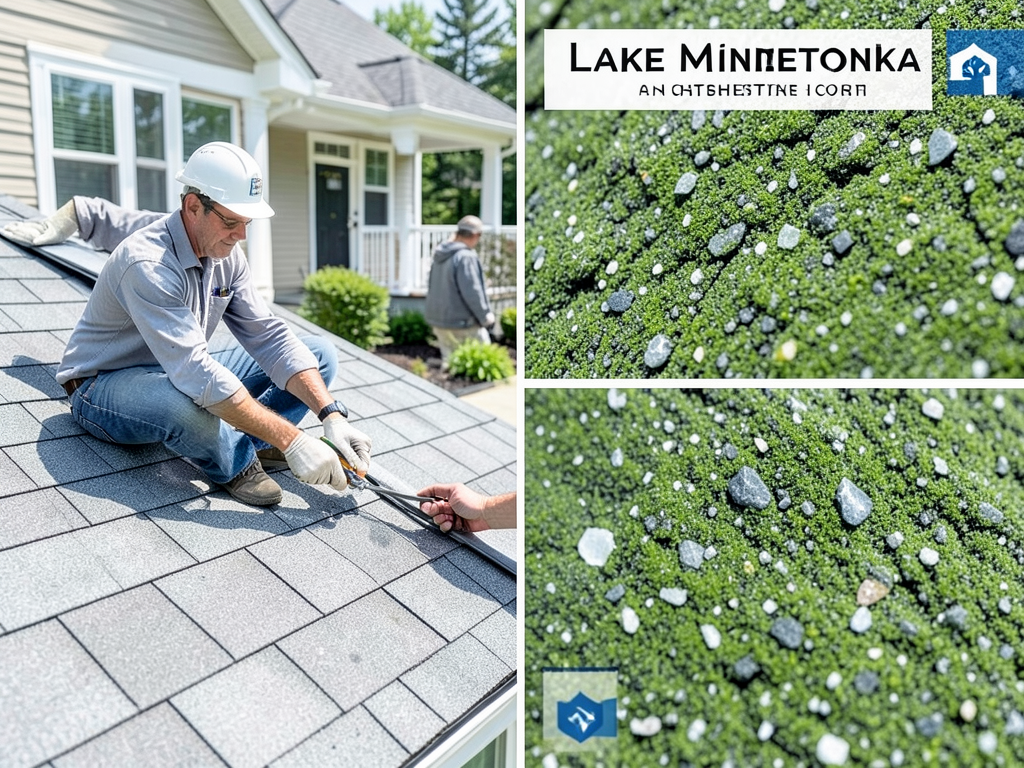
Black streaks running down your roof aren’t just cosmetic issues. Those dark lines are actually algae called Gloeocapsa magma that thrives in moist environments. The algae feed on limestone filler in asphalt shingles and can spread rapidly in lakefront conditions.
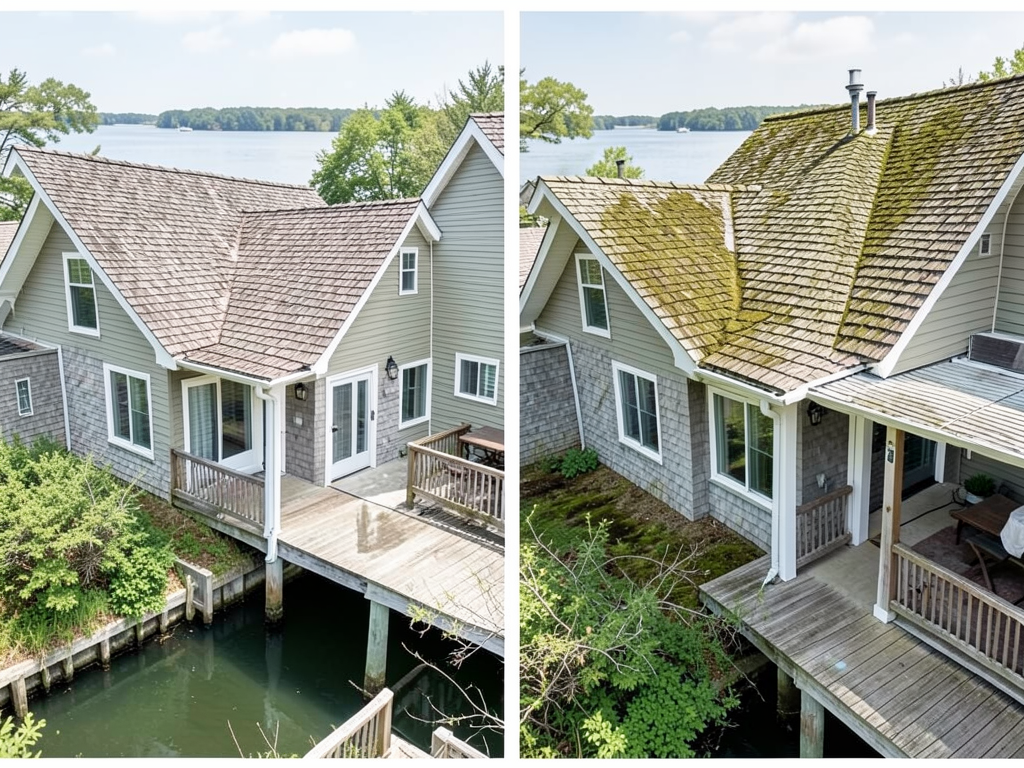
Moss presents another serious threat. Unlike algae that just discolors shingles, moss grows roots into the shingle surface. These roots lift shingle edges and create entry points for water. Moss holds moisture against the roof for extended periods, accelerating deterioration underneath.
Lichen forms when algae and fungus combine. This crusty growth attaches firmly to shingles and requires scraping to remove. The removal process often damages shingle granules, reducing their protective capabilities.
Wood rot affects roof structures when moisture penetrates underlayment. The constant dampness weakens roof decking and support structures. By the time you notice sagging or soft spots, significant damage has already occurred.
Best Materials for Lakefront Moisture Resistance
Choosing the right materials makes a huge difference in how long your roof lasts near Lake Minnetonka. Standard 3-tab shingles often fail within 10-15 years in these conditions. Premium materials cost more upfront but save money over time. Choosing the Right Cedar Shake Contractor for Your Minnetonka Home.
Architectural shingles with algae-resistant technology work well for many lakefront homes. These shingles contain copper or zinc granules that inhibit algae growth. The heavier weight also resists wind uplift better than basic options.
Cedar shakes offer natural beauty but require careful treatment for lakefront conditions. The wood needs regular cleaning and treatment to prevent moss and algae growth. When properly maintained, cedar can last 30+ years even in moist environments.
Synthetic slate provides excellent moisture resistance with authentic appearance. These polymer-based materials won’t absorb water like natural slate or wood. They resist algae growth and handle freeze-thaw cycles without cracking.
Metal roofing works exceptionally well near water. Steel or aluminum panels shed moisture quickly and resist algae growth. The smooth surface prevents organic debris from sticking. Metal also handles high winds common around the lake.
Installation Techniques That Combat Moisture
Proper installation makes as much difference as material choice. Even premium shingles fail quickly if installed incorrectly for lakefront conditions.
Ice and water shield installation requires extra attention near Lake Minnetonka. This waterproof membrane should extend further up the roof slope than standard practices recommend. The additional coverage protects against wind-driven rain and ice dam backup.
Ventilation systems need careful design for humid environments. Ridge vents work better than box vents in lakefront conditions because they allow continuous airflow along the entire roof peak. Proper ventilation prevents moisture buildup in the attic that can damage shingles from below.
Flashing details matter more near water. Roof-to-wall connections need extra waterproofing layers. Valley flashing should use ice and water shield underneath rather than just roofing felt. These details prevent water intrusion during heavy storms.
Nail placement affects wind resistance significantly. Six nails per shingle instead of four provides better hold against lake winds. Stainless steel nails resist corrosion better than standard galvanized options in moist environments.
Maintenance Strategies for Lakefront Roofs
Regular maintenance extends shingle life dramatically near Lake Minnetonka. Most lakefront homeowners should inspect their roofs twice yearly rather than annually.
Spring maintenance focuses on winter damage assessment. Check for lifted shingles, damaged flashing, or ice dam effects. Clean gutters thoroughly since spring rains come quickly and need clear drainage paths.
Fall maintenance prepares for winter challenges. Remove leaves and pine needles that trap moisture. Check ventilation to ensure proper airflow before cold weather arrives. Address any minor issues before they worsen under snow load. EPA ventilation guidelines.
Professional cleaning every 2-3 years helps prevent algae and moss buildup. Soft washing works better than pressure washing for removing organic growth without damaging shingles. The cleaning solution should include algaecide to slow regrowth.
Prompt repairs prevent small problems from becoming major expenses. A single lifted shingle can let water damage spread quickly in humid conditions. Addressing issues immediately saves significant money over time. Expert Flat Roof Repair Services for Uptown Businesses and Modern Lofts.
Understanding Local Building Requirements
Minnetonka follows Minnesota State Building Code requirements but also has local considerations for lakefront properties. Understanding these requirements helps ensure your roof meets all necessary standards.
Ice and water shield requirements under Minnesota code mandate coverage for the first 24 inches upslope from exterior walls. However, lakefront homes often benefit from extending this coverage to 36 inches or more due to increased moisture exposure.
Ventilation requirements specify minimum net free area based on attic floor space. Lakefront homes may need additional ventilation to handle higher humidity levels. Proper ventilation prevents moisture buildup that damages both shingles and roof structures.
Wind uplift requirements classify roofs by location and building height. Properties near Lake Minnetonka often fall into higher wind zones due to open water exposure. This classification affects fastener requirements and material specifications.
Permitting processes in Minnetonka require detailed plans for roof replacements. The city reviews proposals to ensure compliance with local ordinances and state codes. Working with experienced contractors familiar with these requirements streamlines the process. How Much Does a Full Roof Replacement Cost in Bloomington?.
Cost Factors for Lakefront Roofing Projects
Lakefront roofing projects typically cost 15-30% more than comparable inland homes. Several factors drive these higher costs.
Material costs increase because premium moisture-resistant products cost more than standard options. Architectural shingles might cost $30-50 per square versus $20-30 for basic 3-tab products. The extended lifespan often justifies the higher initial investment.
Labor costs rise due to additional installation steps required for proper lakefront protection. Ice and water shield installation takes longer than basic felt paper. Extra flashing details and ventilation improvements add time to the project.
Access challenges affect pricing for some lakefront properties. Steep slopes, limited parking, or difficult terrain can increase labor time and equipment needs. Properties with complex rooflines require more detailed work.
Permit fees and inspections add administrative costs. Minnetonka’s review process ensures quality but requires additional documentation and coordination. These steps protect homeowners but add to project timelines.
Warning Signs Your Roof Needs Attention
Recognizing early warning signs helps prevent major damage to your lakefront home. Several indicators suggest your roof needs professional assessment.
Curling or buckling shingles indicate moisture damage underneath. When shingles lose their flat profile, they can’t shed water effectively. This problem often starts at roof edges where wind-driven rain hits hardest.
Granule loss shows up as coarse sand in gutters or bald spots on shingles. These protective granules shield asphalt from UV damage. Once they disappear, shingles deteriorate much faster.
Algae or moss growth signals excessive moisture retention. Dark streaks or green patches mean your roof stays damp enough to support organic growth. This moisture also damages shingles even if you can’t see the effects immediately.
Interior water stains indicate roof failure. Brown spots on ceilings or walls mean water penetrates your roof system. By the time stains appear, damage often extends beyond just the roof surface.
Higher energy bills can indicate ventilation problems. Poor attic ventilation causes heat buildup in summer and moisture problems in winter. These issues stress your HVAC system and can damage shingles from below.
Professional Assessment Benefits
Professional roof inspections provide valuable insights specific to lakefront conditions. Experienced contractors understand how moisture affects different areas of your roof.
Infrared scanning detects moisture trapped under shingles that visual inspection misses. This technology shows exactly where water collects and helps target repairs effectively. Early detection prevents widespread damage.
Wind uplift testing evaluates fastener effectiveness. High winds around Lake Minnetonka can stress shingle attachment points. Testing identifies weak areas before storms cause failures.
Ventilation assessment ensures your system handles local humidity levels. Proper airflow prevents moisture buildup that damages shingles and roof structures. Many lakefront homes need ventilation upgrades even with newer roofs.
Material analysis helps determine if your current shingles suit lakefront conditions. Some products perform well inland but fail prematurely near water. Professional assessment guides replacement decisions.
Long-Term Protection Strategies
Protecting your lakefront investment requires ongoing attention to moisture management. Several strategies help maximize your roof’s lifespan.
Annual professional inspections catch problems early when repairs cost less. Spring inspections assess winter damage while fall inspections prepare for upcoming challenges. This twice-yearly schedule works better than annual checks for lakefront homes.
Prompt repairs prevent small issues from spreading. A single damaged shingle can let water under surrounding materials. Quick action contains damage and reduces repair costs.
Gutter maintenance prevents water backup that damages roof edges. Clean gutters handle spring rains and fall leaf drop effectively. Consider gutter guards if trees surround your property.
Tree trimming reduces shade and organic debris on your roof. While trees provide beautiful lake views, overhanging branches trap moisture and drop leaves. Strategic pruning balances aesthetics with roof protection.
Ventilation upgrades improve moisture control throughout your home. Proper attic airflow prevents condensation that damages shingles from below. Consider adding powered vents if natural airflow proves insufficient.
Making Smart Replacement Decisions
When replacement becomes necessary, lakefront homeowners should consider several factors beyond basic cost comparisons.
Material warranties vary significantly between manufacturers. Some premium products offer 30-50 year warranties specifically addressing algae resistance and wind uplift. These warranties provide long-term protection for your investment.
Installation quality affects warranty coverage. Many manufacturers require certified installers to maintain full warranty benefits. Choosing experienced lakefront contractors ensures proper installation techniques.
Energy efficiency improvements can offset replacement costs. Modern shingles with reflective properties reduce cooling costs during humid summers. Better ventilation also improves HVAC efficiency year-round.
Aesthetic considerations matter for lakefront properties. Your roof contributes significantly to curb appeal and property value. Choose materials that complement your home’s architecture and neighborhood character.
Environmental impact varies by material choice. Some synthetic products offer recycled content and longer lifespans, reducing landfill waste. Metal roofing provides excellent recyclability at end of life.
Frequently Asked Questions
How much does lakefront moisture really shorten shingle life?
Moisture exposure near Lake Minnetonka typically reduces shingle lifespan by 5-10 years compared to inland homes. Standard 25-year shingles might last only 15-20 years in these conditions. Premium materials with algae resistance can narrow this gap significantly.
Can I clean algae streaks myself?
DIY cleaning risks damaging shingles through improper pressure or harsh chemicals. Professional soft washing uses appropriate solutions and techniques that clean without harm. The cost typically ranges $300-600 for an average lakefront home.
Do I need special permits for lakefront roof replacement?
Minnetonka requires standard building permits for roof replacements. Lakefront properties may face additional review if visible from the water or in designated shoreline districts. Your contractor should handle permitting requirements as part of the project.
What’s the best time of year for lakefront roof work?
Late spring through early fall offers ideal conditions for roof replacement. Avoid the June-July rainy season when possible. Fall work should finish before November to prevent winter installation challenges.
How can I tell if my ventilation is adequate?
Signs of poor ventilation include ice dams in winter, hot attic spaces in summer, and moisture stains on rafters. Professional assessment using infrared cameras can identify ventilation problems not visible to homeowners.
Are metal roofs worth the extra cost near Lake Minnetonka?
Metal roofing costs 50-100% more than asphalt but can last 40-70 years with minimal maintenance. The excellent moisture resistance and wind performance make metal attractive for lakefront homes, especially in high-wind areas.
Should I replace my gutters when replacing the roof?
New gutters complement roof replacement well since both systems work together to manage water. Modern seamless gutters with proper sizing handle lakefront rainfall effectively. Consider upgrading to 6-inch gutters if your current system is undersized.
How do I choose between different premium shingle options?
Consider your priorities: algae resistance, wind uplift rating, warranty length, and aesthetic preferences. Architectural shingles with copper-infused granules offer excellent protection against lakefront moisture challenges. Compare warranty details carefully since they vary significantly.
What maintenance schedule works best for lakefront roofs?
Twice-yearly professional inspections plus quarterly homeowner checks work well for lakefront properties. Spring and fall inspections catch seasonal damage, while homeowner checks after major storms identify immediate issues.
Can ice dams be completely prevented on lakefront homes?
Complete prevention requires excellent ventilation, proper insulation, and sometimes heat cables in problem areas. Even with these measures, extreme weather can create ice dams. Professional assessment helps identify your home’s specific vulnerabilities.
Protect Your Lake Minnetonka Home Today
Your lakefront home faces unique moisture challenges that standard roofing approaches can’t handle. The combination of high humidity, wind exposure, and organic debris creates conditions that shorten shingle life dramatically compared to inland properties.
Understanding these challenges helps you make informed decisions about materials, installation, and maintenance. Premium products with algae resistance and enhanced wind ratings cost more upfront but provide better long-term value in lakefront conditions.
Regular maintenance becomes even more critical near water. Twice-yearly inspections catch problems early when repairs cost less. Professional cleaning prevents algae and moss growth that damages shingles over time.
When replacement becomes necessary, choose contractors experienced with lakefront properties. They understand the specific requirements for proper ice and water shield installation, ventilation design, and flashing details that protect against moisture intrusion.
Don’t wait until water stains appear on your ceiling. Contact a qualified roofing professional for a comprehensive assessment of your lakefront home’s unique needs. The right approach can add years to your roof’s life and protect your valuable investment.
Ready to protect your Lake Minnetonka home from moisture damage? Call Keystone Roofing today at (651) 588-9277 for a free inspection and expert recommendations tailored to your specific property. Our experienced team understands the unique challenges of lakefront roofing and provides solutions that last. For more information, visit National Association of Home Inspectors roof inspection standards.
{
“@context”: “https://schema.org”,
“@type”: “BlogPosting”,
“headline”: “How Lake Minnetonka Moisture Affects the Lifespan of Your Shingles”,
“description”: “Learn how Lake Minnetonka’s unique moisture levels impact shingle durability. Discover expert solutions for protecting your lakefront home from premature roof damage.”,
“wordCount”: 2751,
“datePublished”: “2026-03-14T14:09:00.000Z”,
“dateModified”: “2026-03-14T14:09:00.000Z”,
“inLanguage”: “en-US”,
“mainEntityOfPage”: {
“@type”: “WebPage”,
“@id”: “https://keystoneroofingminneapolis.com”
},
“publisher”: {
“@type”: “LocalBusiness”,
“name”: “Keystone Roofing Minneapolis”,
“url”: “https://keystoneroofingminneapolis.com”
},
“author”: {
“@type”: “Organization”,
“name”: “Keystone Roofing Minneapolis”,
“url”: “https://keystoneroofingminneapolis.com”
},
“image”: {
“@type”: “ImageObject”,
“url”: “https://keystoneroofingminneapolis.com/wp-content/uploads/2026/03/how-lake-minnetonka-moisture-affects-the-lifespan-1.png”
}
}
{
“@context”: “https://schema.org”,
“@type”: “RoofingContractor”,
“name”: “Keystone Roofing Minneapolis”,
“url”: “https://keystoneroofingminneapolis.com”,
“address”: {
“@type”: “PostalAddress”,
“addressLocality”: “Minneapolis”
},
“areaServed”: {
“@type”: “City”,
“name”: “Minneapolis”
}
}
{
“@context”: “https://schema.org”,
“@type”: “FAQPage”,
“mainEntity”: [
{
“@type”: “Question”,
“name”: “How much does lakefront moisture really shorten shingle life?”,
“acceptedAnswer”: {
“@type”: “Answer”,
“text”: “Moisture exposure near Lake Minnetonka typically reduces shingle lifespan by 5-10 years compared to inland homes. Standard 25-year shingles might last only 15-20 years in these conditions. Premium materials with algae resistance can narrow this gap significantly.”
}
},
{
“@type”: “Question”,
“name”: “Can I clean algae streaks myself?”,
“acceptedAnswer”: {
“@type”: “Answer”,
“text”: “DIY cleaning risks damaging shingles through improper pressure or harsh chemicals. Professional soft washing uses appropriate solutions and techniques that clean without harm. The cost typically ranges $300-600 for an average lakefront home.”
}
},
{
“@type”: “Question”,
“name”: “Do I need special permits for lakefront roof replacement?”,
“acceptedAnswer”: {
“@type”: “Answer”,
“text”: “Minnetonka requires standard building permits for roof replacements. Lakefront properties may face additional review if visible from the water or in designated shoreline districts. Your contractor should handle permitting requirements as part of the project.”
}
},
{
“@type”: “Question”,
“name”: “What’s the best time of year for lakefront roof work?”,
“acceptedAnswer”: {
“@type”: “Answer”,
“text”: “Late spring through early fall offers ideal conditions for roof replacement. Avoid the June-July rainy season when possible. Fall work should finish before November to prevent winter installation challenges.”
}
},
{
“@type”: “Question”,
“name”: “How can I tell if my ventilation is adequate?”,
“acceptedAnswer”: {
“@type”: “Answer”,
“text”: “Signs of poor ventilation include ice dams in winter, hot attic spaces in summer, and moisture stains on rafters. Professional assessment using infrared cameras can identify ventilation problems not visible to homeowners.”
}
},
{
“@type”: “Question”,
“name”: “Are metal roofs worth the extra cost near Lake Minnetonka?”,
“acceptedAnswer”: {
“@type”: “Answer”,
“text”: “Metal roofing costs 50-100% more than asphalt but can last 40-70 years with minimal maintenance. The excellent moisture resistance and wind performance make metal attractive for lakefront homes, especially in high-wind areas.”
}
},
{
“@type”: “Question”,
“name”: “Should I replace my gutters when replacing the roof?”,
“acceptedAnswer”: {
“@type”: “Answer”,
“text”: “New gutters complement roof replacement well since both systems work together to manage water. Modern seamless gutters with proper sizing handle lakefront rainfall effectively. Consider upgrading to 6-inch gutters if your current system is undersized.”
}
},
{
“@type”: “Question”,
“name”: “How do I choose between different premium shingle options?”,
“acceptedAnswer”: {
“@type”: “Answer”,
“text”: “Consider your priorities: algae resistance, wind uplift rating, warranty length, and aesthetic preferences. Architectural shingles with copper-infused granules offer excellent protection against lakefront moisture challenges. Compare warranty details carefully since they vary significantly.”
}
},
{
“@type”: “Question”,
“name”: “What maintenance schedule works best for lakefront roofs?”,
“acceptedAnswer”: {
“@type”: “Answer”,
“text”: “Twice-yearly professional inspections plus quarterly homeowner checks work well for lakefront properties. Spring and fall inspections catch seasonal damage, while homeowner checks after major storms identify immediate issues.”
}
},
{
“@type”: “Question”,
“name”: “Can ice dams be completely prevented on lakefront homes?”,
“acceptedAnswer”: {
“@type”: “Answer”,
“text”: “Complete prevention requires excellent ventilation, proper insulation, and sometimes heat cables in problem areas. Even with these measures, extreme weather can create ice dams. Professional assessment helps identify your home’s specific vulnerabilities.”
}
}
]
}
{
“@context”: “https://schema.org”,
“@type”: “BreadcrumbList”,
“itemListElement”: [
{
“@type”: “ListItem”,
“position”: 1,
“name”: “Home”,
“item”: “https://keystoneroofingminneapolis.com”
},
{
“@type”: “ListItem”,
“position”: 2,
“name”: “Blog”,
“item”: “https://keystoneroofingminneapolis.com/blog”
},
{
“@type”: “ListItem”,
“position”: 3,
“name”: “How Lake Minnetonka Moisture Affects the Lifespan of Your Shingles”
}
]
}
{
“@context”: “https://schema.org”,
“@type”: “Service”,
“serviceType”: “Roofing”,
“provider”: {
“@type”: “LocalBusiness”,
“name”: “Keystone Roofing Minneapolis”,
“url”: “https://keystoneroofingminneapolis.com”
},
“areaServed”: {
“@type”: “City”,
“name”: “Minneapolis”
},
“description”: “Learn how Lake Minnetonka’s unique moisture levels impact shingle durability. Discover expert solutions for protecting your lakefront home from premature roof damage.”
}
