
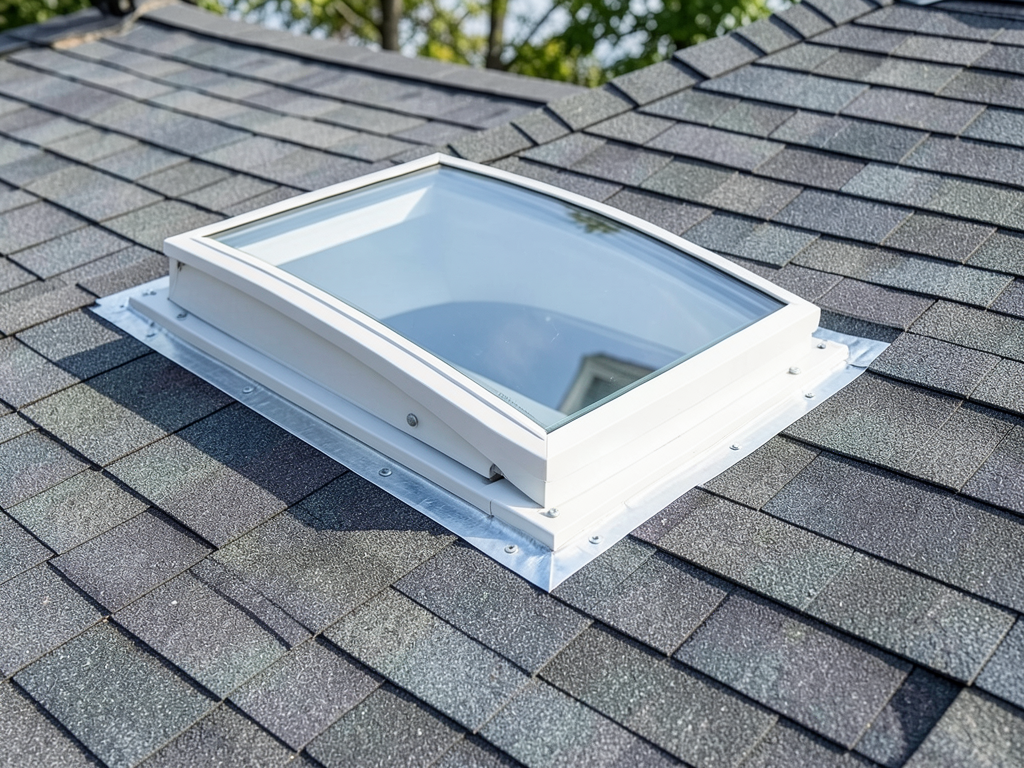
Adding Natural Light to Your Dark Crystal Home with Tubular Skylights
Dark hallways, windowless bathrooms, and gloomy kitchens are common complaints in Crystal homes built during the 1970s and 1980s. These homes often have deep floor plans that make it difficult for natural light to reach interior spaces. Tubular skylights offer a practical solution that brings sunlight deep into your home without the structural complexity and cost of traditional skylights.. Read more about Why a Roof Over is a Bad Idea for Your Crystal Home (And What to Do Instead).
Tubular skylights use a small dome on your roof connected to a highly reflective tube that channels sunlight into your living space. A diffuser at the ceiling end spreads the light evenly throughout the room. This technology works exceptionally well in Minnesota’s northern latitude where every ray of winter sunshine matters.
Before deciding on any skylight system you need to understand how Minneapolis’s climate affects performance. Heavy snow loads, extreme temperature swings, and ice dam formation all impact which type of skylight will work best for your specific home.
How Tubular Skylights Work in Crystal Homes
Tubular skylights consist of three main components. The roof dome captures sunlight from any angle. The reflective tube channels that light down through your attic space. The ceiling diffuser distributes the light evenly into your room.
The reflective tube technology allows these units to capture light even when the sun is low in the winter sky. This matters in Crystal where December and January days are short and often overcast. The tubes can capture ambient light on cloudy days and channel it into your home.
Installation requires minimal structural modification. Most installations can be completed in a single day without major drywall work. The tube can bend around attic obstacles like trusses and plumbing vents. This flexibility makes them ideal for Crystal’s older homes where attic access may be limited.
Comparing Light Output and Energy Efficiency
Traditional skylights provide direct overhead light but lose significant energy through the large glass surface. Tubular skylights concentrate and reflect light through a much smaller opening. A 10-inch tubular skylight typically provides the equivalent light of three 100-watt light bulbs. Energy Star Skylight Certification.
The reflective coating inside quality tubes achieves 98% reflectivity. This means very little light is lost as it travels through the tube. The result is bright, even lighting that reduces your need for electric lights during daylight hours. Choosing the Right Cedar Shake Contractor for Your Minnetonka Home.
Energy efficiency is crucial in Minnesota’s climate. Tubular skylights have minimal heat loss because the ceiling diffuser is sealed and insulated. Traditional skylights create large thermal bridges that can lead to condensation and ice dam formation on your roof.
Minneapolis Weather Considerations for Skylights
Minneapolis experiences some of the most challenging weather conditions for skylights in the continental United States. Heavy snow loads, ice dam formation, and extreme temperature swings all affect skylight performance and longevity.
Snow accumulation is a primary concern. Traditional skylights create flat surfaces where snow can build up. This additional weight stresses your roof structure and can lead to leaks when snow melts. Tubular skylights have a small dome profile that allows snow to slide off naturally.
Ice dam formation occurs when heat escapes through your roof and melts snow from below. The water refreezes at the colder roof edges creating ice dams. Traditional skylights create additional heat loss points. Tubular skylights minimize this risk with their sealed design and minimal roof penetration.
Freeze-thaw cycles cause expansion and contraction that can damage traditional skylight seals. The flexible nature of tubular skylight components allows them to accommodate these movements without cracking or leaking. Storm Damage Roof Inspections in Plymouth – What to Look for After a Major Storm.
Installation Process and Timeline
Professional installation of tubular skylights follows a systematic process. First, the installer locates the optimal position between roof trusses. They then cut a small hole in your roof and ceiling. The reflective tube is connected between these openings. Finally, the dome and diffuser are installed and sealed.
Most installations in Crystal homes take 4 to 6 hours for a single unit. The process involves minimal mess since there is no need to cut large drywall openings or reframe roof structures. Your home remains weather-tight throughout the installation.
The installation requires proper flashing to prevent water infiltration. Quality installers use manufacturer-specific flashing kits designed for your roof type. This ensures a watertight seal that will last for decades.
Cost Comparison for Crystal Area Homes
Tubular skylight costs vary based on size, tube length, and roof complexity. A typical 10-inch tubular skylight installation in Crystal ranges from $800 to $1,200 including materials and labor. This price includes the roof dome, reflective tube, ceiling diffuser, and professional installation.
Traditional skylights cost significantly more. A standard fixed skylight installation typically ranges from $1,500 to $2,500. This higher cost reflects the larger glass unit, more extensive framing modifications, and complex flashing requirements.
Long-term energy costs also differ. Tubular skylights provide better insulation value, potentially saving $50 to $100 annually on heating and cooling costs compared to traditional skylights.
Best Applications for Crystal Homes
Tubular skylights excel in specific areas of Crystal homes. Hallways and stairwells benefit greatly since these spaces often lack windows. The concentrated light from tubular skylights can illuminate these dark areas effectively.
Bathrooms are another ideal application. Many Crystal homes have bathrooms without windows or with small windows that provide minimal natural light. Tubular skylights bring bright, natural light to these spaces without sacrificing privacy.
Closets and pantries also benefit from tubular skylights. These small spaces often become completely dark without electric lighting. A tubular skylight can provide sufficient light for most daytime activities.
Kitchens can use tubular skylights effectively, though they work best in galley kitchens or areas away from main windows. The even light distribution helps reduce shadows while cooking.
Energy Star Ratings and Tax Benefits
Energy Star certified tubular skylights meet strict efficiency standards for northern climates. These units have better insulation values and UV protection than standard models. Look for the Energy Star label when selecting your skylight.
Some tubular skylight systems qualify for federal tax credits when they include solar-powered components. These credits can offset 26% of the installation cost through 2032. Check current IRS guidelines for specific eligibility requirements.
The energy savings from reduced electric lighting can be substantial. A single tubular skylight can eliminate the need for electric lights in a room for 6 to 8 hours daily during Minnesota’s sunny seasons.
Maintenance Requirements
Tubular skylights require minimal maintenance compared to traditional skylights. The sealed design prevents dust and debris from entering the tube. Occasional cleaning of the exterior dome ensures optimal light capture. Commercial Roof Maintenance.
Traditional skylights need regular cleaning of both interior and exterior glass surfaces. They also require inspection of seals and flashing to prevent leaks. The larger surface area collects more debris and requires more frequent maintenance. Roof Inspection.
Condensation is rarely an issue with quality tubular skylights due to their sealed design. Traditional skylights often develop condensation problems in Minnesota’s humid summers and cold winters.
Structural Impact on Your Roof
Tubular skylights have minimal structural impact on your roof. The small penetration requires no additional framing or reinforcement. This preserves your roof’s structural integrity and maintains warranty coverage.
Traditional skylights require cutting through rafters or installing headers. This structural modification can affect your roof’s load-bearing capacity. In Crystal’s heavy snow areas, this becomes particularly important.
The smaller penetration of tubular skylights also reduces the risk of future leaks. Fewer seams and joints mean fewer potential failure points in your roofing system. Trusted Roofing Contractors in St. Louis Park for Shingle Replacement.
Light Quality and Color Rendering
Modern tubular skylights provide excellent light quality with high color rendering indexes. The diffused light eliminates harsh shadows and provides even illumination throughout the room. This creates a more pleasant and natural lighting environment.
The light quality remains consistent throughout the day. Unlike traditional skylights that create bright spots directly underneath, tubular skylights provide uniform lighting across the entire space.
UV protection is built into quality tubular skylight systems. This prevents fading of carpets, furniture, and artwork while still allowing beneficial natural light to enter your home.
Local Building Code Requirements
Minneapolis and surrounding suburbs have specific building code requirements for roof penetrations. Tubular skylights generally meet these requirements more easily than traditional skylights due to their smaller size and sealed design.
Building permits are typically required for any roof penetration. Your contractor should handle permit acquisition and ensure all work meets local code requirements. This protects you from potential issues during home inspections or insurance claims.
Ice and water shield requirements apply to all roof penetrations in Minnesota. Quality installers extend this protective membrane around tubular skylight installations to prevent water infiltration.
Choosing the Right Size and Location
Selecting the appropriate size depends on your room dimensions and desired light levels. A 10-inch tubular skylight typically illuminates 150 to 200 square feet effectively. Larger rooms may require multiple units or a larger diameter tube.
Roof orientation affects performance. South-facing roofs capture the most sunlight throughout the day. East-facing roofs provide morning light while west-facing roofs capture afternoon sun. North-facing installations work but provide less intense light.
Attic obstacles influence placement options. Plumbing vents, HVAC ducts, and electrical wiring may limit where tubes can be routed. Professional installers can often work around these obstacles with flexible tube designs.
Integration with Existing Roofing
Tubular skylights integrate seamlessly with various roofing materials. The flashing kits are specifically designed for asphalt shingles, metal roofing, and flat commercial roofs. This ensures a proper seal regardless of your existing roof type.
The installation process includes removing shingles around the penetration area. New shingles are then installed to create a watertight seal. This process matches your existing roof pattern and maintains visual continuity.
For homes with complex roof designs, multiple tubes can be combined to provide light to different areas. This allows for creative lighting solutions in homes with multiple roof levels or dormers.
Impact on Home Value
Natural light is a significant selling feature for homes. Tubular skylights provide this benefit without the drawbacks of traditional skylights. They offer improved energy efficiency, lower maintenance, and better long-term performance.
Potential buyers appreciate the cost savings from reduced electric lighting. They also value the improved ambiance that natural light provides. These factors can make your home more attractive in the competitive Crystal real estate market.
The minimal visual impact of tubular skylights appeals to buyers who prefer subtle home improvements over dramatic changes to the roofline.
Common Installation Mistakes to Avoid
Improper flashing installation is the most common cause of skylight leaks. Always use manufacturer-approved flashing kits and ensure proper overlap with existing roofing materials. This prevents water infiltration during heavy rain or snow melt.
Inadequate tube insulation can lead to condensation problems. Quality installations include proper insulation around the tube in the attic space. This prevents temperature differentials that cause moisture accumulation.
Poor diffuser selection can result in uneven light distribution. Choose diffusers designed for your specific tube size and room dimensions. This ensures optimal light spread throughout the space.
Seasonal Performance Variations
Winter performance is crucial in Crystal where daylight hours are limited. Tubular skylights capture available light efficiently even on overcast days. The reflective technology maximizes the light from every available ray of sunshine.
Summer performance provides abundant natural light without excessive heat gain. The sealed design and UV protection prevent the greenhouse effect common with traditional skylights. This maintains comfortable indoor temperatures while providing bright natural light.
Spring and fall performance offers the best of both worlds. Longer days provide extended natural lighting benefits while moderate temperatures keep energy costs low.
Professional vs. DIY Installation
Professional installation ensures proper flashing, sealing, and integration with your existing roof. Roofing contractors understand local building codes and weather considerations specific to Crystal and the greater Minneapolis area.
DIY installation risks include improper flashing, inadequate sealing, and potential roof leaks. These mistakes can lead to costly water damage and compromised roof warranties. Professional installation includes workmanship guarantees that protect your investment.
Professional installers also have access to commercial-grade materials and specialized tools. This results in better quality installations that last longer and perform better than typical DIY efforts.
Environmental Benefits
Reducing electric lighting usage decreases your carbon footprint. Tubular skylights provide free natural light that eliminates the need for artificial lighting during daylight hours. This reduces both energy consumption and utility costs.
The long lifespan of quality tubular skylights means less waste compared to frequently replaced electric lighting fixtures. The durable materials resist degradation from UV exposure and temperature extremes.
Natural light also provides health benefits. Exposure to natural light helps regulate circadian rhythms and can improve mood and productivity. This makes tubular skylights beneficial for both environmental and personal well-being.
Making Your Decision
Consider your specific needs when choosing between tubular and traditional skylights. Tubular skylights work best for dark interior spaces, bathrooms, hallways, and areas where you want natural light without major structural modifications.
Traditional skylights may be preferable for living rooms or areas where you want a direct view of the sky. However, they require more maintenance and have higher energy costs in Minnesota’s climate.
Evaluate your roof structure, budget, and lighting goals. Most Crystal homeowners find that tubular skylights provide the best combination of light quality, energy efficiency, and cost-effectiveness for their needs.
Frequently Asked Questions
How long do tubular skylights typically last?
Quality tubular skylights installed by professionals typically last 15 to 20 years or more. The roof dome and reflective tube are durable materials that resist UV degradation and temperature extremes. The sealed design prevents many common failure points that affect traditional skylights.
Can tubular skylights be installed on any type of roof?
Yes, tubular skylights can be installed on asphalt shingle, metal, tile, and flat commercial roofs. The key is using the correct flashing kit designed for your specific roof type. Professional installers have experience with all common roofing materials used in the Crystal and Minneapolis area.
Do tubular skylights work on cloudy days?
Absolutely. Tubular skylights capture ambient light even on overcast days. The highly reflective tube technology channels available light into your home. While the intensity is reduced compared to sunny days, you will still receive significant natural light during typical Minnesota cloudy conditions.
Will a tubular skylight increase my heating costs in winter?
No, quality tubular skylights are designed to minimize heat loss. The sealed ceiling diffuser and insulated tube prevent the thermal bridging that causes heat loss in traditional skylights. Many homeowners actually see reduced heating costs because they use less electric lighting, which generates heat.
How do I clean a tubular skylight?
Cleaning is minimal and simple. The exterior dome can be cleaned with a soft brush or garden hose from the ground. The interior diffuser can be wiped with a damp cloth when needed. The sealed tube design prevents dust accumulation inside the reflective channel.
Are tubular skylights noisy during rain or hail?
No, the small dome and insulated tube design minimize noise transmission. The sound of rain or hail on a tubular skylight is much quieter than on traditional skylights or standard roofing materials. This makes them ideal for bedrooms or other quiet spaces.
Can I install a tubular skylight myself?
While DIY installation is possible, professional installation is strongly recommended. Proper flashing and sealing are critical to prevent roof leaks. Professional installers also ensure compliance with local building codes and maintain your roof warranty. The cost of professional installation is minimal compared to potential water damage from improper installation.
How much light does a 10-inch tubular skylight provide?
A 10-inch tubular skylight typically provides the equivalent light of three 100-watt light bulbs. This is sufficient to illuminate 150 to 200 square feet effectively. The actual light output varies based on roof orientation, tube length, and current weather conditions.
Will a tubular skylight work in my attic space?
Yes, the flexible tube design allows tubular skylights to work around most attic obstacles. The tube can bend up to 45 degrees to navigate around trusses, plumbing vents, and other obstructions. Professional installers can evaluate your specific attic configuration and determine the best routing options.
Are there any tax incentives for installing tubular skylights?
Some tubular skylight systems with solar-powered components may qualify for federal tax credits. Additionally, the energy savings from reduced electric lighting can provide ongoing cost benefits. Check current IRS guidelines and consult with your tax professional for specific eligibility requirements.
How do tubular skylights compare to solar tubes?
Tubular skylights and solar tubes are essentially the same product. The terms are used interchangeably in the industry. Both refer to the same technology of using reflective tubes to channel natural light from roof to ceiling.
Can tubular skylights be installed in multi-story homes?
Yes, tubular skylights can be installed in multi-story homes. The tube can travel through multiple floor levels as long as there is adequate space in walls or closets. The light intensity decreases with longer tube runs, so professional evaluation is recommended for complex multi-story installations.
What happens if my roof needs replacement after installing a tubular skylight?
Quality tubular skylights are designed to be removed and reinstalled. The flashing system allows for removal without damaging the roof structure. Your roofing contractor can work with the skylight installer to ensure proper reinstallation that maintains all seals and warranties.
Are tubular skylights energy efficient in Minnesota’s climate?
Yes, tubular skylights are highly energy efficient for Minnesota’s climate. The sealed design and minimal thermal bridging prevent heat loss in winter and heat gain in summer. Many models are Energy Star certified for northern climate zones, ensuring optimal performance in Crystal’s extreme temperature variations.
How do I know if my home is suitable for a tubular skylight?
Most homes are suitable for tubular skylight installation. A professional evaluation can determine the best location based on your roof structure, attic configuration, and lighting needs. Homes with limited attic access or complex roof designs may have some installation constraints, but flexible tube technology can often overcome these challenges.
Get Your Crystal Home Glowing with Natural Light
Adding natural light to your dark Crystal home is easier and more affordable than you might think. Tubular skylights provide an excellent solution that brings sunlight deep into your living spaces without the cost and complexity of traditional skylights.
The combination of energy efficiency, minimal maintenance, and superior performance in Minnesota’s climate makes tubular skylights an ideal choice for Crystal homeowners. Whether you want to brighten a dark hallway, add light to a windowless bathroom, or reduce your electric lighting costs, tubular skylights deliver exceptional results.
Professional installation ensures your new skylight will provide years of reliable service while maintaining your roof’s integrity. The small investment in quality installation pays dividends through improved home comfort, reduced energy costs, and enhanced property value.
Ready to transform your dark spaces with beautiful natural light? Call Keystone Roofing today at (651) 588-9277 for a free consultation. Our experienced team understands the unique challenges of Minneapolis-area homes and can recommend the perfect tubular skylight solution for your specific needs. Let us help you bring the sunshine inside where it belongs. For more information, visit Energy.gov Skylight Guide.
{
“@context”: “https://schema.org”,
“@type”: “BlogPosting”,
“headline”: “Adding Natural Light to Your Dark Crystal Home with Tubular Skylights”,
“description”: “Learn how tubular skylights brighten dark Crystal homes with energy-efficient natural light. Compare costs, installation, and winter performance for Minneapolis homes.”,
“wordCount”: 3197,
“datePublished”: “2026-04-10T12:24:00.000Z”,
“dateModified”: “2026-04-10T12:24:00.000Z”,
“inLanguage”: “en-US”,
“mainEntityOfPage”: {
“@type”: “WebPage”,
“@id”: “https://keystoneroofingminneapolis.com”
},
“publisher”: {
“@type”: “LocalBusiness”,
“name”: “Keystone Roofing Minneapolis”,
“url”: “https://keystoneroofingminneapolis.com”
},
“author”: {
“@type”: “Organization”,
“name”: “Keystone Roofing Minneapolis”,
“url”: “https://keystoneroofingminneapolis.com”
},
“image”: {
“@type”: “ImageObject”,
“url”: “https://keystoneroofingminneapolis.com/wp-content/uploads/2026/03/adding-natural-light-to-your-dark-crystal-home-wit-1.png”
}
}
{
“@context”: “https://schema.org”,
“@type”: “RoofingContractor”,
“name”: “Keystone Roofing Minneapolis”,
“url”: “https://keystoneroofingminneapolis.com”,
“address”: {
“@type”: “PostalAddress”,
“addressLocality”: “Minneapolis”
},
“areaServed”: {
“@type”: “City”,
“name”: “Minneapolis”
}
}
{
“@context”: “https://schema.org”,
“@type”: “FAQPage”,
“mainEntity”: [
{
“@type”: “Question”,
“name”: “How long do tubular skylights typically last?”,
“acceptedAnswer”: {
“@type”: “Answer”,
“text”: “Quality tubular skylights installed by professionals typically last 15 to 20 years or more. The roof dome and reflective tube are durable materials that resist UV degradation and temperature extremes. The sealed design prevents many common failure points that affect traditional skylights.”
}
},
{
“@type”: “Question”,
“name”: “Can tubular skylights be installed on any type of roof?”,
“acceptedAnswer”: {
“@type”: “Answer”,
“text”: “Yes, tubular skylights can be installed on asphalt shingle, metal, tile, and flat commercial roofs. The key is using the correct flashing kit designed for your specific roof type. Professional installers have experience with all common roofing materials used in the Crystal and Minneapolis area.”
}
},
{
“@type”: “Question”,
“name”: “Do tubular skylights work on cloudy days?”,
“acceptedAnswer”: {
“@type”: “Answer”,
“text”: “Absolutely. Tubular skylights capture ambient light even on overcast days. The highly reflective tube technology channels available light into your home. While the intensity is reduced compared to sunny days, you will still receive significant natural light during typical Minnesota cloudy conditions.”
}
},
{
“@type”: “Question”,
“name”: “Will a tubular skylight increase my heating costs in winter?”,
“acceptedAnswer”: {
“@type”: “Answer”,
“text”: “No, quality tubular skylights are designed to minimize heat loss. The sealed ceiling diffuser and insulated tube prevent the thermal bridging that causes heat loss in traditional skylights. Many homeowners actually see reduced heating costs because they use less electric lighting, which generates heat.”
}
},
{
“@type”: “Question”,
“name”: “How do I clean a tubular skylight?”,
“acceptedAnswer”: {
“@type”: “Answer”,
“text”: “Cleaning is minimal and simple. The exterior dome can be cleaned with a soft brush or garden hose from the ground. The interior diffuser can be wiped with a damp cloth when needed. The sealed tube design prevents dust accumulation inside the reflective channel.”
}
},
{
“@type”: “Question”,
“name”: “Are tubular skylights noisy during rain or hail?”,
“acceptedAnswer”: {
“@type”: “Answer”,
“text”: “No, the small dome and insulated tube design minimize noise transmission. The sound of rain or hail on a tubular skylight is much quieter than on traditional skylights or standard roofing materials. This makes them ideal for bedrooms or other quiet spaces.”
}
},
{
“@type”: “Question”,
“name”: “Can I install a tubular skylight myself?”,
“acceptedAnswer”: {
“@type”: “Answer”,
“text”: “While DIY installation is possible, professional installation is strongly recommended. Proper flashing and sealing are critical to prevent roof leaks. Professional installers also ensure compliance with local building codes and maintain your roof warranty. The cost of professional installation is minimal compared to potential water damage from improper installation.”
}
},
{
“@type”: “Question”,
“name”: “How much light does a 10-inch tubular skylight provide?”,
“acceptedAnswer”: {
“@type”: “Answer”,
“text”: “A 10-inch tubular skylight typically provides the equivalent light of three 100-watt light bulbs. This is sufficient to illuminate 150 to 200 square feet effectively. The actual light output varies based on roof orientation, tube length, and current weather conditions.”
}
},
{
“@type”: “Question”,
“name”: “Will a tubular skylight work in my attic space?”,
“acceptedAnswer”: {
“@type”: “Answer”,
“text”: “Yes, the flexible tube design allows tubular skylights to work around most attic obstacles. The tube can bend up to 45 degrees to navigate around trusses, plumbing vents, and other obstructions. Professional installers can evaluate your specific attic configuration and determine the best routing options.”
}
},
{
“@type”: “Question”,
“name”: “Are there any tax incentives for installing tubular skylights?”,
“acceptedAnswer”: {
“@type”: “Answer”,
“text”: “Some tubular skylight systems with solar-powered components may qualify for federal tax credits. Additionally, the energy savings from reduced electric lighting can provide ongoing cost benefits. Check current IRS guidelines and consult with your tax professional for specific eligibility requirements.”
}
},
{
“@type”: “Question”,
“name”: “How do tubular skylights compare to solar tubes?”,
“acceptedAnswer”: {
“@type”: “Answer”,
“text”: “Tubular skylights and solar tubes are essentially the same product. The terms are used interchangeably in the industry. Both refer to the same technology of using reflective tubes to channel natural light from roof to ceiling.”
}
},
{
“@type”: “Question”,
“name”: “Can tubular skylights be installed in multi-story homes?”,
“acceptedAnswer”: {
“@type”: “Answer”,
“text”: “Yes, tubular skylights can be installed in multi-story homes. The tube can travel through multiple floor levels as long as there is adequate space in walls or closets. The light intensity decreases with longer tube runs, so professional evaluation is recommended for complex multi-story installations.”
}
},
{
“@type”: “Question”,
“name”: “What happens if my roof needs replacement after installing a tubular skylight?”,
“acceptedAnswer”: {
“@type”: “Answer”,
“text”: “Quality tubular skylights are designed to be removed and reinstalled. The flashing system allows for removal without damaging the roof structure. Your roofing contractor can work with the skylight installer to ensure proper reinstallation that maintains all seals and warranties.”
}
},
{
“@type”: “Question”,
“name”: “Are tubular skylights energy efficient in Minnesota’s climate?”,
“acceptedAnswer”: {
“@type”: “Answer”,
“text”: “Yes, tubular skylights are highly energy efficient for Minnesota’s climate. The sealed design and minimal thermal bridging prevent heat loss in winter and heat gain in summer. Many models are Energy Star certified for northern climate zones, ensuring optimal performance in Crystal’s extreme temperature variations.”
}
},
{
“@type”: “Question”,
“name”: “How do I know if my home is suitable for a tubular skylight?”,
“acceptedAnswer”: {
“@type”: “Answer”,
“text”: “Most homes are suitable for tubular skylight installation. A professional evaluation can determine the best location based on your roof structure, attic configuration, and lighting needs. Homes with limited attic access or complex roof designs may have some installation constraints, but flexible tube technology can often overcome these challenges.”
}
}
]
}
{
“@context”: “https://schema.org”,
“@type”: “BreadcrumbList”,
“itemListElement”: [
{
“@type”: “ListItem”,
“position”: 1,
“name”: “Home”,
“item”: “https://keystoneroofingminneapolis.com”
},
{
“@type”: “ListItem”,
“position”: 2,
“name”: “Blog”,
“item”: “https://keystoneroofingminneapolis.com/blog”
},
{
“@type”: “ListItem”,
“position”: 3,
“name”: “Adding Natural Light to Your Dark Crystal Home with Tubular Skylights”
}
]
}
{
“@context”: “https://schema.org”,
“@type”: “Service”,
“serviceType”: “Roofing”,
“provider”: {
“@type”: “LocalBusiness”,
“name”: “Keystone Roofing Minneapolis”,
“url”: “https://keystoneroofingminneapolis.com”
},
“areaServed”: {
“@type”: “City”,
“name”: “Minneapolis”
},
“description”: “Learn how tubular skylights brighten dark Crystal homes with energy-efficient natural light. Compare costs, installation, and winter performance for Minneapolis homes.”
}
