
Can You Install a New Roof During a Minnesota Winter?
Absolutely. Professional roofers install new roofs in Minneapolis throughout the winter months using specialized cold-weather techniques. The key is understanding how asphalt shingles behave in freezing temperatures and adapting installation methods accordingly.
Many homeowners believe roofing stops when temperatures drop below 40°F. This myth persists because standard asphalt shingles require warmth to activate their self-sealing adhesive strips. However, experienced Minnesota roofing contractors have developed proven methods to ensure proper installation even during the coldest months. Minnesota Department of Labor and Industry.
How Cold Weather Affects Asphalt Shingles
Asphalt shingles become brittle when temperatures fall below freezing. The fiberglass mat and asphalt coating lose flexibility making them more prone to cracking during handling. The self-sealing adhesive strips also won’t activate in cold weather requiring alternative fastening methods.
Professional roofers address these challenges by storing shingles in heated areas before installation. They handle each shingle carefully to prevent cracking and use hand-sealing techniques to ensure proper adhesion. The modified installation process takes slightly longer but produces results that last just as long as warm-weather installations.
The Benefits of Winter Roof Installation in Minneapolis
Winter roofing offers several advantages for Minneapolis homeowners. First scheduling becomes much easier. Spring and summer months see roofing companies booked months in advance. Winter installations often have availability within days or weeks. Trusted Roofing Contractors in St. Louis Park for Shingle Replacement.
Second you get immediate protection from ice dams. If your existing roof has leaks or ice dam problems winter installation stops the damage immediately. No need to wait through another thaw-freeze cycle watching water damage worsen. Storm Damage Roof Inspections in Plymouth – What to Look for After a Major Storm.
Third off-season pricing often means better deals. Roofing companies may offer competitive rates during slower months. You also avoid the spring rush when everyone discovers winter damage.
Our Cold-Weather Installation Process
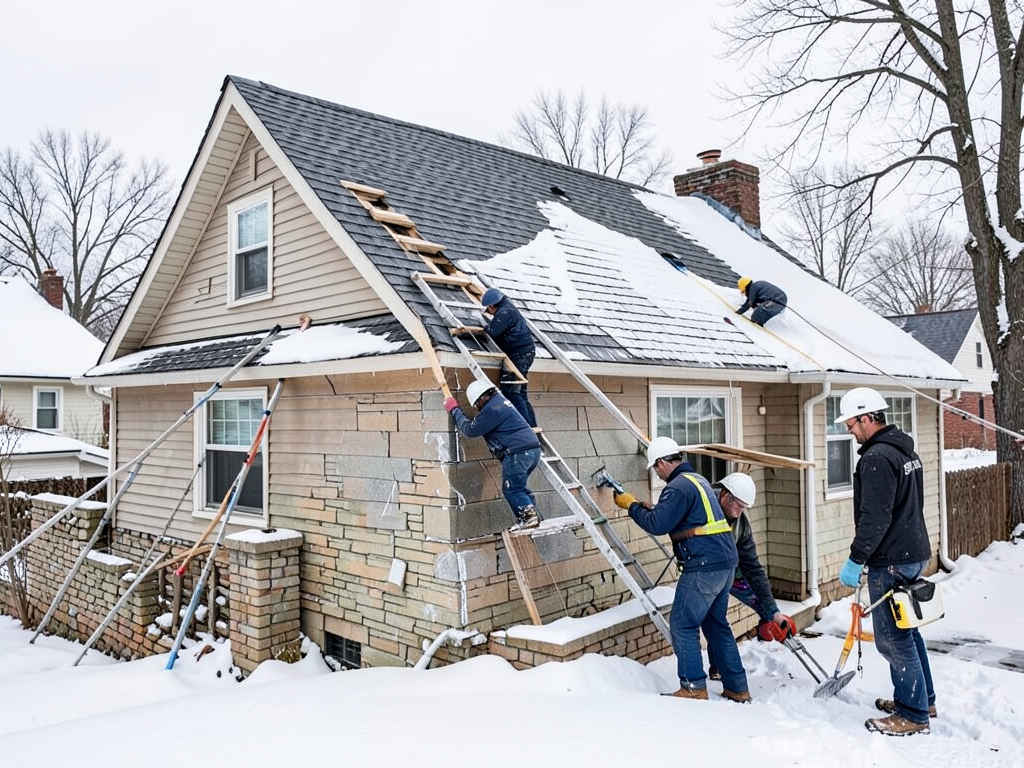
Professional winter roof installation follows a modified process designed for Minneapolis conditions. The process starts with snow and ice removal from the existing roof. This requires specialized equipment and safety protocols since working on snow-covered surfaces demands extra caution.
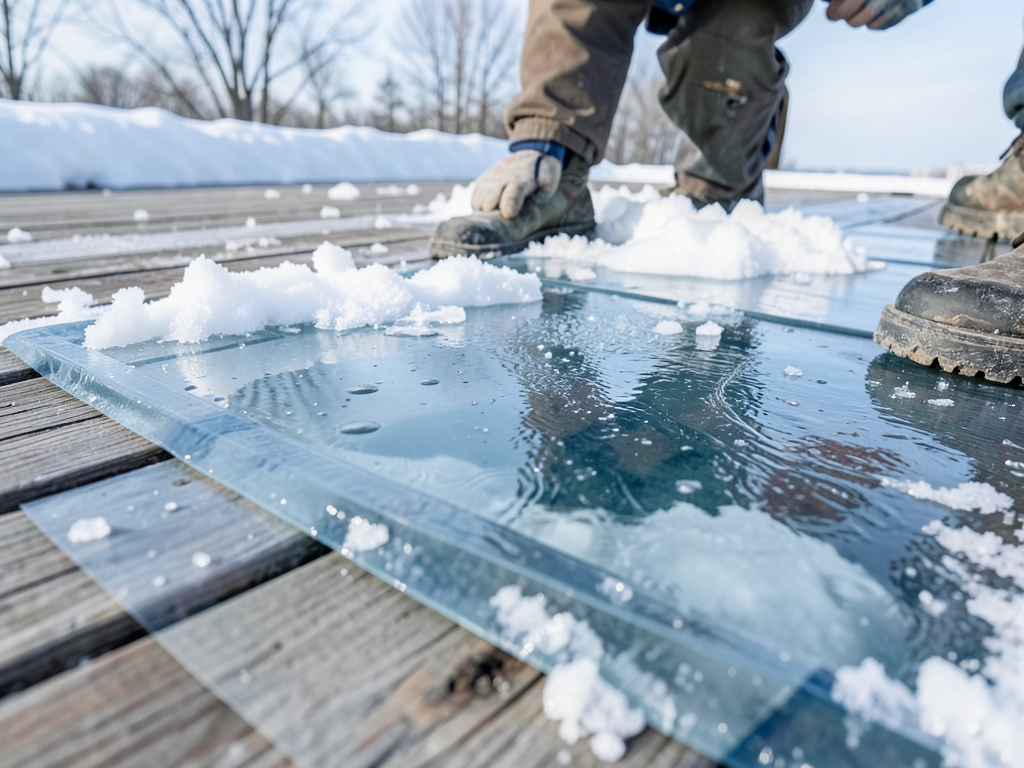
Next roofers install high-quality underlayment. In winter this means using ice and water shield products that seal around nails providing waterproof protection even if shingles shift slightly. This underlayment becomes your primary moisture barrier during the coldest months.
For shingle installation roofers hand-seal each shingle using roofing cement. This manual process ensures every shingle bonds properly to the one below it. They also use more nails per shingle than standard installation typically six nails instead of four for added security against wind uplift.
Finally roofers clean up thoroughly removing any loose nails or debris that could become hidden under snow. They also inspect ventilation to ensure proper attic airflow which prevents ice dam formation.
Materials That Perform Best in Minneapolis Winters
Not all roofing materials handle Minnesota winters equally well. For asphalt shingles SBS-modified products offer superior flexibility in cold weather. These shingles contain rubberized polymers that remain pliable at much lower temperatures than standard asphalt.
Metal roofing provides excellent winter performance. Snow slides off metal surfaces preventing heavy accumulation. The interlocking panels also resist wind damage better than individual shingles. Many Minneapolis homeowners choose metal for its durability and energy efficiency.
Synthetic underlayment outperforms traditional felt in winter conditions. It maintains flexibility in extreme cold and provides better traction for workers. The material also resists tearing from ice or sharp objects hidden under snow.
Minneapolis Building Code Requirements for Winter Roofing
Minnesota building codes include specific requirements for ice and water protection in cold climates. The state mandates ice barrier installation extending from the roof edge up the roof deck for a distance of at least two feet past the inside of the exterior wall.
In Minneapolis this typically means installing ice and water shield along the entire eave edge. The material must meet minimum thickness requirements and properly seal around all penetrations. Roofers must also ensure proper attic ventilation to prevent moisture buildup that leads to ice dam formation.
Local permits remain required regardless of season. Winter installations must meet all current code requirements including proper fastener spacing and underlayment specifications.
Safety Considerations for Winter Roofing
Working on roofs during Minneapolis winters requires extensive safety measures. Roofers use specialized footwear with enhanced traction for snow and ice. They also employ fall protection systems including harnesses and guardrails even on single-story homes.
Equipment modifications help maintain efficiency in cold weather. Nail guns may need temperature adjustments and compressors require extra maintenance to prevent freezing. Roofers also use heated storage areas to keep materials at optimal temperatures. Commercial Roof Maintenance.
Weather monitoring becomes critical during winter installations. Roofers track temperature wind speed and precipitation forecasts to plan work around the safest conditions. They avoid working during extreme cold spells or when high winds could create dangerous situations.
Comparing Winter vs. Spring Installation Timelines
| Factor | Winter Installation | Spring Installation |
|---|---|---|
| Project Start Time | 1-2 weeks | 2-3 months |
| Daily Work Hours | 7-9 hours (weather dependent) | 8-10 hours |
| Project Duration | 1-2 days longer | Standard timeline |
| Material Storage | Requires heated space | Standard storage |
| Cost Factors | Potential winter pricing | Peak season rates |
Common Winter Roofing Concerns Addressed
Will cold weather void my warranty? No. Major manufacturers like GAF and CertainTeed warranty their products when installed according to specifications. Hand-sealing and other cold-weather techniques are approved methods that maintain warranty coverage. GAF roofing manufacturer warranty information.
How do you prevent ice buildup under new shingles? Proper underlayment installation prevents this issue. Ice and water shield creates a waterproof barrier that stops ice from reaching the roof deck. Good attic ventilation also prevents the freeze-thaw cycles that cause ice dam formation.
What about snow removal after installation? Professional roofers remove all loose materials and debris during cleanup. They also provide guidance on safe snow removal techniques to protect your new roof.
Local Success Stories: Winter Installations in Minneapolis
Recent projects in neighborhoods like Linden Hills and Fulton demonstrate winter roofing success. One Edina home required emergency replacement in January after ice dams caused extensive interior damage. The crew completed the installation in three days using modified techniques and the homeowner avoided further water damage. How Much Does a Full Roof Replacement Cost in Bloomington?.
In St. Louis Park a commercial property needed roof replacement during winter to maintain insurance coverage. The project required careful scheduling around extreme cold spells but finished on time using specialized equipment and materials.
Preparing Your Home for Winter Roof Installation
Homeowners can take several steps to facilitate smooth winter installations. Clear driveways and walkways of snow and ice to provide safe access for crews and equipment. Remove outdoor furniture decorations or anything that could interfere with work zones.
Inside your home take down pictures or items on walls that share space with the roof. The installation process creates vibrations that could knock items loose. Also cover belongings in attic spaces to protect from dust or debris.
Plan for temporary utility adjustments. Roofing work may require brief water or power interruptions. Having flexible schedules helps accommodate weather-related rescheduling that sometimes occurs during Minnesota winters.
Cost Factors for Winter Roof Installation
Several factors influence winter roofing costs in Minneapolis. Material prices remain consistent year-round but labor costs may vary. Some contractors offer seasonal pricing while others maintain standard rates.
The roof’s complexity affects winter installation costs more than seasonal timing. Steep slopes complicated architectural features or multiple penetrations require more time and safety equipment regardless of season. However emergency winter installations might carry premium pricing for expedited service.
Long-term value often favors winter installation. Preventing ongoing water damage or addressing urgent issues immediately typically saves money compared to waiting until spring when problems worsen.
Choosing the Right Contractor for Winter Work
Not all roofing contractors have winter installation experience. Look for companies with documented cold-weather projects and proper insurance coverage for winter conditions. Ask about their specific techniques for handling shingles in freezing temperatures.
Verify licensing through the Minnesota Department of Labor and Industry. Winter work requires additional safety measures and proper insurance coverage becomes even more critical during hazardous conditions.
Request references from recent winter projects. Speaking with homeowners who experienced winter installations provides valuable insight into what to expect and how contractors handle cold-weather challenges.
Frequently Asked Questions
How cold is too cold for roof installation?
Professional roofers work in temperatures well below freezing using modified techniques. Most manufacturers recommend installation above 40°F for standard methods but hand-sealing allows work in much colder conditions. The limiting factors become worker safety and equipment functionality rather than material performance.
Will my new roof seal properly in winter?
Yes. Hand-sealing with roofing cement provides immediate adhesion that doesn’t require heat activation. The shingles will also seal naturally when temperatures rise above 45°F creating a double layer of protection. Many homeowners report their winter-installed roofs seal more thoroughly than warm-weather installations.
How long does winter installation take compared to summer?
Winter installations typically take one to two days longer than summer projects. The additional time accounts for careful material handling snow removal and hand-sealing processes. However the total project timeline often proves shorter since winter scheduling offers more immediate availability.
Making the Right Choice for Your Minneapolis Home
Winter roof installation in Minneapolis works when you choose experienced contractors using proper techniques. The process requires additional precautions and modified methods but produces results that last just as long as warm-weather installations.
Consider your specific situation when deciding timing. Emergency leaks ice dam damage or urgent insurance requirements might necessitate winter work. For planned replacements weigh the benefits of immediate scheduling and potential cost savings against the slight additional complexity of cold-weather installation.
Professional roofers with winter experience understand these trade-offs and can help you make informed decisions. They’ll assess your roof’s condition explain your options and recommend the best approach for your specific circumstances.
[IMAGE_PLACEHOLDER_3>
Ready to address your roofing needs this winter? Contact Keystone Roofing Minneapolis at (651) 588-9277 for a free inspection and estimate. Our experienced crews handle winter installations throughout the Twin Cities area using proven cold-weather techniques that protect your home year-round. Roof Inspection.
{
“@context”: “https://schema.org”,
“@type”: “BlogPosting”,
“headline”: “Can You Install a New Roof During a Minnesota Winter?”,
“description”: “Learn how professional roofers install new roofs in Minneapolis winters. Discover cold-weather techniques, material choices, and why winter installation works.”,
“wordCount”: 1693,
“datePublished”: “2026-05-31T10:13:00.000Z”,
“dateModified”: “2026-05-31T10:13:00.000Z”,
“inLanguage”: “en-US”,
“mainEntityOfPage”: {
“@type”: “WebPage”,
“@id”: “https://keystoneroofingminneapolis.com”
},
“publisher”: {
“@type”: “LocalBusiness”,
“name”: “Keystone Roofing Minneapolis”,
“url”: “https://keystoneroofingminneapolis.com”
},
“author”: {
“@type”: “Organization”,
“name”: “Keystone Roofing Minneapolis”,
“url”: “https://keystoneroofingminneapolis.com”
},
“image”: {
“@type”: “ImageObject”,
“url”: “https://keystoneroofingminneapolis.com/wp-content/uploads/2026/03/can-you-install-a-new-roof-during-a-minnesota-wint-1.png”
}
}
{
“@context”: “https://schema.org”,
“@type”: “RoofingContractor”,
“name”: “Keystone Roofing Minneapolis”,
“url”: “https://keystoneroofingminneapolis.com”,
“address”: {
“@type”: “PostalAddress”,
“addressLocality”: “Minneapolis”
},
“areaServed”: {
“@type”: “City”,
“name”: “Minneapolis”
}
}
{
“@context”: “https://schema.org”,
“@type”: “FAQPage”,
“mainEntity”: [
{
“@type”: “Question”,
“name”: “How cold is too cold for roof installation?”,
“acceptedAnswer”: {
“@type”: “Answer”,
“text”: “Professional roofers work in temperatures well below freezing using modified techniques. Most manufacturers recommend installation above 40°F for standard methods but hand-sealing allows work in much colder conditions. The limiting factors become worker safety and equipment functionality rather than material performance.”
}
},
{
“@type”: “Question”,
“name”: “Will my new roof seal properly in winter?”,
“acceptedAnswer”: {
“@type”: “Answer”,
“text”: “Yes. Hand-sealing with roofing cement provides immediate adhesion that doesn’t require heat activation. The shingles will also seal naturally when temperatures rise above 45°F creating a double layer of protection. Many homeowners report their winter-installed roofs seal more thoroughly than warm-weather installations.”
}
},
{
“@type”: “Question”,
“name”: “How long does winter installation take compared to summer?”,
“acceptedAnswer”: {
“@type”: “Answer”,
“text”: “Winter installations typically take one to two days longer than summer projects. The additional time accounts for careful material handling snow removal and hand-sealing processes. However the total project timeline often proves shorter since winter scheduling offers more immediate availability.”
}
}
]
}
{
“@context”: “https://schema.org”,
“@type”: “BreadcrumbList”,
“itemListElement”: [
{
“@type”: “ListItem”,
“position”: 1,
“name”: “Home”,
“item”: “https://keystoneroofingminneapolis.com”
},
{
“@type”: “ListItem”,
“position”: 2,
“name”: “Blog”,
“item”: “https://keystoneroofingminneapolis.com/blog”
},
{
“@type”: “ListItem”,
“position”: 3,
“name”: “Can You Install a New Roof During a Minnesota Winter?”
}
]
}
{
“@context”: “https://schema.org”,
“@type”: “Service”,
“serviceType”: “Roofing”,
“provider”: {
“@type”: “LocalBusiness”,
“name”: “Keystone Roofing Minneapolis”,
“url”: “https://keystoneroofingminneapolis.com”
},
“areaServed”: {
“@type”: “City”,
“name”: “Minneapolis”
},
“description”: “Learn how professional roofers install new roofs in Minneapolis winters. Discover cold-weather techniques, material choices, and why winter installation works.”
}
