
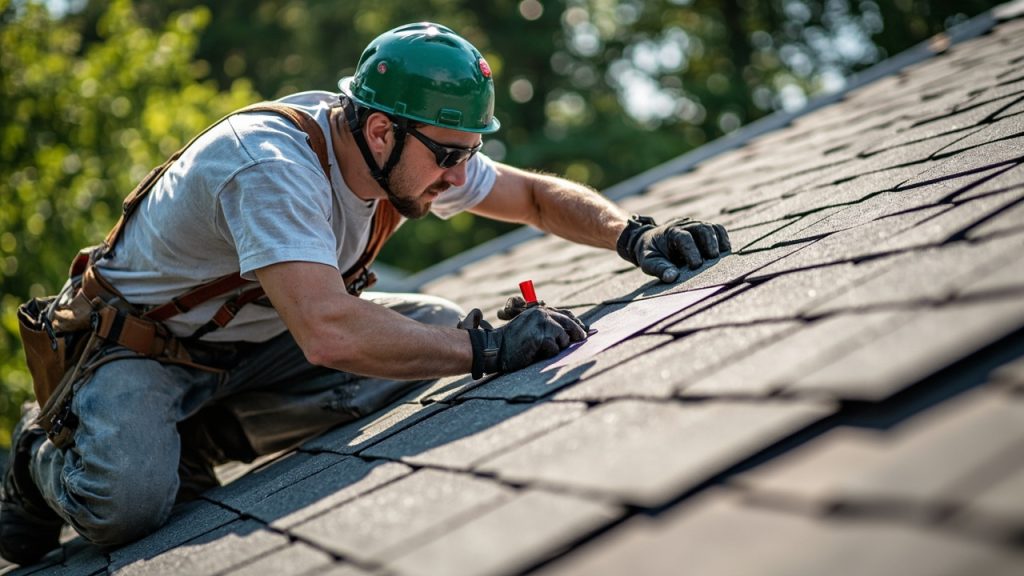
Choosing the Most Durable Asphalt Shingles for Your Maple Grove Home
Minnesota winters can destroy a poorly chosen roof. The freeze-thaw cycles in Maple Grove put asphalt shingles through extreme stress. Summer hail storms add another layer of risk. You need shingles built for this climate.
The right asphalt shingle protects your home for 20-30 years. The wrong one fails in half that time. Your choice affects energy bills, maintenance costs, and whether you face emergency repairs after the next storm.
Understanding Asphalt Shingle Types for Minnesota Weather
Three main shingle types handle Minnesota conditions differently. Each offers varying levels of durability and protection.
3-Tab Shingles: Basic Protection
3-tab shingles cost less upfront. They lay flat with uniform tabs. Most carry 20-25 year warranties. They work in mild climates. They struggle in Minnesota.
Wind ratings top out around 60-70 mph. That fails during summer storms. Ice dams crack them easily. Thermal shock from temperature swings causes premature aging.
Maple Grove homeowners often replace 3-tab shingles after 12-15 years. The savings disappear when you factor in earlier replacement costs.
Architectural Shingles: Balanced Durability
Architectural shingles add layers of asphalt. This creates dimension and strength. Wind ratings reach 110-130 mph. Many carry 30-50 year warranties.
The extra thickness resists hail impact better. Ice dams cause less damage. The dimensional profile sheds snow more effectively.
For most Maple Grove homes, architectural shingles offer the best value. They handle our climate without luxury pricing.
Luxury/Designer Shingles: Maximum Protection
Luxury shingles use the thickest asphalt layers. They mimic slate or cedar shake appearance. Wind ratings exceed 150 mph. Warranties often reach 50 years.
These shingles withstand Minnesota’s worst storms. Hail bounces off rather than penetrating. Ice dams rarely cause damage. The weight helps resist wind uplift.
The investment pays off for high-value homes or properties in open areas where wind speeds peak.
Key Features That Matter in Maple Grove
Minnesota weather demands specific shingle features. Standard shingles fail when temperatures plummet or storms strike.
Impact Resistance Ratings
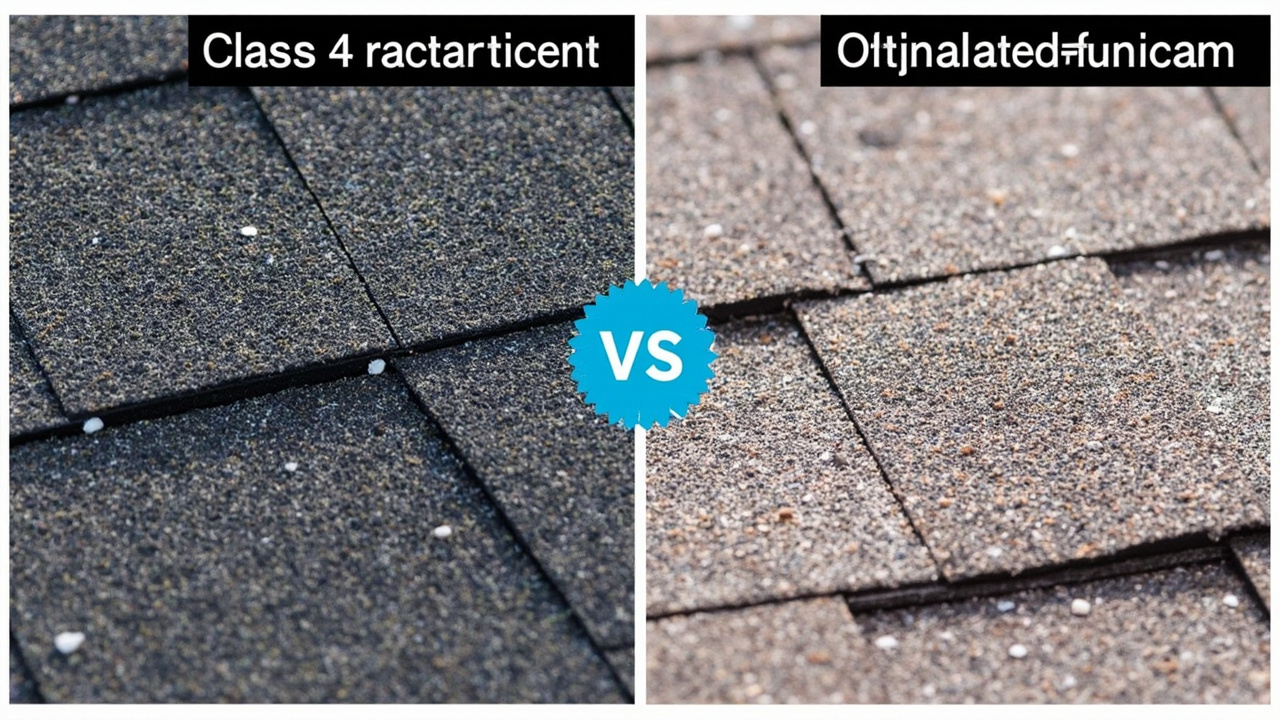
Class 4 impact resistance offers the highest protection. These shingles survive steel ball drops from 20 feet. They resist hail damage that destroys standard shingles.
Insurance companies often provide premium discounts for Class 4 shingles. The savings can offset the higher initial cost over time.
Maple Grove experiences frequent summer hail. Class 3 shingles often fail during severe storms. Class 4 shingles maintain their integrity.
Algae Resistance
Minnesota summers bring high humidity. Algae growth creates black streaks on roofs. This affects appearance and can reduce shingle lifespan.
StreakGuard technology embeds copper granules in the shingle surface. These release slowly to prevent algae growth. Your roof maintains its appearance longer.
Algae resistance matters less for durability than for aesthetics. However, clean-looking roofs maintain property values better.
Wind Ratings
Minnesota wind storms exceed 70 mph regularly. Standard shingles lift and tear at these speeds. High-wind areas need stronger fastening systems.
Shingles rated for 110+ mph winds use modified nailing zones. Some include sealant strips that bond shingles together. This prevents wind uplift.
Maple Grove’s open areas and proximity to major corridors create wind tunnel effects. Higher wind ratings provide crucial protection.
Ice Dam Prevention Features
Ice dams cause more roof damage in Minnesota than any other weather event. Water backs up under shingles. This leads to leaks and structural damage.
Self-Adhering Underlayment
Ice and water shield creates waterproof barriers at roof edges. This material seals around nails. It prevents water infiltration from ice dams.
Minnesota building codes require ice and water shield for the first 24 inches past exterior walls. Many contractors extend this to 36 inches for better protection.
The shield works with any shingle type. However, luxury shingles often include integrated ice dam protection.
Ventilation Compatibility
Proper attic ventilation prevents ice dams. Shingles need adequate airflow beneath them. Ridge vents work best with most asphalt shingles.
Some architectural shingles include integrated ventilation channels. These improve airflow without compromising wind ratings.
Ventilation affects shingle longevity more than most homeowners realize. Trapped heat accelerates aging. Poor ventilation voids some warranties.
Cost Factors for Maple Grove Homeowners
Shingle pricing varies significantly. Understanding cost drivers helps you budget effectively.
Material Costs by Type
3-tab shingles cost $80-100 per square (100 sq ft). Architectural shingles run $100-150 per square. Luxury shingles range from $150-250 per square.
Installation costs add $150-300 per square regardless of shingle type. Complex roof designs increase labor costs.
Maple Grove’s housing stock includes many mid-century ramblers. These often have simple roof designs that reduce installation costs.
Long-Term Value Analysis
3-tab shingles might save $1,000-2,000 upfront. However, they often need replacement 8-10 years sooner than architectural shingles.
Energy efficiency also varies. Luxury shingles reflect more heat. This can reduce cooling costs by 10-15% during Minnesota summers.
Insurance premium discounts for impact-resistant shingles can save $100-200 annually. Over 20 years, this offsets much of the price difference.
Local Market Factors
Maple Grove’s proximity to major suppliers affects pricing. Local distribution centers keep transportation costs lower than rural areas.
Competition among contractors in the Northwest Metro area keeps installation rates competitive. However, demand spikes after major storms.
Off-season installations (late fall or early spring) often cost 10-15% less than peak summer pricing.
Installation Quality Matters More Than Shingle Choice
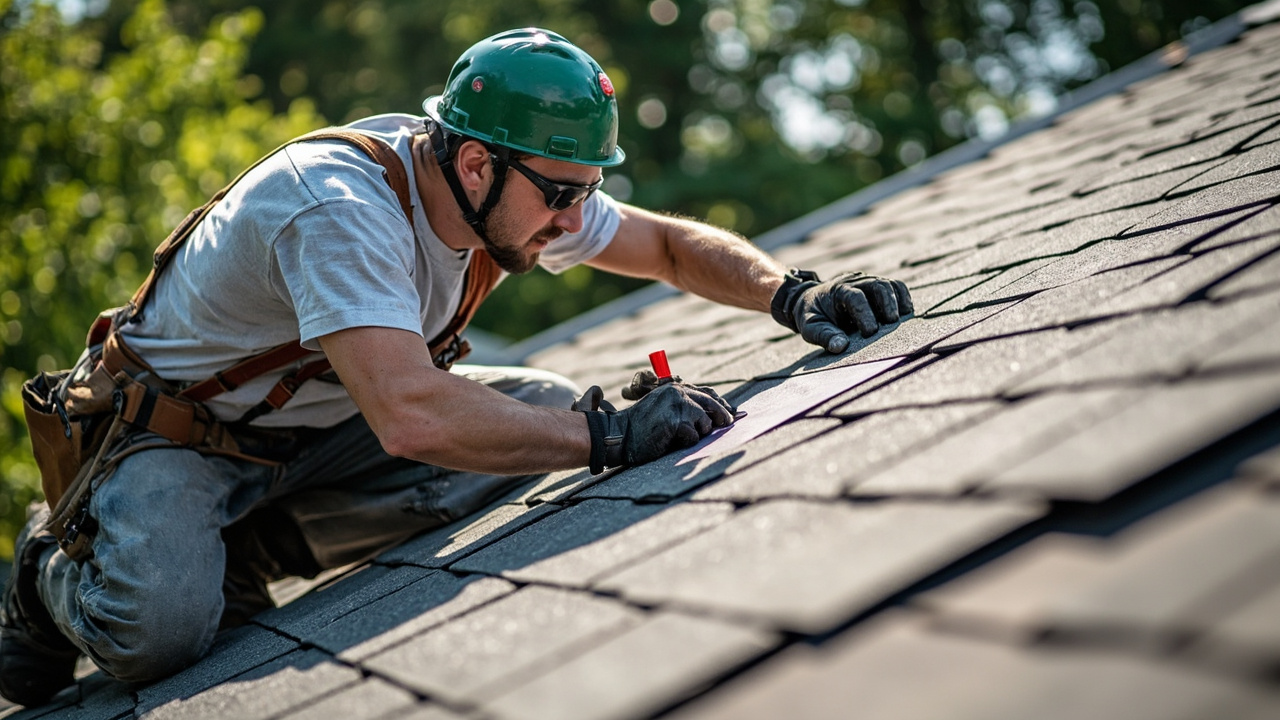
Even the best shingles fail with poor installation. Minnesota weather exposes installation flaws quickly.
Proper Nailing Techniques
Nails must penetrate 3/4 inch into roof decking. Overdriven nails break the shingle seal. Underdriven nails leave shingles loose.
High-wind areas need six nails per shingle instead of four. This prevents wind uplift during summer storms.
Temperature affects nailing. Cold shingles become brittle. Hot shingles compress. Professional installers adjust techniques accordingly.
Starter Strip Importance
Starter strips seal the first course of shingles. This prevents wind infiltration at roof edges. Many DIY installations skip this step.
Proper starter strips include adhesive strips. These bond to the shingle above. This creates a continuous seal along roof edges.
Missing starter strips often cause the first sign of wind damage. Water infiltration follows quickly.
Flashing Details
Valleys, chimneys, and roof penetrations need proper flashing. Step flashing works better than continuous flashing in Minnesota.
Ice and water shield should extend under flashing in vulnerable areas. This prevents ice dam damage at these critical points.
Many roof failures occur at flashing points. Proper installation prevents these common leak sources.
Maple Grove Climate Considerations
Local conditions affect shingle performance. Understanding these factors helps you choose wisely.
Freeze-Thaw Cycles
Maple Grove experiences 40-50 freeze-thaw cycles annually. Water seeps into tiny shingle cracks. Freezing expands these cracks.
Thicker shingles withstand this better. Luxury shingles often include rubberized asphalt that flexes with temperature changes.
Proper attic insulation reduces freeze-thaw stress on shingles. This extends their effective lifespan.
Hail History
Hennepin County records show increased hail frequency over the past decade. Maple Grove sits in a high-risk corridor.
Class 4 shingles survive most hail events. However, even they can fail under baseball-sized hail.
Insurance companies track hail claims by zip code. Maple Grove’s 55311 and 55369 areas show above-average claim rates.
Wind Patterns
Maple Grove’s location creates specific wind challenges. Open areas near lakes experience higher wind speeds.
Winter winds often come from the northwest. Summer storms approach from multiple directions. Shingles need balanced wind resistance.
Tree cover provides some protection. However, isolated trees can create wind turbulence that damages shingles.
Comparing Shingle Performance
Different shingles excel in specific areas. Understanding these differences helps match shingles to your needs.
| Shingle Type | Wind Rating | Impact Resistance | Typical Lifespan | Best For |
|---|---|---|---|---|
| 3-Tab | 60-70 mph | Class 1-2 | 15-20 years | Budget replacements |
| Architectural | 110-130 mph | Class 2-3 | 25-30 years | Most homes |
| Luxury | 150+ mph | Class 3-4 | 30-50 years | High-end homes |
Installation Timeline and Process
Understanding the installation process helps you prepare. Most residential installations follow similar patterns.
Pre-Installation Steps
Permit applications take 1-3 days in Maple Grove. The city requires specific details about shingle types and underlayment.
Material delivery typically arrives 1-2 days before installation. Shingles need time to acclimate to local temperatures.
Homeowners should clear driveways and move vehicles. This provides workspace for the installation crew.
Installation Timeline
Most homes complete in 1-2 days. Simple ramblers might finish in one day. Complex roofs need two days.
Weather affects timelines. Rain postpones work. Extreme cold slows installation. Professional contractors build weather days into schedules.
Cleanup typically finishes the same day as installation. Professional crews remove all debris and nails.
Post-Installation Care
New shingles need 2-4 weeks to seal completely. Avoid walking on them during this period if possible.
Inspect your attic after the first rain. Look for any signs of leaks around penetrations or flashing.
Most manufacturers recommend waiting 6-12 months before the first full roof cleaning. This allows all components to settle.
Making Your Final Decision
Several factors influence the best choice for your specific situation.
Budget Considerations
Set a realistic budget before shopping. Factor in both material and installation costs.
Consider long-term costs, not just upfront price. Cheaper shingles often cost more over their lifetime.
Ask about financing options. Many contractors offer payment plans that make premium shingles affordable.
Home Value Impact
High-quality shingles increase property values. Luxury shingles can add $5,000-15,000 to home appraisals.
Neighborhood standards matter. Installing budget shingles in an upscale area can hurt resale value.
Energy efficiency improvements from premium shingles appeal to environmentally conscious buyers.
Personal Priorities
Consider your plans for the home. If selling within five years, choose shingles that appeal to buyers in your area.
Climate resilience matters more if you plan to stay long-term. The right shingles prevent costly repairs.
Aesthetics play a role. Choose colors and styles that complement your home’s architecture and neighborhood.
Frequently Asked Questions
What shingle warranty should I look for in Minnesota?
Look for at least a 30-year warranty on architectural shingles. Luxury shingles should carry 50-year warranties. Ensure the warranty covers both material defects and wind damage up to 110 mph or higher.
How do I know if my shingles have hail damage?
Hail damage appears as random dents, cracks, or granule loss on shingles. Look for bruising that shows as dark spots where granules are missing. If you suspect damage, contact a professional for inspection before filing an insurance claim.
Can I install new shingles over old ones?
Most building codes allow one layer of shingles over existing ones. However, this often voids warranties and can hide underlying damage. Complete removal allows inspection of decking and proper underlayment installation.
How long does a roof replacement take in Maple Grove?
Most residential replacements take 1-2 days. Weather, roof complexity, and crew size affect timing. Simple ramblers finish in one day while complex roofs need two days. Permit processing adds 1-3 days before work begins.
What color shingles work best in Minnesota?
Medium to dark colors hide dirt and algae better in Minnesota’s humid summers. Light colors reflect heat but show dirt more readily. Choose colors that complement your home’s siding and comply with any HOA requirements.
{
“@context”: “https://schema.org”,
“@type”: “BlogPosting”,
“headline”: “Choosing the Most Durable Asphalt Shingles for Your Maple Grove Home”,
“description”: “Find the best asphalt shingles for Minnesota weather in Maple Grove. Learn about durability, ice dam protection, and storm resistance for your home.”,
“wordCount”: 1811,
“datePublished”: “2026-02-27T11:49:00.000Z”,
“dateModified”: “2026-02-27T11:49:00.000Z”,
“inLanguage”: “en-US”,
“mainEntityOfPage”: {
“@type”: “WebPage”,
“@id”: “https://keystoneroofingminneapolis.com”
},
“publisher”: {
“@type”: “LocalBusiness”,
“name”: “Keystone Roofing Minneapolis”,
“url”: “https://keystoneroofingminneapolis.com”
},
“author”: {
“@type”: “Organization”,
“name”: “Keystone Roofing Minneapolis”,
“url”: “https://keystoneroofingminneapolis.com”
},
“image”: {
“@type”: “ImageObject”,
“url”: “https://keystoneroofingminneapolis.com/wp-content/uploads/2026/03/choosing-the-most-durable-asphalt-shingles-for-you-1.jpg”
}
}
{
“@context”: “https://schema.org”,
“@type”: “RoofingContractor”,
“name”: “Keystone Roofing Minneapolis”,
“url”: “https://keystoneroofingminneapolis.com”,
“address”: {
“@type”: “PostalAddress”,
“addressLocality”: “Minneapolis”
},
“areaServed”: {
“@type”: “City”,
“name”: “Minneapolis”
}
}
{
“@context”: “https://schema.org”,
“@type”: “FAQPage”,
“mainEntity”: [
{
“@type”: “Question”,
“name”: “What shingle warranty should I look for in Minnesota?”,
“acceptedAnswer”: {
“@type”: “Answer”,
“text”: “Look for at least a 30-year warranty on architectural shingles. Luxury shingles should carry 50-year warranties. Ensure the warranty covers both material defects and wind damage up to 110 mph or higher.”
}
},
{
“@type”: “Question”,
“name”: “How do I know if my shingles have hail damage?”,
“acceptedAnswer”: {
“@type”: “Answer”,
“text”: “Hail damage appears as random dents, cracks, or granule loss on shingles. Look for bruising that shows as dark spots where granules are missing. If you suspect damage, contact a professional for inspection before filing an insurance claim.”
}
},
{
“@type”: “Question”,
“name”: “Can I install new shingles over old ones?”,
“acceptedAnswer”: {
“@type”: “Answer”,
“text”: “Most building codes allow one layer of shingles over existing ones. However, this often voids warranties and can hide underlying damage. Complete removal allows inspection of decking and proper underlayment installation.”
}
},
{
“@type”: “Question”,
“name”: “How long does a roof replacement take in Maple Grove?”,
“acceptedAnswer”: {
“@type”: “Answer”,
“text”: “Most residential replacements take 1-2 days. Weather, roof complexity, and crew size affect timing. Simple ramblers finish in one day while complex roofs need two days. Permit processing adds 1-3 days before work begins.”
}
},
{
“@type”: “Question”,
“name”: “What color shingles work best in Minnesota?”,
“acceptedAnswer”: {
“@type”: “Answer”,
“text”: “Medium to dark colors hide dirt and algae better in Minnesota’s humid summers. Light colors reflect heat but show dirt more readily. Choose colors that complement your home’s siding and comply with any HOA requirements.”
}
}
]
}
{
“@context”: “https://schema.org”,
“@type”: “BreadcrumbList”,
“itemListElement”: [
{
“@type”: “ListItem”,
“position”: 1,
“name”: “Home”,
“item”: “https://keystoneroofingminneapolis.com”
},
{
“@type”: “ListItem”,
“position”: 2,
“name”: “Blog”,
“item”: “https://keystoneroofingminneapolis.com/blog”
},
{
“@type”: “ListItem”,
“position”: 3,
“name”: “Choosing the Most Durable Asphalt Shingles for Your Maple Grove Home”
}
]
}
{
“@context”: “https://schema.org”,
“@type”: “Service”,
“serviceType”: “Roofing”,
“provider”: {
“@type”: “LocalBusiness”,
“name”: “Keystone Roofing Minneapolis”,
“url”: “https://keystoneroofingminneapolis.com”
},
“areaServed”: {
“@type”: “City”,
“name”: “Minneapolis”
},
“description”: “Find the best asphalt shingles for Minnesota weather in Maple Grove. Learn about durability, ice dam protection, and storm resistance for your home.”
}
