
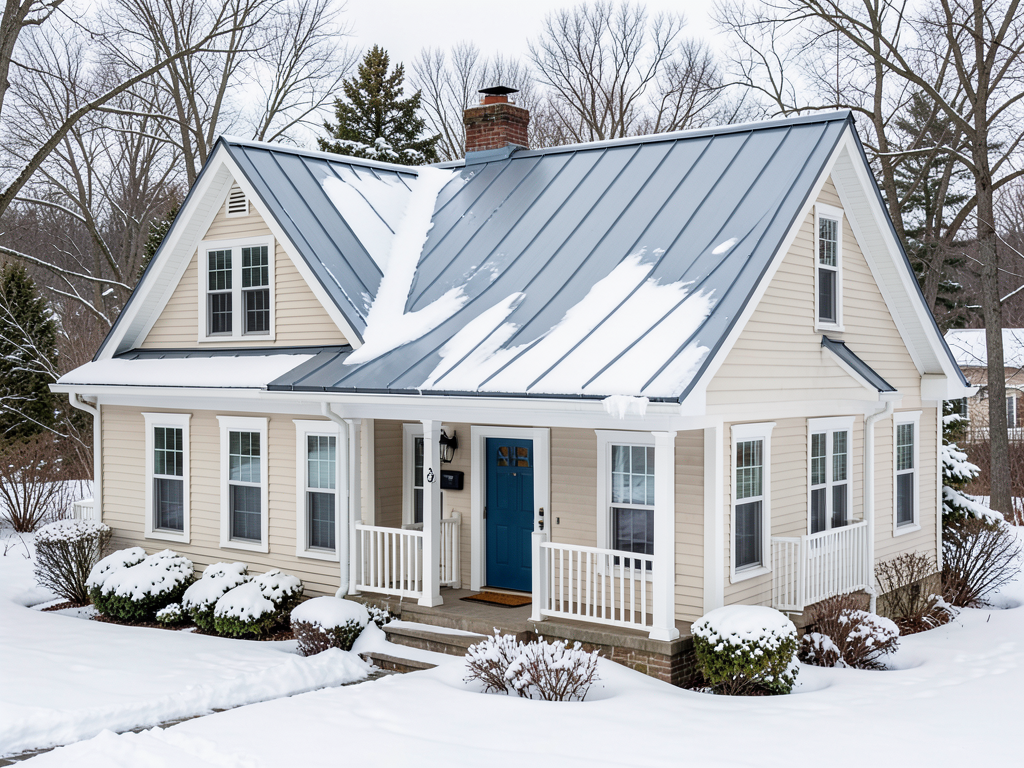
Eco Friendly Roofing Materials That Actually Stand Up to Minnesota Winters in Seward
Seward homeowners care about the planet but also know Minnesota winters do not care about your eco-friendly plans. You need materials that keep your home warm through -20°F nights and shed heavy snow without cracking under freeze-thaw cycles. This guide breaks down sustainable roofing options that work in Seward’s climate and meet Minneapolis building codes. Trusted Roofing Contractors in St. Louis Park for Shingle Replacement.
Why Sustainable Roofing Makes Sense in Minneapolis
Minneapolis faces unique challenges. Summer humidity and winter snow loads both stress roofing systems. Ice dams form when heat escapes through poor insulation and melts rooftop snow. Sustainable materials resist these problems better than standard asphalt.
Energy efficiency matters year-round. A well-insulated metal roof reflects summer heat and keeps winter warmth inside. This reduces heating and cooling costs in a city where temperatures swing from 90°F to -20°F. Sustainable options also divert waste from landfills. Many metal roofs contain 25-95% recycled content and are fully recyclable at end of life. Energy Star rated roofing materials.
Top Eco-Friendly Roofing Materials for Seward Homes
Metal Roofing: Longevity and Recyclability
Standing seam metal roofs last 40-70 years in Minnesota. Steel panels with galvalume coating resist rust. Aluminum works well for coastal areas but costs more. Metal reflects solar heat in summer and sheds snow easily in winter.
Metal roofing contains recycled steel or aluminum. At end of life the entire roof recycles into new metal products. This closed-loop system appeals to Seward’s environmentally conscious residents. Metal also qualifies for Energy Star ratings when coated with reflective finishes.. Read more about Is Your Older Seward Home Strong Enough to Handle This Winter’s Snow Load?.
Recycled Synthetic Shingles: Impact Resistance for Hail
Products like Euroshield and Brava use recycled rubber and plastic to create shingles that mimic slate or cedar. These materials resist hail damage better than traditional asphalt. They flex rather than crack when temperatures drop below zero. Storm Damage Roof Inspections in Plymouth – What to Look for After a Major Storm.
Recycled shingles divert tires and plastic from landfills. A typical roof uses 600-1000 pounds of recycled material. These products carry 50-year warranties and handle Minnesota’s freeze-thaw cycles without splitting.
Cool Roofs and Solar Integration
Cool roof coatings reflect infrared radiation. This keeps homes cooler in summer and reduces air conditioning costs. In winter these roofs still provide insulation value when paired with proper attic ventilation.
Solar-ready roofing prepares your home for future photovoltaic installation. Standing seam metal works best for solar panel mounting. The seams provide secure attachment points without penetrating the roof surface.
Green/Living Roofs: Urban Minneapolis Applications
Vegetated roofs work on flat commercial buildings and some modern homes. They provide insulation, absorb stormwater, and create wildlife habitat. Minneapolis building codes require structural engineering review for green roof installations. Commercial Roof Maintenance.
Green roofs need proper waterproofing and drainage layers. They add 15-30 pounds per square foot when saturated. This weight requires reinforced roof structures. Seward’s older homes may need structural upgrades before installing green roofs.
Comparing Sustainable Roofing Options
| Material | Lifespan (Years) | Recycled Content | Ice Dam Resistance |
|---|---|---|---|
| Standing Seam Metal | 40-70 | 25-95% | Excellent |
| Recycled Synthetic | 40-50 | 95-100% | Very Good |
| Cool Roof Coating | 15-20 | 0% | Good |
| Green Roof System | 30-50 | 0% | Excellent |
Ice Dam Prevention Through Sustainable Insulation
Ice dams form when warm attic air melts snow on the roof. Water runs down and refreezes at the eaves. This creates damaging ice buildup. Sustainable insulation prevents this problem.
Cellulose insulation contains 75-85% recycled paper. It provides better air sealing than fiberglass batts. Spray foam creates an airtight barrier but uses petrochemicals. Mineral wool offers fire resistance and sound dampening.
Proper attic ventilation works with insulation. Soffit vents draw cold air in while ridge vents allow warm air to escape. This keeps the roof deck cold and prevents snow melt. Minneapolis building codes require minimum ventilation ratios based on attic floor area.
Minneapolis Building Codes for Eco-Friendly Materials
Minnesota Residential Code Section R905.1.2 mandates ice and water shield in ice dam prone areas. This self-adhering membrane goes under roofing materials at eaves and in valleys. Sustainable materials must still meet this requirement.
Energy codes require minimum R-values for roof assemblies. Current standards call for R-49 to R-60 in attics. Metal roofs with proper insulation exceed these requirements. Green roofs provide additional insulation value through soil and plant layers.
Minneapolis requires permits for roof replacements. The city reviews plans for structural adequacy and energy compliance. Sustainable materials often qualify for expedited permitting due to their energy efficiency benefits. How Much Does a Full Roof Replacement Cost in Bloomington?.
Financial Incentives for Sustainable Roofing
Xcel Energy offers rebates for cool roof installations. The utility provides up to $0.20 per square foot for roofs meeting Energy Star standards. This can offset 10-15% of installation costs.
The federal Inflation Reduction Act provides tax credits for energy-efficient home improvements. Roofs meeting certain insulation and reflectivity standards qualify for 30% of costs up to $1,200. Solar installations receive additional credits.
Hennepin County offers green building grants for projects exceeding energy code requirements. These grants range from $1,000 to $5,000 based on projected energy savings. Green roof installations may qualify for stormwater fee reductions. Hennepin County shingle recycling facilities.
Local Waste Diversion and Recycling
Hennepin County operates shingle recycling facilities in Brooklyn Park and Bloomington. These centers process old asphalt shingles into road base material. Metal recycling centers accept steel and aluminum roofing for cash payment.
Keystone Roofing partners with local recycling facilities to divert 90% of roofing waste from landfills. We separate metal, plastic, and wood components for proper recycling. This reduces disposal fees and environmental impact.
Seward residents can drop off small amounts of metal roofing at the South Transfer Station on Hiawatha Avenue. The facility accepts steel, aluminum, and copper for free recycling.
ROI of Eco-Friendly Roofing in the Twin Cities
| Material | Initial Cost vs Asphalt | Energy Savings (Annual) | Payback Period |
|---|---|---|---|
| Standing Seam Metal | 2-3x higher | $300-500 | 12-15 years |
| Recycled Synthetic | 1.5-2x higher | $200-400 | 15-20 years |
| Cool Roof Coating | 1.2-1.5x higher | $150-300 | 8-12 years |
| Green Roof System | 3-4x higher | $400-600 | 20-25 years |
Stormwater Management in the Twin Cities
Minneapolis requires commercial properties to manage stormwater runoff. Green roofs absorb 60-80% of rainfall. This reduces strain on municipal storm sewers during heavy rains.
Permeable pavers and rain gardens complement sustainable roofing. These systems work together to filter pollutants before water enters lakes and rivers. Seward’s proximity to the Mississippi River makes stormwater management critical.
Residential properties can install rain barrels to collect roof runoff. This water irrigates gardens and reduces municipal water use. A 1,000 square foot roof collects 600 gallons from one inch of rain.
Choosing the Right Sustainable Option for Your Seward Home
Consider your home’s architecture and budget. Tudor and Cape Cod styles in Seward often suit metal roofing with historic color options. Modern homes accommodate green roofs and solar installations better.
Budget drives material selection. Cool roof coatings offer lowest upfront costs but need replacement every 15-20 years. Metal roofs cost more initially but last decades longer. Calculate lifetime costs including energy savings.
Check your homeowner association rules if applicable. Some associations restrict visible changes to roof appearance. Metal roofing comes in colors that mimic traditional materials while providing sustainability benefits.
Installation Considerations for Minnesota Weather
Winter installation requires special techniques. Metal panels need expansion gaps to prevent buckling in extreme cold. Synthetic shingles require higher nailing temperatures to prevent cracking.. Read more about Comparing Synthetic Slate and High End Asphalt for Your Medicine Lake Property.
Spring and fall offer ideal installation conditions. Summer heat can make materials too flexible for proper installation. Winter cold makes materials brittle and difficult to work with.
Proper underlayment matters more than roofing material selection. Synthetic underlayments breathe better than traditional felt. They prevent moisture buildup under sustainable roofing systems.
Maintenance Requirements for Sustainable Roofs
Metal roofs need minimal maintenance. Annual inspections check for loose fasteners and debris buildup. Snow and ice slide off naturally without manual removal.. Read more about Deciding Between Natural Cedar and Synthetic Shakes for Your Deephaven Home.
Green roofs require regular maintenance. This includes weeding, fertilizing, and irrigation system checks. Professional maintenance costs $0.25-0.50 per square foot annually.. Read more about Extending the Life of Your North Loop Flat Roof with Professional Silicone Coatings.
Recycled synthetic shingles need occasional cleaning to maintain appearance. Power washing at low pressure removes algae and debris. Avoid harsh chemicals that could damage recycled content.. Read more about How to Spot Those Ugly Black Algae Streaks on Your Bryn Mawr Roof (And Get Rid of Them).
Energy Performance in Extreme Temperatures
Minnesota experiences 140°F temperature swings annually. Sustainable materials handle this better than traditional options. Metal expands and contracts without damage when properly installed.
Insulation performance matters more than roofing material in extreme cold. Even the best sustainable roof loses heat through poor insulation. Focus on attic insulation and ventilation for maximum energy savings.
Solar reflectance works in winter too. Light-colored roofs reflect heat from low winter sun angles. This reduces heat gain through south-facing roof surfaces.. Read more about Adding Natural Light to Your Dark Crystal Home with Tubular Skylights.
Local Examples of Sustainable Roofing in Seward
Several Seward homes showcase successful sustainable roofing installations. A 1920s bungalow on 47th Avenue features standing seam metal with historic green finish. The roof has performed flawlessly through multiple polar vortex events.
A modern home near Matthews Park uses recycled synthetic shingles with integrated solar panels. The system has reduced energy bills by 40% while providing storm resistance.
Commercial buildings along Franklin Avenue increasingly adopt green roofs. The Seward Co-op’s expansion includes a 5,000 square foot vegetated roof that manages all stormwater on site.
Future Trends in Sustainable Roofing
BIPV (Building Integrated Photovoltaics) replaces traditional roofing materials entirely. Solar shingles from companies like GAF and Tesla integrate with conventional roofing patterns. These products cost more but eliminate separate solar panel installation.
Phase change materials store thermal energy in roof assemblies. These substances melt and freeze at specific temperatures, moderating indoor climate. This technology reduces heating and cooling loads significantly.
Smart roofing systems monitor moisture, temperature, and structural stress. Sensors alert homeowners to developing problems before major damage occurs. This preventive approach extends roof life and prevents costly repairs. Expert Flat Roof Repair Services for Uptown Businesses and Modern Lofts.
Making the Right Choice for Your Home
Evaluate your priorities. If you want maximum environmental benefit, green roofs and recycled materials make sense. For lowest lifetime cost, metal roofing provides the best value. For easiest installation, cool roof coatings work well on existing roofs.
Consider your home’s age and structure. Older homes may need structural upgrades for heavy sustainable materials. Newer construction often accommodates green roofs and solar installations more easily.
Factor in local climate patterns. Seward’s lake effect can increase snowfall on certain roof orientations. Choose materials that shed snow effectively to prevent excessive loads.
Next Steps for Seward Homeowners
Start with a professional roof assessment. An experienced contractor evaluates your current roof condition, attic insulation, and ventilation. This determines whether sustainable options make sense for your specific situation.. Read more about Deciding Whether to File an Insurance Claim or Pay Out of Pocket in Falcon Heights.
Research local incentives and rebates. Xcel Energy’s website lists current cool roof programs. The federal energy tax credit website details available credits for energy-efficient improvements.
Request quotes from contractors specializing in sustainable roofing. Ask about recycled content percentages, warranty terms, and installation experience with Minnesota winters. Verify proper licensing and insurance coverage.
You may also find this helpful. Is Your Columbia Heights Roof Sturdy Enough for Solar Panel Installation?.
Ready to explore sustainable roofing options for your Seward home? Call Keystone Roofing Minneapolis at (651) 588-9277 for a free consultation. We’ll help you choose materials that protect your home and the environment through every Minnesota season.
{
“@context”: “https://schema.org”,
“@type”: “BlogPosting”,
“headline”: “Eco Friendly Roofing Materials That Actually Stand Up to Minnesota Winters in Seward”,
“description”: “Discover sustainable roofing options that survive Minneapolis winters. Compare metal, recycled shingles, cool roofs, and green systems for Seward homes.”,
“wordCount”: 1856,
“datePublished”: “2026-03-30T12:41:00.000Z”,
“dateModified”: “2026-03-30T12:41:00.000Z”,
“inLanguage”: “en-US”,
“mainEntityOfPage”: {
“@type”: “WebPage”,
“@id”: “https://keystoneroofingminneapolis.com”
},
“publisher”: {
“@type”: “LocalBusiness”,
“name”: “Keystone Roofing Minneapolis”,
“url”: “https://keystoneroofingminneapolis.com”
},
“author”: {
“@type”: “Organization”,
“name”: “Keystone Roofing Minneapolis”,
“url”: “https://keystoneroofingminneapolis.com”
},
“image”: {
“@type”: “ImageObject”,
“url”: “https://keystoneroofingminneapolis.com/wp-content/uploads/2026/03/eco-friendly-roofing-materials-that-actually-stand-1.png”
}
}
{
“@context”: “https://schema.org”,
“@type”: “RoofingContractor”,
“name”: “Keystone Roofing Minneapolis”,
“url”: “https://keystoneroofingminneapolis.com”,
“address”: {
“@type”: “PostalAddress”,
“addressLocality”: “Minneapolis”
},
“areaServed”: {
“@type”: “City”,
“name”: “Minneapolis”
}
}
{
“@context”: “https://schema.org”,
“@type”: “BreadcrumbList”,
“itemListElement”: [
{
“@type”: “ListItem”,
“position”: 1,
“name”: “Home”,
“item”: “https://keystoneroofingminneapolis.com”
},
{
“@type”: “ListItem”,
“position”: 2,
“name”: “Blog”,
“item”: “https://keystoneroofingminneapolis.com/blog”
},
{
“@type”: “ListItem”,
“position”: 3,
“name”: “Eco Friendly Roofing Materials That Actually Stand Up to Minnesota Winters in Seward”
}
]
}
{
“@context”: “https://schema.org”,
“@type”: “Service”,
“serviceType”: “Roofing”,
“provider”: {
“@type”: “LocalBusiness”,
“name”: “Keystone Roofing Minneapolis”,
“url”: “https://keystoneroofingminneapolis.com”
},
“areaServed”: {
“@type”: “City”,
“name”: “Minneapolis”
},
“description”: “Discover sustainable roofing options that survive Minneapolis winters. Compare metal, recycled shingles, cool roofs, and green systems for Seward homes.”
}
