
Finding a Reliable Roofer in Northeast Minneapolis Who Understands Older Homes
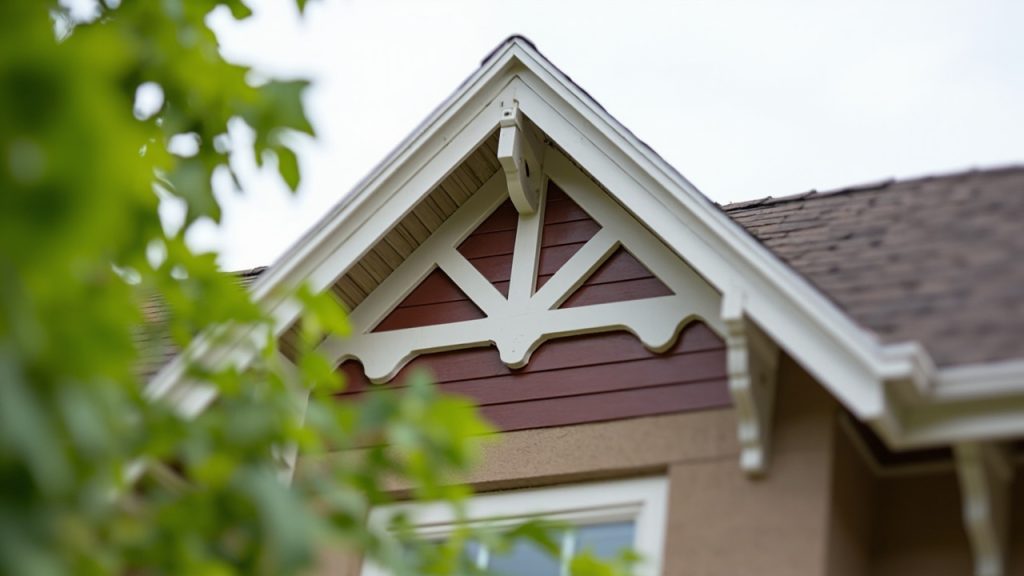
Older homes in Northeast Minneapolis come with character, charm, and roofing challenges that many contractors simply do not understand. When your mid-century bungalow or historic craftsman develops a leak, you need someone who knows how to work with aging materials and unconventional structural details rather than someone who recommends ripping everything down and starting over.
The difference between a roofer who grasps the nuances of older construction and one who treats your roof like a commodity is significant. A contractor familiar with Northeast Minneapolis architecture knows that your home’s slope, ventilation system, and flashing requirements differ from modern suburban builds. This knowledge saves you thousands of dollars and extends your roof’s lifespan.
What Makes Northeast Minneapolis Roofs Different
Northeast Minneapolis neighborhoods like North Loop and the Arts District contain homes built primarily from the 1920s through 1960s. These properties feature distinctive architectural styles including Victorian details, Craftsman elements, and mid-century simplicity. Each style presents specific roofing considerations.
Many older homes in this area sit on clay soil with high water tables, particularly those near the Mississippi River. This means gutter systems and roof drainage require careful planning. Poor drainage does not just damage the roof. It affects foundation health and can trigger ice dam formation during Minnesota’s harsh winters.
Older homes also typically have lower roof slopes than modern construction. This creates standing water issues and requires different material choices than steeply pitched roofs. A contractor unfamiliar with low-slope roofs on historic homes often applies modern solutions that fail within five to seven years.
Why Generic Roofing Contractors Fail on Older Homes
Many roofing companies treat Northeast Minneapolis homes like any other residential roof. They send crews trained only on modern asphalt shingle installation and TPO commercial systems. This creates problems.
Generic contractors often miss critical details specific to older construction. They install ice and water shield without understanding your home’s attic ventilation needs. Minnesota State Building Code Chapter 1300 mandates specific ice and water shield placement extending 24 inches past the interior wall line. Yet some crews apply standard installation practices that leave your attic vulnerable to freeze-thaw damage.
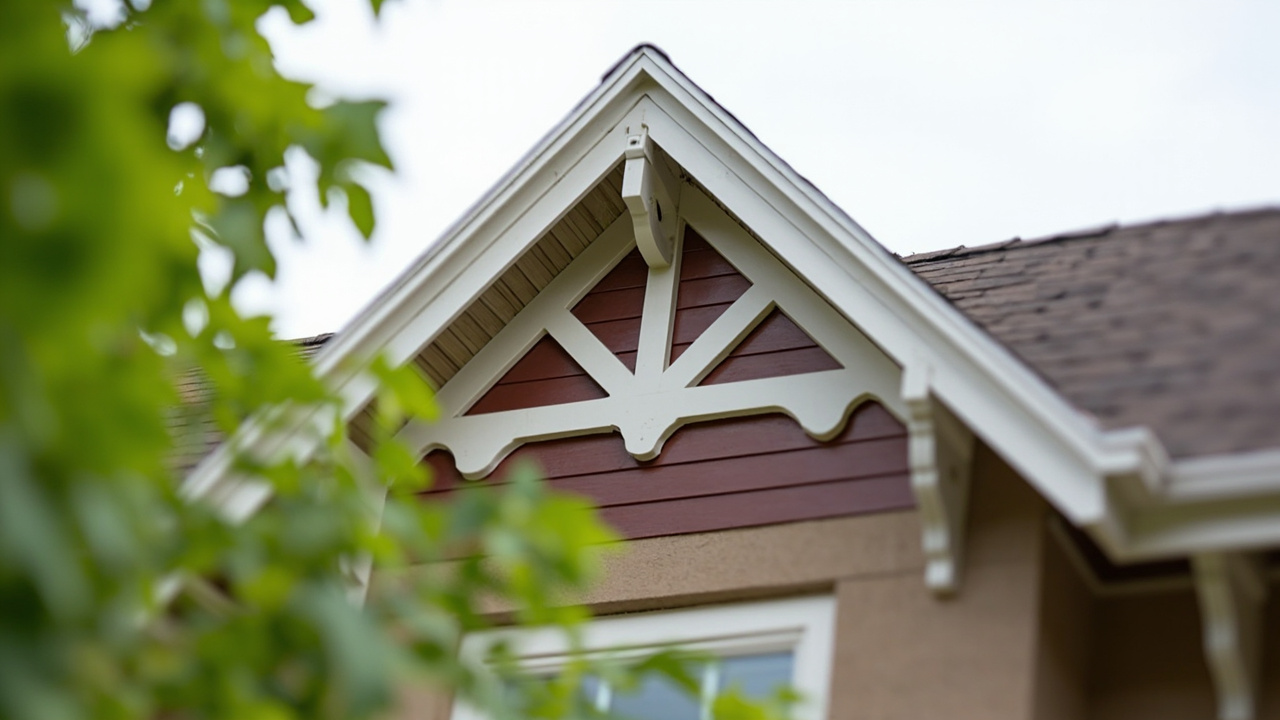
These contractors also struggle with flashing around unusual architectural features. Older homes feature decorative cornices, dormers, and valleys that require custom flashing solutions. A roofer trained only on standard suburban roofs will use pre-formed solutions that do not fit your home’s geometry, leading to leaks within months.
Insurance claims become another pain point. Contractors unfamiliar with older construction cannot accurately document pre-existing conditions versus storm damage, complicating your claim process. This costs you money and time.
Key Qualifications to Demand in Your Northeast Minneapolis Roofer
Start by asking specific questions during your initial contact. A qualified contractor should discuss your home’s architectural style without you mentioning it first. They should ask about your attic ventilation, insulation levels, and current moisture issues.
Look for contractors holding Minnesota Department of Labor and Industry residential building contractor licenses. Request the license number and verify it online through the Minnesota Department of Labor and Industry verification portal. This single step eliminates unlicensed operators who cut corners on historic properties.
Ask about their experience with low-slope roofs on older homes. Request references specifically from properties built before 1970 in North Loop or the Arts District. A contractor with genuine experience should provide several local references within a five-mile radius of your address.
Verify they understand Minnesota building codes. They should mention requirements like R-49 insulation for residential attics and specific ventilation-to-square-footage ratios. If they brush past these topics, they lack the technical depth needed for older homes.
Confirm they carry liability insurance and provide proof. This protects you if they damage your home during work. A contractor unwilling to show insurance documentation is not worth hiring.
Architectural Styles and Roofing Solutions in Northeast Minneapolis
| Home Style | Build Era | Typical Roof Challenges | Recommended Approach |
|---|---|---|---|
| Victorian | 1890-1920 | Complex geometry with multiple valleys. Decorative cornices requiring custom flashing. Low slopes prone to standing water. | Custom metal flashing. Asphalt architectural shingles or standing seam metal. Professional ice dam prevention system. |
| Craftsman | 1910-1940 | Deep overhangs with exposed rafter tails. Decorative gable ends. Moderate slopes with poor attic ventilation. | Premium architectural shingles matching original details. Ridge vents and soffit venting upgrades. Custom metal work around brackets. |
| Mid-Century Rambler | 1950-1970 | Very low slopes. Flat roof sections over additions. Limited attic space causing condensation. Heavy snow load stress. | TPO or EPDM systems for flat sections. Asphalt shingles on sloped areas. Vapor barriers and ventilation enhancements. Structural assessment for snow load capacity. |
Each style demands roofing solutions specific to its design. A contractor treating all three the same way will leave your home vulnerable.
The Ice Dam Problem in Northeast Minneapolis Winter
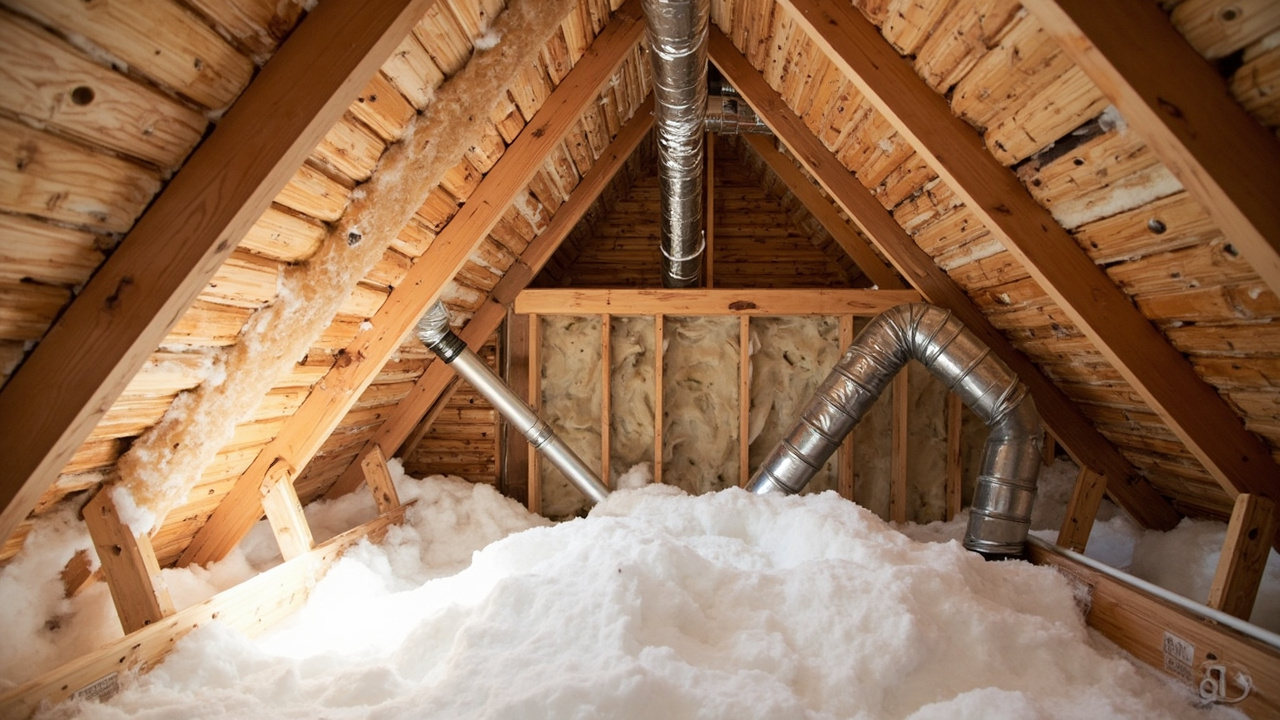
Minneapolis experiences extreme freeze-thaw cycles that stress older roof systems more than modern ones. Ice dams form when heat escapes through the roof, melts snow on the roof surface, and the water refreezes at the cold eaves. This creates a dam that forces water under your shingles and into your attic.
Older homes are particularly susceptible because they often lack proper attic insulation and ventilation. Many homes built before 1970 have insufficient insulation for current winters. Adding R-49 insulation to meet current Minnesota State Building Code standards requires careful installation to maintain proper air flow.
A contractor experienced with Northeast Minneapolis older homes understands this cycle. They know that adding insulation without proper ventilation creates condensation problems worse than the original ice dams. They install balanced ventilation systems that work with your home’s existing structure rather than against it.
Proper ice dam prevention includes ice and water shield installation, gutter sizing for your specific roof pitch and exposure, and often heated gutter systems for the most vulnerable areas. Your roofer should discuss all options during the initial inspection, not push one solution for every home.
Northeast Minneapolis Clay Soil and Freeze-Thaw Inspection Red Flags
The clay-heavy soil beneath North Loop and Arts District properties creates unique inspection concerns that differ from other Minnesota regions. Clay soil compacts tightly and drains poorly, which affects how water moves around your foundation and under your roof structure.
When inspecting your roof, an experienced Northeast Minneapolis contractor looks for specific warning signs of soil-related problems. Water staining on basement walls or interior foundation cracks indicate poor drainage around your home. These problems accelerate when a roof fails because water no longer sheds away from your foundation properly.
The freeze-thaw cycle creates additional stress on clay-soil properties. Water penetrates the soil, freezes, expands, and can shift your home’s foundation slightly. A roofer familiar with clay-soil properties understands that ice dam prevention becomes even more critical because groundwater already saturates the soil beneath your home. Proper drainage systems protect both your roof and your foundation integrity.
Homes near the Mississippi River face higher groundwater tables year-round. This means condensation problems in your attic worsen faster than in higher-elevation properties. An experienced contractor addresses this during ventilation planning, not after water damage spreads.
Insurance Adjuster Differences Between Older and Modern Homes
Insurance companies evaluate storm damage on 1920s-1960s homes differently than modern builds because aging materials show wear patterns that complicate damage assessment. An adjuster unfamiliar with older construction may deny legitimate claims or approve unnecessary replacements.
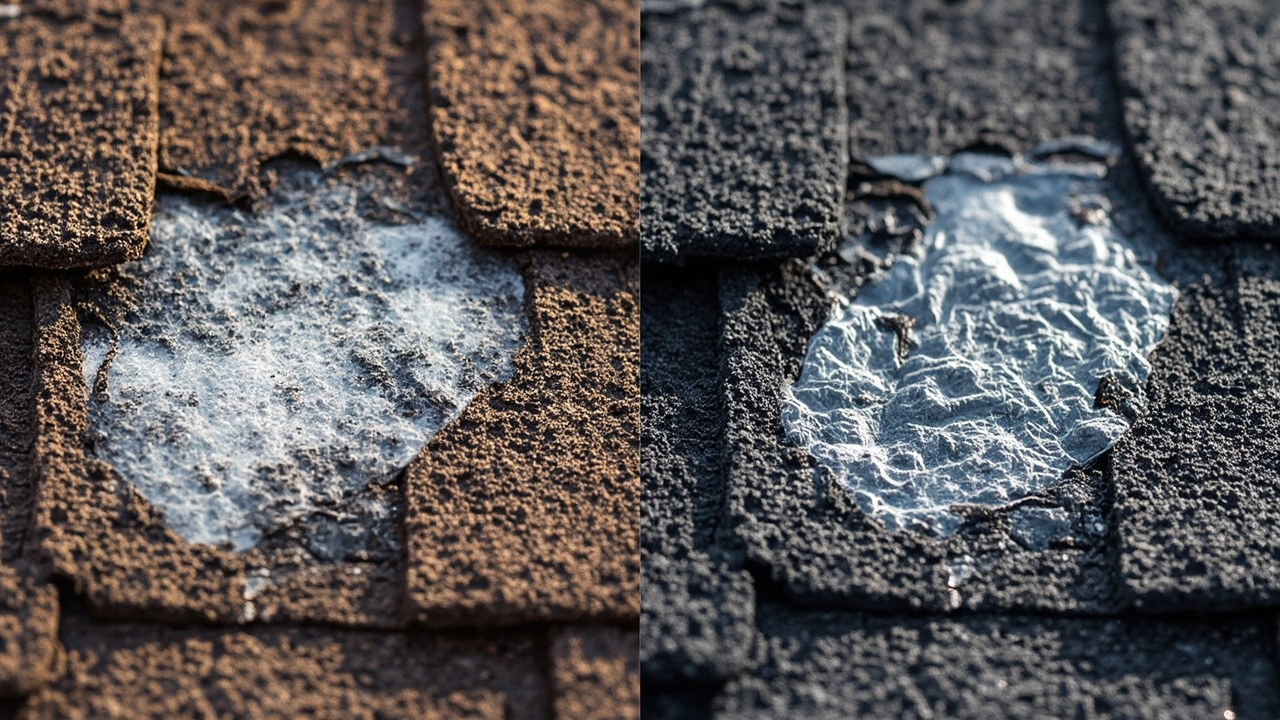
On older asphalt shingles, hail damage appears as surface bruising that differs from the deep impact marks on modern shingles. Weather cracking and curl on older shingles can look like impact damage but reflects normal aging. A qualified roofer documents these differences with photos and explains the distinction during the adjuster inspection.
Modern homes with higher-quality shingles show hail damage as well-defined craters. Adjusters trained primarily on modern homes may look for these same crater patterns on your 1950s home and miss the subtler damage on weathered materials. Your roofer bridges this knowledge gap by explaining how your specific shingle type displays storm damage.
When you call your insurance company after a storm, request an adjuster with experience evaluating older homes. Your roofer should attend the inspection and document the difference between pre-existing conditions and new damage. This expertise strengthens your claim position significantly.
Storm Damage Assessment and Insurance Claims
Minnesota experiences regular hail storms from late May through July. Older roofs with weathered shingles show hail damage differently than newer ones. A contractor unfamiliar with aging materials might misidentify normal weathering as new storm damage or miss legitimate damage on older roofs.
This expertise becomes crucial during the claims process. Insurance companies deny claims when they cannot clearly distinguish new damage from old deterioration. A qualified roofer provides detailed documentation with photos, measurements, and comparisons that strengthen your claim position.
Questions to Ask During Your Roof Inspection
The inspection conversation separates experienced contractors from surface-level operators. Ask these specific questions.
- How many roofs have you installed on homes built before 1970 in North Loop or the Arts District?
- What is my current attic insulation level and does it meet Minnesota code?
- Do I have adequate soffit and ridge venting, and will you upgrade the system if needed?
- What type of ice and water shield will you use and how far past the interior wall line will it extend?
- Have you identified any structural issues I should address before re-roofing?
- How will you handle the unique flashing requirements on my roof?
- What warranty do you offer on workmanship, and how does it differ from manufacturer warranties?
- How long will the project take and what disruptions should I expect?
- Can you provide a detailed written estimate breaking down materials and labor by roof section?
A contractor who answers these thoroughly and asks follow-up questions about your specific situation is worth serious consideration. One who rushes through inspection or provides only a one-page estimate is cutting corners.
Materials That Work on Northeast Minneapolis Older Homes
| Material Type | Best Applications | Longevity in Minneapolis Climate | Cost Factors |
|---|---|---|---|
| Architectural Asphalt Shingles | All roof slopes above 4 to 12. Matches historic appearance. Mid-range to steep pitches. | 18-25 years with proper ventilation. Minnesota freeze-thaw cycles reduce lifespan compared to southern climates. | Mid-range. Quality varies significantly. GAF Master Elite or Owens Corning Platinum Preferred products offer better performance. |
| Standing Seam Metal | Steep slope Victorian or Craftsman roofs. Decorative applications. Modern restorations. | 30-50 years. Excellent for Minnesota climate. Superior snow shedding. | Higher material cost. Labor intensive. Long-term value superior to shingles. |
| TPO or EPDM | Flat roof sections. Modern additions. Low-slope areas. | 20-30 years. Strong performance in Minnesota. UV exposure affects longevity. | Moderate. EPDM typically costs more than TPO but lasts longer in freeze-thaw climates. |
| Slate or Tile | Historic restoration. High-end Victorian homes. Specialty work. | 50-100 years. Extremely durable in Minnesota climate. | Very high. Requires specialized installation. Few contractors have expertise. Consider only for critical historic restoration. |
Local Building Codes You Should Know About
Minnesota State Building Code Chapter 1300 governs residential roof construction. Understanding these requirements helps you evaluate contractor recommendations.
The code mandates that ice and water shield extend 24 inches past the interior wall line on all roofs. This protects vulnerable areas where ice dams form most frequently. Contractors cutting this short to save material costs are violating code and risking your home’s safety.
Ventilation requirements specify minimum air flow for attic spaces. The code generally requires one square foot of ventilation for every 150 square feet of attic space in cold climates. Older homes often fall short of this standard. A qualified roofer will discuss ventilation upgrades as part of the roofing project.
Insulation requirements have changed significantly. Current code calls for R-49 attic insulation in Minnesota. Most homes built before 1980 have R-19 or R-30 at best. While roof replacement does not require attic insulation upgrades, a contractor familiar with older homes will discuss the energy implications and present options for addressing the deficit.
These code requirements exist because Minnesota’s climate is unforgiving. Freeze-thaw cycles, heavy snow loads, and extended cold periods stress roof systems. Cutting corners to save money violates code and guarantees future problems.
Soil and Drainage Considerations for Northeast Minneapolis Homes
Northeast Minneapolis sits on clay-heavy soil common in the North Loop and Arts District environment. This soil type compacts tightly and drains poorly. Water that runs off your roof needs somewhere to go, and poor drainage can damage your foundation and create erosion around your home.
Homes near the Mississippi River sit at higher water tables, increasing drainage challenges. A contractor familiar with the area understands that generic gutter and downspout placement may not work for your property. They evaluate soil conditions and drainage patterns before finalizing drainage plans.
Some contractors recommend French drains or downspout extensions without understanding your soil conditions. Others suggest solutions that violate city stormwater requirements. A local expert knows Minneapolis environmental services regulations and designs systems that comply while protecting your property.
Getting Estimates You Can Actually Compare
Request written estimates from at least three contractors. Each estimate should break down costs by roof section, specifying materials and labor separately. This lets you compare apples to apples rather than accepting the lowest bid without understanding what you are getting.
Red flags on estimates include lack of detail, vague material descriptions, and one-page quotes on complex projects. A contractor who cannot be bothered to provide a detailed estimate will cut corners during installation.
Ask each contractor to specify the exact shingle grade or metal gauge they propose. Request written confirmation of warranty terms. Clarify whether the estimate includes removal and disposal of old roofing, ventilation upgrades, and flashing replacement.
The cheapest estimate is rarely the best value. A contractor who quotes significantly lower than others may be using inferior materials or planning inadequate ventilation work. The highest estimate is not automatically best either. The best estimate comes from a contractor who explains their approach thoroughly, addresses your specific concerns, and stands behind their work with strong references.
How to Verify Contractor Experience in Your Neighborhood
Ask contractors to provide references from homes built before 1970 within North Loop or the Arts District. Request permission to drive by completed projects. A contractor confident in their work welcomes this scrutiny.
Call references and ask specific questions about the project timeline, how well the contractor communicated, whether the final product matched the estimate, and how the roof has performed. Ask about any problems that emerged after project completion.
Search online reviews and check the Better Business Bureau for complaint history. One negative review among many positive ones is normal. Multiple unresolved complaints suggest systemic problems.
Contact the Minnesota Department of Labor and Industry to verify the contractor holds a valid residential building contractor license. Request their license number and verify it in the state database. An unlicensed contractor cannot be held accountable through legal channels if problems arise.
The Inspection Process for Older Homes
A thorough inspection for an older home takes longer than a standard estimate. A contractor who spends less than an hour on your roof is likely missing critical details.
Your inspector should climb into the attic and evaluate insulation, ventilation, moisture levels, and structural condition. They should photograph areas of concern. They should discuss what they found and what it means for your roof project.
The inspector should evaluate gutters and downspouts for proper sizing and function. They should look at flashing around chimneys, vents, dormers, and other penetrations. They should assess the condition of fascia and soffit boards, which often need replacement on older homes.
Most importantly, the inspector should explain their findings in a way you understand. If you leave the inspection confused about what needs to be done and why, they have not done their job well.
Timeline and Disruption for Roof Projects on Older Homes
Roof replacement on older homes typically takes longer than on modern suburban houses. Complex roof geometry with multiple valleys and unusual shapes requires more time for proper flashing installation. Ventilation upgrades add days to the project timeline.
Weather in Northeast Minneapolis is unpredictable. Spring and fall projects face potential rain delays. Summer projects may hit hail storms. A realistic contractor builds in weather buffer time and communicates schedule expectations clearly.
Roofing generates noise and debris. Establish clear daily work hours and cleanup expectations before signing the contract. Ask whether the contractor will protect your plants and driveway. Confirm they will remove all roofing debris and old materials daily.
If you have significant tree coverage on your property, discuss how that affects the project. Contractors may need to trim branches for safety or to access certain roof areas. Get this in writing rather than assuming it will be handled appropriately.
Warranty and Post-Project Follow-Up
Understand the difference between manufacturer warranties and workmanship warranties. Manufacturer warranties cover defects in the shingles or roofing materials. Workmanship warranties cover the installation quality.
A quality contractor backs their work with a strong workmanship warranty, typically five to ten years. This provides recourse if problems emerge within that period. Confirm the warranty covers labor repairs for items like leaks caused by improper installation.
Ask the contractor to schedule a one-year follow-up visit to inspect the roof and identify any issues. This catches problems early before they become expensive repairs.
After project completion, request a photo record of the completed work. This provides documentation for future insurance claims and helps with the roof’s resale value if you ever sell your home.
Common Warning Signs of Inexperienced Roofers
Contractors who rush through estimates without examining your attic often miss critical issues. Ones who ignore ventilation and only focus on shingle replacement are cutting corners. Those who cannot articulate why your roof has failed are operating without proper diagnostic skills.
Beware contractors who recommend complete tear-off and replacement for every roof. Sometimes roof repair or partial replacement is appropriate for older homes. A contractor viewing everything as tear-off and replace is likely padding their profits rather than serving your interests.
Roofers who discourage you from getting multiple estimates may be hiding something. Confident contractors welcome comparison shopping. Those who pressure you to decide immediately are using sales tactics rather than building relationships.
Watch for contractors who cannot explain their materials or installation process in plain language. Those who use industry jargon without explaining it or claim their approach is proprietary are likely overcomplicating simple concepts to seem more knowledgeable than they are.
Next Steps for Finding Your Northeast Minneapolis Roofer
Start by requesting a free inspection from a qualified contractor with proven Northeast Minneapolis experience. Specifically request someone trained on older homes and willing to address ventilation and building code compliance.
Provide the contractor with information about your home’s age, construction style, and any roofing problems you have noticed. Describe any interior water damage or ice dam issues. This context helps them prepare a more accurate estimate.
During the inspection, take detailed notes on their recommendations and ask for written documentation. A contractor should follow up with a detailed written estimate within a few business days.
Compare at least two estimates from contractors who meet the qualifications outlined in this article. Prioritize experience with older homes over lowest price. Request references and call them before making your decision.
Once you select a contractor, establish clear communication expectations. Confirm who you will contact with questions and how quickly they respond. Clarify the project timeline and payment schedule before work begins.
If your roof needs replacement, do not delay. Minnesota winters are harsh. A deteriorating roof on an older home compromises structural integrity and allows water damage to spread quickly. The longer you wait, the more expensive the final repair becomes.
A contractor familiar with Northeast Minneapolis older homes brings knowledge that saves you thousands in unnecessary work and protects your home’s long-term value. The investment in hiring the right person pays dividends through decades of reliable performance. Contact a qualified local roofer today to schedule your inspection.
{
“@context”: “https://schema.org”,
“@type”: “BlogPosting”,
“headline”: “Finding a Reliable Roofer in Northeast Minneapolis Who Understands Older Homes”,
“description”: “Hire a roofer who understands North Loop and Arts District older homes. Expert guidance on 1920s-1960s construction, ice dams, and insurance claims.”,
“wordCount”: 3290,
“datePublished”: “2026-03-14T13:53:00.000Z”,
“dateModified”: “2026-03-14T13:53:00.000Z”,
“inLanguage”: “en-US”,
“mainEntityOfPage”: {
“@type”: “WebPage”,
“@id”: “https://keystoneroofingminneapolis.com”
},
“publisher”: {
“@type”: “LocalBusiness”,
“name”: “Keystone Roofing Minneapolis”,
“url”: “https://keystoneroofingminneapolis.com”
},
“author”: {
“@type”: “Organization”,
“name”: “Keystone Roofing Minneapolis”,
“url”: “https://keystoneroofingminneapolis.com”
},
“image”: {
“@type”: “ImageObject”,
“url”: “https://keystoneroofingminneapolis.com/wp-content/uploads/2026/03/finding-a-reliable-roofer-in-northeast-minneapolis-1.jpg”
}
}
{
“@context”: “https://schema.org”,
“@type”: “RoofingContractor”,
“name”: “Keystone Roofing Minneapolis”,
“url”: “https://keystoneroofingminneapolis.com”,
“address”: {
“@type”: “PostalAddress”,
“addressLocality”: “Minneapolis”
},
“areaServed”: {
“@type”: “City”,
“name”: “Minneapolis”
}
}
{
“@context”: “https://schema.org”,
“@type”: “BreadcrumbList”,
“itemListElement”: [
{
“@type”: “ListItem”,
“position”: 1,
“name”: “Home”,
“item”: “https://keystoneroofingminneapolis.com”
},
{
“@type”: “ListItem”,
“position”: 2,
“name”: “Blog”,
“item”: “https://keystoneroofingminneapolis.com/blog”
},
{
“@type”: “ListItem”,
“position”: 3,
“name”: “Finding a Reliable Roofer in Northeast Minneapolis Who Understands Older Homes”
}
]
}
{
“@context”: “https://schema.org”,
“@type”: “Service”,
“serviceType”: “Roofing”,
“provider”: {
“@type”: “LocalBusiness”,
“name”: “Keystone Roofing Minneapolis”,
“url”: “https://keystoneroofingminneapolis.com”
},
“areaServed”: {
“@type”: “City”,
“name”: “Minneapolis”
},
“description”: “Hire a roofer who understands North Loop and Arts District older homes. Expert guidance on 1920s-1960s construction, ice dams, and insurance claims.”
}
