
How Intense July Heat Causes Your South Minneapolis Shingles to Expand and Crack
When July temperatures soar in Minneapolis, your roof faces a silent assault that most homeowners never see. The combination of intense UV radiation, high humidity, and rapid temperature swings creates perfect conditions for asphalt shingles to expand, blister, and eventually crack. This damage happens gradually but accelerates each summer, potentially cutting years off your roof’s lifespan. Asphalt Roofing Manufacturers Association.
South Minneapolis homes, particularly those with south-facing roofs, bear the brunt of this heat damage. The urban heat island effect combined with Minnesota’s extreme seasonal temperature swings creates a perfect storm for thermal shock. Understanding how this damage occurs can help you spot problems early and take action before small issues become major leaks. Storm Damage Roof Inspections in Plymouth – What to Look for After a Major Storm.
What Heat Damage Looks Like on Your Minneapolis Roof
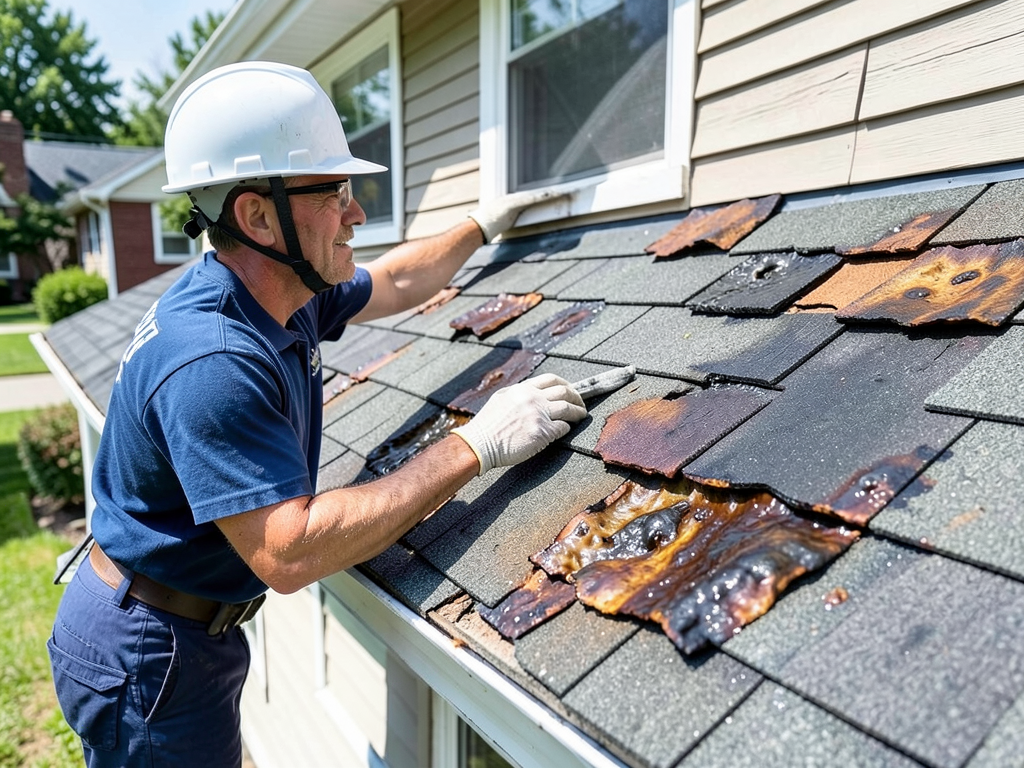
Heat-damaged shingles show several distinct warning signs that any Minneapolis homeowner should recognize. The most common indicator is blistering, where moisture trapped beneath the shingle surface expands and creates raised bubbles. These blisters eventually break open, exposing the underlying asphalt to further degradation.
Curling is another telltale sign, especially noticeable along the shingle edges. As asphalt heats up and cools down repeatedly, the material loses flexibility and begins to warp. You might notice the corners of your shingles lifting away from the roof deck, creating gaps where water can penetrate.
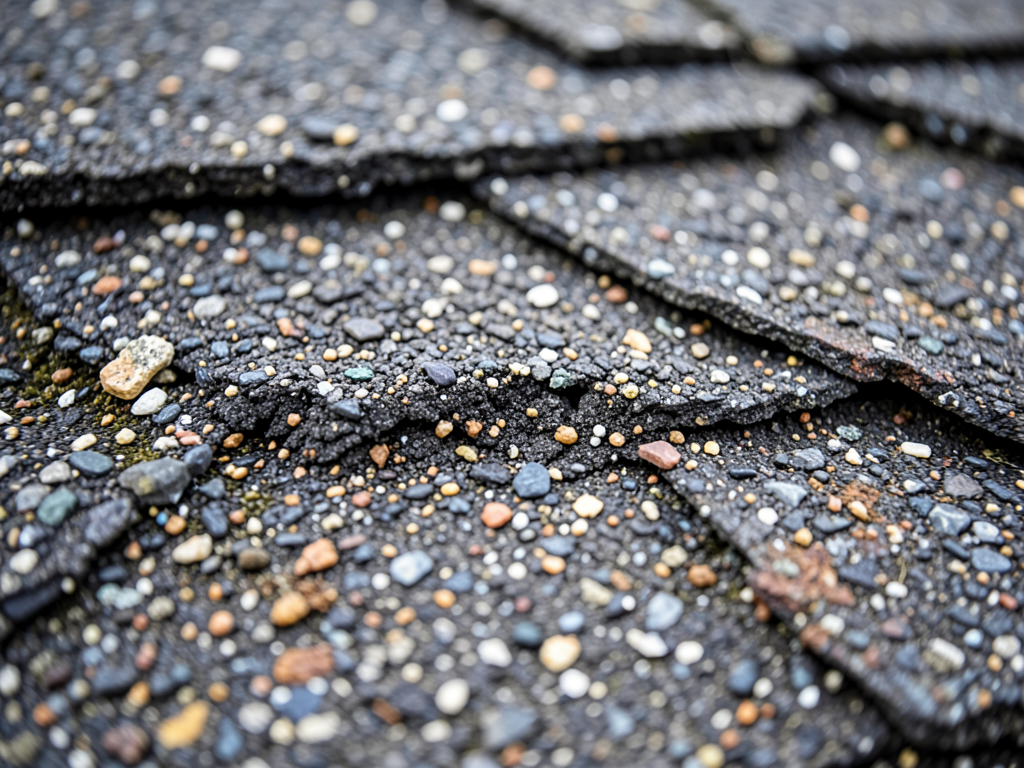
Granule loss represents a more advanced stage of heat damage. Those tiny ceramic-coated stone particles that give shingles their color and UV protection start falling off in patches. After a heavy rain, you might see these granules accumulating in your gutters or downspouts, looking like coarse black sand.. Read more about What Those Annoying Nail Pops on Your Bloomington Roof Actually Mean.
“Alligatoring” describes the cracked, scaly pattern that appears on severely damaged shingles. The surface takes on a rough, reptilian texture as the asphalt breaks down under constant thermal stress. This condition often appears first on south-facing slopes where sun exposure is most intense.
The Minneapolis Climate Factor
Minneapolis experiences some of the most extreme temperature swings in the continental United States, creating unique challenges for roofing materials. July temperatures routinely climb into the 90s, while overnight lows can drop into the 60s. This 30-degree swing forces shingles to expand and contract dramatically within a single day. Trusted Roofing Contractors in St. Louis Park for Shingle Replacement.
The high humidity common to Minnesota summers compounds the problem. When hot air holds more moisture, that moisture can penetrate through tiny cracks in your roof’s surface. As temperatures fluctuate, this trapped moisture expands and contracts, accelerating the breakdown of asphalt fibers.
Urban areas like South Minneapolis face additional challenges from the heat island effect. Dark asphalt roofs absorb and retain heat more efficiently than surrounding areas, creating surface temperatures that can exceed 150 degrees on sunny July afternoons. This extreme heat accelerates chemical breakdown of the asphalt binder that holds your shingles together.
Local building patterns in neighborhoods like Tangletown and Kingfield often feature closely spaced homes with minimal tree cover. This architectural reality means many roofs receive direct sunlight for 10-12 hours daily during peak summer months, maximizing exposure to damaging UV radiation.
Thermal Shock: The Hidden Danger
Thermal shock occurs when roofing materials experience rapid temperature changes, causing internal stress that leads to cracking and splitting. In Minneapolis, this phenomenon happens frequently during summer thunderstorms. A roof surface heated to 150 degrees can cool to 80 degrees in minutes when a storm front passes through.
This rapid cooling causes the outer layer of shingles to contract while the inner layers remain expanded. The resulting stress creates microscopic cracks that grow larger with each thermal cycle. Over time, these cracks compromise the shingle’s ability to shed water effectively.
The problem intensifies in areas with poor air circulation. Homes in denser neighborhoods like Lynnhurst or Armatage often have minimal airflow around their roof edges, trapping heat and moisture. This creates a greenhouse effect that amplifies temperature extremes and accelerates damage.
Certain roof colors common in Minneapolis area homes can worsen thermal shock. Dark brown or black shingles, popular for their traditional appearance, absorb significantly more heat than lighter colors. On a 90-degree day, a dark roof might reach 160 degrees while a light-colored roof stays closer to 120 degrees.
Attic Ventilation: Your First Line of Defense
Proper attic ventilation plays a crucial role in preventing heat damage to your shingles. When hot air becomes trapped in your attic space, it creates a “slow bake” effect that degrades shingles from the underside. This hidden damage often goes unnoticed until it becomes severe.
Effective ventilation systems balance intake and exhaust to create continuous airflow. Soffit vents draw cool air in along the roof edges while ridge vents or powered fans expel hot air from the peak. This circulation keeps attic temperatures closer to ambient outdoor temperatures, reducing stress on your shingles.
Many older homes in Minneapolis neighborhoods like Fulton or Windom Park were built before modern ventilation standards. These homes often lack adequate intake vents or have blocked soffit areas from insulation. The resulting heat buildup can raise attic temperatures 30-40 degrees above outdoor readings.
Current Minnesota building codes require specific ventilation ratios based on attic square footage. For every 300 square feet of attic space, you need at least 1 square foot of net free ventilation area. Homes built before 2010 may not meet these standards, leaving them vulnerable to heat-related damage.
Identifying When Heat Damage Becomes Critical
Not all heat damage requires immediate roof replacement. Understanding when to repair versus replace can save thousands of dollars. Small areas of blistering or minor curling might only need spot repairs, while widespread deterioration signals the need for full replacement. EPA Heat Island Effect Information.
Age matters significantly in heat damage assessment. A 10-year-old roof showing early signs of curling might benefit from repairs and improved ventilation. However, a 20-year-old roof with similar symptoms likely needs complete replacement since the underlying material has reached the end of its useful life. How Much Does a Full Roof Replacement Cost in Bloomington?.
The extent of damage provides another diagnostic clue. Isolated problems affecting less than 10% of your roof surface often respond well to targeted repairs. When damage covers 30% or more of visible areas, replacement becomes more cost-effective than patchwork solutions. Expert Flat Roof Repair Services for Uptown Businesses and Modern Lofts.
Water infiltration indicates serious structural compromise. If you notice water stains on your ceiling after summer storms, heat-damaged shingles have likely lost their waterproofing ability. This situation requires immediate professional assessment to prevent interior damage to your home.
Consider this diagnostic checklist when evaluating your roof’s condition:
- Age of roof (most asphalt shingles last 20-25 years in Minnesota)
- Percentage of visible damage
- Presence of water infiltration
- Effectiveness of current ventilation
- Local climate exposure (south-facing slopes suffer most)
- Cost comparison between repair and replacement
Insurance Considerations for Heat Damage
Insurance companies typically classify heat damage as “wear and tear” rather than a covered peril. This distinction means standard policies rarely cover heat-related deterioration, leaving homeowners responsible for repair or replacement costs.
However, secondary damage from heat-compromised shingles might qualify for coverage. If cracked shingles allow water infiltration that damages your home’s interior, the resulting water damage claim could be covered even though the original cause was excluded.
Documenting your roof’s condition becomes crucial for insurance purposes. Take dated photos of your roof each summer to establish a baseline. This documentation helps demonstrate whether damage resulted from normal aging or sudden catastrophic failure.
Professional inspections provide additional protection. A certified roofing contractor can identify heat damage early and recommend preventive measures. Some insurance companies offer premium discounts for homes with documented regular maintenance and inspections. Commercial Roof Maintenance.
Prevention Strategies for Minneapolis Homeowners
Several strategies can minimize heat damage to your South Minneapolis roof. The most effective approach combines immediate improvements with long-term planning to extend your roof’s lifespan and maintain its protective capabilities.
Improving attic ventilation often provides the quickest return on investment. Adding ridge vents, improving soffit airflow, or installing powered attic fans can reduce roof surface temperatures by 10-15 degrees. This temperature reduction significantly slows the degradation of asphalt shingles.
Consider roof color when planning future replacements. Light-colored or “cool roof” shingles reflect more solar radiation than traditional dark colors. While white shingles might not suit every home’s aesthetic, lighter shades of gray or tan can reduce heat absorption without dramatic visual changes.
Strategic landscaping can provide natural shade for vulnerable roof areas. Planting deciduous trees on south-facing sides allows winter sun exposure while providing summer shade. This approach works particularly well for homes in areas like Linden Hills or Kenny where lot sizes permit meaningful landscaping.
Regular maintenance prevents minor issues from becoming major problems. Clean gutters ensure proper water drainage, preventing moisture buildup that accelerates heat damage. Remove debris that can trap moisture against your roof surface, especially in valleys where water naturally concentrates.
Comparing Heat Damage to Other Roof Threats
Understanding how heat damage differs from other common roof problems helps homeowners make informed decisions. While heat damage occurs gradually over years, storm damage happens suddenly and often dramatically.. Read more about Understanding the Impact of Wildfire Smoke and Ash on Your Roofing Materials.
Heat damage typically affects entire roof surfaces uniformly, while hail damage creates random impact patterns. Heat blistering appears as widespread bubbles, whereas hail strikes show as concentrated dents with crushed granules around impact points.
Wind damage usually affects roof edges and corners first, creating lifting or tearing patterns. Heat damage, conversely, often concentrates on south-facing slopes where sun exposure is most intense. The two types of damage can occur simultaneously but require different repair approaches.
Ice dam damage in winter creates different symptoms than summer heat damage. While heat damage causes surface deterioration, ice dams typically result in water infiltration through the roof edge. The seasonal nature of these problems means many Minneapolis homes face both threats throughout the year.
Understanding these differences becomes crucial when dealing with insurance claims. Insurance adjusters look for specific damage patterns to determine whether problems resulted from covered events or normal wear and tear.
Table: Heat Damage Progression Timeline
| Age of Roof | Typical Heat Damage | Recommended Action |
|---|---|---|
| 0-5 years | Minimal surface wear | Regular inspection, preventive maintenance |
| 5-10 years | Early granule loss, minor curling | Improve ventilation, spot repairs as needed |
| 10-15 years | Moderate blistering, increased curling | Consider ventilation upgrades, partial replacement of severe areas |
| 15-20 years | Widespread deterioration, potential leaks | Full inspection, likely replacement needed |
| 20+ years | Severe cracking, water infiltration likely | Replacement strongly recommended |
Table: Ventilation Improvement Options
| Improvement Type | Cost Range | Temperature Reduction | Best For |
|---|---|---|---|
| Ridge Vent Installation | $400-$800 | 10-15°F | Homes with adequate soffit vents |
| Solar Attic Fan | $600-$1,200 | 15-25°F | Homes with ventilation imbalances |
| Soffit Vent Addition | $300-$600 | 5-10°F | Homes with blocked or insufficient intake |
| Attic Insulation Upgrade | $1,000-$3,000 | Variable | Homes with poor thermal barriers |
| Complete Ventilation Retrofit | $2,000-$5,000 | 20-30°F | Older homes with outdated systems |
Protecting Your Investment
Your roof represents one of your home’s most significant investments. Understanding how July heat affects your South Minneapolis shingles helps you make informed decisions about maintenance, repairs, and eventual replacement.
Regular professional inspections catch problems early when they’re most affordable to fix. A certified roofing contractor can identify heat damage patterns, assess ventilation effectiveness, and recommend targeted improvements that extend your roof’s useful life.
Consider the long-term cost of neglect versus preventive maintenance. While improving ventilation or repairing minor damage requires upfront investment, these measures often prevent thousands of dollars in premature replacement costs or interior water damage.
The Minneapolis climate will always challenge your roof with extreme temperature swings and humidity. However, understanding these challenges and taking proactive steps can help your shingles withstand the summer heat and continue protecting your home for years to come.
Frequently Asked Questions
How can I tell if my shingles are heat damaged versus just old?
Heat damage typically shows as blistering, curling, and granule loss concentrated on south-facing slopes. Age-related wear appears more uniformly across the entire roof surface. A professional inspection can distinguish between the two patterns.
Will improving my attic ventilation really make a difference?
Yes, proper ventilation can reduce roof surface temperatures by 10-30 degrees, significantly slowing asphalt degradation. Many Minneapolis homes have inadequate ventilation, making improvements one of the most cost-effective ways to extend roof life.
How often should I have my roof inspected for heat damage?
Professional inspections every two years are recommended, with additional checks after extreme heat waves or storms. Early detection of heat damage allows for targeted repairs before problems escalate.
Can I repair heat-damaged shingles or do I need a full replacement?
Minor damage affecting less than 10% of your roof often responds well to spot repairs and ventilation improvements. Widespread deterioration or roofs over 15 years old typically require complete replacement for optimal protection.
Does roof color really affect heat damage?
Absolutely. Dark-colored shingles can reach temperatures 50-70 degrees hotter than light-colored alternatives on sunny days. While color choice affects aesthetics, it significantly impacts your roof’s heat absorption and degradation rate.
What’s the typical cost to repair heat damage versus replacing the roof?
Spot repairs for heat damage typically cost $300-$1,000, while full roof replacement for an average Minneapolis home ranges from $8,000-$15,000. The decision depends on damage extent, roof age, and ventilation effectiveness.
How does Minneapolis humidity specifically affect shingle heat damage?
High humidity allows more moisture to penetrate small cracks in shingles. When temperatures fluctuate, this trapped moisture expands and contracts, accelerating asphalt breakdown. The combination of heat and humidity creates a more aggressive degradation environment than dry heat alone.
Are certain Minneapolis neighborhoods more prone to heat damage?
Homes in areas with less tree cover, like parts of Kingfield or Tangletown, often experience more severe heat damage due to increased sun exposure. Urban heat island effects in denser neighborhoods can also intensify temperature extremes on roof surfaces.
- Safety First
Use binoculars from the ground or hire a professional. Never walk on a hot roof surface.
- Check South-Facing Areas
Focus on slopes that receive the most sun exposure, looking for blistering or curling.
- Examine Granule Loss
Check gutters for excessive granule accumulation, which indicates advanced deterioration.
- Look for Moisture Signs
Check your attic for water stains or mold that might indicate compromised shingles.
- Document Findings
Take photos and notes to track changes over time and share with professionals.
Take Action Before Minor Damage Becomes Major Problems
Heat damage to your South Minneapolis shingles won’t fix itself. Each summer of neglect accelerates deterioration, potentially leading to costly interior damage or premature roof replacement. The good news is that early intervention through professional inspection and targeted improvements can add years to your roof’s lifespan.
Don’t wait until water stains appear on your ceiling or shingles start falling off in chunks. A comprehensive roof assessment can identify heat damage patterns, evaluate your ventilation system, and provide specific recommendations for your home’s unique situation.
Keystone Roofing Minneapolis has been helping local homeowners protect their investments since 2010. Our team understands the specific challenges that Minneapolis weather creates for roofing materials. We provide honest assessments without high-pressure sales tactics, focusing on solutions that make sense for your home and budget.
Call us today at (651) 588-9277 to schedule your professional roof inspection. Our experienced technicians will evaluate your shingles for heat damage, assess your ventilation system, and provide clear recommendations for protecting your home. Don’t let another summer of intense heat compromise your roof’s ability to protect what matters most.
Early detection and proper maintenance can save you thousands of dollars and prevent the stress of emergency repairs. Contact Keystone Roofing Minneapolis now to ensure your roof is ready for whatever weather comes next.
{
“@context”: “https://schema.org”,
“@type”: “BlogPosting”,
“headline”: “How Intense July Heat Causes Your South Minneapolis Shingles to Expand and Crack”,
“description”: “Discover how July heat damages South Minneapolis shingles through thermal expansion, UV exposure, and poor attic ventilation. Learn to spot the warning signs before costly repairs.”,
“wordCount”: 2608,
“datePublished”: “2026-06-11T09:50:00.000Z”,
“dateModified”: “2026-06-11T09:50:00.000Z”,
“inLanguage”: “en-US”,
“mainEntityOfPage”: {
“@type”: “WebPage”,
“@id”: “https://keystoneroofingminneapolis.com”
},
“publisher”: {
“@type”: “LocalBusiness”,
“name”: “Keystone Roofing Minneapolis”,
“url”: “https://keystoneroofingminneapolis.com”
},
“author”: {
“@type”: “Organization”,
“name”: “Keystone Roofing Minneapolis”,
“url”: “https://keystoneroofingminneapolis.com”
},
“image”: {
“@type”: “ImageObject”,
“url”: “https://keystoneroofingminneapolis.com/wp-content/uploads/2026/03/how-intense-july-heat-causes-your-south-minneapoli-1.png”
}
}
{
“@context”: “https://schema.org”,
“@type”: “RoofingContractor”,
“name”: “Keystone Roofing Minneapolis”,
“url”: “https://keystoneroofingminneapolis.com”,
“address”: {
“@type”: “PostalAddress”,
“addressLocality”: “Minneapolis”
},
“areaServed”: {
“@type”: “City”,
“name”: “Minneapolis”
}
}
{
“@context”: “https://schema.org”,
“@type”: “FAQPage”,
“mainEntity”: [
{
“@type”: “Question”,
“name”: “How can I tell if my shingles are heat damaged versus just old?”,
“acceptedAnswer”: {
“@type”: “Answer”,
“text”: “Heat damage typically shows as blistering, curling, and granule loss concentrated on south-facing slopes. Age-related wear appears more uniformly across the entire roof surface. A professional inspection can distinguish between the two patterns.”
}
},
{
“@type”: “Question”,
“name”: “Will improving my attic ventilation really make a difference?”,
“acceptedAnswer”: {
“@type”: “Answer”,
“text”: “Yes, proper ventilation can reduce roof surface temperatures by 10-30 degrees, significantly slowing asphalt degradation. Many Minneapolis homes have inadequate ventilation, making improvements one of the most cost-effective ways to extend roof life.”
}
},
{
“@type”: “Question”,
“name”: “Can I repair heat-damaged shingles or do I need a full replacement?”,
“acceptedAnswer”: {
“@type”: “Answer”,
“text”: “Minor damage affecting less than 10% of your roof often responds well to spot repairs and ventilation improvements. Widespread deterioration or roofs over 15 years old typically require complete replacement for optimal protection.”
}
},
{
“@type”: “Question”,
“name”: “Does roof color really affect heat damage?”,
“acceptedAnswer”: {
“@type”: “Answer”,
“text”: “Absolutely. Dark-colored shingles can reach temperatures 50-70 degrees hotter than light-colored alternatives on sunny days. While color choice affects aesthetics, it significantly impacts your roof’s heat absorption and degradation rate.”
}
},
{
“@type”: “Question”,
“name”: “What’s the typical cost to repair heat damage versus replacing the roof?”,
“acceptedAnswer”: {
“@type”: “Answer”,
“text”: “Spot repairs for heat damage typically cost $300-$1,000, while full roof replacement for an average Minneapolis home ranges from $8,000-$15,000. The decision depends on damage extent, roof age, and ventilation effectiveness.”
}
},
{
“@type”: “Question”,
“name”: “How does Minneapolis humidity specifically affect shingle heat damage?”,
“acceptedAnswer”: {
“@type”: “Answer”,
“text”: “High humidity allows more moisture to penetrate small cracks in shingles. When temperatures fluctuate, this trapped moisture expands and contracts, accelerating asphalt breakdown. The combination of heat and humidity creates a more aggressive degradation environment than dry heat alone.”
}
},
{
“@type”: “Question”,
“name”: “Are certain Minneapolis neighborhoods more prone to heat damage?”,
“acceptedAnswer”: {
“@type”: “Answer”,
“text”: “Homes in areas with less tree cover, like parts of Kingfield or Tangletown, often experience more severe heat damage due to increased sun exposure. Urban heat island effects in denser neighborhoods can also intensify temperature extremes on roof surfaces.”
}
}
]
}
{
“@context”: “https://schema.org”,
“@type”: “HowTo”,
“name”: “How to Inspect Your Roof for Heat Damage”,
“step”: [
{
“@type”: “HowToStep”,
“position”: 1,
“name”: “Safety First”,
“text”: “Use binoculars from the ground or hire a professional. Never walk on a hot roof surface.”
},
{
“@type”: “HowToStep”,
“position”: 2,
“name”: “Check South-Facing Areas”,
“text”: “Focus on slopes that receive the most sun exposure, looking for blistering or curling.”
},
{
“@type”: “HowToStep”,
“position”: 3,
“name”: “Examine Granule Loss”,
“text”: “Check gutters for excessive granule accumulation, which indicates advanced deterioration.”
},
{
“@type”: “HowToStep”,
“position”: 4,
“name”: “Look for Moisture Signs”,
“text”: “Check your attic for water stains or mold that might indicate compromised shingles.”
},
{
“@type”: “HowToStep”,
“position”: 5,
“name”: “Document Findings”,
“text”: “Take photos and notes to track changes over time and share with professionals.”
}
],
“image”: “https://keystoneroofingminneapolis.com/wp-content/uploads/2026/03/how-intense-july-heat-causes-your-south-minneapoli-1.png”
}
{
“@context”: “https://schema.org”,
“@type”: “BreadcrumbList”,
“itemListElement”: [
{
“@type”: “ListItem”,
“position”: 1,
“name”: “Home”,
“item”: “https://keystoneroofingminneapolis.com”
},
{
“@type”: “ListItem”,
“position”: 2,
“name”: “Blog”,
“item”: “https://keystoneroofingminneapolis.com/blog”
},
{
“@type”: “ListItem”,
“position”: 3,
“name”: “How Intense July Heat Causes Your South Minneapolis Shingles to Expand and Crack”
}
]
}
{
“@context”: “https://schema.org”,
“@type”: “Service”,
“serviceType”: “Roofing”,
“provider”: {
“@type”: “LocalBusiness”,
“name”: “Keystone Roofing Minneapolis”,
“url”: “https://keystoneroofingminneapolis.com”
},
“areaServed”: {
“@type”: “City”,
“name”: “Minneapolis”
},
“description”: “Discover how July heat damages South Minneapolis shingles through thermal expansion, UV exposure, and poor attic ventilation. Learn to spot the warning signs before costly repairs.”
}
