
When oak branches hang over your Wayzata roof they are not just a scenic feature. They are actively shortening your roof’s lifespan. In Minneapolis’ harsh climate, those overhanging limbs scrape shingles, trap moisture, and create perfect conditions for ice dams. This guide breaks down the specific risks for Wayzata homeowners and what you can do about them.
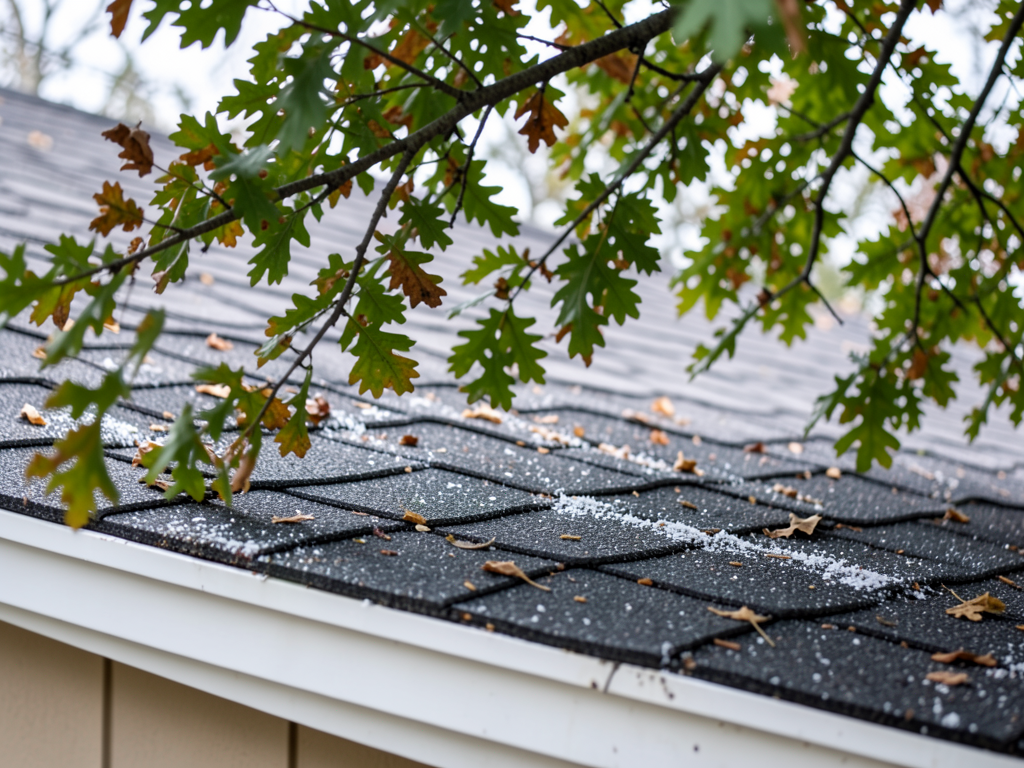
Why Wayzata’s Oak Trees Are a Roofing Risk
Wayzata sits along the Lake Minnetonka shoreline with mature oak trees on nearly every block. These trees add beauty and shade but also create unique roofing problems. Oak limbs can extend 20 feet or more from the trunk. When they overhang your roof, they drop leaves, acorns, and twigs that clog gutters. In winter, snow and ice build up on those branches. When the weight becomes too much, branches can snap and crash onto your roof. Trusted Roofing Contractors in St. Louis Park for Shingle Replacement.
The constant abrasion from branches rubbing against shingles wears away the protective granules. Without those granules, your asphalt shingles lose UV protection and weather resistance. This leads to faster deterioration and leaks. The shade from oak canopies also keeps parts of your roof damp for longer periods. That trapped moisture feeds moss and algae growth, which further breaks down roofing materials.
Five Ways Overhanging Branches Damage Your Roof
Understanding the specific ways branches harm your roof helps you take the right action. Here are the five most common problems Wayzata homeowners face: Choosing the Right Cedar Shake Contractor for Your Minnetonka Home.
- Physical shingle damage – Branches scrape and gouge asphalt shingles, removing protective granules.
- Gutter clogs – Leaves and debris block water flow, causing backups and ice dams.
- Animal access – Squirrels and raccoons use branches as bridges to your attic.
- Moisture and mold – Shade prevents evaporation, letting moss and algae grow.
- Snow load and branch failure – Heavy snow on branches can cause them to break and fall.
Physical Shingle Damage from Branch Contact
When oak branches touch your shingles they act like sandpaper. Every wind gust causes them to scrape back and forth. This scouring action strips away the tiny granules that protect your shingles from UV rays and water. Once those granules are gone, the asphalt underneath breaks down faster. You might notice bald spots on your shingles or see granules collecting in your gutters. This damage shortens your roof’s life by several years. Storm Damage Roof Inspections in Plymouth – What to Look for After a Major Storm.
Wayzata’s freeze-thaw cycles make this worse. Water gets into the tiny scratches and freezes. Ice expands those scratches into bigger cracks. Over time, this freeze-thaw damage can lead to leaks and wood rot in your roof deck.
Gutter Clogs and Water Back-up
Oaks drop massive amounts of leaves, especially in fall. Those leaves land on your roof and wash into your gutters. When gutters clog, water cannot drain properly. Instead of flowing through downspouts, water backs up under your shingles. This creates the perfect conditions for ice dams in winter.. Read more about Is Your Lakeville Gutter System Ready for a Five Inch Rainstorm?.
Ice dams form when heat from your attic melts snow on the roof. The melted water runs down to the colder eaves and refreezes. With clogged gutters, this ice has nowhere to go. It builds up under shingles, causing water to seep into your attic. This leads to stained ceilings, warped walls, and mold growth.
Animal Access: Squirrels and Raccoons
Overhanging branches create highways for pests. Squirrels can jump several feet from a branch to your roof. Once there, they look for ways into your attic. They chew through wood, siding, and even aluminum to make entry holes. Raccoons are even stronger and can tear off shingles or flashing to get inside.
Once in your attic, these animals chew wires, shred insulation, and leave droppings. This creates fire hazards and health risks. The damage from pests often costs more to repair than the original roof damage from branches. Expert Flat Roof Repair Services for Uptown Businesses and Modern Lofts.
Moisture and Mold Growth from Excessive Shade
Oak trees provide excellent shade but that shade keeps your roof damp. After rain or snow, parts of your roof stay wet for days because they never get direct sunlight. This constant moisture feeds moss, algae, and lichen growth.
Moss acts like a sponge, holding water against your shingles. Over time, this water breaks down the asphalt and wood underneath. Algae create dark streaks that trap heat and accelerate aging. Lichen can grow roots into your shingles, causing physical damage when you try to remove it.
The damp environment also attracts insects. Carpenter ants and termites love moist wood. If your roof stays wet long enough, these pests can move from your gutters into your home’s structure.
Snow Load and Branch Failure in Minnesota Winters
Minnesota winters test every part of your home’s exterior. Wayzata gets an average of 55 inches of snow each winter. When that snow lands on overhanging oak branches, the weight adds up quickly. A single branch can hold hundreds of pounds of wet snow.
When branches get too heavy, they can snap and fall onto your roof. This sudden impact can crack rafters, puncture sheathing, or even collapse sections of your roof. The damage often happens at night during storms when you cannot see the danger.
Ice makes this worse. When snow melts slightly and refreezes, it creates ice that weighs even more than snow. Branches coated in ice become brittle and more likely to break. Wayzata’s location near Lake Minnetonka means you often get freezing rain that coats everything in ice.
Minneapolis Tree Ordinances and Your Property Rights
Before you grab your pruning saw, you need to understand Minnesota law. The state follows the common law rule of self-help. This means you can trim branches that hang over your property line. But there are important limits.
You cannot enter your neighbor’s property to trim trees without permission. You must trim from your side only. If you cut too much or kill the tree, you could be liable for damages. Minnesota courts have awarded thousands of dollars when homeowners killed a neighbor’s tree through improper trimming.
Wayzata and other Minneapolis suburbs may have additional ordinances. Some require permits for tree work on trees above a certain size. Others protect certain species or trees in historic districts. Always check with your city’s public works department before cutting.
If a branch from your neighbor’s tree falls on your house, their insurance might cover it. But if the tree was dead or clearly hazardous and they ignored it, they could be liable for negligence. Document any dangerous branches with photos and written notice to your neighbor.
When to Call an Arborist vs. a Roofer
Knowing which professional to call saves time and money. Call an arborist when:
- The tree itself shows signs of disease or decay
- You need to remove entire branches or the whole tree
- The tree is near power lines
- You want to preserve the tree’s health while reducing risk
Call a roofer when:
- You see damaged or missing shingles
- Your roof is leaking
- You need an inspection after storm damage
- You want to install gutter guards or improve ventilation
Sometimes you need both. An arborist can safely remove dangerous branches. Then a roofer can repair any damage and install protective measures like ice and water shield.
Preventing Ice Dams: The Role of Tree Shade
Ice dams are the bane of Minneapolis roofing. They form when heat from your attic melts snow on the roof. The water runs down to the cold eaves and freezes. Overhanging branches make this worse by keeping your roof cold and shaded.
When branches shade your eaves, they prevent the sun from warming that area. This creates a bigger temperature difference between the main roof and the edges. That temperature difference is exactly what ice dams need to form.
Proper attic ventilation helps but cannot overcome excessive shade. The best solution combines branch trimming with ventilation improvements. Keep branches at least 10 feet from your roof to allow sunlight to reach the edges.
Wayzata’s older homes often have poor attic ventilation. Combined with heavy tree cover, this creates perfect ice dam conditions. If you have recurring ice dam problems, consider a professional assessment of both your trees and your attic ventilation.
Tree Species to Avoid Near Your Minneapolis Home
Not all trees create equal roofing problems. Some species are worse than others for homes in the Minneapolis area. Here are trees to avoid planting near your house:
| Tree Species | Why It’s Problematic | Better Alternatives |
|---|---|---|
| Silver Maple | Weak wood breaks easily in storms | Red Maple |
| Boxelder | Fast growth leads to weak structure | River Birch |
| Poplar | Shallow roots and weak wood | American Hornbeam |
| Elm (non-disease resistant) | Susceptible to Dutch elm disease | Basswood |
| Willow | Water-seeking roots damage foundations | Serviceberry |
Good alternatives include trees with strong wood and moderate growth rates. Red Maple, River Birch, and American Hornbeam all handle Minnesota’s climate well. They grow strong enough to resist storm damage but not so large that they threaten your roof.
Remember to plant trees at least 20 feet from your house. This gives them room to grow without becoming a roofing hazard. For larger shade trees, increase that distance to 30 feet or more.
Cost-Benefit Analysis: Tree Trimming vs. Roof Replacement
Wayzata homeowners often ask whether tree trimming is worth the cost. Here is a comparison of typical costs and benefits:
| Service | Typical Cost Range | Lifespan Extension |
|---|---|---|
| Professional tree trimming | $300 – $800 | 5-10 years |
| Roof inspection | $150 – $300 | N/A |
| Shingle replacement (per sq) | $450 – $700 | N/A |
| Full roof replacement | $8,000 – $15,000 | 20-30 years |
Regular tree maintenance costs much less than premature roof replacement. A $500 trimming every few years can add five to ten years to your roof’s life. That delay in replacement can save you thousands of dollars. How Much Does a Full Roof Replacement Cost in Bloomington?.
Beyond money, there is the inconvenience factor. Roof replacement means weeks of noise, debris, and workers on your property. Tree trimming takes a few hours and leaves your property looking better.
Insurance Considerations for Tree Damage
Minnesota homeowners insurance covers sudden, accidental damage from falling trees. If a healthy tree falls during a storm and damages your roof, your policy should cover repairs minus your deductible.
But insurance gets complicated with overhanging branches. If a branch falls because it was dead or diseased and you never addressed it, your claim might be denied. Insurance companies expect you to maintain your property and remove obvious hazards.
Some insurers give discounts for homes with well-maintained landscaping. Others charge more for properties with large trees close to the house. Ask your agent about your specific situation.
After any tree damage, document everything. Take photos before cleanup, keep receipts for emergency repairs, and file your claim promptly. Work with a roofer who has experience with insurance claims to ensure proper documentation.
DIY vs. Professional Tree Work
Trimming branches near your roof is dangerous. Every year, homeowners are injured or killed trying to save money on tree work. Here are the risks of DIY:
- Falling from ladders or roofs
- Being struck by falling branches
- Accidentally cutting through power lines
- Damaging your roof with improper cuts
- Creating unsafe conditions for future storms
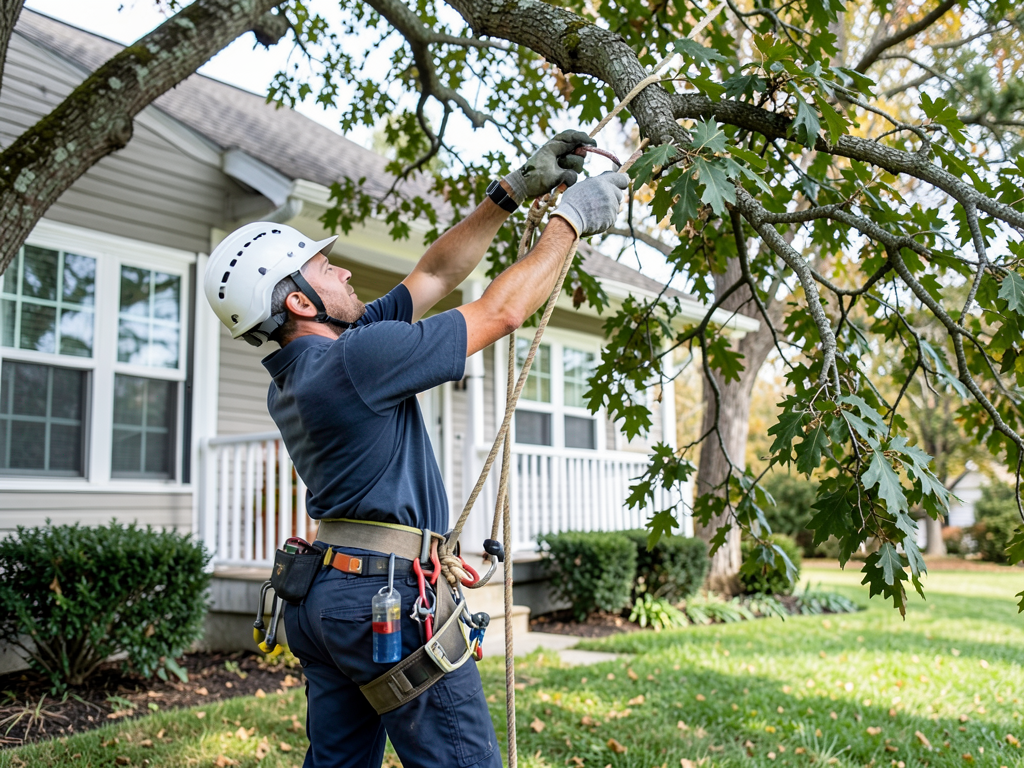
Professional arborists have the equipment, training, and insurance to do the job safely. They use ropes, harnesses, and specialized saws. They know how to make cuts that direct branches away from your house. They also carry liability insurance if something goes wrong.
The cost of professional tree work is minimal compared to potential injuries or property damage. Most Wayzata homeowners find that hiring a certified arborist gives them peace of mind and better results.
Protecting Your Investment: Maintenance Schedule
Regular maintenance prevents most tree-related roof problems. Here is a seasonal schedule for Wayzata homeowners:
- Early Spring
Inspect roof for winter damage. Check for missing shingles or ice dam damage. Have trees inspected for winter damage or disease.
- Late Spring
Clean gutters and downspouts. Trim branches that touch or overhang the roof. Check for signs of pest activity.
- Early Summer
Look for moss or algae growth on shingles. Check attic ventilation. Water trees deeply but away from the foundation.
- Late Summer
Inspect trees for disease or structural problems. Check roof for hail damage after summer storms.
- Early Fall
Clear leaves from roof and gutters. Trim branches that could be problematic in winter. Check for animal entry points.
- Late Fall
Final gutter cleaning. Inspect attic insulation. Consider installing heat cables in problem areas.. Read more about The Ultimate Spring Cleaning Checklist for Your Lake Minnetonka Roof and Gutters.
Following this schedule helps you catch problems early. Small issues like a single damaged shingle are much cheaper to fix than widespread damage from neglect.
Local Resources for Wayzata Homeowners
Wayzata and the greater Minneapolis area offer several resources for tree and roof maintenance:
- City of Wayzata – Check local ordinances and permit requirements
- Minneapolis Park and Recreation Board – Information on tree care and disease management
- University of Minnesota Extension – Research-based advice on tree selection and care
- IICRC – Certification for water damage restoration professionals
These resources provide reliable information specific to Minnesota’s climate and conditions. When in doubt, consult with certified professionals who understand local challenges.
Frequently Asked Questions
How far should tree branches be from my roof?
Keep branches at least 10 feet from your roof. This distance prevents physical contact during wind and allows sunlight to reach the roof surface. For larger trees, increase this distance to 15-20 feet.
Does homeowners insurance cover damage from overhanging branches?
Insurance covers sudden, accidental damage from healthy trees. If a branch falls during a storm and damages your roof, you are likely covered. But if the tree was dead or clearly hazardous and you ignored it, your claim might be denied.
How often should I have my trees trimmed?
Most trees need professional trimming every 3-5 years. Fast-growing species or trees near structures may need attention every 2-3 years. Regular inspections help you determine the right schedule.
Can I trim my neighbor’s tree if it hangs over my property?
Yes, Minnesota law allows you to trim branches up to your property line. But you must do it from your side and cannot kill the tree. If you cause significant damage, you could be liable for the cost of replacing the tree.
What are signs that a tree is dangerous to my roof?
Look for dead branches, cracks in the trunk, fungal growth, or branches that sway excessively in wind. If you see any of these signs, have a certified arborist inspect the tree immediately.
How do I prevent ice dams if I cannot remove my trees?
Focus on attic ventilation and insulation. Keep your attic cold to prevent snow melt. Install ice and water shield under your shingles for extra protection. Consider heat cables in problem areas.
Should I remove a tree that is close to my house?
Removal is a last resort. First try selective trimming to reduce risk. Remove trees only if they are diseased, structurally unsound, or causing significant damage. A certified arborist can help you make this decision.
Take Action to Protect Your Wayzata Roof
Overhanging oak branches are more than just a landscaping concern. They are actively shortening your roof’s life through physical damage, moisture problems, and pest access. In Wayzata’s climate, these risks are amplified by heavy snow, ice storms, and freeze-thaw cycles.
The good news is that most of these problems are preventable. Regular tree trimming, proper gutter maintenance, and timely roof inspections can add years to your roof’s life. The cost of prevention is always less than the cost of emergency repairs or premature replacement.
Don’t wait for a branch to fall through your ceiling. Take a walk around your property this weekend. Look for branches touching your roof or hanging within 10 feet. Check your gutters for debris buildup. If you see any warning signs, call a professional.
Keystone Roofing Minneapolis has been helping Wayzata homeowners protect their roofs for years. We understand the specific challenges that oak trees and Minnesota weather create. Our team can inspect your roof, assess tree risks, and recommend the right solutions.
Call us today at (651) 588-9277 for a free roof health inspection. We will check for tree damage, ice dam risks, and other problems that could cost you thousands if left unaddressed. Your roof protects everything you value. Let us help you keep it in top condition.
Don’t let overhanging branches cost you a new roof. Take action now and save money in the long run. Your Wayzata home deserves the best protection available.
{
“@context”: “https://schema.org”,
“@type”: “BlogPosting”,
“headline”: “How Overhanging Oak Branches Are Shortening the Life of Your Wayzata Roof”,
“description”: “Learn how oak trees near your Wayzata home threaten your roof with damage, ice dams, and pests. Get expert tips on protection and when to call a pro.”,
“wordCount”: 2763,
“datePublished”: “2026-06-19T07:00:00.000Z”,
“dateModified”: “2026-06-19T07:00:00.000Z”,
“inLanguage”: “en-US”,
“mainEntityOfPage”: {
“@type”: “WebPage”,
“@id”: “https://keystoneroofingminneapolis.com”
},
“publisher”: {
“@type”: “LocalBusiness”,
“name”: “Keystone Roofing Minneapolis”,
“url”: “https://keystoneroofingminneapolis.com”
},
“author”: {
“@type”: “Organization”,
“name”: “Keystone Roofing Minneapolis”,
“url”: “https://keystoneroofingminneapolis.com”
},
“image”: {
“@type”: “ImageObject”,
“url”: “https://keystoneroofingminneapolis.com/wp-content/uploads/2026/03/how-overhanging-oak-branches-are-shortening-the-li-1.png”
}
}
{
“@context”: “https://schema.org”,
“@type”: “RoofingContractor”,
“name”: “Keystone Roofing Minneapolis”,
“url”: “https://keystoneroofingminneapolis.com”,
“address”: {
“@type”: “PostalAddress”,
“addressLocality”: “Minneapolis”
},
“areaServed”: {
“@type”: “City”,
“name”: “Minneapolis”
}
}
{
“@context”: “https://schema.org”,
“@type”: “FAQPage”,
“mainEntity”: [
{
“@type”: “Question”,
“name”: “How far should tree branches be from my roof?”,
“acceptedAnswer”: {
“@type”: “Answer”,
“text”: “Keep branches at least 10 feet from your roof. This distance prevents physical contact during wind and allows sunlight to reach the roof surface. For larger trees, increase this distance to 15-20 feet.”
}
},
{
“@type”: “Question”,
“name”: “Does homeowners insurance cover damage from overhanging branches?”,
“acceptedAnswer”: {
“@type”: “Answer”,
“text”: “Insurance covers sudden, accidental damage from healthy trees. If a branch falls during a storm and damages your roof, you are likely covered. But if the tree was dead or clearly hazardous and you ignored it, your claim might be denied.”
}
},
{
“@type”: “Question”,
“name”: “How often should I have my trees trimmed?”,
“acceptedAnswer”: {
“@type”: “Answer”,
“text”: “Most trees need professional trimming every 3-5 years. Fast-growing species or trees near structures may need attention every 2-3 years. Regular inspections help you determine the right schedule.”
}
},
{
“@type”: “Question”,
“name”: “Can I trim my neighbor’s tree if it hangs over my property?”,
“acceptedAnswer”: {
“@type”: “Answer”,
“text”: “Yes, Minnesota law allows you to trim branches up to your property line. But you must do it from your side and cannot kill the tree. If you cause significant damage, you could be liable for the cost of replacing the tree.”
}
},
{
“@type”: “Question”,
“name”: “What are signs that a tree is dangerous to my roof?”,
“acceptedAnswer”: {
“@type”: “Answer”,
“text”: “Look for dead branches, cracks in the trunk, fungal growth, or branches that sway excessively in wind. If you see any of these signs, have a certified arborist inspect the tree immediately.”
}
},
{
“@type”: “Question”,
“name”: “How do I prevent ice dams if I cannot remove my trees?”,
“acceptedAnswer”: {
“@type”: “Answer”,
“text”: “Focus on attic ventilation and insulation. Keep your attic cold to prevent snow melt. Install ice and water shield under your shingles for extra protection. Consider heat cables in problem areas.”
}
},
{
“@type”: “Question”,
“name”: “Should I remove a tree that is close to my house?”,
“acceptedAnswer”: {
“@type”: “Answer”,
“text”: “Removal is a last resort. First try selective trimming to reduce risk. Remove trees only if they are diseased, structurally unsound, or causing significant damage. A certified arborist can help you make this decision.”
}
}
]
}
{
“@context”: “https://schema.org”,
“@type”: “HowTo”,
“name”: “Seasonal Roof and Tree Maintenance”,
“step”: [
{
“@type”: “HowToStep”,
“position”: 1,
“name”: “Early Spring”,
“text”: “Inspect roof for winter damage. Check for missing shingles or ice dam damage. Have trees inspected for winter damage or disease.”
},
{
“@type”: “HowToStep”,
“position”: 2,
“name”: “Late Spring”,
“text”: “Clean gutters and downspouts. Trim branches that touch or overhang the roof. Check for signs of pest activity.”
},
{
“@type”: “HowToStep”,
“position”: 3,
“name”: “Early Summer”,
“text”: “Look for moss or algae growth on shingles. Check attic ventilation. Water trees deeply but away from the foundation.”
},
{
“@type”: “HowToStep”,
“position”: 4,
“name”: “Late Summer”,
“text”: “Inspect trees for disease or structural problems. Check roof for hail damage after summer storms.”
},
{
“@type”: “HowToStep”,
“position”: 5,
“name”: “Early Fall”,
“text”: “Clear leaves from roof and gutters. Trim branches that could be problematic in winter. Check for animal entry points.”
},
{
“@type”: “HowToStep”,
“position”: 6,
“name”: “Late Fall”,
“text”: “Final gutter cleaning. Inspect attic insulation. Consider installing heat cables in problem areas.”
}
],
“image”: “https://keystoneroofingminneapolis.com/wp-content/uploads/2026/03/how-overhanging-oak-branches-are-shortening-the-li-1.png”
}
{
“@context”: “https://schema.org”,
“@type”: “BreadcrumbList”,
“itemListElement”: [
{
“@type”: “ListItem”,
“position”: 1,
“name”: “Home”,
“item”: “https://keystoneroofingminneapolis.com”
},
{
“@type”: “ListItem”,
“position”: 2,
“name”: “Blog”,
“item”: “https://keystoneroofingminneapolis.com/blog”
},
{
“@type”: “ListItem”,
“position”: 3,
“name”: “How Overhanging Oak Branches Are Shortening the Life of Your Wayzata Roof”
}
]
}
{
“@context”: “https://schema.org”,
“@type”: “Service”,
“serviceType”: “Roofing”,
“provider”: {
“@type”: “LocalBusiness”,
“name”: “Keystone Roofing Minneapolis”,
“url”: “https://keystoneroofingminneapolis.com”
},
“areaServed”: {
“@type”: “City”,
“name”: “Minneapolis”
},
“description”: “Learn how oak trees near your Wayzata home threaten your roof with damage, ice dams, and pests. Get expert tips on protection and when to call a pro.”
}
