
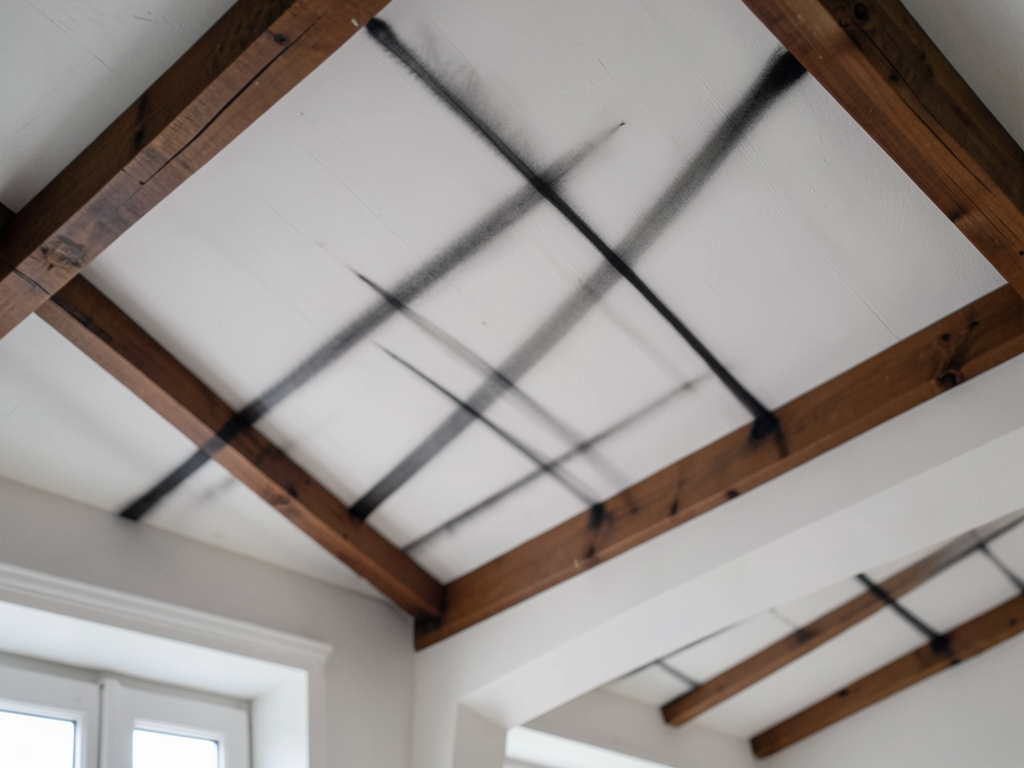
You’re staring at dark streaks running along your ceiling and wondering if your roof is failing. Those ghostly lines aren’t mold or water damage. They’re thermal bridging creating ghosting lines in your Savage attic. Storm Damage Roof Inspections in Plymouth – What to Look for After a Major Storm.
Thermal bridging happens when heat escapes through your attic’s framing members faster than through the insulation. In Minnesota’s brutal winters, this temperature difference pulls moisture and airborne particles toward those cold spots. Over months and years, soot, dust, and other particulates stick to the slightly damp surfaces, creating those distinctive dark streaks that mirror your roof’s rafter pattern.. Read more about Why Your St Louis Park Attic Bypasses Are Costing You a Fortune Every Winter.
How Your Savage Attic’s Thermal Bridging Creates Ghosting Lines
The physics is simple but relentless. Your attic’s wood framing conducts heat better than the surrounding insulation. When warm indoor air hits these cold spots, condensation forms. Minnesota’s extreme temperature swings between heated interiors and subzero outdoor temperatures accelerate this process.
Common culprits in Savage homes include:
- Poor attic insulation allowing heat to escape through rafter bays
- Air leaks from the living space into the attic carrying moisture and particulates
- High indoor humidity from cooking, showering, or humidifiers
- Static electricity attracting airborne particles to damp surfaces
The result is a perfect storm of conditions that create those frustrating ghosting lines along your ceiling.
Is It Mold or Just Ghosting Lines
Many Savage homeowners panic when they see these lines thinking they have a mold problem. Here’s how to tell the difference:
| Ghosting Lines | Mold Growth |
|---|---|
| Follows rafter pattern exactly | Irregular, spreading patterns |
| Gray or black streaks | Various colors (green, black, white) |
| No musty odor | Musty, earthy smell |
| No health symptoms | Respiratory issues possible |
Ghosting lines are primarily an aesthetic issue not a health hazard. However they indicate serious energy efficiency problems in your attic.
Why Savage Minnesota Homes Are Prone to Ghosting
Savage’s location in the Minnesota River Valley creates unique conditions. The area experiences:
- Extreme temperature differentials between heated homes and frigid outdoor air
- High humidity levels especially near the river and wetlands
- Older homes in established neighborhoods like Eagle Creek and Hidden Valley with outdated insulation
- Modern energy-efficient homes that trap moisture inside due to tight building envelopes
The thermal bridging effect is magnified in Savage because many homes have traditional 2×6 or 2×8 roof rafters that create direct pathways for heat loss.
The Science Behind Thermal Bridging and Ghosting
Thermal bridging creates a continuous path for heat transfer through your attic structure. When indoor temperatures are 70°F and outdoor temperatures drop to -10°F the temperature difference across your attic assembly can exceed 80 degrees.
This extreme differential causes several problems:
- Wood framing conducts heat away from the living space
- Insulation around the framing stays colder
- Moisture in the air condenses on these cold surfaces
- Airborne particulates stick to the damp areas
- Over time these deposits darken creating visible lines
The process is accelerated by static electricity. As air moves through your attic it generates static charges that attract particles to the damp framing members.
Common Sources of Particulates in Savage Homes
Several everyday activities contribute to the particulates that create ghosting lines:
- Candle burning and fireplaces releasing soot
- Cooking grease and oil particles
- Tobacco smoke in older homes
- Dust from woodworking or home improvement projects
- Pet dander and hair
Modern high-efficiency furnaces in Savage homes can also contribute by creating negative pressure that draws unfiltered air from the attic into living spaces.
How to Fix and Prevent Ghosting Lines in Your Savage Attic
Solving ghosting lines requires addressing both the thermal bridging and the source of particulates. Here’s a comprehensive approach:
Step 1: Improve Attic Insulation
Add blown-in cellulose or fiberglass insulation to achieve R-49 to R-60 levels recommended for Minnesota. Pay special attention to rafter bays where thermal bridging is worst.
Step 2: Air Seal the Attic Floor
Seal all penetrations through the attic floor including:
- Plumbing vents and electrical wires
- Recessed light fixtures
- Bathroom exhaust fans
- Attic access hatches
Step 3: Improve Ventilation
Ensure proper soffit and ridge ventilation to maintain consistent attic temperatures. Minnesota building codes require 1 square foot of net free ventilation area per 150 square feet of attic space.
Step 4: Control Indoor Humidity
Keep indoor humidity between 30-50% during winter months. Use exhaust fans consistently and consider a whole-house dehumidifier if needed.
Step 5: Reduce Particulates
Minimize activities that generate airborne particles and use high-quality air filters in your HVAC system.
When to Call a Savage Roofing Professional
While ghosting lines themselves aren’t an emergency you should call a professional if you notice:
- Water stains accompanying the lines
- Ice dam formation on your roof edges
- Significant temperature differences between rooms
- High energy bills suggesting heat loss
- Musty odors that could indicate mold
A qualified Savage roofing contractor can perform a comprehensive attic inspection using thermal imaging to identify thermal bridging hotspots and ventilation deficiencies. Trusted Roofing Contractors in St. Louis Park for Shingle Replacement.
Professional Ghosting Line Solutions
Professional remediation typically includes:
| Service | Purpose | Timeline |
|---|---|---|
| Thermal imaging scan | Identify heat loss patterns | 1-2 hours |
| Attic insulation upgrade | Reduce thermal bridging | 1-2 days |
| Air sealing package | Eliminate bypasses | 1 day |
| Ventilation correction | Balance attic temperatures | 1-2 days |
Most Savage homeowners see significant improvement within weeks of completing these upgrades.
Preventing Future Ghosting Lines
Once you’ve addressed the immediate issues maintain your improvements with these practices:
- Schedule annual attic inspections before winter
- Replace HVAC filters every 1-3 months
- Monitor indoor humidity with a hygrometer
- Keep attic access points properly sealed
- Address any roof leaks immediately
Regular maintenance prevents the conditions that cause ghosting from recurring. Commercial Roof Maintenance.
Local Building Code Considerations for Savage Homes
Savage homes must comply with Minnesota State Building Code requirements including:
- R-49 minimum attic insulation in climate zone 6
- Required ventilation ratios for snow load management
- Ice and water shield installation in valleys and eaves
- Proper attic access requirements for inspections
Working with a local contractor ensures your solutions meet all code requirements while addressing your specific ghosting issues.
Cost Factors for Ghosting Line Remediation
Several factors affect the cost of fixing ghosting lines in Savage homes:
- Attic size and accessibility
- Current insulation condition
- Extent of air sealing needed
- Ventilation system modifications
- Roof age and condition
Most homeowners find that addressing ghosting lines as part of a comprehensive attic upgrade provides the best value and long-term results.
Frequently Asked Questions
Are ghosting lines dangerous to my health?
Ghosting lines themselves are not dangerous. They’re primarily an aesthetic issue caused by soot and dust accumulation. However they indicate energy efficiency problems that could lead to higher utility bills and potential moisture issues.
Can I just paint over ghosting lines?
Painting over ghosting lines without addressing the underlying causes will result in the lines reappearing within months. The thermal bridging and moisture issues must be resolved first.
How long does it take to fix ghosting lines?
Professional remediation typically takes 2-5 days depending on the extent of work needed. You’ll see immediate improvements in energy efficiency and the ghosting lines will gradually fade over several months.
Will my insurance cover ghosting line repairs?
Most insurance policies don’t cover ghosting lines since they’re considered maintenance issues rather than damage. However if the ghosting is related to a covered event like storm damage some costs might be reimbursable.
Can new construction homes get ghosting lines?
Yes. Even new homes in Savage can develop ghosting lines if they have inadequate insulation installation poor air sealing or high indoor humidity levels during the first winter. For more information, visit U.S. Department of Energy insulation guide. For more information, visit EPA indoor air quality resources.

You may also find this helpful. Why Your Inver Grove Heights Home Might Benefit from a Zinc Strip Installation.
{
“@context”: “https://schema.org”,
“@type”: “BlogPosting”,
“headline”: “How Thermal Bridging in Your Attic is Creating Ghost Lines on Your Savage Roof”,
“description”: “Black lines on your ceiling? Learn how thermal bridging in your attic creates ghosting lines in Savage, MN. Get expert diagnosis and solutions from local pros.”,
“wordCount”: 1272,
“datePublished”: “2026-05-22T04:48:00.000Z”,
“dateModified”: “2026-05-22T04:48:00.000Z”,
“inLanguage”: “en-US”,
“mainEntityOfPage”: {
“@type”: “WebPage”,
“@id”: “https://keystoneroofingminneapolis.com”
},
“publisher”: {
“@type”: “LocalBusiness”,
“name”: “Keystone Roofing Minneapolis”,
“url”: “https://keystoneroofingminneapolis.com”
},
“author”: {
“@type”: “Organization”,
“name”: “Keystone Roofing Minneapolis”,
“url”: “https://keystoneroofingminneapolis.com”
},
“image”: {
“@type”: “ImageObject”,
“url”: “https://keystoneroofingminneapolis.com/wp-content/uploads/2026/03/how-thermal-bridging-in-your-attic-is-creating-gho-1.png”
}
}
{
“@context”: “https://schema.org”,
“@type”: “RoofingContractor”,
“name”: “Keystone Roofing Minneapolis”,
“url”: “https://keystoneroofingminneapolis.com”,
“address”: {
“@type”: “PostalAddress”,
“addressLocality”: “Minneapolis”
},
“areaServed”: {
“@type”: “City”,
“name”: “Minneapolis”
}
}
{
“@context”: “https://schema.org”,
“@type”: “FAQPage”,
“mainEntity”: [
{
“@type”: “Question”,
“name”: “Are ghosting lines dangerous to my health?”,
“acceptedAnswer”: {
“@type”: “Answer”,
“text”: “Ghosting lines themselves are not dangerous. They’re primarily an aesthetic issue caused by soot and dust accumulation. However they indicate energy efficiency problems that could lead to higher utility bills and potential moisture issues.”
}
},
{
“@type”: “Question”,
“name”: “Can I just paint over ghosting lines?”,
“acceptedAnswer”: {
“@type”: “Answer”,
“text”: “Painting over ghosting lines without addressing the underlying causes will result in the lines reappearing within months. The thermal bridging and moisture issues must be resolved first.”
}
},
{
“@type”: “Question”,
“name”: “How long does it take to fix ghosting lines?”,
“acceptedAnswer”: {
“@type”: “Answer”,
“text”: “Professional remediation typically takes 2-5 days depending on the extent of work needed. You’ll see immediate improvements in energy efficiency and the ghosting lines will gradually fade over several months.”
}
},
{
“@type”: “Question”,
“name”: “Will my insurance cover ghosting line repairs?”,
“acceptedAnswer”: {
“@type”: “Answer”,
“text”: “Most insurance policies don’t cover ghosting lines since they’re considered maintenance issues rather than damage. However if the ghosting is related to a covered event like storm damage some costs might be reimbursable.”
}
}
]
}
{
“@context”: “https://schema.org”,
“@type”: “BreadcrumbList”,
“itemListElement”: [
{
“@type”: “ListItem”,
“position”: 1,
“name”: “Home”,
“item”: “https://keystoneroofingminneapolis.com”
},
{
“@type”: “ListItem”,
“position”: 2,
“name”: “Blog”,
“item”: “https://keystoneroofingminneapolis.com/blog”
},
{
“@type”: “ListItem”,
“position”: 3,
“name”: “How Thermal Bridging in Your Attic is Creating Ghost Lines on Your Savage Roof”
}
]
}
{
“@context”: “https://schema.org”,
“@type”: “Service”,
“serviceType”: “Roofing”,
“provider”: {
“@type”: “LocalBusiness”,
“name”: “Keystone Roofing Minneapolis”,
“url”: “https://keystoneroofingminneapolis.com”
},
“areaServed”: {
“@type”: “City”,
“name”: “Minneapolis”
},
“description”: “Black lines on your ceiling? Learn how thermal bridging in your attic creates ghosting lines in Savage, MN. Get expert diagnosis and solutions from local pros.”
}
