
How to Identify What Type of Roof You Have (A Guide for New Shakopee Homeowners)
Walking up to your new home in Shakopee you might wonder what type of roof protects your investment. The Twin Cities climate demands specific roofing solutions that differ from national averages. This guide helps you identify your roof type and understand why certain materials perform better in Minneapolis winters and summer storms. Storm Damage Roof Inspections in Plymouth – What to Look for After a Major Storm.
Common Roofing Materials Found in Shakopee Homes
Most roofs in the area fall into several distinct categories based on material composition and installation method. Each type offers different benefits for handling snow loads and ice dam formation common to Minnesota winters.
Asphalt Composition Shingles
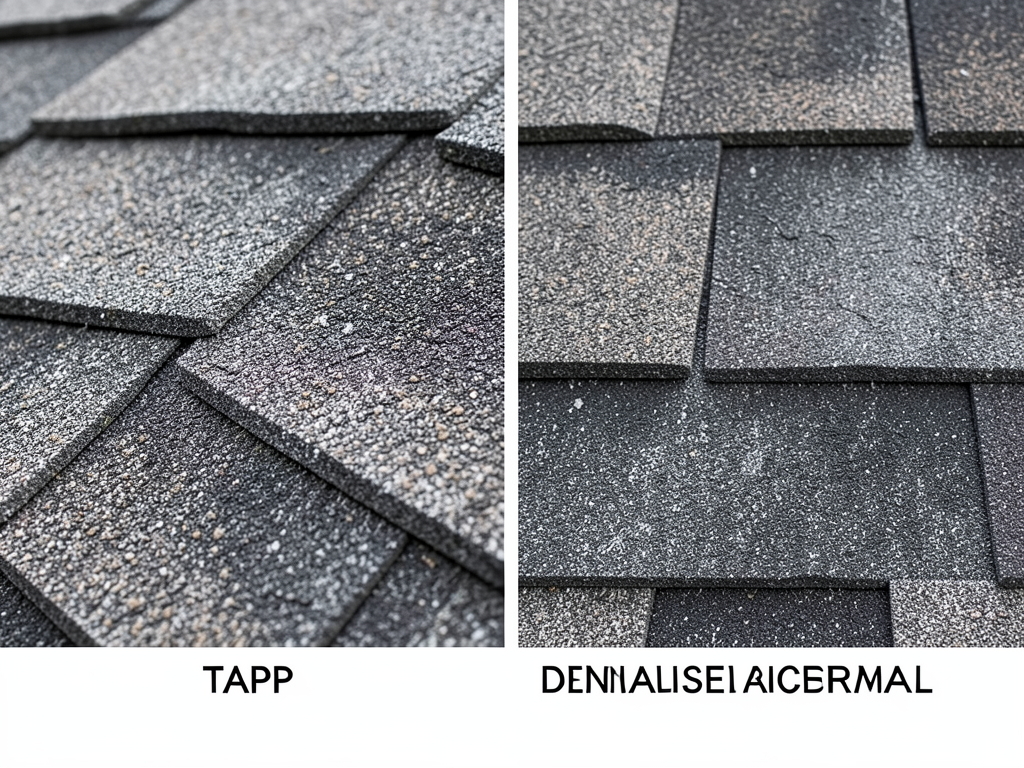
The most common roofing material in Shakopee consists of asphalt composition shingles. These come in two main varieties: three-tab and architectural. Three-tab shingles appear flat with uniform rectangular cutouts creating a repetitive pattern. Architectural shingles feature multiple layers creating a dimensional look with varied shadow lines. Trusted Roofing Contractors in St. Louis Park for Shingle Replacement.
You can identify asphalt shingles by their granular surface texture and fiberglass mat core. They typically measure about 12 inches wide and 36 inches long. The weight ranges from 200 to 350 pounds per square depending on the style.
Metal Roofing Systems
Metal roofs in the area often use standing seam or exposed fastener systems. Standing seam panels feature raised vertical seams that lock together creating a sleek modern appearance. Exposed fastener systems use corrugated or ribbed panels attached directly through the metal surface.
Metal roofs reflect sunlight reducing cooling costs during humid Minneapolis summers. The material withstands heavy snow loads allowing winter accumulation to slide off easily. You will notice the distinctive metallic sheen and panel patterns from ground level.
Synthetic Composite Materials
Newer homes might feature synthetic composite shingles designed to mimic traditional materials while offering superior durability. These products often replicate cedar shake or slate appearances using polymer-based materials.
Synthetic options resist impact damage from hail common to the region. The material weighs significantly less than natural alternatives reducing structural stress. You can identify these by their uniform color patterns and consistent thickness.
Cedar Shake Roofing
Cedar shake roofs provide a distinctive rustic appearance popular in older Shakopee neighborhoods. The material consists of hand-split wooden shakes varying in thickness and width. Natural weathering creates a silver-gray patina over time.. Read more about Why Your 1.5 Story Cape Cod in the Victory Neighborhood Needs Specialized Soffit Intake.
You can identify cedar by its textured surface and varying dimensions. The material requires regular maintenance including moss removal and preservative treatments. Cedar performs well in cold climates but needs proper ventilation to prevent moisture damage.
Key Features to Examine on Your Roof
Several visual indicators help determine your roof type beyond the primary material. Understanding these features helps you communicate effectively with roofing professionals.
Slope and Pitch
The angle of your roof affects material performance and installation requirements. Steep slopes shed snow more effectively reducing ice dam risks. Low slopes require special underlayment systems to prevent water infiltration.. Read more about The Hidden Risks of Hiring a Roofer Without Local Minneapolis References.
You can estimate pitch by measuring vertical rise over horizontal run. A 6:12 pitch rises six inches vertically for every twelve inches horizontally. Most residential roofs in Shakopee range from 4:12 to 12:12 pitch.
Edge Details and Flashing
Metal flashing protects vulnerable areas where different roof planes meet. Examine valleys where two roof slopes intersect. Drip edges along eaves prevent water from wicking under shingles.
Proper flashing installation prevents leaks during heavy rain and ice dam formation. Look for continuous metal strips rather than individual pieces which indicate quality installation.
Ventilation Systems
Minnesota building codes require specific ventilation ratios to prevent moisture accumulation in attic spaces. Ridge vents along the peak allow hot air to escape. Soffit vents under eaves draw in cooler air creating continuous airflow.
Proper ventilation extends roof life by preventing heat buildup that can damage shingles from below. You might see turbine vents or powered attic fans on some homes.
Climate Considerations for Minneapolis Area Roofs
The Twin Cities experience unique weather patterns affecting roof performance and longevity. Understanding these factors helps you make informed decisions about maintenance and replacement timing. How Much Does a Full Roof Replacement Cost in Bloomington?.
Snow Load Management
Heavy snow accumulation creates significant weight stress on roof structures. A cubic foot of dry snow weighs about seven pounds while wet snow can exceed twenty pounds per cubic foot. Your roof must support potentially thousands of pounds during major storms.
Steep slopes and smooth surfaces like metal allow snow to slide off reducing structural stress. Some homeowners install snow guards to prevent dangerous snow slides near entryways.
Ice Dam Formation
Ice dams form when heat escaping through the roof melts snow which refreezes at colder eaves. This creates barriers trapping water that can back up under shingles causing interior damage.
Proper attic insulation and ventilation prevent ice dam formation. Some roofing systems include special ice and water shield membranes along eaves providing additional protection.
Hail Impact Resistance
Severe thunderstorms bring hail capable of damaging roofing materials. Class 4 impact resistant shingles withstand hail up to two inches in diameter. Metal roofs generally offer superior hail resistance though large hail can dent softer metals.
Insurance companies often provide discounts for impact resistant roofing materials. Check your policy for coverage details regarding hail damage.
Material Performance Comparison
| Material Type | Typical Lifespan | Cost per Square | Best For |
|---|---|---|---|
| Asphalt Shingles | 15-30 years | $$ | Budget-conscious homeowners |
| Architectural Shingles | 25-35 years | $$$ | Enhanced durability and appearance |
| Metal Roofing | 40-70 years | $$$$ | Snow shedding and longevity |
| Synthetic Composite | 40-50 years | $$$ | Impact resistance and low maintenance |
| Cedar Shakes | 20-40 years | $$$ | Aesthetic appeal and natural insulation |
Energy Efficiency Considerations
Roof color and material affect heat absorption and energy costs. Light colored roofs reflect more sunlight reducing cooling costs during humid Minneapolis summers. Dark roofs absorb heat providing some winter benefits but increasing cooling loads.
Metal roofs with special coatings reflect up to 70% of solar radiation. Some asphalt shingles feature reflective granules improving energy performance. Proper attic insulation works with your roof to maximize energy efficiency year-round.. Read more about Why Granule Loss is More Than Just an Aesthetic Issue for Your Cottage Grove Home.
Identifying Your Roof Type Step by Step
- Examine Material Texture
Look for granular surfaces indicating asphalt, smooth metal panels, or textured wood shakes. The material texture provides the first clue about roof composition.
- Check for Pattern Consistency
Uniform patterns suggest manufactured materials like asphalt or metal. Varying dimensions and natural imperfections indicate wood shakes or slate.
- Inspect Edge Details
Examine how materials meet at edges and valleys. Metal flashing, drip edges, and ridge caps reveal installation methods and material types.
- Look for Manufacturer Markings
Many shingles feature small printed codes or stamps on the back surface. These markings identify the manufacturer and sometimes the product line.
- Assess Overall Condition
Curling, cracking, or missing pieces indicate aging materials. Moss growth suggests moisture problems common in shaded areas.
Maintenance Requirements by Material Type
Different roofing materials require specific maintenance schedules to maximize lifespan and performance. Understanding these requirements helps you budget for ongoing care.
Asphalt Shingle Maintenance
Inspect asphalt shingles annually for damaged or missing pieces. Clean gutters regularly to prevent water backup. Remove moss and algae growth using appropriate cleaners.
Most asphalt roofs need replacement after 20-25 years in the Minneapolis climate. Severe weather can accelerate aging requiring earlier replacement.
Metal Roof Care
Metal roofs require minimal maintenance beyond keeping debris cleared from valleys and gutters. Check fasteners periodically for tightness. Touch up scratches with matching paint to prevent rust.
Metal surfaces should be cleaned annually to maintain reflective properties and prevent organic growth. Snow guards may need adjustment after heavy storms.
Wood Shake Preservation
Cedar shakes need regular cleaning to prevent moss and mildew growth. Apply wood preservatives every few years to maintain water resistance. Replace individual damaged shakes rather than entire sections when possible.
Proper ventilation prevents moisture damage extending shake lifespan. Some homeowners install copper strips along ridges to inhibit moss growth.
When to Consider Replacement
Several factors indicate your roof may need replacement rather than repair. Age remains the primary consideration with most materials showing declining performance after their rated lifespan. EPA energy efficient home design guidelines.
Age-Based Replacement
Asphalt shingles typically need replacement after 20-25 years in the Minneapolis climate. Metal roofs can last 50+ years with proper maintenance. Cedar shakes generally require replacement after 25-30 years.
Track installation dates if available. Many homes have documentation showing original installation or previous replacement dates.
Damage Assessment
Multiple damaged areas often indicate widespread material deterioration. Missing shingles, cracked shakes, or dented metal panels compromise weather protection.
Interior water stains suggest roof leaks requiring immediate attention. Check attic spaces during rain for signs of water infiltration.
Energy Efficiency Decline
Rising heating and cooling costs may indicate deteriorating roof insulation or ventilation. Poor attic airflow forces HVAC systems to work harder maintaining comfortable temperatures.
Ice dam formation increases with aging roofs as insulation effectiveness declines. Recurring ice dam problems often require roof replacement rather than temporary fixes.
Local Building Considerations
Shakopee and surrounding areas follow Minnesota state building codes with additional local requirements. Understanding these regulations helps ensure your roof meets all safety standards.
Permit Requirements
Most roof replacements require permits from local building departments. The process ensures proper installation methods and material specifications meet current codes.
Permit costs vary by jurisdiction but typically range from $200 to $500. Some areas require inspections at specific project stages.
Ice and Water Shield Requirements
Minnesota building codes mandate ice and water shield membranes along eaves in snow-prone areas. The shield extends at least 24 inches past interior walls providing protection against ice dam backup.
Some jurisdictions require shield coverage on entire roof surfaces for enhanced protection. Check local requirements before starting any roofing project.
Ventilation Standards
Building codes specify minimum ventilation ratios typically requiring one square foot of net free ventilation area per 150 square feet of attic floor space.
Proper ventilation prevents moisture accumulation and extends roof material lifespan. Some homes require powered ventilation systems to meet code requirements.
Choosing Replacement Materials
Selecting new roofing materials involves balancing cost, appearance, and performance requirements. Consider your home’s architectural style and neighborhood aesthetics when making decisions.
Architectural Style Compatibility
Traditional homes often look best with materials matching original construction. Colonial and Tudor styles pair well with dimensional asphalt shingles or cedar shakes. Modern designs complement standing seam metal roofing.
Some historic districts have material restrictions requiring specific roofing types to maintain neighborhood character.
Climate Performance
Minneapolis weather demands materials handling heavy snow loads and severe storms. Impact resistant shingles provide better hail protection. Metal roofs excel at snow shedding reducing ice dam risks.
Consider energy efficiency ratings when selecting materials. Some products qualify for utility rebates improving overall project economics.
Long-Term Value
Higher quality materials often provide better long-term value despite higher upfront costs. Premium shingles might cost 30% more but last 50% longer reducing lifetime ownership costs.
Some materials increase home resale value more than others. Metal and synthetic composite roofs often provide better return on investment than basic asphalt shingles.
Finding Qualified Roofing Contractors
Selecting the right contractor ensures proper installation and warranty protection. Look for companies with local experience and proper licensing for Minneapolis area work. Choosing the Right Cedar Shake Contractor for Your Minnetonka Home.
Verification Requirements
Verify contractor licensing through Minnesota Department of Labor and Industry. Check for proper insurance coverage including liability and workers compensation.
Ask for references from recent local projects similar to yours. Contact references to discuss their experience with the contractor.
Written Estimates
Obtain detailed written estimates from multiple contractors. Compare not just price but material specifications, warranty terms, and project timelines.
Watch for unusually low bids which might indicate substandard materials or installation shortcuts. Quality workmanship costs more but prevents costly repairs later. Expert Flat Roof Repair Services for Uptown Businesses and Modern Lofts.
Warranty Considerations
Manufacturer warranties cover material defects while workmanship warranties protect against installation errors. Understand what each warranty covers and for how long.
Some premium materials offer enhanced warranties when installed by certified contractors. These extended warranties provide additional protection for your investment.
Protecting Your Investment
Regular maintenance and prompt repairs extend roof life and prevent costly damage. Develop a maintenance schedule based on your specific roof type and local weather conditions.
Seasonal Inspection Schedule
Inspect your roof twice yearly during spring and fall. Check for winter damage including missing shingles or dented metal panels. Look for summer storm damage and organic growth.
Gutter cleaning should occur at least twice yearly removing debris that can trap moisture against roofing materials.
Early Problem Detection
Address minor issues before they become major problems. Replace missing shingles immediately. Repair small leaks before water damage spreads to structural components.
Monitor attic spaces for signs of moisture including water stains, mold growth, or musty odors. These indicators often reveal problems before visible exterior damage appears.
Frequently Asked Questions
How can I tell if my roof is asphalt or architectural shingles?
Examine the shingle edges from ground level. Three-tab shingles show uniform rectangular cutouts creating a flat appearance. Architectural shingles display varied thickness and shadow lines without visible cutouts. Architectural shingles feel thicker and heavier when handled.
What is the average lifespan of a roof in Shakopee?
Most roofs in the area last 20-25 years depending on material quality and maintenance. Asphalt shingles typically need replacement after 20 years while premium materials like metal or synthetic composites can last 40+ years. Harsh winters and severe storms can reduce lifespan by 5-10 years.
Should I replace my roof in winter or wait until spring?
Winter installation is possible but presents challenges. Cold temperatures make materials brittle and adhesives less effective. However, some contractors offer off-season discounts and can complete work when temperatures allow.
How much does a typical roof replacement cost in the Minneapolis area?
Costs vary widely based on material selection and roof complexity. Basic asphalt shingle replacement typically ranges from $350 to $500 per square while premium materials like metal or synthetic composites can exceed $1,000 per square. Complex roof designs with multiple valleys and penetrations increase costs.
Can I install a new roof over my existing one?
Most building codes allow one layer of roofing over existing materials if the structure supports the additional weight. However, this approach can mask underlying problems and reduce overall roof life. Complete tear-off allows inspection of decking and installation of proper underlayment.
How do I know if I have hail damage?
Hail damage often appears as random dents on metal surfaces or bruising on asphalt shingles where granules are knocked loose. Look for cracked or missing pieces and check for exposed fiberglass mat. Interior water stains may indicate previous hail damage that has worsened over time. For more information, visit FEMA hazard mitigation best practices.

{
“@context”: “https://schema.org”,
“@type”: “BlogPosting”,
“headline”: “How to Identify What Type of Roof You Have (A Guide for New Shakopee Homeowners)”,
“description”: “Learn to identify your roof type with this Minneapolis-focused guide. Understand materials, climate impact, and key features specific to Twin Cities homes.”,
“wordCount”: 2457,
“datePublished”: “2026-05-10T12:38:00.000Z”,
“dateModified”: “2026-05-10T12:38:00.000Z”,
“inLanguage”: “en-US”,
“mainEntityOfPage”: {
“@type”: “WebPage”,
“@id”: “https://keystoneroofingminneapolis.com”
},
“publisher”: {
“@type”: “LocalBusiness”,
“name”: “Keystone Roofing Minneapolis”,
“url”: “https://keystoneroofingminneapolis.com”
},
“author”: {
“@type”: “Organization”,
“name”: “Keystone Roofing Minneapolis”,
“url”: “https://keystoneroofingminneapolis.com”
},
“image”: {
“@type”: “ImageObject”,
“url”: “https://keystoneroofingminneapolis.com/wp-content/uploads/2026/03/how-to-identify-what-type-of-roof-you-have-a-guide-1.png”
}
}
{
“@context”: “https://schema.org”,
“@type”: “RoofingContractor”,
“name”: “Keystone Roofing Minneapolis”,
“url”: “https://keystoneroofingminneapolis.com”,
“address”: {
“@type”: “PostalAddress”,
“addressLocality”: “Minneapolis”
},
“areaServed”: {
“@type”: “City”,
“name”: “Minneapolis”
}
}
{
“@context”: “https://schema.org”,
“@type”: “FAQPage”,
“mainEntity”: [
{
“@type”: “Question”,
“name”: “How can I tell if my roof is asphalt or architectural shingles?”,
“acceptedAnswer”: {
“@type”: “Answer”,
“text”: “Examine the shingle edges from ground level. Three-tab shingles show uniform rectangular cutouts creating a flat appearance. Architectural shingles display varied thickness and shadow lines without visible cutouts. Architectural shingles feel thicker and heavier when handled.”
}
},
{
“@type”: “Question”,
“name”: “What is the average lifespan of a roof in Shakopee?”,
“acceptedAnswer”: {
“@type”: “Answer”,
“text”: “Most roofs in the area last 20-25 years depending on material quality and maintenance. Asphalt shingles typically need replacement after 20 years while premium materials like metal or synthetic composites can last 40+ years. Harsh winters and severe storms can reduce lifespan by 5-10 years.”
}
},
{
“@type”: “Question”,
“name”: “Should I replace my roof in winter or wait until spring?”,
“acceptedAnswer”: {
“@type”: “Answer”,
“text”: “Winter installation is possible but presents challenges. Cold temperatures make materials brittle and adhesives less effective. However, some contractors offer off-season discounts and can complete work when temperatures allow.”
}
},
{
“@type”: “Question”,
“name”: “How much does a typical roof replacement cost in the Minneapolis area?”,
“acceptedAnswer”: {
“@type”: “Answer”,
“text”: “Costs vary widely based on material selection and roof complexity. Basic asphalt shingle replacement typically ranges from $350 to $500 per square while premium materials like metal or synthetic composites can exceed $1,000 per square. Complex roof designs with multiple valleys and penetrations increase costs.”
}
},
{
“@type”: “Question”,
“name”: “Can I install a new roof over my existing one?”,
“acceptedAnswer”: {
“@type”: “Answer”,
“text”: “Most building codes allow one layer of roofing over existing materials if the structure supports the additional weight. However, this approach can mask underlying problems and reduce overall roof life. Complete tear-off allows inspection of decking and installation of proper underlayment.”
}
},
{
“@type”: “Question”,
“name”: “How do I know if I have hail damage?”,
“acceptedAnswer”: {
“@type”: “Answer”,
“text”: “Hail damage often appears as random dents on metal surfaces or bruising on asphalt shingles where granules are knocked loose. Look for cracked or missing pieces and check for exposed fiberglass mat. Interior water stains may indicate previous hail damage that has worsened over time. For more information, visit FEMA hazard mitigation best practices.”
}
}
]
}
{
“@context”: “https://schema.org”,
“@type”: “HowTo”,
“name”: “How to Identify Your Roof Type”,
“step”: [
{
“@type”: “HowToStep”,
“position”: 1,
“name”: “Examine Material Texture”,
“text”: “Look for granular surfaces indicating asphalt, smooth metal panels, or textured wood shakes. The material texture provides the first clue about roof composition.”
},
{
“@type”: “HowToStep”,
“position”: 2,
“name”: “Check for Pattern Consistency”,
“text”: “Uniform patterns suggest manufactured materials like asphalt or metal. Varying dimensions and natural imperfections indicate wood shakes or slate.”
},
{
“@type”: “HowToStep”,
“position”: 3,
“name”: “Inspect Edge Details”,
“text”: “Examine how materials meet at edges and valleys. Metal flashing, drip edges, and ridge caps reveal installation methods and material types.”
},
{
“@type”: “HowToStep”,
“position”: 4,
“name”: “Look for Manufacturer Markings”,
“text”: “Many shingles feature small printed codes or stamps on the back surface. These markings identify the manufacturer and sometimes the product line.”
},
{
“@type”: “HowToStep”,
“position”: 5,
“name”: “Assess Overall Condition”,
“text”: “Curling, cracking, or missing pieces indicate aging materials. Moss growth suggests moisture problems common in shaded areas.”
}
],
“image”: “https://keystoneroofingminneapolis.com/wp-content/uploads/2026/03/how-to-identify-what-type-of-roof-you-have-a-guide-1.png”
}
{
“@context”: “https://schema.org”,
“@type”: “BreadcrumbList”,
“itemListElement”: [
{
“@type”: “ListItem”,
“position”: 1,
“name”: “Home”,
“item”: “https://keystoneroofingminneapolis.com”
},
{
“@type”: “ListItem”,
“position”: 2,
“name”: “Blog”,
“item”: “https://keystoneroofingminneapolis.com/blog”
},
{
“@type”: “ListItem”,
“position”: 3,
“name”: “How to Identify What Type of Roof You Have (A Guide for New Shakopee Homeowners)”
}
]
}
{
“@context”: “https://schema.org”,
“@type”: “Service”,
“serviceType”: “Roofing”,
“provider”: {
“@type”: “LocalBusiness”,
“name”: “Keystone Roofing Minneapolis”,
“url”: “https://keystoneroofingminneapolis.com”
},
“areaServed”: {
“@type”: “City”,
“name”: “Minneapolis”
},
“description”: “Learn to identify your roof type with this Minneapolis-focused guide. Understand materials, climate impact, and key features specific to Twin Cities homes.”
}
