
How to Spot Those Ugly Black Algae Streaks on Your Bryn Mawr Roof (And Get Rid of Them)
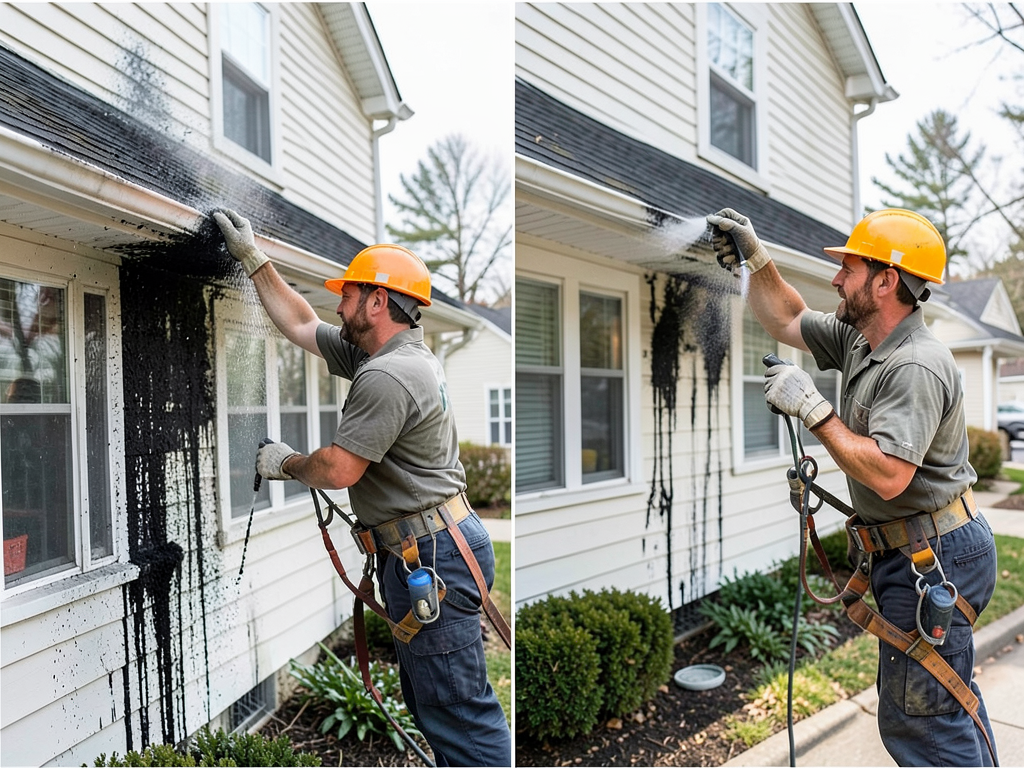
If you live in Bryn Mawr or nearby neighborhoods like Cedar-Isles-Dean and East Isles, you have probably noticed dark streaks on your roof. These black streaks are not dirt. They are caused by a type of algae called Gloeocapsa Magma that thrives in Minnesota’s humid summers and feeds on the limestone filler in asphalt shingles.
These streaks spread quickly across rooftops in Minneapolis because the city’s climate creates perfect conditions. Warm summer temperatures combined with afternoon thunderstorms and morning dew provide the moisture algae needs to grow. Once established, the black streaks absorb heat instead of reflecting it which can make your attic warmer and your air conditioning work harder. Storm Damage Roof Inspections in Plymouth – What to Look for After a Major Storm.
Before you decide to replace your roof, you should know that most black algae streaks can be removed safely with the right cleaning method. This guide will help you identify the problem and choose between DIY cleaning or calling a professional roofer in the Bryn Mawr area. Choosing the Right Cedar Shake Contractor for Your Minnetonka Home.
How to Identify Black Algae Streaks on Your Roof
Black algae streaks have several distinctive characteristics that make them easy to identify. The streaks appear as dark black or dark green lines that run vertically down your roof. They often start near the top of the roof and grow longer over time as rainwater washes the algae downward.
Look for these specific signs on your Bryn Mawr home:
- Dark vertical streaks that appear worse on the north-facing side of your roof where sunlight is limited
- Streaks that are most visible on lighter colored shingles but can also appear on darker roofs
- A fuzzy or slightly raised texture when viewed up close
- Streaks that become more pronounced after rainy periods
Black algae differs from other roof problems you might see in Minneapolis. Moss typically appears as thick green patches with a three-dimensional texture. Lichen looks like crusty spots in various colors. Black algae forms smooth, flat streaks that follow the path of water flow down your roof.
Take photos of your roof from the ground using a zoom lens or your phone’s camera. Compare what you see with images from local roofing contractors or the Minnesota Roofing Contractors Association website. This helps confirm whether you are dealing with algae or another issue. Trusted Roofing Contractors in St. Louis Park for Shingle Replacement.
Why Black Algae Thrives in Minneapolis Neighborhoods
Minneapolis experiences conditions that make black algae growth particularly aggressive compared to other parts of the country. The combination of high humidity during summer months and the limestone filler used in most asphalt shingles creates an ideal environment for Gloeocapsa Magma.
Neighborhoods near Lake of the Isles and Cedar Lake in Bryn Mawr often see worse algae problems because of the higher humidity levels. The algae spores travel through the air and settle on roofs that provide the right conditions for growth.
Temperature fluctuations in Minneapolis also contribute to the problem. During summer, daytime temperatures can reach the 80s or 90s while nighttime temperatures remain warm and humid. This creates condensation on shingles that provides moisture for algae growth.
The algae feed on the limestone filler in modern asphalt shingles. Manufacturers added limestone to make shingles more durable and cost-effective. Unfortunately, this also made them more attractive to algae. The black streaks you see are actually the algae protecting itself from UV rays by producing a dark outer coating.
Over time, untreated algae can reduce your roof’s lifespan by causing the shingles to retain moisture and deteriorate faster. This is especially concerning in Minneapolis where freeze-thaw cycles already stress roofing materials during winter months.
The Danger of DIY Roof Cleaning: Safety First
Before attempting to clean your roof yourself, you need to understand the serious risks involved. Roof cleaning in Minneapolis requires working on steep slopes at heights that can be dangerous even for experienced professionals.
OSHA guidelines for roof work include using proper fall protection equipment. For most homeowners, this means using a safety harness attached to a secure anchor point. Without this equipment, a simple slip can result in serious injury or death. OSHA roofing safety standards.
Minneapolis roofs become extremely slippery when wet. Algae-covered shingles are even more dangerous because the algae creates a slick surface. Morning dew or recent rainfall can turn your roof into a skating rink. The risk increases if your roof has a steep pitch, which is common in older Bryn Mawr homes.
Beyond personal safety, aggressive cleaning methods can damage your roof. High-pressure washing strips away the protective granules on asphalt shingles. These granules protect your roof from UV damage and fire. Once removed, your shingles deteriorate much faster and may void your manufacturer’s warranty.
Pressure washing can also force water under the shingles. In Minneapolis, where temperatures drop below freezing, this trapped moisture can cause ice dams and lead to leaks inside your home. The damage from improper cleaning often costs more to repair than professional algae removal. Expert Flat Roof Repair Services for Uptown Businesses and Modern Lofts.
If you decide to proceed with DIY cleaning, use a sturdy extension ladder and have someone spot you. Never work on a roof alone. Consider using binoculars to inspect your roof from the ground first to determine if the algae problem is severe enough to warrant professional help.
Professional-Grade Cleaning Method That Protects Your Roof
Professional roof cleaners in Minneapolis use a soft washing technique that removes algae without damaging shingles. This method uses low pressure and specialized cleaning solutions to kill the algae at its source.
The cleaning solution typically contains sodium hypochlorite mixed with water and a surfactant. The ratio is usually around 50% sodium hypochlorite to 50% water, though professionals adjust this based on the severity of the algae growth and local regulations about chemical use.
Application involves spraying the solution onto the roof surface using a low-pressure pump system. The cleaner needs to sit on the algae for 15 to 20 minutes to penetrate and kill the organisms. During this dwell time, the solution breaks down the algae’s cell structure.. Read more about How to Tell if Your Lowry Hill Roof Needs a Small Repair or a Full Replacement.
After the dwell time, the roof is rinsed with clean water at very low pressure. This removes the dead algae and any remaining cleaning solution. The process may need to be repeated for heavily stained areas. Results are not immediate – the algae will continue to lighten over the next few days as it dies and washes away with rain.
Professional cleaners also take steps to protect your landscaping. They pre-wet plants around your home and may cover sensitive vegetation. The cleaning solution is biodegradable and breaks down quickly when exposed to sunlight and soil.
In Minneapolis, timing matters for roof cleaning. Late spring through early fall provides the best conditions. Avoid cleaning during extreme heat when the solution can evaporate too quickly, or during freezing temperatures when water runoff can create ice hazards.
Why Pressure Washers Destroy Asphalt Shingles
Pressure washers might seem like the obvious choice for cleaning your roof, but they cause more harm than good. The high-pressure water stream strips away the protective granules that give asphalt shingles their durability and fire resistance.
GAF, one of the largest shingle manufacturers, specifically states that pressure washing voids their warranty. The same applies to other major brands like Owens Corning and CertainTeed. Once you pressure wash your roof, you lose the protection of your warranty if shingles fail prematurely. GAF roof cleaning guidelines.
Granule loss from pressure washing has several consequences. Without granules, shingles cannot reflect UV rays effectively. This causes them to absorb more heat, leading to warping and cracking. The shingles also become more susceptible to wind damage and can blow off more easily during Minnesota’s frequent summer storms.
Pressure washing can also damage the shingle adhesive strips that seal each row to the one below it. These adhesive strips prevent wind uplift and keep your roof watertight. When damaged, your roof becomes vulnerable to leaks and wind damage.
The water pressure from a standard pressure washer can be 1,500 to 3,000 PSI. Professional soft washing systems use around 100 PSI or less. This is the difference between a gentle rain and a fire hose. Your roof needs the gentle approach to stay intact.. Read more about The Best Gutter Guard Systems to Protect Your Prospect Park Roof from Heavy Leaf Debris.
If you have already pressure washed your roof, have a professional inspect it for damage. They can check for granule loss, lifted shingles, and compromised adhesive strips. Early detection of pressure washing damage can prevent more expensive repairs later.
Preventing Future Algae Growth in the Twin Cities
After removing black algae from your roof, you can take steps to prevent it from returning. The key is creating conditions that make it difficult for algae to establish itself again.
Installing zinc or copper strips near the roof ridge provides ongoing protection. When it rains, these metals release ions that flow down the roof surface. These ions are toxic to algae and prevent new growth. The strips need to be installed by a professional to ensure proper placement and secure attachment.
Trimming tree branches that overhang your roof helps in two ways. It reduces shade that keeps roof surfaces moist, and it minimizes the amount of organic debris that falls on your shingles. Leaves and twigs hold moisture and provide food for algae spores.
Consider upgrading to algae-resistant shingles when it is time for a new roof. These shingles contain copper granules that inhibit algae growth. Major manufacturers offer these as a standard option, and they typically come with extended warranties against algae staining.
Improving attic ventilation also helps prevent algae growth. Proper ventilation keeps your roof cooler and drier by allowing air to circulate. This reduces the moisture that algae needs to thrive. Minneapolis building codes require specific ventilation ratios, and a professional can verify that your attic meets these standards.
Regular roof maintenance by a local professional can catch algae problems early. They can apply preventative treatments and identify other issues before they become expensive repairs. Annual inspections are especially important in neighborhoods like Bryn Mawr where older homes may have ventilation or drainage issues.
When to Call a Minneapolis Roofing Professional
Some algae problems require professional intervention. Knowing when to call an expert can save you time, money, and potential injury.
Call a professional if your roof pitch is steep. Anything over a 6:12 pitch (which rises six inches for every twelve inches of horizontal run) becomes dangerous for DIY work. Many homes in Bryn Mawr have steep Victorian or Tudor-style roofs that are particularly hazardous.
Professional help is also necessary if your roof is more than one story high. Working from tall extension ladders requires experience and proper safety equipment. The risk of falling increases significantly with height.
If you notice other roof problems along with algae, such as missing shingles, damaged flashing, or sagging areas, you need a professional inspection. Algae growth can indicate underlying moisture issues that require more than just cleaning.
Consider professional cleaning if your roof covers a large area. The time and equipment needed for DIY cleaning increases dramatically with roof size. What might take a homeowner all weekend could be completed by professionals in a few hours.
Professional cleaning costs in Minneapolis typically range from $0.25 to $0.50 per square foot, depending on roof complexity and algae severity. For an average home, this means $500 to $1,500 for complete algae removal. While this seems expensive, it is much cheaper than premature roof replacement caused by DIY damage. How Much Does a Full Roof Replacement Cost in Bloomington?.
Insurance may cover roof cleaning if the algae growth resulted from a covered peril like storm damage. Check your policy or ask your insurance agent. Some policies also offer discounts for regular roof maintenance, which can offset cleaning costs.
Impact on Home Value and Energy Efficiency
Black algae streaks do more than look unattractive. They can affect your home’s value and energy efficiency in ways you might not expect.
In the Minneapolis real estate market, a roof with visible algae can reduce your home’s perceived value. Potential buyers may assume the roof needs replacement or that the home has moisture problems. This perception can cost you thousands of dollars in negotiations or extend the time your home sits on the market.
Energy efficiency suffers when algae-covered shingles absorb more heat. The dark streaks can increase roof surface temperatures by 10 to 15 degrees Fahrenheit. This heat transfers into your attic and forces your air conditioning to work harder during summer months. Over a single cooling season, this can add $100 to $300 to your energy bills.
The algae also trap moisture against your shingles. In Minneapolis’s freeze-thaw climate, this moisture expands when it freezes and contracts when it thaws. This cycle causes shingles to crack and separate from the roof deck. Once this damage starts, it spreads quickly and can lead to leaks.
Home inspectors in Minnesota always note visible roof algae during their evaluations. While not necessarily a deal-breaker, it becomes a negotiating point that buyers use to request repairs or price reductions. Addressing the algae before listing your home can prevent these issues.
Commercial properties face additional concerns. Black streaks on business roofs create a negative impression for customers and may violate local appearance codes in some Minneapolis business districts. For property managers, algae growth can also indicate drainage problems that need professional attention.
Eco-Friendly Alternatives for Environmentally Conscious Homeowners
If you are concerned about chemical use around your Minneapolis home, several eco-friendly options can address black algae while protecting the environment.
Oxygen bleach, also known as sodium percarbonate, offers a biodegradable alternative to chlorine bleach. It breaks down into oxygen, water, and soda ash – all harmless to plants and animals. The cleaning process takes longer than traditional methods, often requiring 30 to 45 minutes of dwell time, but it effectively kills algae without harsh chemicals.
Some professional roof cleaners now offer vinegar-based solutions that work well on light to moderate algae growth. These solutions use a higher concentration of acetic acid than household vinegar. While less effective on severe staining, they provide a good option for maintenance cleaning and prevention.
Steam cleaning represents another chemical-free approach. Professional steam cleaners heat water to temperatures that kill algae without using any cleaning agents. The high temperature also helps loosen and remove dead algae cells. This method requires specialized equipment and should only be performed by trained technicians to avoid damaging shingles.
Managing runoff is crucial when using any cleaning method in Minneapolis. The city’s storm sewer system drains directly to local lakes and the Mississippi River. Even biodegradable cleaners can harm aquatic life if they enter waterways in large concentrations.
Professional eco-friendly cleaners use containment systems to capture runoff. They may also apply the cleaning solution during dry weather so it has time to break down before the next rainfall. Some companies offer plant-based surfactants that further reduce environmental impact.
Prevention through physical methods often proves the most environmentally friendly approach. Installing copper or zinc strips, improving ventilation, and trimming overhanging branches all help prevent algae without using any chemicals.
Understanding Your Roof’s Warranty and Algae Coverage
Before attempting any cleaning method, review your roof’s warranty documents. Many homeowners accidentally void their warranties by using improper cleaning techniques or unauthorized chemicals.
Most asphalt shingle manufacturers offer algae resistance warranties that last 10 to 25 years. These warranties cover blue-green algae staining but not necessarily other types of growth like moss or lichen. The warranty typically requires using approved cleaning methods and may mandate professional application of any treatments.
Using pressure washers, even at low settings, voids most shingle warranties. The same applies to applying cleaning solutions not approved by the manufacturer. Some warranties require using specific brands of cleaning products or hiring certified contractors for any roof maintenance.
If your roof is still under warranty, contact the manufacturer or your roofing contractor before attempting any cleaning. They can provide specific guidelines for your shingle type and may recommend approved cleaning services in the Minneapolis area.
Keep detailed records of any roof maintenance, including cleaning dates, products used, and contractor information. These records prove valuable if you need to file a warranty claim later. Photos showing the condition of your roof before and after cleaning provide additional documentation.
For roofs out of warranty, consider the cost-benefit of professional cleaning versus replacement. If your roof is more than 15 years old and has extensive algae growth, cleaning might not be cost-effective. A professional inspection can help you decide whether cleaning will extend your roof’s life or if replacement makes more sense.
Comparing Cleaning Methods: DIY vs. Professional Results
Understanding the differences between cleaning approaches helps you make the right choice for your Bryn Mawr home.
| Cleaning Method | Cost Range | Effectiveness | Risk Level | Time Required |
|---|---|---|---|---|
| Professional Soft Wash | $0.25-$0.50 per sq ft | Very High | Very Low | 2-4 hours |
| DIY Oxygen Bleach | $50-$100 total | Moderate | High | 1-2 days |
| Pressure Washing | $200-$400 total | Low (damages shingles) | Very High | 4-6 hours |
| Copper Strip Installation | $300-$600 total | Prevention only | Low (professional install) | 2-3 hours |
Professional soft washing provides the best balance of effectiveness and safety. The cleaning solutions penetrate deep into algae colonies and kill them at the root. Results typically last 3 to 5 years with proper prevention.
DIY methods using store-bought cleaners often provide temporary improvement but rarely eliminate the algae completely. Without the right chemical concentrations and application techniques, algae can regrow within months. The cost savings may not justify the shorter results and higher personal risk.
Pressure washing should never be considered a viable option. While it removes visible staining quickly, the damage it causes leads to expensive repairs. Many homeowners discover too late that pressure washing has voided their warranty and accelerated roof deterioration.
Preventative measures like copper strips work best when installed after professional cleaning. They do not remove existing algae but prevent new growth. When combined with periodic professional maintenance, these strips can keep your roof algae-free for many years.
Local Resources for Bryn Mawr Homeowners
Minneapolis homeowners have access to several local resources for roof maintenance and algae removal. The Minnesota Roofing Contractors Association maintains a directory of licensed professionals who understand local weather conditions and building codes.
The City of Minneapolis offers information about proper disposal of cleaning chemicals and protecting local waterways. Their website provides guidelines for homeowners who want to clean their own roofs while minimizing environmental impact.
Local hardware stores in Bryn Mawr and nearby neighborhoods often stock roof cleaning supplies specifically formulated for Minnesota’s climate. Staff at these stores can provide advice about application techniques and safety equipment.
Neighborhood associations in areas like Cedar-Isles-Dean and East Isles sometimes organize group purchasing for roof maintenance services. This can reduce costs for individual homeowners while ensuring everyone uses qualified contractors.
Online forums for Minneapolis homeowners provide real-world experiences with different cleaning methods and contractors. While these should not replace professional advice, they offer insights into what works in local conditions.
Local roofing companies often provide free inspections and estimates. These professionals can assess your specific situation and recommend the most appropriate solution for your roof type, age, and condition.
For emergency situations like storm damage combined with algae growth, many Minneapolis roofing companies offer 24/7 emergency services. They can address immediate concerns while planning for complete algae removal.
Taking the Next Step: Your Action Plan
Now that you understand black algae streaks and your removal options, here is a simple action plan to address the problem on your Bryn Mawr roof.
- Inspect your roof safely from the ground using binoculars or a zoom camera. Document the extent of algae growth with photos.
- Check your roof’s age and warranty status. If your roof is under 10 years old, professional cleaning is usually the best option to preserve your warranty.
- Decide between DIY and professional cleaning based on your roof’s pitch, height, and your comfort with heights and chemicals.
- Get multiple quotes from local roofing contractors if you choose professional cleaning. Ask about their cleaning methods, insurance coverage, and guarantees.
- Schedule cleaning during optimal weather conditions – typically late spring through early fall in Minneapolis.
- Plan preventative measures like copper strips or improved ventilation to keep algae from returning.
- Maintain your roof with annual inspections to catch problems early and extend your roof’s lifespan.
Remember that black algae is a common problem in Minneapolis neighborhoods, not a sign of poor maintenance. The humid climate and limestone-filled shingles create perfect conditions for algae growth. What matters is how you address the problem.
If you decide professional help is the right choice, call Keystone Roofing Minneapolis at (651) 588-9277 for a free inspection and estimate. Our team understands the specific challenges Bryn Mawr homeowners face and can recommend the safest, most effective solution for your roof.
Taking action now prevents the algae from spreading further and potentially causing more expensive damage. Whether you choose DIY or professional cleaning, addressing black algae streaks promptly protects your home’s value and your family’s comfort.
Your roof works hard to protect your home through Minnesota’s harsh winters and humid summers. Give it the care it needs to continue providing reliable protection for years to come.
Frequently Asked Questions
How long does professional roof algae cleaning take?
Professional algae cleaning typically takes 2 to 4 hours for an average home. The actual cleaning time is usually under two hours, but professionals need additional time for setup, safety equipment installation, and final inspection. Weather conditions and roof complexity can extend this timeframe.
Will rain wash away the cleaning solution?
The cleaning solution needs 15 to 20 minutes of dwell time to effectively kill algae. Light rain during this period is not usually a problem, but heavy rain can wash away the solution before it works. Professional cleaners monitor weather forecasts and may reschedule if significant rain is expected.
How much does it cost to remove black algae from a roof?
Professional algae removal in Minneapolis typically costs $0.25 to $0.50 per square foot. For an average 2,000 square foot roof, expect to pay $500 to $1,000. Factors affecting cost include roof pitch, algae severity, and whether additional services like gutter cleaning are included.
Can I walk on my roof to inspect it myself?
Walking on your roof is dangerous and can damage shingles. Use binoculars from the ground or a drone for inspection instead. If you must access your roof, use proper safety equipment including a harness and have someone spot you. Consider hiring a professional inspector instead.
How long will my roof stay algae-free after cleaning?
Without preventative measures, algae typically returns within 2 to 3 years. Installing copper or zinc strips can extend this to 5 to 7 years. Regular maintenance and keeping your roof clean of debris also helps prevent algae regrowth. Some algae-resistant shingles come with 10 to 25 year warranties against staining.
Is black algae harmful to my health?
Black algae on your roof does not pose direct health risks to your family. However, it can indicate moisture problems that might lead to mold growth in your attic. The main concerns are aesthetic damage, reduced energy efficiency, and potential roof deterioration rather than health hazards.
- Identify the Problem
Confirm you are dealing with black algae by looking for dark vertical streaks that follow water flow patterns. Take photos for documentation and comparison.
- Assess Safety Requirements
Determine your roof’s pitch and height. If your roof is steep or more than one story, professional help is strongly recommended for safety reasons.
- Choose Your Cleaning Method
Decide between professional soft washing, DIY oxygen bleach treatment, or preventative measures like copper strip installation based on your budget and comfort level.
- Prepare the Area
If proceeding with DIY cleaning, protect landscaping by pre-wetting plants and covering sensitive vegetation. Gather proper safety equipment including non-slip shoes and eye protection.
- Apply Cleaning Solution
For professional cleaning, technicians will apply the solution and allow proper dwell time. For DIY, follow product instructions carefully and avoid over-application that could damage shingles.
- Rinse Thoroughly
Professional cleaners use low-pressure rinsing to remove dead algae. DIY cleaners should use garden hose pressure only to avoid damaging shingles.
- Implement Prevention
Install copper or zinc strips near the roof ridge, improve attic ventilation, and trim overhanging tree branches to prevent algae from returning.
{
“@context”: “https://schema.org”,
“@type”: “BlogPosting”,
“headline”: “How to Spot Those Ugly Black Algae Streaks on Your Bryn Mawr Roof (And Get Rid of Them)”,
“description”: “Learn to identify black algae streaks on Bryn Mawr roofs and discover professional removal methods. Local Minneapolis roofing expert explains causes and solutions.”,
“wordCount”: 4071,
“datePublished”: “2026-04-04T09:01:00.000Z”,
“dateModified”: “2026-04-04T09:01:00.000Z”,
“inLanguage”: “en-US”,
“mainEntityOfPage”: {
“@type”: “WebPage”,
“@id”: “https://keystoneroofingminneapolis.com”
},
“publisher”: {
“@type”: “LocalBusiness”,
“name”: “Keystone Roofing Minneapolis”,
“url”: “https://keystoneroofingminneapolis.com”
},
“author”: {
“@type”: “Organization”,
“name”: “Keystone Roofing Minneapolis”,
“url”: “https://keystoneroofingminneapolis.com”
},
“image”: {
“@type”: “ImageObject”,
“url”: “https://keystoneroofingminneapolis.com/wp-content/uploads/2026/03/how-to-spot-those-ugly-black-algae-streaks-on-your-1.png”
}
}
{
“@context”: “https://schema.org”,
“@type”: “RoofingContractor”,
“name”: “Keystone Roofing Minneapolis”,
“url”: “https://keystoneroofingminneapolis.com”,
“address”: {
“@type”: “PostalAddress”,
“addressLocality”: “Minneapolis”
},
“areaServed”: {
“@type”: “City”,
“name”: “Minneapolis”
}
}
{
“@context”: “https://schema.org”,
“@type”: “FAQPage”,
“mainEntity”: [
{
“@type”: “Question”,
“name”: “How long does professional roof algae cleaning take?”,
“acceptedAnswer”: {
“@type”: “Answer”,
“text”: “Professional algae cleaning typically takes 2 to 4 hours for an average home. The actual cleaning time is usually under two hours, but professionals need additional time for setup, safety equipment installation, and final inspection. Weather conditions and roof complexity can extend this timeframe.”
}
},
{
“@type”: “Question”,
“name”: “Will rain wash away the cleaning solution?”,
“acceptedAnswer”: {
“@type”: “Answer”,
“text”: “The cleaning solution needs 15 to 20 minutes of dwell time to effectively kill algae. Light rain during this period is not usually a problem, but heavy rain can wash away the solution before it works. Professional cleaners monitor weather forecasts and may reschedule if significant rain is expected.”
}
},
{
“@type”: “Question”,
“name”: “How much does it cost to remove black algae from a roof?”,
“acceptedAnswer”: {
“@type”: “Answer”,
“text”: “Professional algae removal in Minneapolis typically costs $0.25 to $0.50 per square foot. For an average 2,000 square foot roof, expect to pay $500 to $1,000. Factors affecting cost include roof pitch, algae severity, and whether additional services like gutter cleaning are included.”
}
},
{
“@type”: “Question”,
“name”: “Can I walk on my roof to inspect it myself?”,
“acceptedAnswer”: {
“@type”: “Answer”,
“text”: “Walking on your roof is dangerous and can damage shingles. Use binoculars from the ground or a drone for inspection instead. If you must access your roof, use proper safety equipment including a harness and have someone spot you. Consider hiring a professional inspector instead.”
}
},
{
“@type”: “Question”,
“name”: “How long will my roof stay algae-free after cleaning?”,
“acceptedAnswer”: {
“@type”: “Answer”,
“text”: “Without preventative measures, algae typically returns within 2 to 3 years. Installing copper or zinc strips can extend this to 5 to 7 years. Regular maintenance and keeping your roof clean of debris also helps prevent algae regrowth. Some algae-resistant shingles come with 10 to 25 year warranties against staining.”
}
},
{
“@type”: “Question”,
“name”: “Is black algae harmful to my health?”,
“acceptedAnswer”: {
“@type”: “Answer”,
“text”: “Black algae on your roof does not pose direct health risks to your family. However, it can indicate moisture problems that might lead to mold growth in your attic. The main concerns are aesthetic damage, reduced energy efficiency, and potential roof deterioration rather than health hazards.”
}
}
]
}
{
“@context”: “https://schema.org”,
“@type”: “HowTo”,
“name”: “How to Remove Black Algae Streaks from Your Roof”,
“step”: [
{
“@type”: “HowToStep”,
“position”: 1,
“name”: “Identify the Problem”,
“text”: “Confirm you are dealing with black algae by looking for dark vertical streaks that follow water flow patterns. Take photos for documentation and comparison.”
},
{
“@type”: “HowToStep”,
“position”: 2,
“name”: “Assess Safety Requirements”,
“text”: “Determine your roof’s pitch and height. If your roof is steep or more than one story, professional help is strongly recommended for safety reasons.”
},
{
“@type”: “HowToStep”,
“position”: 3,
“name”: “Choose Your Cleaning Method”,
“text”: “Decide between professional soft washing, DIY oxygen bleach treatment, or preventative measures like copper strip installation based on your budget and comfort level.”
},
{
“@type”: “HowToStep”,
“position”: 4,
“name”: “Prepare the Area”,
“text”: “If proceeding with DIY cleaning, protect landscaping by pre-wetting plants and covering sensitive vegetation. Gather proper safety equipment including non-slip shoes and eye protection.”
},
{
“@type”: “HowToStep”,
“position”: 5,
“name”: “Apply Cleaning Solution”,
“text”: “For professional cleaning, technicians will apply the solution and allow proper dwell time. For DIY, follow product instructions carefully and avoid over-application that could damage shingles.”
},
{
“@type”: “HowToStep”,
“position”: 6,
“name”: “Rinse Thoroughly”,
“text”: “Professional cleaners use low-pressure rinsing to remove dead algae. DIY cleaners should use garden hose pressure only to avoid damaging shingles.”
},
{
“@type”: “HowToStep”,
“position”: 7,
“name”: “Implement Prevention”,
“text”: “Install copper or zinc strips near the roof ridge, improve attic ventilation, and trim overhanging tree branches to prevent algae from returning.”
}
],
“image”: “https://keystoneroofingminneapolis.com/wp-content/uploads/2026/03/how-to-spot-those-ugly-black-algae-streaks-on-your-1.png”
}
{
“@context”: “https://schema.org”,
“@type”: “BreadcrumbList”,
“itemListElement”: [
{
“@type”: “ListItem”,
“position”: 1,
“name”: “Home”,
“item”: “https://keystoneroofingminneapolis.com”
},
{
“@type”: “ListItem”,
“position”: 2,
“name”: “Blog”,
“item”: “https://keystoneroofingminneapolis.com/blog”
},
{
“@type”: “ListItem”,
“position”: 3,
“name”: “How to Spot Those Ugly Black Algae Streaks on Your Bryn Mawr Roof (And Get Rid of Them)”
}
]
}
{
“@context”: “https://schema.org”,
“@type”: “Service”,
“serviceType”: “Roofing”,
“provider”: {
“@type”: “LocalBusiness”,
“name”: “Keystone Roofing Minneapolis”,
“url”: “https://keystoneroofingminneapolis.com”
},
“areaServed”: {
“@type”: “City”,
“name”: “Minneapolis”
},
“description”: “Learn to identify black algae streaks on Bryn Mawr roofs and discover professional removal methods. Local Minneapolis roofing expert explains causes and solutions.”
}
