
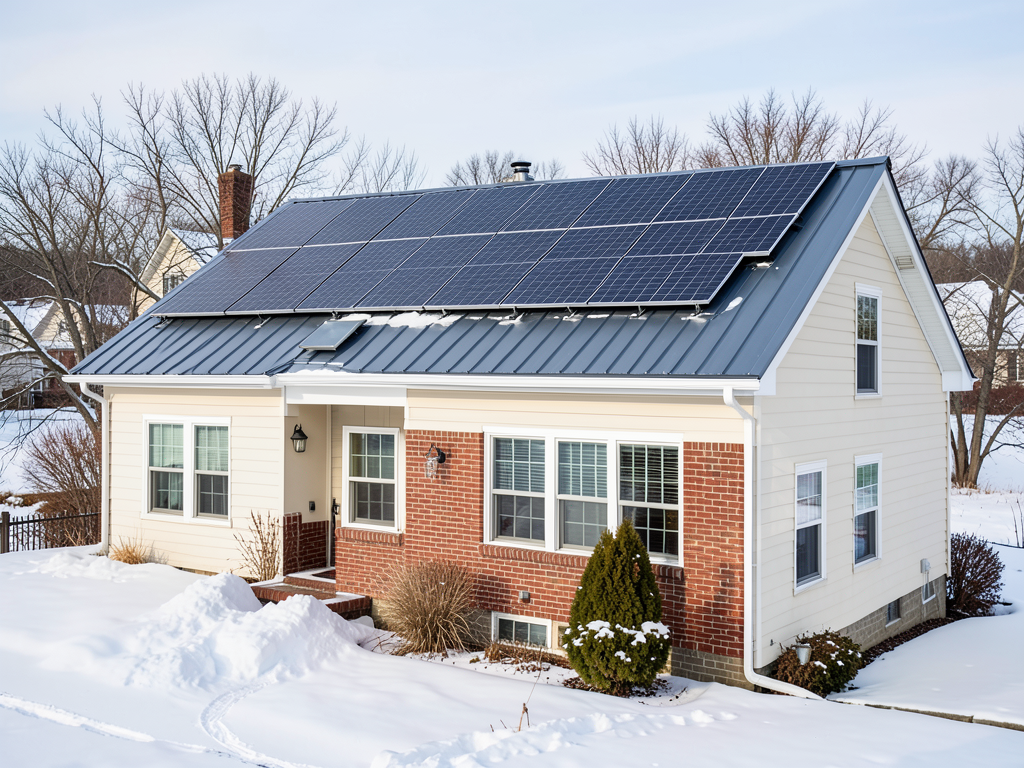
Thinking about adding solar panels to your Columbia Heights home? You are not alone. Solar installations are booming across the Twin Cities as homeowners look for ways to cut energy costs and reduce their carbon footprint. But before you commit to that shiny new solar array you need to ask yourself one critical question: is your roof actually ready to support it?
The harsh Minnesota climate throws unique challenges at every roof. Heavy snow loads ice dams and severe storms can all compromise structural integrity. Adding solar panels increases the weight on your roof and changes how snow and ice behave. That is why a thorough assessment of your roof’s condition is the essential first step before going solar. Minnesota solar building codes.
Why Your Roof’s Condition Matters for Solar
Solar panels typically last 25 to 30 years. If your roof is already aging or damaged you could face a costly dilemma in just a few years. Imagine having to remove and reinstall your entire solar system just to replace worn-out shingles underneath. That process can cost thousands of dollars and delay your energy savings. Storm Damage Roof Inspections in Plymouth – What to Look for After a Major Storm.
Beyond age the structural capacity of your roof is critical. Solar panels add weight and Minnesota’s heavy snow loads create additional stress. A roof that barely meets code for a bare structure may not safely support the combined dead load of panels plus seasonal snow. This is especially true for older homes in Columbia Heights where construction standards have evolved over the decades.. Read more about Is Your Older Seward Home Strong Enough to Handle This Winter’s Snow Load?.
Key Factors That Determine Solar Readiness
Several factors influence whether your roof can handle solar panels. Understanding these will help you make an informed decision.
Roof Age and Material
If your roof is more than 15 years old replacement before solar installation is often the smarter investment. Asphalt shingles typically last 20 to 25 years in Minnesota’s climate. Metal roofing can last 40 to 50 years but costs more upfront. The goal is to match or exceed the lifespan of your solar panels. How Much Does a Full Roof Replacement Cost in Bloomington?.
Structural Integrity
A professional structural inspection examines your roof’s framing rafters and decking. The inspector checks if the structure can handle the additional weight of solar panels and snow accumulation. This is particularly important for homes built before modern building codes addressed solar loads. Roof Inspection.
Orientation and Shading
South-facing roofs with minimal shading from trees or buildings produce the most energy. East and west orientations can still work well. A solar site assessment will map your roof’s sun exposure throughout the year.
Roof Pitch
The angle of your roof affects both solar efficiency and snow management. Steeper pitches shed snow more effectively but may require special mounting hardware. Flatter roofs need careful engineering to prevent snow accumulation that could overload the structure.
Best Roofing Materials for Solar Installations
Not all roofing materials work equally well with solar panels. Some make installation easier and more cost-effective. Trusted Roofing Contractors in St. Louis Park for Shingle Replacement.
Asphalt Shingles
The most common roofing material in Columbia Heights is also the most solar-friendly. Standard asphalt shingles work with most mounting systems. However they have a shorter lifespan than solar panels which is why replacement timing matters.
Standing Seam Metal
Metal roofing offers unique advantages for solar installations. The raised seams allow for clamp-on mounting systems that don’t penetrate the roof surface. This reduces leak risks and can lower installation costs. Metal also handles Minnesota’s freeze-thaw cycles exceptionally well.
Tile and Slate
While beautiful and durable tile and slate require specialized mounting hardware and more careful installation. The added cost may be worthwhile for historic homes or those seeking maximum longevity.
Managing Snow Loads and Ice Dams with Solar Arrays
Minnesota winters create specific challenges for solar installations. Snow accumulation on panels can reduce energy production and add significant weight to your roof structure.
Ice dams form when heat from your home melts snow on the roof which then refreezes at the colder edges. Solar panels can actually help prevent ice dams by keeping the roof surface colder but they also create new considerations for snow management.
Professional installers in the Twin Cities often recommend snow guards or specialized mounting angles to control snow shedding. These prevent dangerous snow slides while allowing proper drainage. The goal is to balance energy production with structural safety.
The Cost of Solar-Ready Roofing in Minneapolis
Investing in a solar-ready roof involves several cost factors. A full roof replacement before solar installation typically costs between $8000 and $20000 for an average Columbia Heights home depending on size and material choice.
Solar panel installation adds another $15000 to $25000 for a typical residential system. While this seems like a big investment federal tax credits can offset 30% of the total cost. Minnesota also offers additional incentives through Xcel Energy’s Solar Rewards program. federal Investment Tax Credit.
The long-term savings can be substantial. A properly sized solar system can reduce your electricity bills by 50% to 100% paying for itself in 7 to 12 years. After that you essentially generate free electricity for the remaining life of the system.
Our Process: Coordinating with Solar Installers
At Keystone Roofing we specialize in preparing homes for solar installations. Our process begins with a comprehensive roof inspection that evaluates structural capacity material condition and compatibility with solar mounting systems.
We work directly with your chosen solar installer to ensure seamless integration. This coordination prevents costly mistakes like mounting hardware that voids your roof warranty or structural modifications that don’t meet code requirements.
Our team understands the specific challenges of Columbia Heights homes from the architectural styles common in the area to the local building code requirements. We ensure your roof meets all structural and weatherproofing standards before any solar panels go up.
Building Code Requirements for Solar in Minnesota
Minnesota has specific building code requirements for solar installations that go beyond standard roofing codes. These include:
- Structural load calculations that account for panel weight plus snow loads
- Fire setbacks that maintain safe access for emergency responders
- Electrical code compliance for panel wiring and inverter installation
- Wind uplift resistance ratings for mounting hardware
Hennepin County and the City of Columbia Heights may have additional permit requirements. Working with a local roofing contractor who understands these regulations can prevent delays and ensure your installation passes inspection.
Financial Incentives and ROI Considerations
The financial case for solar-ready roofing has never been stronger. The federal Investment Tax Credit allows you to deduct 30% of your total solar installation costs from your federal taxes. This applies to both the solar panels and the roof work needed to support them.
Xcel Energy’s Solar Rewards program offers additional incentives based on your system’s energy production. These payments can add up to thousands of dollars over the life of your system. Xcel Energy’s Solar Rewards program.
When you factor in rising electricity costs and the 25+ year lifespan of quality solar installations the return on investment becomes compelling. Many homeowners see their systems pay for themselves within a decade while dramatically reducing their carbon footprint.
Making the Right Decision for Your Home
Deciding whether to replace your roof before going solar depends on several factors. If your roof is less than 10 years old and in good condition you might proceed directly with solar installation. However if your roof is approaching the end of its useful life replacement first often makes more financial sense.
Consider your long-term plans for the property. If you plan to stay in your Columbia Heights home for many years investing in a high-quality roof and solar system can provide decades of energy savings and increased property value.
The best approach is to get professional assessments from both a qualified roofing contractor and a solar installer. They can evaluate your specific situation and provide recommendations tailored to your home’s unique characteristics.
Frequently Asked Questions
How do I know if my roof is strong enough for solar panels?
A professional structural inspection is the only way to know for sure. The inspector will evaluate your roof’s framing check for signs of water damage or rot and calculate whether it can handle the additional weight of solar panels plus snow loads.
Can I install solar panels on a flat roof?
Yes flat roofs can support solar installations using specialized mounting systems that create the proper tilt angle. These systems often use ballasted mounts that don’t penetrate the roof surface reducing leak risks.
What happens if I need a new roof after installing solar panels?
You would need to remove and reinstall the solar system which typically costs $2000 to $5000. This is why replacing an aging roof before solar installation often saves money in the long run.
Are there specific roofing materials that work better with solar?
Standing seam metal roofing offers the easiest installation since panels can clamp directly to the seams without penetrations. Asphalt shingles work well but may require replacement before the solar system reaches the end of its life.
How long does the entire process take from roof replacement to solar installation?
Roof replacement typically takes 1 to 3 days. Solar installation follows and usually requires 2 to 5 days depending on system size. The total timeline from start to finish is usually 2 to 4 weeks when projects are coordinated properly.
Next Steps for Columbia Heights Homeowners
Ready to explore whether your roof is ready for solar? The first step is a comprehensive roof inspection from a local contractor who understands Minneapolis’s unique climate challenges. We will evaluate your roof’s condition structural capacity and compatibility with solar mounting systems.
Don’t let an aging or inadequate roof derail your solar plans. Contact Keystone Roofing today at (651) 588-9277 to schedule your free roof assessment. We will help you understand your options and create a plan that maximizes your investment in both your roof and your energy future.
Columbia Heights homeowners trust us because we combine local expertise with quality craftsmanship. Whether you need a simple repair a complete replacement or a solar-ready roof upgrade we are here to help you make the right choice for your home and your budget. Choosing the Right Cedar Shake Contractor for Your Minnetonka Home.
{
“@context”: “https://schema.org”,
“@type”: “BlogPosting”,
“headline”: “Is Your Columbia Heights Roof Sturdy Enough for Solar Panel Installation?”,
“description”: “Is your Columbia Heights roof ready for solar panels? Learn about structural requirements, snow loads, and the best roofing materials for Minnesota homes.”,
“wordCount”: 1719,
“datePublished”: “2026-03-25T12:18:00.000Z”,
“dateModified”: “2026-03-25T12:18:00.000Z”,
“inLanguage”: “en-US”,
“mainEntityOfPage”: {
“@type”: “WebPage”,
“@id”: “https://keystoneroofingminneapolis.com”
},
“publisher”: {
“@type”: “LocalBusiness”,
“name”: “Keystone Roofing Minneapolis”,
“url”: “https://keystoneroofingminneapolis.com”
},
“author”: {
“@type”: “Organization”,
“name”: “Keystone Roofing Minneapolis”,
“url”: “https://keystoneroofingminneapolis.com”
},
“image”: {
“@type”: “ImageObject”,
“url”: “https://keystoneroofingminneapolis.com/wp-content/uploads/2026/03/is-your-columbia-heights-roof-sturdy-enough-for-so-1.png”
}
}
{
“@context”: “https://schema.org”,
“@type”: “RoofingContractor”,
“name”: “Keystone Roofing Minneapolis”,
“url”: “https://keystoneroofingminneapolis.com”,
“address”: {
“@type”: “PostalAddress”,
“addressLocality”: “Minneapolis”
},
“areaServed”: {
“@type”: “City”,
“name”: “Minneapolis”
}
}
{
“@context”: “https://schema.org”,
“@type”: “FAQPage”,
“mainEntity”: [
{
“@type”: “Question”,
“name”: “How do I know if my roof is strong enough for solar panels?”,
“acceptedAnswer”: {
“@type”: “Answer”,
“text”: “A professional structural inspection is the only way to know for sure. The inspector will evaluate your roof’s framing check for signs of water damage or rot and calculate whether it can handle the additional weight of solar panels plus snow loads.”
}
},
{
“@type”: “Question”,
“name”: “Can I install solar panels on a flat roof?”,
“acceptedAnswer”: {
“@type”: “Answer”,
“text”: “Yes flat roofs can support solar installations using specialized mounting systems that create the proper tilt angle. These systems often use ballasted mounts that don’t penetrate the roof surface reducing leak risks.”
}
},
{
“@type”: “Question”,
“name”: “What happens if I need a new roof after installing solar panels?”,
“acceptedAnswer”: {
“@type”: “Answer”,
“text”: “You would need to remove and reinstall the solar system which typically costs $2000 to $5000. This is why replacing an aging roof before solar installation often saves money in the long run.”
}
},
{
“@type”: “Question”,
“name”: “Are there specific roofing materials that work better with solar?”,
“acceptedAnswer”: {
“@type”: “Answer”,
“text”: “Standing seam metal roofing offers the easiest installation since panels can clamp directly to the seams without penetrations. Asphalt shingles work well but may require replacement before the solar system reaches the end of its life.”
}
},
{
“@type”: “Question”,
“name”: “How long does the entire process take from roof replacement to solar installation?”,
“acceptedAnswer”: {
“@type”: “Answer”,
“text”: “Roof replacement typically takes 1 to 3 days. Solar installation follows and usually requires 2 to 5 days depending on system size. The total timeline from start to finish is usually 2 to 4 weeks when projects are coordinated properly.”
}
}
]
}
{
“@context”: “https://schema.org”,
“@type”: “BreadcrumbList”,
“itemListElement”: [
{
“@type”: “ListItem”,
“position”: 1,
“name”: “Home”,
“item”: “https://keystoneroofingminneapolis.com”
},
{
“@type”: “ListItem”,
“position”: 2,
“name”: “Blog”,
“item”: “https://keystoneroofingminneapolis.com/blog”
},
{
“@type”: “ListItem”,
“position”: 3,
“name”: “Is Your Columbia Heights Roof Sturdy Enough for Solar Panel Installation?”
}
]
}
{
“@context”: “https://schema.org”,
“@type”: “Service”,
“serviceType”: “Roofing”,
“provider”: {
“@type”: “LocalBusiness”,
“name”: “Keystone Roofing Minneapolis”,
“url”: “https://keystoneroofingminneapolis.com”
},
“areaServed”: {
“@type”: “City”,
“name”: “Minneapolis”
},
“description”: “Is your Columbia Heights roof ready for solar panels? Learn about structural requirements, snow loads, and the best roofing materials for Minnesota homes.”
}
