
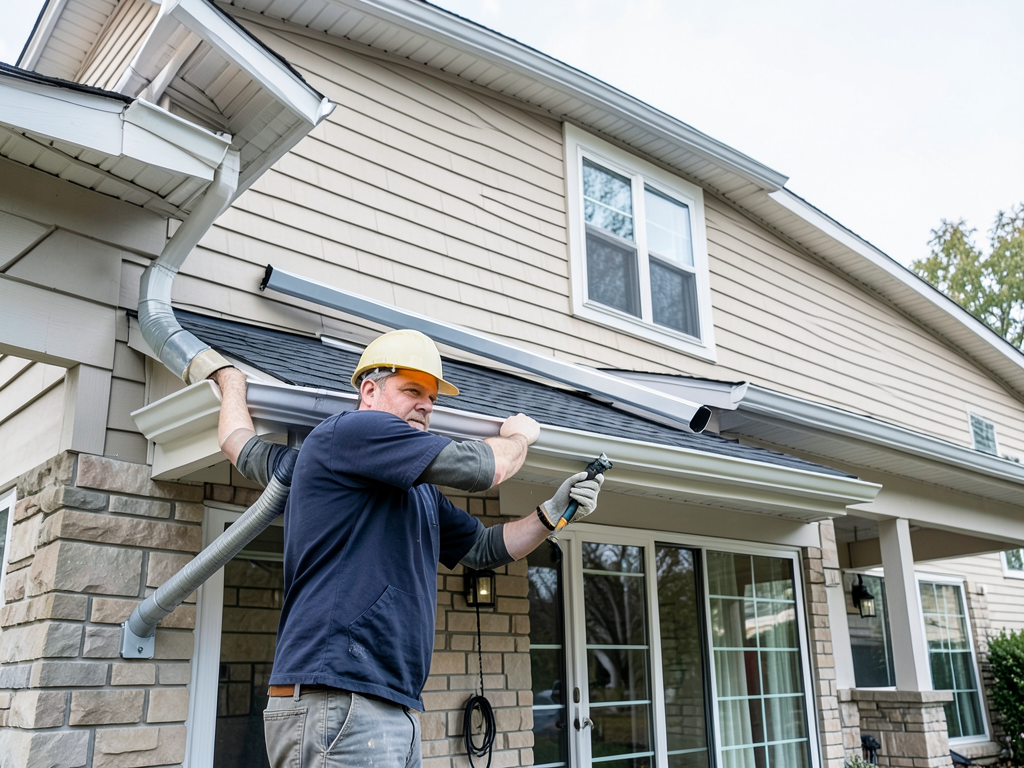
Is Your Lakeville Gutter System Ready for a Five Inch Rainstorm?
Your gutters face a serious test when five inches of rain falls in a single day. That kind of storm happens more often than you might think in the Twin Cities area. When heavy rain overwhelms your gutter system you get overflow that damages your foundation your siding and even your basement. Storm Damage Roof Inspections in Plymouth – What to Look for After a Major Storm.
Lakeville sits in a region where intense summer thunderstorms are common. These storms can dump several inches of rain in just a few hours. Your standard five inch gutters might not be enough to handle that volume especially if your roof is large or has a steep pitch.. Read more about Why Copper Gutters and Accents Are Making a Comeback in Summit-University.
The good news is you can prepare your home before the next big storm hits. Understanding how gutter capacity works and what your system needs will help you avoid expensive water damage repairs later. Expert Flat Roof Repair Services for Uptown Businesses and Modern Lofts.
How Much Water Falls During a Five Inch Rainstorm
Five inches of rain might not sound like much but it adds up quickly. One square foot of roof surface collects about 0.6 gallons of water per inch of rainfall. For a typical Lakeville home with a 2000 square foot roof footprint that means:
- 5 inches × 0.6 gallons = 3 gallons per square foot
- 3 gallons × 2000 square feet = 6000 gallons total
Your gutters must move all 6000 gallons away from your home during the storm. If they cannot keep up the water spills over the edges and pools around your foundation.
Calculating Your Gutter Capacity Needs
Gutter capacity depends on three factors: the size of your roof the pitch of your roof and the intensity of the rainfall. Here is how to calculate what your system needs.
First measure your roof’s drainage area. This is not the same as your home’s square footage. Include the area that drains to each section of gutter. A simple rectangular ranch will have one drainage area but a home with multiple roof planes will have several.
Next determine your roof pitch factor. Steeper roofs shed water faster than shallow ones. Here are common pitch multipliers:
| Roof Pitch | Multiplier |
|---|---|
| 3:12 (low slope) | 1.1 |
| 4:12 to 5:12 (common) | 1.2 |
| 6:12 to 8:12 (steep) | 1.3 |
| 9:12 and above | 1.4 |
Multiply your drainage area by the pitch factor to get your effective roof area. This tells you how much water your gutters must handle.
5 Inch vs 6 Inch Gutters: Which Handles Heavy Rain Better
Standard residential gutters are five inches wide. Six inch gutters are the next size up and they make a big difference in capacity.
| Gutter Size | Cross Sectional Area | Water Capacity |
|---|---|---|
| 5 inch K-style | 5.5 square inches | 5520 gallons per hour |
| 6 inch K-style | 7.2 square inches | 7200 gallons per hour |
Six inch gutters carry about 40 percent more water than five inch gutters. For a five inch rainstorm on a large or steep roof that extra capacity can mean the difference between proper drainage and overflow.
Many newer homes in Lakeville and surrounding suburbs like Apple Valley and Burnsville have larger roof footprints. These homes often benefit from six inch gutters even in normal rainfall conditions.
The Downspout Factor: The Lungs of Your Gutter System
Gutters are only as good as their downspouts. If your downspouts cannot handle the water volume your gutters will overflow no matter how big they are.
Standard residential downspouts come in two sizes: two by three inches and three by four inches. The larger size moves significantly more water.
| Downspout Size | Water Capacity |
|---|---|
| 2×3 inches | 600 gallons per hour |
| 3×4 inches | 1200 gallons per hour |
A good rule of thumb is one three by four inch downspout for every 40 feet of gutter. For homes with heavy roof areas or complex rooflines you might need downspouts every 20 to 30 feet.
Also make sure your downspouts direct water at least six feet away from your foundation. Many Lakeville homes have clay soil that does not drain well. Water pooling near your foundation can cause basement leaks and foundation cracks.
Minneapolis Weather Data: Designing for 100 Year Storms
The Minneapolis area experiences intense rainfall events that test gutter systems. According to the National Weather Service Hennepin County can receive rainfall intensities of 4 to 5 inches per hour during severe summer thunderstorms.
These intense bursts often last 15 to 30 minutes but they can overwhelm undersized systems. A five inch rainstorm over 24 hours is different from 5 inches in one hour. The shorter duration means much higher water flow rates.
Local building codes in Minnesota require homes to handle at least a 100 year storm event. For the Twin Cities that means designing for rainfall intensities that might only occur once a century but can cause major damage when they do.
National Weather Service Twin Cities data shows that severe storms are becoming more frequent in recent years. This trend makes proper gutter sizing even more important for Lakeville homeowners.
Common Signs Your Gutters Cannot Handle the Volume
How do you know if your current system is failing? Watch for these warning signs during the next heavy rain:
- Water overshooting the gutters at the roof edge
- Gutters sagging or pulling away from the fascia
- Water stains on your siding beneath the gutters
- Soil erosion patterns around your foundation
- Basement moisture or leaks after storms
Another sign is tiger striping on your gutters. This dark streaking happens when water constantly overflows and carries dirt and debris down the front of the gutter. It is not just cosmetic. Tiger striping usually means your gutters are undersized for your roof.
If you see any of these signs have your system evaluated before the next big storm. Water damage repairs cost far more than gutter upgrades.
Midwest Weather Patterns: Heavy Summer Thunderstorms
The Upper Midwest gets a unique combination of weather that tests gutter systems. Summer thunderstorms can dump several inches of rain in just a few hours. These storms often come with high winds that blow debris into your gutters reducing their effective capacity.
Spring and fall bring different challenges. In spring melting snow can create continuous water flow for days. Fall leaves and maple seeds can clog gutters just when you need them most for early winter rains.. Read more about The Ultimate Spring Cleaning Checklist for Your Lake Minnetonka Roof and Gutters.
Ice dams in winter also affect gutter performance. While gutters do not cause ice dams poor drainage can make them worse. When gutters cannot drain properly ice builds up and creates dams that force water under your shingles.
Lakeville homes with many deciduous trees especially silver maples face extra challenges. These trees produce helicopter seeds in spring and large leaves in fall. Even with gutter guards heavy debris can reduce your system’s capacity.
Gutter Guards: Do They Help with Heavy Rain
Gutter guards can help maintain your system’s capacity by keeping debris out. But they are not a substitute for proper sizing. A five inch gutter with a guard still cannot handle more water than a five inch gutter without one.
Mesh and screen guards work well for keeping out leaves and large debris. Reverse curve guards handle heavy rain well but can struggle with smaller debris like pine needles.
For Lakeville’s climate a good quality guard can reduce maintenance and help your system perform better during storms. But if your gutters are undersized for your roof no guard will fix that problem. Commercial Roof Maintenance.
Professional Gutter Assessment: When to Call an Expert
Calculating your gutter needs involves more than just measuring your home. Roof valleys multiple stories and complex rooflines all affect drainage requirements. A professional assessment can identify problems you might miss.
Look for these situations where expert help makes sense:
- You have had basement leaks or foundation issues
- Your home has a large or complex roof
- You are planning exterior renovations
- You have noticed overflow during moderate rains
A qualified contractor will measure your roof calculate drainage needs and recommend the right gutter size and downspout configuration. They can also check your fascia and soffit condition since these support your gutter system. Choosing the Right Cedar Shake Contractor for Your Minnetonka Home.
Installation Quality Matters as Much as Size
Even the best sized gutters fail if installed poorly. Proper installation includes:
- Correct pitch toward downspouts (about 1/4 inch per 10 feet)
- Secure fastening to fascia every 24 inches
- Proper sealing at corners and end caps
- Quality hangers that support the gutter weight
Seamless aluminum gutters have become the standard because they have fewer leak points than sectional systems. The gutters are formed on site to fit your home exactly.
Also make sure your contractor knows local building codes. In Minnesota gutters must be installed to handle ice and snow loads common to our climate.
Cost Factors for Gutter Upgrades
Upgrading to six inch gutters costs more than replacing with five inch systems but the difference is often worth it. For a typical Lakeville home expect:
- Five inch seamless aluminum: $6 to $9 per linear foot
- Six inch seamless aluminum: $8 to $12 per linear foot
- Larger downspouts: $20 to $40 each installed
The total cost depends on your home’s size accessibility and whether you need fascia repairs. Most homes need 150 to 250 linear feet of gutter.
Remember that preventing water damage costs much less than repairing it. Foundation repairs can cost thousands of dollars. Basement flooding can destroy flooring and drywall.
Maintenance Keeps Your System Working
Even the best gutter system needs maintenance. Clean your gutters at least twice a year in late spring and late fall. If you have many trees near your home clean them more often.
Check for these maintenance items:
- Sagging sections that need hanger adjustment
- Leaks at seams or corners
- Proper downspout drainage
- Signs of rust or corrosion on metal gutters
Also inspect your system before storm season. Make sure all connections are tight and water can flow freely to the downspouts.
Protecting Your Home Investment
Your home is likely your biggest investment. The gutter system protects that investment by directing water away from your foundation siding and landscaping.
When five inches of rain falls in Lakeville your gutters should handle it without a problem. If they cannot you risk expensive damage that could have been prevented.
Understanding your gutter capacity needs and investing in the right system pays off every time it rains. You get peace of mind knowing your home is protected no matter what the Minnesota weather brings.. Read more about Understanding the Impact of Wildfire Smoke and Ash on Your Roofing Materials.
Frequently Asked Questions
How do I know if my gutters are too small for my roof?
Watch your gutters during heavy rain. If water consistently overflows in multiple places your gutters are too small. Also check for water stains on your siding or erosion near your foundation. These are signs your system cannot handle the volume.
Can I just add more downspouts instead of bigger gutters?
Adding downspouts helps but it is not a complete solution. If your gutters are too small they will still overflow even with extra downspouts. The best approach is properly sized gutters with adequate downspout capacity.
How often should I replace my gutters?
Quality aluminum gutters last 20 to 30 years. Replace them if you see rust holes sagging sections or persistent leaks. Also replace them if they cannot handle your roof’s drainage needs even if they are not that old.
Will gutter guards eliminate the need for cleaning?
No. Gutter guards reduce debris but do not eliminate maintenance. Small particles still get through and wind can blow debris in from the roof. Plan to check your gutters at least once a year even with guards.
Should I get the same gutter size for my garage?
Garage gutters can often be smaller since garages have less roof area. However if your garage roof drains to a small section of gutter it might need the same size as your house gutters to handle the concentrated flow.
Take Action Before the Next Big Storm
Is your Lakeville home ready for the next five inch rainstorm? If you are not sure it is time to find out. Water damage from overflowing gutters can cost thousands to repair and might not be covered by insurance if it is considered maintenance related.
Call Keystone Roofing at (651) 588-9277 for a free gutter assessment. We will measure your roof calculate your drainage needs and recommend the right solution for your home. Do not wait until water is running down your foundation walls. Protect your home today. Trusted Roofing Contractors in St. Louis Park for Shingle Replacement.
{
“@context”: “https://schema.org”,
“@type”: “BlogPosting”,
“headline”: “Is Your Lakeville Gutter System Ready for a Five Inch Rainstorm?”,
“description”: “Heavy rains are testing gutter systems across Lakeville. Learn how to size your gutters correctly and prevent costly water damage during Minnesota’s biggest storms.”,
“wordCount”: 2103,
“datePublished”: “2026-06-16T07:24:00.000Z”,
“dateModified”: “2026-06-16T07:24:00.000Z”,
“inLanguage”: “en-US”,
“mainEntityOfPage”: {
“@type”: “WebPage”,
“@id”: “https://keystoneroofingminneapolis.com”
},
“publisher”: {
“@type”: “LocalBusiness”,
“name”: “Keystone Roofing Minneapolis”,
“url”: “https://keystoneroofingminneapolis.com”
},
“author”: {
“@type”: “Organization”,
“name”: “Keystone Roofing Minneapolis”,
“url”: “https://keystoneroofingminneapolis.com”
},
“image”: {
“@type”: “ImageObject”,
“url”: “https://keystoneroofingminneapolis.com/wp-content/uploads/2026/03/is-your-lakeville-gutter-system-ready-for-a-five-i-1.png”
}
}
{
“@context”: “https://schema.org”,
“@type”: “RoofingContractor”,
“name”: “Keystone Roofing Minneapolis”,
“url”: “https://keystoneroofingminneapolis.com”,
“address”: {
“@type”: “PostalAddress”,
“addressLocality”: “Minneapolis”
},
“areaServed”: {
“@type”: “City”,
“name”: “Minneapolis”
}
}
{
“@context”: “https://schema.org”,
“@type”: “FAQPage”,
“mainEntity”: [
{
“@type”: “Question”,
“name”: “How do I know if my gutters are too small for my roof?”,
“acceptedAnswer”: {
“@type”: “Answer”,
“text”: “Watch your gutters during heavy rain. If water consistently overflows in multiple places your gutters are too small. Also check for water stains on your siding or erosion near your foundation. These are signs your system cannot handle the volume.”
}
},
{
“@type”: “Question”,
“name”: “Can I just add more downspouts instead of bigger gutters?”,
“acceptedAnswer”: {
“@type”: “Answer”,
“text”: “Adding downspouts helps but it is not a complete solution. If your gutters are too small they will still overflow even with extra downspouts. The best approach is properly sized gutters with adequate downspout capacity.”
}
},
{
“@type”: “Question”,
“name”: “How often should I replace my gutters?”,
“acceptedAnswer”: {
“@type”: “Answer”,
“text”: “Quality aluminum gutters last 20 to 30 years. Replace them if you see rust holes sagging sections or persistent leaks. Also replace them if they cannot handle your roof’s drainage needs even if they are not that old.”
}
},
{
“@type”: “Question”,
“name”: “Will gutter guards eliminate the need for cleaning?”,
“acceptedAnswer”: {
“@type”: “Answer”,
“text”: “No. Gutter guards reduce debris but do not eliminate maintenance. Small particles still get through and wind can blow debris in from the roof. Plan to check your gutters at least once a year even with guards.”
}
},
{
“@type”: “Question”,
“name”: “Should I get the same gutter size for my garage?”,
“acceptedAnswer”: {
“@type”: “Answer”,
“text”: “Garage gutters can often be smaller since garages have less roof area. However if your garage roof drains to a small section of gutter it might need the same size as your house gutters to handle the concentrated flow.”
}
}
]
}
{
“@context”: “https://schema.org”,
“@type”: “BreadcrumbList”,
“itemListElement”: [
{
“@type”: “ListItem”,
“position”: 1,
“name”: “Home”,
“item”: “https://keystoneroofingminneapolis.com”
},
{
“@type”: “ListItem”,
“position”: 2,
“name”: “Blog”,
“item”: “https://keystoneroofingminneapolis.com/blog”
},
{
“@type”: “ListItem”,
“position”: 3,
“name”: “Is Your Lakeville Gutter System Ready for a Five Inch Rainstorm?”
}
]
}
{
“@context”: “https://schema.org”,
“@type”: “Service”,
“serviceType”: “Roofing”,
“provider”: {
“@type”: “LocalBusiness”,
“name”: “Keystone Roofing Minneapolis”,
“url”: “https://keystoneroofingminneapolis.com”
},
“areaServed”: {
“@type”: “City”,
“name”: “Minneapolis”
},
“description”: “Heavy rains are testing gutter systems across Lakeville. Learn how to size your gutters correctly and prevent costly water damage during Minnesota’s biggest storms.”
}
