
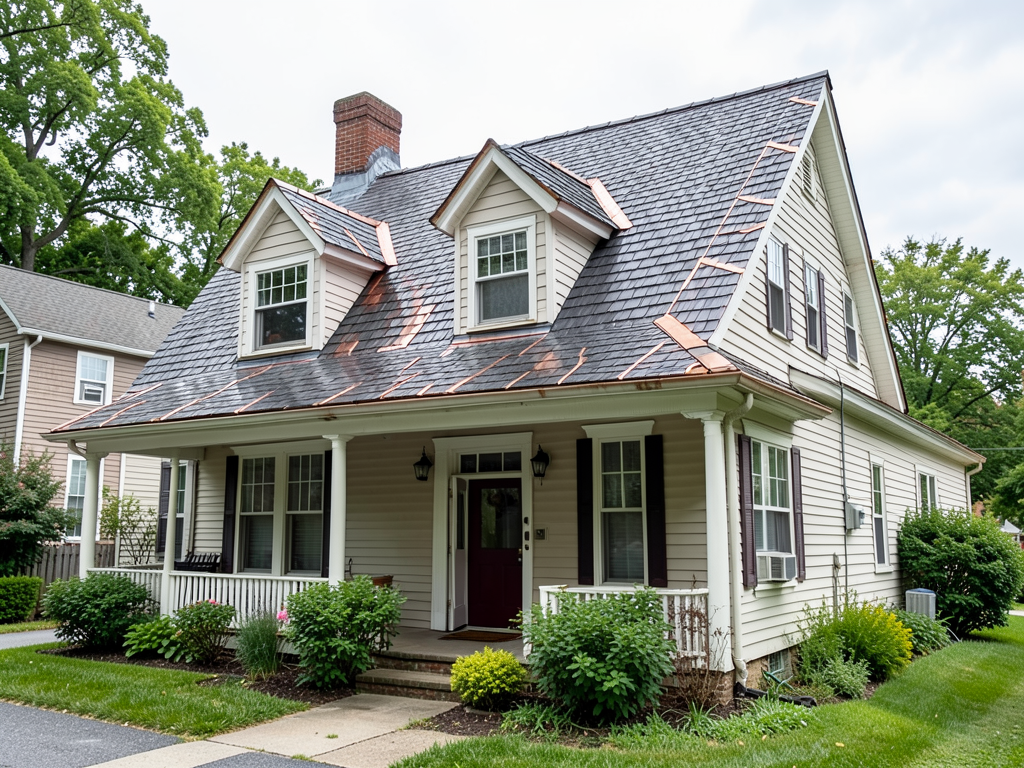
Maintaining the Original Slate or Tile Aesthetic for Your Stillwater Victorian Home
Your Stillwater Victorian home deserves a roof that honors its architectural heritage while standing up to Minnesota’s harsh climate. The St. Croix River Valley’s historic district contains some of the finest Victorian-era homes in the upper Midwest each with unique roofing materials that tell a story of craftsmanship from a bygone era. Stillwater Heritage Preservation Commission.
Stillwater’s historic homes feature materials like natural slate clay tile and hand-split cedar shakes that require specialized knowledge for proper restoration. These materials were chosen not just for beauty but for their durability in Minnesota’s extreme weather conditions. Understanding how to maintain these original features while ensuring your home remains protected requires working with contractors who understand both historic preservation and modern building science.
Understanding Stillwater’s Historic Roofing Materials
Stillwater’s Victorian homes showcase several distinct roofing materials that define the architectural character of neighborhoods like South Hill and North Hill. Each material requires specific maintenance approaches and restoration techniques. Trusted Roofing Contractors in St. Louis Park for Shingle Replacement.
Natural slate remains one of the most durable roofing materials available. Quarried slate from Vermont and Pennsylvania arrived in Stillwater during the late 1800s providing homeowners with roofing that could last over a century. These tiles come in various thicknesses and colors from deep purples to soft grays creating the distinctive patterns seen on many Stillwater Victorians.
Clay tile roofs arrived slightly later and became popular for their Mediterranean-inspired appearance. These tiles offer excellent fire resistance and can withstand Minnesota’s freeze-thaw cycles when properly installed. The weight of clay tile requires careful structural assessment before any restoration work begins.
Cedar shake roofing provides a different aesthetic while maintaining historical accuracy. Hand-split cedar shakes develop a beautiful silver-gray patina over time and offer natural insulation properties. They require more frequent maintenance than slate or tile and must be treated to resist moisture and insect damage in Minnesota’s humid climate. Storm Damage Roof Inspections in Plymouth – What to Look for After a Major Storm.
Navigating Stillwater Heritage Preservation Commission Requirements
The Stillwater Heritage Preservation Commission (HPC) oversees exterior changes to properties within the historic district. Any work affecting your roof’s appearance or structure requires HPC approval before beginning. Understanding these requirements helps avoid costly delays and ensures your restoration maintains historical integrity.
HPC guidelines prioritize maintaining original materials whenever possible. If replacement becomes necessary the commission requires materials that match the original in appearance quality and installation method. This means sourcing authentic slate from the same quarries or finding cedar shakes that match the original hand-splitting patterns. How Much Does a Full Roof Replacement Cost in Bloomington?.
The permit process typically takes 30-45 days and requires detailed documentation of existing conditions proposed work and material specifications. Working with contractors familiar with HPC procedures streamlines this process and increases approval likelihood.
South Hill Historic District properties face additional scrutiny due to their concentration of high-style Victorian architecture. The commission pays particular attention to rooflines dormer treatments and decorative elements that contribute to the neighborhood’s cohesive historic character.
Material Sourcing and Restoration Techniques
Finding authentic replacement materials presents one of the biggest challenges in historic roof restoration. Several specialty suppliers maintain inventories of reclaimed slate and tile from buildings undergoing demolition across the Midwest. These reclaimed materials often match the age and character of your existing roof better than new production.
For cedar shakes working with mills that specialize in traditional hand-splitting techniques ensures authenticity. Modern machine-cut shakes lack the irregular edges and varying thicknesses that give historic roofs their character. Some Minnesota mills can replicate these traditional methods while treating the wood for enhanced durability.
Copper flashing and decorative elements require custom fabrication to match original patterns. Victorian homes often featured ornate copper work around chimneys dormers and valleys. Skilled metalworkers can recreate these details using historical photographs and physical measurements from your existing roof.
Restoration work often reveals hidden damage to underlying structures. Rotted decking deteriorated flashing and compromised structural members must be addressed before installing new roofing materials. This work requires carpentry skills that complement roofing expertise. Expert Flat Roof Repair Services for Uptown Businesses and Modern Lofts.
Climate Considerations for Stillwater Historic Homes
Minnesota’s climate creates unique challenges for historic roofing materials. Stillwater experiences significant temperature swings with summer highs exceeding 90°F and winter lows dropping below -20°F. These extremes cause expansion and contraction that can damage older roofing systems.
Ice dam formation represents one of the most common problems for historic homes. Poor attic ventilation and inadequate insulation allow heat to escape through the roof melting snow that refreezes at the eaves. This process can lift slate tiles crack clay tiles and damage cedar shakes.
Proper ventilation becomes critical for historic roof preservation. Original construction often lacked adequate airflow leading to moisture buildup in attic spaces. Modern ventilation systems can be installed discreetly to protect the roof while maintaining the home’s exterior appearance.
Heavy snowfall in the St. Croix Valley creates additional stress on historic roof structures. Snow accumulation can exceed 40 pounds per square foot potentially exceeding the load capacity of original framing. Snow removal requires careful techniques to avoid damaging delicate roofing materials.
Case Study: South Hill Victorian Restoration
A recent restoration project on South Hill demonstrates the complexities of historic roof preservation. The 1890s Queen Anne featured original Vermont slate that had survived over 130 years but showed signs of deterioration around chimneys and valleys.
The restoration team began with a comprehensive inspection documenting existing conditions and creating a restoration plan that prioritized material preservation. Approximately 30% of the slate required replacement primarily in areas where water penetration had occurred.
Matching the original slate proved challenging. The project required sourcing reclaimed slate from a demolished church in Wisconsin that dated to the same era. The supplier provided tiles in various sizes to match the original graduated pattern.
Copper flashing around the multiple chimneys required complete replacement. The restoration team worked with a local metal fabricator to recreate the original decorative patterns including the ornate drip edges and chimney saddles.
The project took six weeks to complete with additional time required for HPC permit approval. The restored roof maintains the home’s historic character while incorporating modern underlayment and ventilation systems that will extend its service life.
Maintenance Schedule for Historic Roofs
Historic roofs require more frequent inspection and maintenance than modern systems. A structured maintenance schedule helps identify problems early and extends the life of original materials. Commercial Roof Maintenance.
| Maintenance Task | Frequency | Purpose |
|---|---|---|
| Visual inspection | Semi-annually (spring/fall) | Identify damage missing pieces or wear patterns |
| Gutter cleaning | Quarterly | Prevent water backup and ice dam formation |
| Flashing inspection | Annually | Check for deterioration around chimneys vents and valleys |
| Slate/tile securement check | Every 3-5 years | Ensure fasteners remain secure and materials intact |
| Copper patina assessment | Every 5-7 years | Monitor for excessive corrosion or structural weakness |
| Complete professional inspection | Every 10 years | Comprehensive assessment of all roofing components |
Regular maintenance costs significantly less than emergency repairs and helps preserve the roof’s historical value. Many historic homeowners find that proper maintenance actually reduces long-term costs compared to frequent partial replacements.
Insurance Considerations for Historic Properties
Historic homes often require specialized insurance coverage that accounts for the higher costs of restoration work. Standard replacement cost coverage may not adequately cover the expense of sourcing authentic materials or hiring craftsmen with historic preservation expertise.
Insurance companies may require documentation of your roof’s historical significance and current condition. This documentation helps establish accurate replacement values and ensures proper coverage for specialized restoration work.
Some insurance providers offer discounts for homes with documented maintenance histories and professional inspections. These programs recognize that well-maintained historic properties present lower risk than neglected ones.
Working with insurance agents familiar with historic properties helps navigate coverage options and ensures adequate protection for your investment. Some policies include provisions for code upgrades required during restoration which can significantly impact restoration costs.
Energy Efficiency in Historic Roof Restoration
Historic roof restoration offers opportunities to improve energy efficiency while maintaining architectural integrity. Modern insulation and ventilation techniques can significantly reduce heating and cooling costs without compromising the roof’s historic appearance.
Ice and water shield installation under historic roofing materials provides crucial protection against ice dam damage. This waterproof membrane prevents water infiltration even when ice forms at the roof edges. Modern products can be installed without visible alteration to the roof’s exterior.
Attic insulation upgrades complement roof ventilation improvements. Many historic homes lack adequate insulation leading to heat loss through the roof. Adding insulation between rafters or in attic floor spaces reduces energy consumption while protecting roofing materials from temperature extremes.
Solar integration presents challenges for historic properties but offers potential solutions for energy-conscious homeowners. Low-profile solar panels can be installed on less visible roof sections and some manufacturers now produce solar tiles that mimic traditional materials.
Choosing the Right Contractor for Historic Restoration
Not all roofing contractors possess the expertise required for historic restoration. Look for professionals with specific experience in historic preservation knowledge of traditional materials and familiarity with local preservation requirements.
Certifications from preservation organizations demonstrate commitment to historic restoration standards. Membership in groups like the National Roofing Contractors Association or local preservation societies indicates ongoing education in best practices. National Park Service Preservation Briefs.
Portfolio review becomes essential when selecting a contractor. Ask to see examples of similar historic restoration projects particularly those involving slate tile or cedar shake materials. Contact references to verify quality and reliability.
Insurance and licensing requirements may differ for historic restoration work. Ensure your contractor carries appropriate coverage for the specialized nature of this work and understands the liability implications of working on historic structures.
Communication skills matter significantly in historic restoration. Your contractor should explain technical aspects clearly provide detailed timelines and maintain open dialogue throughout the project. Historic restoration often reveals unexpected issues requiring collaborative problem-solving.
Cost Factors in Historic Roof Restoration
Historic roof restoration typically costs 30-50% more than modern roof replacement due to specialized materials skilled labor and preservation requirements. Understanding cost factors helps budget appropriately and avoid surprises.
Material sourcing represents a significant cost driver. Authentic slate tile or cedar shakes often cost three to five times more than modern alternatives. Transportation from specialty suppliers and the need for precise matching further increase material expenses.
Labor costs reflect the specialized skills required for historic restoration. Craftsmen must understand traditional installation methods work carefully to preserve existing materials and coordinate with preservation authorities. This expertise commands premium wages.
Unexpected repairs frequently arise during restoration. Rotted decking structural damage or deteriorated flashing discovered during the project requires additional work beyond the original scope. Budgeting a 15-20% contingency helps manage these situations.
Permit and inspection fees add to project costs. HPC permits structural engineering assessments and multiple inspections throughout the project contribute to overall expenses but ensure compliance with preservation standards.
Long-Term Value of Historic Roof Preservation
Investing in historic roof preservation protects both your home’s architectural integrity and its market value. Well-maintained historic properties often command premium prices in Stillwater’s real estate market with original features serving as key selling points.
Energy efficiency improvements from proper restoration reduce ongoing operating costs. Modern ventilation and insulation integrated during restoration work continue providing benefits for decades offsetting initial investment through utility savings.
Historic preservation contributes to neighborhood character and community identity. Well-maintained historic homes enhance property values throughout historic districts and support local tourism and economic development.
Documentation of restoration work provides valuable records for future owners and preservation efforts. Detailed records of materials techniques and maintenance schedules help ensure continuity in preservation efforts across property ownership changes.
The satisfaction of preserving architectural heritage offers intangible benefits that extend beyond financial considerations. Many historic homeowners find deep satisfaction in maintaining connections to the past while ensuring their homes remain viable for future generations.
Frequently Asked Questions
How long does a historic roof restoration typically take?
Most historic roof restorations require 4-8 weeks for completion depending on the roof size material availability and any unexpected repairs discovered during the project. HPC permit approval adds an additional 30-45 days to project timelines.
Can I install modern materials on my historic home to save money?
The Stillwater HPC generally requires materials that match the original in appearance and quality. Installing modern materials that don’t match the historic character typically requires HPC approval which is rarely granted for visible exterior changes to historic properties.
What happens if I discover damage during restoration that wasn’t in the original estimate?
Unexpected damage is common in historic restoration projects. Reputable contractors include contingency provisions in their contracts and communicate immediately when additional work becomes necessary. Most projects include a 15-20% contingency budget for unforeseen repairs.
Ready to Preserve Your Stillwater Victorian’s Heritage?
Your historic home deserves roofing expertise that understands both preservation requirements and Minnesota’s challenging climate. Our team specializes in restoring slate tile and cedar shake roofs while navigating Stillwater’s preservation guidelines.
We provide comprehensive inspections detailed restoration plans and HPC permit assistance to ensure your project proceeds smoothly. Our craftsmen understand the nuances of historic materials and traditional installation methods that maintain your home’s architectural integrity.
Don’t risk damage to your historic roof with inexperienced contractors. Call Keystone Roofing Minneapolis today at (651) 588-9277 to schedule your historic roof assessment. We serve Stillwater homeowners throughout the St. Croix Valley bringing decades of experience to every restoration project.
Protect your investment and preserve your home’s heritage with professionals who understand the unique requirements of Stillwater’s historic properties. Contact us now to begin your restoration journey. For more information, visit authority site for roofing industry standards and certifications.
{
“@context”: “https://schema.org”,
“@type”: “BlogPosting”,
“headline”: “Maintaining the Original Slate or Tile Aesthetic for Your Stillwater Victorian Home”,
“description”: “Expert guidance for preserving your Stillwater Victorian home’s original slate or tile roof while meeting heritage preservation requirements and Minnesota’s climate challenges.”,
“wordCount”: 2274,
“datePublished”: “2026-06-13T15:51:00.000Z”,
“dateModified”: “2026-06-13T15:51:00.000Z”,
“inLanguage”: “en-US”,
“mainEntityOfPage”: {
“@type”: “WebPage”,
“@id”: “https://keystoneroofingminneapolis.com”
},
“publisher”: {
“@type”: “LocalBusiness”,
“name”: “Keystone Roofing Minneapolis”,
“url”: “https://keystoneroofingminneapolis.com”
},
“author”: {
“@type”: “Organization”,
“name”: “Keystone Roofing Minneapolis”,
“url”: “https://keystoneroofingminneapolis.com”
},
“image”: {
“@type”: “ImageObject”,
“url”: “https://keystoneroofingminneapolis.com/wp-content/uploads/2026/03/maintaining-the-original-slate-or-tile-aesthetic-f-1.png”
}
}
{
“@context”: “https://schema.org”,
“@type”: “RoofingContractor”,
“name”: “Keystone Roofing Minneapolis”,
“url”: “https://keystoneroofingminneapolis.com”,
“address”: {
“@type”: “PostalAddress”,
“addressLocality”: “Minneapolis”
},
“areaServed”: {
“@type”: “City”,
“name”: “Minneapolis”
}
}
{
“@context”: “https://schema.org”,
“@type”: “FAQPage”,
“mainEntity”: [
{
“@type”: “Question”,
“name”: “How long does a historic roof restoration typically take?”,
“acceptedAnswer”: {
“@type”: “Answer”,
“text”: “Most historic roof restorations require 4-8 weeks for completion depending on the roof size material availability and any unexpected repairs discovered during the project. HPC permit approval adds an additional 30-45 days to project timelines.”
}
},
{
“@type”: “Question”,
“name”: “Can I install modern materials on my historic home to save money?”,
“acceptedAnswer”: {
“@type”: “Answer”,
“text”: “The Stillwater HPC generally requires materials that match the original in appearance and quality. Installing modern materials that don’t match the historic character typically requires HPC approval which is rarely granted for visible exterior changes to historic properties.”
}
},
{
“@type”: “Question”,
“name”: “What happens if I discover damage during restoration that wasn’t in the original estimate?”,
“acceptedAnswer”: {
“@type”: “Answer”,
“text”: “Unexpected damage is common in historic restoration projects. Reputable contractors include contingency provisions in their contracts and communicate immediately when additional work becomes necessary. Most projects include a 15-20% contingency budget for unforeseen repairs.”
}
},
{
“@type”: “Question”,
“name”: “Ready to Preserve Your Stillwater Victorian’s Heritage?”,
“acceptedAnswer”: {
“@type”: “Answer”,
“text”: “Your historic home deserves roofing expertise that understands both preservation requirements and Minnesota’s challenging climate. Our team specializes in restoring slate tile and cedar shake roofs while navigating Stillwater’s preservation guidelines.”
}
}
]
}
{
“@context”: “https://schema.org”,
“@type”: “BreadcrumbList”,
“itemListElement”: [
{
“@type”: “ListItem”,
“position”: 1,
“name”: “Home”,
“item”: “https://keystoneroofingminneapolis.com”
},
{
“@type”: “ListItem”,
“position”: 2,
“name”: “Blog”,
“item”: “https://keystoneroofingminneapolis.com/blog”
},
{
“@type”: “ListItem”,
“position”: 3,
“name”: “Maintaining the Original Slate or Tile Aesthetic for Your Stillwater Victorian Home”
}
]
}
{
“@context”: “https://schema.org”,
“@type”: “Service”,
“serviceType”: “Roofing”,
“provider”: {
“@type”: “LocalBusiness”,
“name”: “Keystone Roofing Minneapolis”,
“url”: “https://keystoneroofingminneapolis.com”
},
“areaServed”: {
“@type”: “City”,
“name”: “Minneapolis”
},
“description”: “Expert guidance for preserving your Stillwater Victorian home’s original slate or tile roof while meeting heritage preservation requirements and Minnesota’s climate challenges.”
}
