
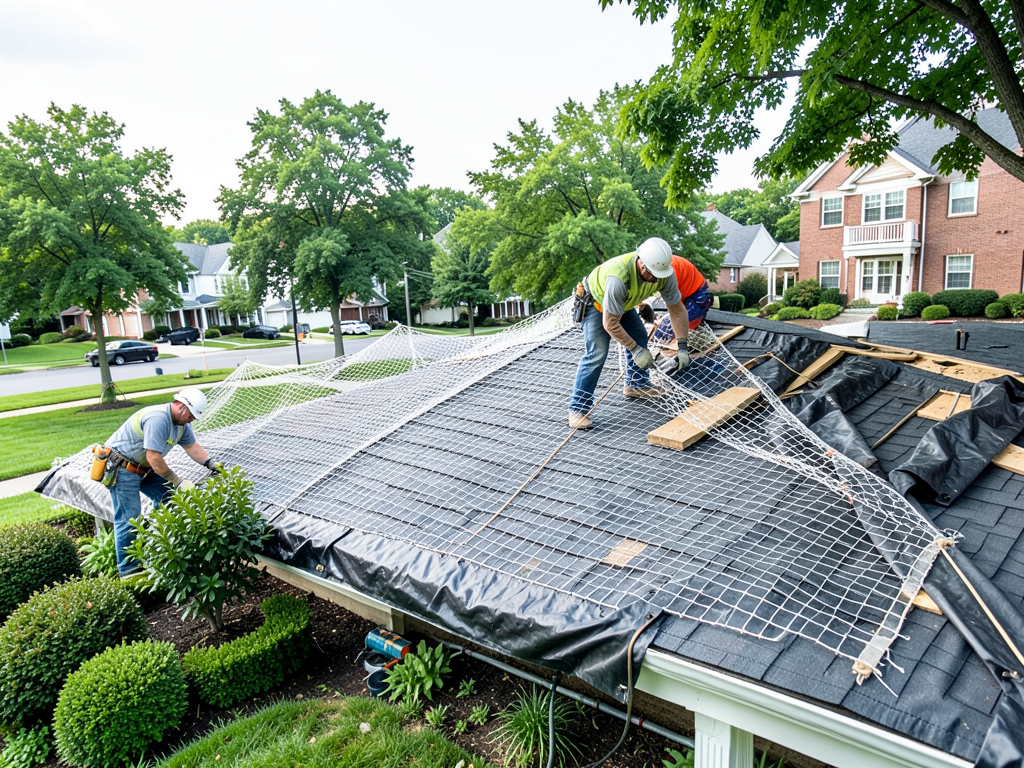
Protecting Your Expensive Edina Landscaping During a Full Roof Replacement
Your Edina home likely features professionally designed landscaping that represents a significant investment in both time and money. From mature hostas lining your foundation to carefully pruned hydrangeas near your front entrance, these plants require protection when your roof replacement begins. The process of tearing off old shingles and installing new ones creates debris, heavy equipment traffic, and potential chemical exposure that can devastate your garden if not properly managed. How Much Does a Full Roof Replacement Cost in Bloomington?.
Minneapolis homeowners face unique challenges during roof replacement projects. Our climate creates specific timing considerations, and the density of established neighborhoods means your landscaping sits in close proximity to the work zone. Understanding how to protect your investment requires knowledge of both roofing processes and local plant care. Trusted Roofing Contractors in St. Louis Park for Shingle Replacement.
The Hazards of Roofing: Why Landscaping is at Risk
Roof replacement creates multiple threats to your landscaping that many homeowners never consider. Falling debris represents the most obvious danger. A standard bundle of asphalt shingles weighs between 70 and 80 pounds. When workers toss these bundles from the roof edge, they can crush anything beneath them. During a typical tear-off, thousands of these bundles come off your roof, creating what contractors call “shingle rain” over the course of the project.. Read more about Can You Install a New Roof During a Minnesota Winter?.
Nail and fastener debris poses another significant threat. A standard roof installation uses approximately 10,000 to 15,000 nails. These sharp metal pieces scatter across your yard during installation and can damage lawnmower blades, injure pets, or create hazards for children playing in the yard. Professional crews use magnetic sweepers to collect these nails, but the process requires thorough coverage of all landscaped areas. Storm Damage Roof Inspections in Plymouth – What to Look for After a Major Storm.
Heavy equipment traffic creates soil compaction issues that can take years to correct. Dumpsters, material delivery trucks, and scaffolding all require stable ground. When placed on lawn areas, these vehicles compress soil particles, reducing oxygen availability to plant roots and creating drainage problems. Once compacted, soil can take three to five years to fully recover its original structure.
Chemical exposure from roofing materials presents a less obvious but equally serious threat. New shingles contain petroleum-based compounds and protective coatings that can leach into soil. Cleaning agents used to prepare surfaces for installation may harm nearby plants. Even the simple act of walking across mulch beds with work boots can track harmful substances into planting areas. EPA guidelines.
Our 5-Step Protection Process
Professional roofing contractors use systematic approaches to protect your landscaping throughout the roof replacement process. This five-step method ensures comprehensive protection from start to finish.
- Pre-Job Site Assessment
Before any work begins, the crew conducts a thorough walkthrough with the homeowner. They identify valuable plants, mark sprinkler heads, and document existing conditions with photographs. This creates a baseline for liability and ensures everyone understands which areas require special attention. During this assessment, the crew also identifies overhanging tree branches that could interfere with equipment and may need pruning.. Read more about The Scariest Things We Find Under Old Shingles in Woodbury.
- Strategic Tarping and Netting Installation
Professional crews use heavy-duty polyethylene tarps to create protective barriers. Unlike standard painter’s tarps, these materials withstand falling debris and resist tearing. The crew installs these tarps at angles that direct falling materials away from sensitive plantings. For areas directly beneath the roof edge, they create “catch-all” systems using reinforced netting stretched between temporary poles. These systems catch 95% or more of falling debris before it reaches the ground.
- Plywood Shield Construction
For delicate shrubs and foundation plantings, crews build temporary plywood lean-to structures. These A-frame constructions provide overhead protection while allowing air circulation. The plywood sheets, typically 1/2-inch exterior grade, create a barrier against falling objects while being heavy enough to resist wind damage. For air conditioning units and other expensive equipment, crews build complete enclosures that protect from all angles.
- Gutter and Downspout Protection
Before removing old roofing materials, crews install temporary gutter guards to prevent debris from entering drainage systems. They may also extend downspouts away from foundation plantings to prevent water damage during the project. This protection prevents clogs that could cause water backup and damage to both the new roof and existing landscaping.
- Magnetic Sweeping Protocol
Throughout the project and especially during the final cleanup, crews use industrial magnetic sweepers to collect metal debris. These devices, which roll across surfaces like lawnmowers, pick up nails, staples, and other metal fragments that could damage equipment or create hazards. The crew performs multiple sweeps, including one perpendicular to the initial direction, to ensure thorough coverage of all landscaped areas.
Minneapolis-Specific Plant Care
Edina and surrounding Minneapolis neighborhoods feature specific plant species that require special consideration during roof replacement. Understanding these local varieties helps you communicate effectively with your roofing contractor about protection needs.
Hostas dominate many Minneapolis shade gardens due to our climate and mature tree canopy. These hardy perennials, while tough, have broad leaves that catch falling debris easily. Their shallow root systems make them vulnerable to soil compaction. When planning protection, mark hosta locations clearly and consider temporary fencing to prevent foot traffic through these beds.
Hydrangeas, particularly the popular Annabelle and Endless Summer varieties, represent another common Minneapolis landscape feature. These shrubs bloom on old wood, meaning damage to this year’s growth affects next year’s flowers. Their brittle stems break easily under falling debris. Protection structures for hydrangeas should provide complete overhead coverage while allowing enough space for air circulation.
Minnesota’s climate creates seasonal timing considerations for roof replacement and plant protection. Spring projects coincide with new growth emergence, making damage more visible and recovery slower. Summer replacements occur during peak growing season when plants are most vulnerable to stress. Fall projects benefit from approaching dormancy but risk disrupting fall root growth. Winter replacements, while protecting plants from debris, create challenges with frozen ground and snow removal.
Soil conditions in the Minneapolis area vary significantly by neighborhood. Edina features predominantly clay soils that compact easily under equipment traffic. These soils also drain poorly, creating standing water issues if drainage patterns change during the roofing project. Contractors working in clay soil areas should use ground protection mats under heavy equipment to distribute weight and prevent deep compaction.
Homeowner Checklist: How You Can Help
While professional crews handle most protection work, homeowners can take several steps to minimize risk and ensure smooth project completion. This checklist helps you prepare your property before the roofing crew arrives.
- Move all potted plants, lawn ornaments, and lightweight furniture at least 15 feet away from the house. This includes bird feeders, wind chimes, and decorative flags that could be damaged by debris or interfere with crew movement.
- Mark all underground sprinkler heads with bright flags or stakes. Even if you’ve marked them before, roofing season creates additional foot traffic that increases the risk of damage. Take photos of the marked locations for reference.
- Cut your grass to approximately 2 inches in height before the project begins. Short grass makes magnetic sweeping more effective and helps crews spot small debris that could damage equipment or create hazards.
- Document the condition of your landscaping with dated photographs. Focus on areas closest to the house, including foundation plantings, flower beds, and any expensive specimens. This documentation protects both you and the contractor in case of disputes.
- Prune any tree branches that overhang your roof by more than a few inches. This prevents interference with equipment and reduces the risk of damage to both your trees and the new roof. Focus on branches within 10 feet of the roof edge.
- Remove or secure any downspout extensions near foundation plantings. These can be damaged by falling debris or become tripping hazards for workers carrying materials.
- Communicate with your neighbors about the project timeline. Roof replacement creates noise and temporary parking restrictions that may affect adjacent properties. Good communication prevents complaints and ensures cooperation if protection extends onto property lines.
Liability and Insurance: What Happens if Damage Occurs?
Understanding contractor liability and insurance coverage provides peace of mind during your roof replacement project. Professional roofing companies carry specific insurance coverages designed to protect both parties in case of accidental damage.
General liability insurance covers damage to your property caused by the contractor’s work. This includes landscaping damage, but the extent of coverage varies significantly between policies. Some policies exclude “acts of God” like wind damage to trees during the project, while others provide comprehensive coverage. Ask your contractor for a certificate of insurance and verify that the policy includes landscaping protection.
Worker’s compensation insurance protects you from liability if a worker is injured on your property. Without this coverage, you could be financially responsible for medical expenses and lost wages if someone is hurt while working on your roof. Verify that your contractor carries current worker’s compensation coverage for all employees.
Roofing contracts should include specific language about landscaping protection and damage liability. Look for clauses that state the contractor will restore damaged areas to their original condition or provide compensation for replacement costs. The contract should also specify the process for documenting damage, including required notification timeframes and dispute resolution procedures.
Before work begins, take time-stamped photographs of all landscaped areas near the work zone. These “before” photos provide crucial evidence if damage occurs and helps establish the extent of any necessary restoration. Share these photos with your contractor and keep copies in a secure location.
Most reputable contractors offer damage guarantees that go beyond insurance requirements. These guarantees typically promise to repair or replace damaged plants within a specific timeframe, often 30 to 60 days after project completion. This allows time for damage symptoms to become apparent and ensures proper restoration during the appropriate season. Expert Flat Roof Repair Services for Uptown Businesses and Modern Lofts.
Equipment Placement Strategy for Minneapolis Lots
Minneapolis residential lots often present unique challenges for equipment placement due to their narrow dimensions and established landscaping. Professional crews develop strategies to minimize damage while maintaining efficient workflow.
Dumpster placement requires careful consideration of weight distribution and access. On narrow lots, crews may use smaller dumpsters placed strategically around the property rather than one large unit. This approach reduces the need for heavy equipment to cross landscaped areas repeatedly. When possible, dumpsters are placed on driveways or other hard surfaces, with protective boards underneath to prevent cracking or settling.
Material delivery timing affects equipment traffic patterns. Professional crews schedule deliveries to minimize the number of times heavy trucks must cross your yard. They may stage materials in the driveway or street temporarily, then move them to the roof using conveyor systems that reduce the need for ground-level transport across sensitive areas.
Scaffolding and ladder placement requires balancing crew safety with plant protection. Crews use adjustable base plates to level scaffolding on sloped or uneven ground without digging into planting beds. They may construct temporary walkways using plywood sheets to create stable paths across lawn areas, distributing weight to prevent soil compaction.
Access routes for the project duration should be established early and communicated clearly to all workers. These routes typically follow the most direct path from the street to the work area while avoiding valuable plantings. Once established, these paths become the only areas where equipment and foot traffic are allowed, creating predictable patterns that help protect the rest of your landscape.
Post-Replacement Soil Health
Even with excellent protection measures, your soil may experience stress during a roof replacement project. Understanding how to restore soil health afterward helps your landscape recover quickly and completely.
Soil compaction from equipment traffic reduces pore space between soil particles, limiting air and water movement to plant roots. To restore compacted soil, professional landscapers recommend core aeration for lawn areas. This process removes small plugs of soil, creating channels for air, water, and nutrients to reach the root zone. For planting beds, gentle cultivation with a garden fork can break up surface compaction without damaging plant roots.
Chemical exposure from roofing materials may affect soil pH and nutrient availability. New shingles contain compounds that can temporarily alter soil chemistry. After project completion, test your soil pH, particularly in areas closest to the house. If pH has shifted significantly, amendments like lime or sulfur can help restore balance. Adding organic matter through compost application helps buffer chemical changes and supports beneficial soil microorganisms.
Debris removal extends beyond the obvious cleanup. Small particles of asphalt, wood, and other roofing materials can remain in mulch beds and planting areas for months. Professional post-project cleanup includes detailed hand-picking of these materials, particularly in visible areas near your home’s entrance and outdoor living spaces.
Plant stress from the project may not become apparent for several weeks or months. Monitor your landscape closely for signs of damage, including wilting, leaf drop, or stunted growth. Some plants may benefit from light fertilization to support recovery, but avoid heavy feeding immediately after the project when plants are still adjusting to any root disturbance.
Water management becomes crucial during the recovery period. Plants stressed by the roofing project may have reduced drought tolerance. Ensure consistent moisture levels, particularly during the first growing season after replacement. However, avoid overwatering, which can compound problems in compacted soils by reducing oxygen availability to roots.
Choosing the Right Contractor for Plant Protection
Not all roofing contractors approach plant protection with the same level of care and expertise. When selecting a contractor for your Edina home, ask specific questions about their protection procedures and look for certain indicators of quality service.
Experience with local landscaping matters significantly. Contractors familiar with Minneapolis-area gardens understand the specific plants and soil conditions common in your neighborhood. They know which plants require special handling and can anticipate potential problems based on your specific lot configuration. Ask about their experience with projects similar to yours in size, age, and landscaping complexity.
Protection equipment quality indicates contractor professionalism. Professional crews use commercial-grade tarps, netting, and plywood specifically designed for construction protection. These materials cost more than standard options but provide superior protection. Ask what specific materials they use and whether they bring enough to cover your entire property adequately.
Documentation procedures reveal contractor accountability. Quality contractors document existing conditions with photographs, create written protection plans, and provide clear communication about their procedures. They should be willing to walk your property with you before work begins and explain exactly how they’ll protect each area of concern.
Cleanup procedures matter as much as protection during the project. Ask about their magnetic sweeping protocol, final cleanup standards, and what happens if damage occurs despite precautions. Professional crews perform multiple cleanup passes and conduct a final walkthrough with the homeowner to ensure satisfaction.
Insurance and licensing verification provides legal protection. Verify that your contractor carries appropriate insurance coverage and maintains all required licenses for Minneapolis roofing work. This documentation protects you from liability and ensures the contractor meets professional standards for quality and safety.
Cost Considerations for Plant Protection
Professional plant protection adds to your overall roof replacement cost, but this investment often pays for itself by preventing expensive landscaping damage. Understanding typical cost ranges helps you budget appropriately and evaluate contractor proposals.
Basic protection measures, including standard tarping and cleanup, typically add 5% to 8% to your project cost. This covers materials like tarps, basic plywood protection, and standard magnetic sweeping. For a typical Edina home with moderate landscaping, this might add $500 to $1,000 to a $10,000 roof replacement.
Enhanced protection for valuable or delicate landscaping can increase costs by 10% to 15%. This level of protection includes custom plywood structures, reinforced netting systems, extended protection hours, and detailed documentation. For homes with extensive foundation plantings or rare specimens, this investment prevents damage that could cost thousands to replace.
Premium protection services, including complete enclosures and specialized equipment, may add 15% to 20% to project costs. These services suit properties with extensive landscaping, historic gardens, or homes where outdoor appearance directly impacts business operations. While representing a significant investment, this level of protection provides maximum peace of mind for high-value properties.
Insurance considerations affect both protection costs and potential liabilities. Some homeowner’s insurance policies cover landscaping damage from roof replacement, while others exclude it entirely. Review your policy and discuss coverage with your insurance agent before project commencement. This knowledge helps you make informed decisions about protection investments.
Long-term value calculations should factor in both protection costs and potential damage expenses. A $1,000 investment in professional plant protection often prevents $5,000 or more in landscaping damage. Additionally, well-maintained landscaping contributes to property values, making protection an investment in your home’s overall worth rather than just a project expense.
Seasonal Timing for Minneapolis Roof Replacement
Minneapolis weather patterns create seasonal considerations for both roof replacement timing and plant protection strategies. Understanding these patterns helps you schedule your project for optimal results.
Spring replacement projects coincide with new plant growth but benefit from moderate temperatures and predictable weather patterns. However, spring thaw creates muddy conditions that complicate equipment movement and increase soil compaction risks. Protection strategies for spring projects emphasize ground protection and careful equipment routing to prevent damage to emerging plants.
Summer replacement work occurs during peak growing season when plants are most vulnerable to stress. High temperatures can accelerate chemical reactions from roofing materials, potentially increasing plant damage risk. Protection strategies for summer projects focus on complete coverage and rapid debris removal to minimize exposure time. Early morning work schedules may help avoid heat stress on both plants and workers.
Fall replacement projects benefit from approaching plant dormancy, which reduces vulnerability to damage. However, falling leaves can complicate cleanup and create slipping hazards. Protection strategies for fall work emphasize debris management and preparation for winter conditions. The cooler temperatures reduce chemical exposure risks but may create scheduling challenges as contractors prepare for winter shutdown.
Winter replacement work, while less common, offers unique advantages for plant protection. Frozen ground eliminates soil compaction concerns, and dormant plants resist damage more effectively. However, snow removal creates additional challenges, and cold temperatures affect material handling and worker productivity. Protection strategies for winter work focus on snow management and ensuring complete coverage to prevent ice damage.
Weather monitoring throughout any season helps crews adjust protection strategies based on conditions. Professional contractors track local forecasts and may adjust work schedules to avoid severe weather that could compromise protection measures. This proactive approach minimizes risks and ensures consistent quality regardless of when your project occurs.
Communication Throughout the Project
Effective communication between homeowners and roofing crews prevents misunderstandings and ensures your landscaping protection expectations are met. Establishing clear communication channels before work begins creates a smoother project experience.
Pre-project meetings allow you to walk the property with the crew leader and discuss specific concerns. Use this opportunity to point out valuable plants, explain their care requirements, and establish protection priorities. Take notes during this meeting and confirm any special instructions in writing. This documentation becomes valuable if questions arise later about protection measures.
Daily check-ins with the crew leader help you stay informed about project progress and any protection adjustments needed due to weather or unexpected conditions. Professional crews welcome homeowner input and can often make small adjustments that significantly improve protection without affecting their workflow. These brief conversations also provide opportunities to address concerns before they become problems.
Emergency contact procedures ensure you can reach the right person if issues arise outside normal work hours. Exchange cell phone numbers with the crew leader and establish protocols for urgent situations like approaching storms or unexpected damage. Quick communication can prevent minor issues from becoming major problems. Choosing the Right Cedar Shake Contractor for Your Minnetonka Home.
Progress documentation through photos or notes helps track protection effectiveness and identifies any areas needing additional attention. Some homeowners create simple daily logs noting weather conditions, crew activities, and any observations about plant protection. This information proves valuable if damage questions arise later and helps improve protection strategies for future projects.
Final walkthrough procedures should be established before work begins. Agree on the timing for this inspection, who will participate, and what documentation will be provided. Professional contractors conduct thorough final inspections and address any concerns before considering the project complete. This process ensures both parties are satisfied with the protection work and identifies any necessary follow-up actions.
Local Building Code Considerations
Minneapolis building codes create specific requirements that affect both roofing work and plant protection strategies. Understanding these regulations helps ensure your project complies with local standards while protecting your landscaping investment.
Permit requirements for roof replacement in Minneapolis include specific provisions about property protection and cleanup. The city requires contractors to maintain clean work sites and prevent debris from entering storm drains or neighboring properties. These requirements align with good plant protection practices but may include specific documentation or inspection procedures your contractor must follow.
Setback requirements affect equipment placement and protection strategies. Minneapolis zoning codes specify minimum distances between structures and property lines, which can limit where dumpsters and other equipment can be placed. Understanding these restrictions helps your contractor develop protection plans that comply with regulations while minimizing landscaping impact.
Stormwater management regulations in Minneapolis emphasize preventing chemical and debris runoff into the municipal system. These regulations affect how crews handle roofing materials and cleaning agents, often requiring additional containment measures that benefit your landscaping by preventing chemical exposure. Professional contractors familiar with local regulations will incorporate these requirements into their protection strategies.
Historic district considerations may apply if your Edina home is in or near designated historic areas. These districts often have additional requirements about property protection and visual impact during construction. While primarily focused on building preservation, these regulations may include provisions about landscaping protection that go beyond standard requirements.
Noise ordinances in Minneapolis specify allowable work hours and noise levels for construction projects. These regulations affect project scheduling and may influence protection strategies, particularly for homes with outdoor living spaces or noise-sensitive plantings near bedrooms. Professional contractors plan their work schedules to comply with these ordinances while maintaining efficient project timelines.
Environmental Responsibility
Modern roofing practices increasingly emphasize environmental responsibility, which aligns well with protecting your landscaping investment. Understanding these practices helps you choose contractors committed to both quality work and environmental stewardship.
Recycling programs for old roofing materials reduce landfill waste and often include careful handling procedures that benefit your landscaping. Many Minneapolis contractors participate in asphalt shingle recycling programs that process old materials into road paving products. These programs typically include thorough cleanup procedures that help ensure all debris is removed from your property.
Chemical management practices affect both worker safety and plant protection. Professional contractors use environmentally responsible cleaning agents and follow proper handling procedures to prevent chemical exposure to your landscaping. They may also use containment systems that capture cleaning runoff for proper disposal rather than allowing it to enter your soil.
Energy efficiency considerations in new roofing materials can benefit your entire property, including your landscaping. Modern reflective shingles reduce heat absorption, which can lower cooling costs and create more favorable microclimates for nearby plants. Some homeowners choose these materials specifically for their environmental benefits and potential positive impact on landscape health.
Sustainable disposal practices for roofing waste include sorting materials for recycling and proper handling of hazardous components like asbestos in older roofs. Professional contractors maintain relationships with recycling facilities and disposal sites that handle materials responsibly. These practices often include more thorough cleanup procedures that benefit your landscaping by ensuring complete debris removal.
Water conservation measures during roof replacement help protect both your landscaping and the broader environment. Professional crews use water-efficient cleaning methods and may implement temporary irrigation adjustments to maintain plant health during the project. These practices demonstrate environmental responsibility while ensuring your landscape remains healthy throughout the construction process.
Final Thoughts on Protecting Your Investment
Your Edina home’s landscaping represents years of careful planning, planting, and maintenance. Protecting this investment during a roof replacement requires understanding the risks, choosing the right contractor, and maintaining clear communication throughout the project. While the process may seem complex, professional roofing companies have developed comprehensive protection strategies that balance efficient work with careful property preservation.
The key to successful plant protection lies in preparation and partnership. By documenting existing conditions, communicating your concerns clearly, and choosing a contractor committed to quality protection, you create the foundation for a smooth project that preserves your landscape investment. Remember that professional plant protection isn’t just about preventing damage—it’s about ensuring your home maintains its beauty and value throughout the roof replacement process.
As you move forward with your roofing project, focus on finding a contractor who views your landscaping as an integral part of your home rather than an obstacle to work around. The right professional will bring experience, proper equipment, and genuine care for your property to create a successful project that protects both your new roof and your existing landscape investment.
Frequently Asked Questions
How much does professional plant protection add to roof replacement costs?
Professional plant protection typically adds 5% to 15% to your total project cost, depending on the level of protection needed. Basic coverage might add $500 to $1,000 to a $10,000 project, while enhanced protection for valuable landscaping could add $1,500 to $2,000. This investment often prevents thousands in potential damage costs.
Should I move my potted plants before roof replacement begins?
Yes, move all potted plants, lawn ornaments, and lightweight furniture at least 15 feet away from your house before work begins. This includes bird feeders, wind chimes, and decorative flags. These items can be damaged by falling debris or interfere with crew movement during the project.
What happens if my plants are damaged during the roof replacement?
Professional contractors carry liability insurance that covers accidental damage to your property, including landscaping. Most reputable companies also offer damage guarantees that promise to repair or replace damaged plants within 30 to 60 days after project completion. Document existing conditions with photos before work begins to establish baselines for any claims.
How do contractors protect my lawn from heavy equipment damage?
Professional crews use ground protection mats under heavy equipment to distribute weight and prevent soil compaction. They may also construct temporary plywood walkways across lawn areas to create stable paths for workers and equipment. These measures help preserve your lawn’s structure and prevent long-term damage from equipment traffic.
Can I stay in my home during roof replacement?
Most homeowners can remain in their homes during roof replacement, though the noise and activity may be disruptive. The work typically occurs during normal business hours, and professional crews work to minimize inconvenience. However, if you have severe noise sensitivity or health concerns, you might consider temporary accommodations during the most intensive phases of the project.
How long does a typical roof replacement take in Minneapolis?
Most residential roof replacements in Minneapolis take two to five days, depending on the size of your home, weather conditions, and the complexity of your roof. Simple ranch-style homes might be completed in two days, while larger homes with complex rooflines could require up to a week. Your contractor should provide a specific timeline during the planning phase. For more information, visit FEMA resources.
You may also find this helpful. How Overhanging Oak Branches Are Shortening the Life of Your Wayzata Roof.
{
“@context”: “https://schema.org”,
“@type”: “BlogPosting”,
“headline”: “Protecting Your Expensive Edina Landscaping During a Full Roof Replacement”,
“description”: “Learn how to protect your Edina garden, shrubs, and lawn during a roof replacement. Expert Minneapolis tips for debris management, plant protection, and contractor liability.”,
“wordCount”: 4531,
“datePublished”: “2026-06-07T08:25:00.000Z”,
“dateModified”: “2026-06-07T08:25:00.000Z”,
“inLanguage”: “en-US”,
“mainEntityOfPage”: {
“@type”: “WebPage”,
“@id”: “https://keystoneroofingminneapolis.com”
},
“publisher”: {
“@type”: “LocalBusiness”,
“name”: “Keystone Roofing Minneapolis”,
“url”: “https://keystoneroofingminneapolis.com”
},
“author”: {
“@type”: “Organization”,
“name”: “Keystone Roofing Minneapolis”,
“url”: “https://keystoneroofingminneapolis.com”
},
“image”: {
“@type”: “ImageObject”,
“url”: “https://keystoneroofingminneapolis.com/wp-content/uploads/2026/03/protecting-your-expensive-edina-landscaping-during-1.png”
}
}
{
“@context”: “https://schema.org”,
“@type”: “RoofingContractor”,
“name”: “Keystone Roofing Minneapolis”,
“url”: “https://keystoneroofingminneapolis.com”,
“address”: {
“@type”: “PostalAddress”,
“addressLocality”: “Minneapolis”
},
“areaServed”: {
“@type”: “City”,
“name”: “Minneapolis”
}
}
{
“@context”: “https://schema.org”,
“@type”: “FAQPage”,
“mainEntity”: [
{
“@type”: “Question”,
“name”: “Liability and Insurance: What Happens if Damage Occurs?”,
“acceptedAnswer”: {
“@type”: “Answer”,
“text”: “Understanding contractor liability and insurance coverage provides peace of mind during your roof replacement project. Professional roofing companies carry specific insurance coverages designed to protect both parties in case of accidental damage.”
}
},
{
“@type”: “Question”,
“name”: “How much does professional plant protection add to roof replacement costs?”,
“acceptedAnswer”: {
“@type”: “Answer”,
“text”: “Professional plant protection typically adds 5% to 15% to your total project cost, depending on the level of protection needed. Basic coverage might add $500 to $1,000 to a $10,000 project, while enhanced protection for valuable landscaping could add $1,500 to $2,000. This investment often prevents thousands in potential damage costs.”
}
},
{
“@type”: “Question”,
“name”: “Should I move my potted plants before roof replacement begins?”,
“acceptedAnswer”: {
“@type”: “Answer”,
“text”: “Yes, move all potted plants, lawn ornaments, and lightweight furniture at least 15 feet away from your house before work begins. This includes bird feeders, wind chimes, and decorative flags. These items can be damaged by falling debris or interfere with crew movement during the project.”
}
},
{
“@type”: “Question”,
“name”: “What happens if my plants are damaged during the roof replacement?”,
“acceptedAnswer”: {
“@type”: “Answer”,
“text”: “Professional contractors carry liability insurance that covers accidental damage to your property, including landscaping. Most reputable companies also offer damage guarantees that promise to repair or replace damaged plants within 30 to 60 days after project completion. Document existing conditions with photos before work begins to establish baselines for any claims.”
}
},
{
“@type”: “Question”,
“name”: “Can I stay in my home during roof replacement?”,
“acceptedAnswer”: {
“@type”: “Answer”,
“text”: “Most homeowners can remain in their homes during roof replacement, though the noise and activity may be disruptive. The work typically occurs during normal business hours, and professional crews work to minimize inconvenience. However, if you have severe noise sensitivity or health concerns, you might consider temporary accommodations during the most intensive phases of the project.”
}
},
{
“@type”: “Question”,
“name”: “How long does a typical roof replacement take in Minneapolis?”,
“acceptedAnswer”: {
“@type”: “Answer”,
“text”: “Most residential roof replacements in Minneapolis take two to five days, depending on the size of your home, weather conditions, and the complexity of your roof. Simple ranch-style homes might be completed in two days, while larger homes with complex rooflines could require up to a week. Your contractor should provide a specific timeline during the planning phase. For more information, visit FEMA resources.”
}
}
]
}
{
“@context”: “https://schema.org”,
“@type”: “HowTo”,
“name”: “Protecting Landscaping During Roof Replacement”,
“step”: [
{
“@type”: “HowToStep”,
“position”: 1,
“name”: “Pre-Job Site Assessment”,
“text”: “Before any work begins, the crew conducts a thorough walkthrough with the homeowner. They identify valuable plants, mark sprinkler heads, and document existing conditions with photographs. This creates a baseline for liability and ensures everyone understands which areas require special attention. During this assessment, the crew also identifies overhanging tree branches that could interfere with equipment and may need pruning.”
},
{
“@type”: “HowToStep”,
“position”: 2,
“name”: “Strategic Tarping and Netting Installation”,
“text”: “Professional crews use heavy-duty polyethylene tarps to create protective barriers. Unlike standard painter’s tarps, these materials withstand falling debris and resist tearing. The crew installs these tarps at angles that direct falling materials away from sensitive plantings. For areas directly beneath the roof edge, they create \”catch-all\” systems using reinforced netting stretched between temporary poles. These systems catch 95% or more of falling debris before it reaches the ground.”
},
{
“@type”: “HowToStep”,
“position”: 3,
“name”: “Plywood Shield Construction”,
“text”: “For delicate shrubs and foundation plantings, crews build temporary plywood lean-to structures. These A-frame constructions provide overhead protection while allowing air circulation. The plywood sheets, typically 1/2-inch exterior grade, create a barrier against falling objects while being heavy enough to resist wind damage. For air conditioning units and other expensive equipment, crews build complete enclosures that protect from all angles.”
},
{
“@type”: “HowToStep”,
“position”: 4,
“name”: “Gutter and Downspout Protection”,
“text”: “Before removing old roofing materials, crews install temporary gutter guards to prevent debris from entering drainage systems. They may also extend downspouts away from foundation plantings to prevent water damage during the project. This protection prevents clogs that could cause water backup and damage to both the new roof and existing landscaping.”
},
{
“@type”: “HowToStep”,
“position”: 5,
“name”: “Magnetic Sweeping Protocol”,
“text”: “Throughout the project and especially during the final cleanup, crews use industrial magnetic sweepers to collect metal debris. These devices, which roll across surfaces like lawnmowers, pick up nails, staples, and other metal fragments that could damage equipment or create hazards. The crew performs multiple sweeps, including one perpendicular to the initial direction, to ensure thorough coverage of all landscaped areas.”
}
],
“image”: “https://keystoneroofingminneapolis.com/wp-content/uploads/2026/03/protecting-your-expensive-edina-landscaping-during-1.png”
}
{
“@context”: “https://schema.org”,
“@type”: “BreadcrumbList”,
“itemListElement”: [
{
“@type”: “ListItem”,
“position”: 1,
“name”: “Home”,
“item”: “https://keystoneroofingminneapolis.com”
},
{
“@type”: “ListItem”,
“position”: 2,
“name”: “Blog”,
“item”: “https://keystoneroofingminneapolis.com/blog”
},
{
“@type”: “ListItem”,
“position”: 3,
“name”: “Protecting Your Expensive Edina Landscaping During a Full Roof Replacement”
}
]
}
{
“@context”: “https://schema.org”,
“@type”: “Service”,
“serviceType”: “Roofing”,
“provider”: {
“@type”: “LocalBusiness”,
“name”: “Keystone Roofing Minneapolis”,
“url”: “https://keystoneroofingminneapolis.com”
},
“areaServed”: {
“@type”: “City”,
“name”: “Minneapolis”
},
“description”: “Learn how to protect your Edina garden, shrubs, and lawn during a roof replacement. Expert Minneapolis tips for debris management, plant protection, and contractor liability.”
}
