
The Hidden Connection Between Your Attic and Roof Damage
Your attic insulation works silently year-round to protect your roof from the extreme temperature swings that define Minnesota winters. When that insulation fails, the consequences cascade through your entire roofing system. Heat escapes through poorly insulated attics, melting snow on your roof even when outdoor temperatures remain below freezing. This meltwater refreezes at your roof edges, creating ice dams that force water under shingles and into your home. The cycle of freeze-thaw damage accelerates, shortening your roof’s lifespan by years and leading to thousands in preventable repairs. EPA mold information.
Many New Brighton homeowners first notice attic insulation problems through rising energy bills or ice buildup along roof edges. However, the damage extends far beyond these visible symptoms. Poor insulation allows warm air to penetrate your roof deck, creating condensation that rots wood structures and promotes dangerous mold growth. Understanding these warning signs helps you address problems before they require complete roof replacement.. Read more about Choosing the Right Shingle Color to Keep Your Highland Park Home Cool During Humid Summers.
Three Critical Ways Bad Insulation Destroys Minneapolis Roofs
Ice dam formation represents the most visible and destructive consequence of failing attic insulation in Minnesota homes. When warm air escapes through your ceiling, it heats your roof deck from below. Snow melts on these warm sections while remaining frozen at the colder eaves. Water flows down your roof until it reaches the freezing edge, where it refreezes into thick ice dams. These dams can grow several feet thick, backing water up under shingles and into your attic. The resulting leaks damage ceilings, walls, and insulation itself, creating a destructive feedback loop.. Read more about How to Spot Hidden Water Damage in Your Armatage Attic Before the Ceiling Starts Sagging.
Shingle deterioration accelerates when your attic traps excessive heat. Modern asphalt shingles are designed to withstand specific temperature ranges. When attic temperatures soar due to inadequate insulation, shingles bake from below. This internal heat causes premature granule loss, warping, and cracking. The damage often appears as dark streaks or bald patches where protective granules have fallen away. Once shingles lose their protective layer, they become vulnerable to UV damage and water infiltration, significantly reducing their expected lifespan.
Wood rot develops silently within your roof structure when moisture accumulates in poorly insulated attics. Warm air holds more moisture than cold air. When this warm, moist air contacts cold roof decking, condensation forms. Over time, this moisture creates ideal conditions for fungal growth and wood decay. Plywood and OSB decking lose structural integrity, becoming soft and spongy. The rot often remains hidden until a heavy snow load or strong wind causes catastrophic failure. By then, the damage requires extensive and expensive repairs. Expert Flat Roof Repair Services for Uptown Businesses and Modern Lofts.
Seven Warning Signs Your Insulation is Currently Damaging Your Roof
Rusty nails protruding through your attic ceiling indicate serious moisture problems. When warm, moist air contacts cold metal fasteners, condensation forms. This moisture creates rust that spreads to surrounding wood, weakening structural connections. If you notice orange-brown streaks around nails or screws in your attic, your insulation has already failed to prevent moisture migration.
Matted or compressed insulation signals both age and moisture damage. Quality attic insulation should maintain its loft and resist compression. When insulation becomes flat or clumpy, it loses its ability to trap air and resist heat transfer. This compression often results from water damage, rodent activity, or simply reaching the end of its useful life. Compressed insulation provides minimal thermal resistance, allowing heat to escape freely.
Dark stains on rafters and roof decking indicate active moisture problems. These stains typically appear as dark brown or black streaks running along wood surfaces. The discoloration results from mold growth or water damage. Even if the stains appear dry, they signal ongoing moisture issues that will continue damaging your roof structure. Mold spores can spread rapidly through your home, creating health hazards for occupants.
Ice formations exceeding two inches thick along roof edges demonstrate severe insulation failure. While small icicles may seem harmless, thick ice dams indicate your attic cannot maintain proper temperature separation from your living space. These formations often extend several feet up your roof slope, creating dangerous ice weights that can damage gutters and fascia boards. The sheer weight of ice dams can cause structural stress on your roof framing.
Uneven snow melt patterns on your roof reveal heat loss through specific areas. When you notice patches of bare roof surrounded by snow-covered sections, heat is escaping through those bare areas. This pattern often indicates missing insulation above specific rooms or around light fixtures and ceiling penetrations. The melted areas create perfect conditions for ice dam formation as meltwater flows to colder edges.
Musty odors in your attic signal active mold or mildew growth. These odors result from fungal colonies feeding on moisture-damaged wood and insulation. The smell often intensifies during humid summer months when attic temperatures rise. Even if you cannot see visible mold, persistent musty odors indicate hidden growth that requires immediate attention to prevent structural damage.
Drafty rooms directly below your attic suggest air leakage through the ceiling. When you feel cold air entering through light fixtures, electrical outlets, or around doors, your attic insulation has failed to create an effective thermal barrier. These drafts force your heating system to work harder, increasing energy costs while simultaneously heating your roof deck and promoting ice dam formation.
Minneapolis Building Standards: R-Value Requirements and Ventilation
Minnesota Energy Code mandates R-60 insulation for new ceiling assemblies in Zone 6 climate regions. This translates to approximately 16-20 inches of fiberglass batts or 12-14 inches of blown-in cellulose. Many New Brighton homes built before 2015 contain only R-30 to R-38 insulation, falling significantly short of current standards. This inadequate insulation cannot effectively prevent heat transfer during Minnesota’s extreme temperature swings.
Proper ventilation requires balanced airflow through your attic space. Soffit vents at your roof eaves allow cool air to enter while ridge vents or gable vents expel warm air. This continuous airflow prevents moisture buildup and maintains uniform roof temperatures. Without adequate intake and exhaust ventilation, even high-quality insulation cannot prevent condensation and ice dam formation. Minnesota building codes require minimum 1 square foot of net free ventilation area per 150 square feet of attic floor space.
Baffles prevent wind wash from disrupting insulation near eaves. These cardboard or foam channels maintain clear airflow paths between soffit vents and attic space. Without baffles, wind can blow through insulation, reducing its effectiveness by up to 50%. Wind wash creates cold spots near eaves where ice dams commonly form. Proper baffle installation ensures insulation maintains its full R-value while allowing necessary ventilation.
Attic bypasses represent the most common insulation failure point in Minneapolis homes. These are gaps around chimneys, plumbing vents, light fixtures, and attic hatches where warm air escapes into the attic. A single unsealed bypass can waste as much energy as leaving a window open year-round. Professional air sealing identifies and closes these gaps using fire-rated caulk, expanding foam, and weatherstripping. This sealing process often improves insulation performance more than adding additional insulation depth.
Professional Solutions: The Comprehensive Attic Audit
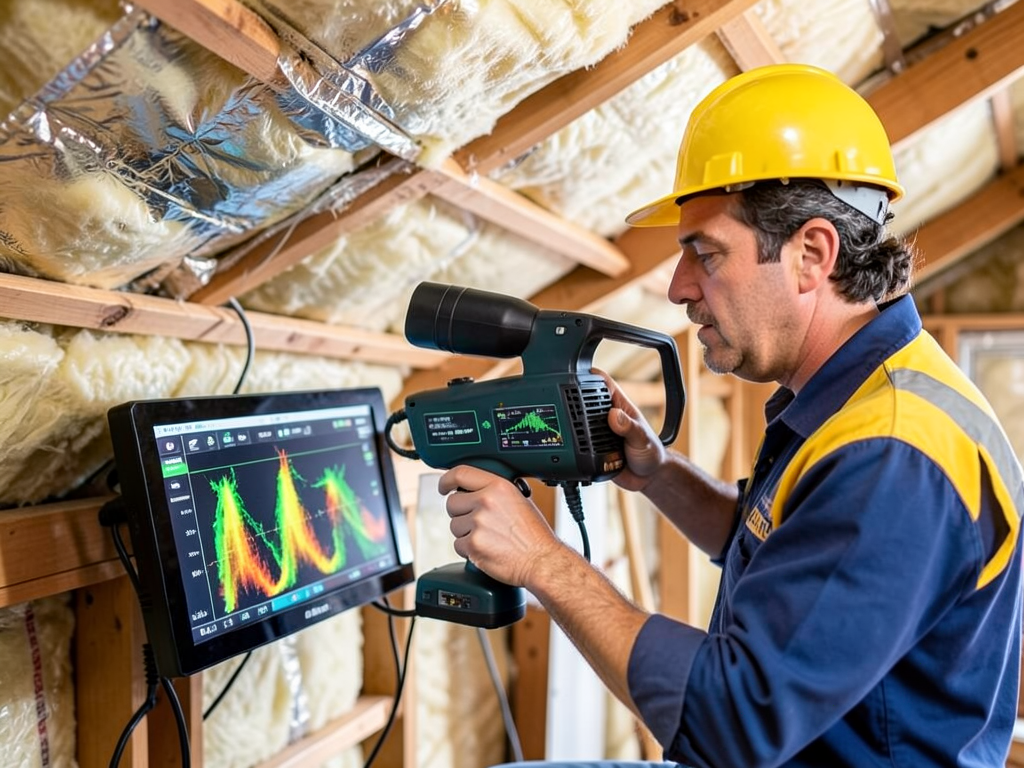
Infrared thermography reveals hidden heat loss patterns invisible to the naked eye. During an attic audit, technicians use thermal imaging cameras to identify cold spots, moisture accumulation, and air leakage paths. These cameras detect temperature differences as small as 2 degrees Fahrenheit, pinpointing exact locations where insulation has failed or settled. The resulting thermal images provide clear documentation of problem areas and guide targeted repairs.
Blower door testing measures your home’s overall air tightness. This test involves installing a powerful fan in an exterior doorway to depressurize your home. The resulting airflow measurement quantifies how much conditioned air escapes through your building envelope. Combined with infrared scanning, blower door tests identify specific leaks that compromise attic insulation performance. Most Minneapolis homes benefit from 20-30% energy savings after professional air sealing.
Moisture assessment determines whether existing insulation requires replacement. Technicians use moisture meters to test insulation depth and identify water-damaged sections. Wet insulation loses 90% of its insulating value and becomes a breeding ground for mold. The assessment also checks for proper vapor barrier installation, which prevents moisture migration from your living space into the attic. In Minnesota’s cold climate, vapor barriers should face the warm side of insulation assemblies.
Ventilation evaluation ensures your attic can maintain proper temperature and humidity levels. This assessment measures airflow rates through existing vents, checks for blocked soffit intakes, and verifies ridge vent effectiveness. Many older homes have inadequate ventilation due to small vent sizes or blocked airflow paths. Improving ventilation often requires adding soffit vents, increasing ridge vent height, or installing powered attic fans in complex roof configurations.
Cost-benefit analysis compares insulation upgrades against potential roof damage costs. Professional auditors calculate energy savings from improved insulation, reduced heating costs, and extended roof lifespan. They also estimate ice dam remediation costs, which typically range from $1,500 to $5,000 per incident. Many homeowners find that insulation upgrades pay for themselves within 3-5 years through energy savings and avoided damage repairs.
Comparing Insulation Types for Minneapolis Climate
| Insulation Type | R-Value per Inch | Moisture Resistance | Cost per Square Foot | Best Applications |
|---|---|---|---|---|
| Blown-in Cellulose | 3.2-3.8 | Moderate | $1.50-2.50 | Existing attics, irregular spaces |
| Fiberglass Batts | 2.9-3.8 | High | $0.50-1.50 | New construction, DIY projects |
| Open-cell Spray Foam | 3.5-3.7 | Low | $1.75-3.00 | Air sealing, rim joists |
| Closed-cell Spray Foam | 6.0-7.0 | Very High | $2.50-4.50 | Roof decks, moisture-prone areas |
Cellulose insulation offers excellent thermal performance and sound deadening at competitive prices. Made from recycled paper products treated with fire retardants, cellulose fills irregular spaces effectively when blown in. However, it absorbs moisture more readily than fiberglass and can settle over time, reducing its R-value. In Minneapolis’s humid climate, cellulose requires proper vapor barriers and moisture management to prevent degradation.
Fiberglass batts provide reliable moisture resistance and easy installation in standard joist spacing. The material maintains its shape and R-value when kept dry, making it suitable for vented attics. However, fiberglass requires careful installation to prevent gaps and compression, which significantly reduce effectiveness. Air sealing becomes critical with fiberglass since the material itself does not stop air movement.
Spray foam insulation creates an air-impermeable barrier that eliminates many traditional insulation problems. Open-cell foam provides excellent sound dampening and fills irregular spaces, while closed-cell foam offers superior moisture resistance and structural support. The main drawback involves higher material costs and the need for professional installation. Spray foam also requires proper ventilation design since it can trap moisture if not installed correctly.
Seasonal Maintenance Checklist for Minneapolis Homeowners
- Fall inspection: Check attic ventilation before winter snow arrives. Clear soffit vents of debris and verify ridge vent functionality.
- Ice dam monitoring: After each snowfall, inspect roof edges for ice buildup. Use a roof rake to remove snow within 3 feet of edges if ice dams form.
- Attic hatch sealing: Verify weatherstripping around access doors remains intact. Replace worn seals to prevent warm air escape.
- Exhaust fan routing: Ensure bathroom and kitchen vents terminate outdoors, not into attic space. Improper routing dumps warm, moist air directly into your attic.
- Insulation depth check: Measure insulation levels in several attic locations. Add insulation if levels fall below current code requirements.
- Moisture barrier inspection: Check for tears or gaps in vapor barriers. Repair damage to prevent moisture migration into attic space.
- Roof leak detection: After heavy rains or snow melts, inspect attic for water stains or damp spots that indicate active leaks.
Winter represents the most critical season for attic insulation performance. Heavy snow loads combined with freeze-thaw cycles create maximum stress on your roofing system. Homeowners should monitor roof conditions after each major snowfall, looking for ice dam formation and uneven snow melt patterns. Early detection allows for prompt intervention before water damage occurs. Trusted Roofing Contractors in St. Louis Park for Shingle Replacement.
Spring maintenance focuses on identifying winter damage and preparing for summer heat. Check for lifted shingles, damaged flashing, and moisture stains that developed during winter months. Clean gutters and downspouts to ensure proper drainage when spring rains arrive. This is also the ideal time to schedule professional attic inspections before summer heat makes the work uncomfortable. Commercial Roof Maintenance.
Summer heat can bake your roof from below if attic ventilation fails. Check that attic temperatures remain within 10-15 degrees of outdoor temperatures. Excessive heat buildup indicates ventilation problems that will worsen during winter months. Consider adding passive ventilation or powered fans if temperatures consistently exceed recommended levels.
Fall preparation involves ensuring your home can handle the coming winter. Add insulation if needed, seal air leaks, and verify that all ventilation systems function properly. Clean leaves and debris from roof valleys and gutters to prevent water backup. A well-prepared attic significantly reduces the risk of ice dam formation and associated damage.
Frequently Asked Questions
How do I know if my attic insulation needs replacement?
Look for signs like matted or compressed insulation, visible moisture damage, rodent activity, or insulation levels below current code requirements. If your energy bills have increased significantly or you notice ice dams forming each winter, your insulation likely needs attention. Professional thermal imaging can identify specific problem areas that may not be visible during a visual inspection. Roof Inspection.
Can I add new insulation over old insulation?
Yes, you can add new insulation over existing material as long as the old insulation is dry and not damaged. However, you should never place new insulation over wet or moldy material. When adding new insulation, maintain proper ventilation channels and avoid blocking soffit vents. Consider having a professional assess whether air sealing or moisture barriers need installation before adding new insulation.
How much does professional attic insulation upgrade cost?
Professional attic insulation upgrades typically range from $2,000 to $6,000 depending on attic size, existing conditions, and insulation type selected. Adding R-60 insulation to a 1,500 square foot attic usually costs $3,000 to $4,000. This investment often pays for itself within 3-5 years through energy savings and prevented roof damage. Many utility companies offer rebates that can reduce out-of-pocket costs by 20-30%.
Will better insulation prevent all ice dams?
Improved insulation significantly reduces ice dam formation but may not eliminate it entirely in extreme conditions. Even well-insulated homes can experience ice dams during severe weather or when unusual heat sources exist in the attic. Proper insulation combined with adequate ventilation provides the best protection. Additional measures like heat cables or improved roof design may be necessary for homes with persistent ice dam problems.
How long does attic insulation last?
Quality attic insulation typically lasts 20-30 years under ideal conditions. However, moisture damage, pest activity, or settling can reduce this lifespan significantly. Fiberglass batts may last longer than blown-in materials, but all insulation types degrade over time. Annual inspections help identify when replacement becomes necessary to maintain optimal performance and prevent roof damage.
Take Action Before Winter Damage Strikes
Your attic insulation represents your first line of defense against Minnesota’s harsh winters and the roof damage they cause. Don’t wait until ice dams form or water leaks through your ceiling to address insulation problems. The cost of preventive maintenance pales in comparison to emergency roof repairs and interior water damage restoration.
Schedule a professional attic inspection now to identify insulation deficiencies, ventilation problems, and moisture issues before winter arrives. Our experienced technicians use thermal imaging and moisture detection equipment to provide comprehensive assessments of your attic’s condition. We’ll recommend specific solutions tailored to your home’s construction and your budget.
Call Keystone Roofing Minneapolis today at (651) 588-9277 to schedule your attic inspection. We serve New Brighton and surrounding communities including Plymouth, Minnetonka, and Bloomington. Our team understands the unique challenges Minneapolis homeowners face and provides lasting solutions that protect your investment through every season.
Don’t let failing insulation destroy your roof and cost you thousands in preventable repairs. Contact us today for a free consultation and take the first step toward a safer, more energy-efficient home. For more information, visit U.S. Department of Energy insulation guide.
You may also find this helpful. Protecting Your Arden Hills Home from Raccoons and Other Pests Tearing at Your Shingles.
{
“@context”: “https://schema.org”,
“@type”: “BlogPosting”,
“headline”: “Signs Your Attic Insulation is Failing and Destroying Your New Brighton Roof”,
“description”: “Discover how failing attic insulation causes ice dams, shingle damage, and costly roof repairs in New Brighton homes. Learn the warning signs and solutions.”,
“wordCount”: 2650,
“datePublished”: “2026-05-07T08:29:00.000Z”,
“dateModified”: “2026-05-07T08:29:00.000Z”,
“inLanguage”: “en-US”,
“mainEntityOfPage”: {
“@type”: “WebPage”,
“@id”: “https://keystoneroofingminneapolis.com”
},
“publisher”: {
“@type”: “LocalBusiness”,
“name”: “Keystone Roofing Minneapolis”,
“url”: “https://keystoneroofingminneapolis.com”
},
“author”: {
“@type”: “Organization”,
“name”: “Keystone Roofing Minneapolis”,
“url”: “https://keystoneroofingminneapolis.com”
},
“image”: {
“@type”: “ImageObject”,
“url”: “https://keystoneroofingminneapolis.com/wp-content/uploads/2026/03/signs-your-attic-insulation-is-failing-and-destroy-1.png”
}
}
{
“@context”: “https://schema.org”,
“@type”: “RoofingContractor”,
“name”: “Keystone Roofing Minneapolis”,
“url”: “https://keystoneroofingminneapolis.com”,
“address”: {
“@type”: “PostalAddress”,
“addressLocality”: “Minneapolis”
},
“areaServed”: {
“@type”: “City”,
“name”: “Minneapolis”
}
}
{
“@context”: “https://schema.org”,
“@type”: “FAQPage”,
“mainEntity”: [
{
“@type”: “Question”,
“name”: “How do I know if my attic insulation needs replacement?”,
“acceptedAnswer”: {
“@type”: “Answer”,
“text”: “Look for signs like matted or compressed insulation, visible moisture damage, rodent activity, or insulation levels below current code requirements. If your energy bills have increased significantly or you notice ice dams forming each winter, your insulation likely needs attention. Professional thermal imaging can identify specific problem areas that may not be visible during a visual inspection. Roof Inspection.”
}
},
{
“@type”: “Question”,
“name”: “How much does professional attic insulation upgrade cost?”,
“acceptedAnswer”: {
“@type”: “Answer”,
“text”: “Professional attic insulation upgrades typically range from $2,000 to $6,000 depending on attic size, existing conditions, and insulation type selected. Adding R-60 insulation to a 1,500 square foot attic usually costs $3,000 to $4,000. This investment often pays for itself within 3-5 years through energy savings and prevented roof damage. Many utility companies offer rebates that can reduce out-of-pocket costs by 20-30%.”
}
},
{
“@type”: “Question”,
“name”: “Will better insulation prevent all ice dams?”,
“acceptedAnswer”: {
“@type”: “Answer”,
“text”: “Improved insulation significantly reduces ice dam formation but may not eliminate it entirely in extreme conditions. Even well-insulated homes can experience ice dams during severe weather or when unusual heat sources exist in the attic. Proper insulation combined with adequate ventilation provides the best protection. Additional measures like heat cables or improved roof design may be necessary for homes with persistent ice dam problems.”
}
},
{
“@type”: “Question”,
“name”: “How long does attic insulation last?”,
“acceptedAnswer”: {
“@type”: “Answer”,
“text”: “Quality attic insulation typically lasts 20-30 years under ideal conditions. However, moisture damage, pest activity, or settling can reduce this lifespan significantly. Fiberglass batts may last longer than blown-in materials, but all insulation types degrade over time. Annual inspections help identify when replacement becomes necessary to maintain optimal performance and prevent roof damage.”
}
}
]
}
{
“@context”: “https://schema.org”,
“@type”: “BreadcrumbList”,
“itemListElement”: [
{
“@type”: “ListItem”,
“position”: 1,
“name”: “Home”,
“item”: “https://keystoneroofingminneapolis.com”
},
{
“@type”: “ListItem”,
“position”: 2,
“name”: “Blog”,
“item”: “https://keystoneroofingminneapolis.com/blog”
},
{
“@type”: “ListItem”,
“position”: 3,
“name”: “Signs Your Attic Insulation is Failing and Destroying Your New Brighton Roof”
}
]
}
{
“@context”: “https://schema.org”,
“@type”: “Service”,
“serviceType”: “Roofing”,
“provider”: {
“@type”: “LocalBusiness”,
“name”: “Keystone Roofing Minneapolis”,
“url”: “https://keystoneroofingminneapolis.com”
},
“areaServed”: {
“@type”: “City”,
“name”: “Minneapolis”
},
“description”: “Discover how failing attic insulation causes ice dams, shingle damage, and costly roof repairs in New Brighton homes. Learn the warning signs and solutions.”
}
