
The Most Durable Asphalt Shingle Options for Maple Grove Families
Minnesota winters test every roof in Maple Grove. Ice dams build up along roof edges. Heavy snow piles on for months. Summer hailstorms pelt shingles with golf-ball-sized ice. These extreme conditions demand asphalt shingles built for durability.
Choosing the right shingle means understanding how Minnesota weather affects roofing materials. The freeze-thaw cycles in Maple Grove cause expansion and contraction that weakens standard shingles. Ice dams form when heat escapes through poorly insulated attics, melting snow that refreezes at cold roof edges. This cycle damages shingles and can lead to water infiltration.
Local building codes in Hennepin County require specific underlayment and ice and water shield installation for new roofs. These requirements protect homes from the moisture damage common in Minnesota’s climate. Working with a contractor who understands these local requirements prevents costly mistakes and ensures your warranty remains valid.
Why Asphalt Shingles Work Best in Maple Grove
Asphalt shingles dominate the Maple Grove market for good reason. They offer the best balance of cost, durability, and weather resistance for Minnesota conditions. Modern architectural shingles provide superior protection compared to traditional three-tab options.
Architectural shingles feature multiple layers of asphalt that create a dimensional appearance while adding strength. These shingles typically last 25-30 years in Minnesota when properly installed. Three-tab shingles cost less but only last 15-20 years and offer less protection against wind and hail.
The weight of snow in Maple Grove averages 10-15 pounds per square foot during winter months. Quality asphalt shingles can support this load when installed over proper decking. The granules on asphalt shingles also reflect UV rays, preventing premature aging from summer sun exposure.
Top Asphalt Shingle Brands for Minnesota Weather
GAF Timberline HDZ shingles lead the market for durability in cold climates. These shingles feature LayerLock technology that mechanically fuses the common bond between overlapping shingles. This design provides Class 3 impact resistance against hail damage.
Owens Corning Duration shingles use SureNail technology with a woven fabric strip that creates a powerful fastening zone. This design improves wind resistance up to 130 mph. The StreakGuard algae resistance protection prevents the black streaks common on roofs in humid conditions.
CertainTeed Landmark shingles offer dual-layered construction with a heavy-duty fiberglass mat. The QuadraBond sealant ensures tight seals between shingles, preventing wind uplift. These shingles come with a lifetime limited warranty when installed by certified contractors.
Comparing Key Features
| Brand | Wind Rating | Hail Rating | Expected Lifespan |
|---|---|---|---|
| GAF Timberline HDZ | 130 mph | Class 3 | 25-30 years |
| Owens Corning Duration | 130 mph | Class 3 | 25-30 years |
| CertainTeed Landmark | 110 mph | Class 3 | 20-25 years |
Ice Dam Prevention Strategies
Ice dams form when attic heat melts snow on the roof surface. The melted water runs down to the cold eaves and refreezes, creating a barrier that traps water. This water can back up under shingles and cause interior damage.
Proper attic insulation prevents heat from reaching the roof deck. Minnesota building codes require R-49 insulation in attic spaces. This insulation level keeps the attic cold, preventing snow melt from occurring in the first place.
Ice and water shield installation along eaves provides a waterproof barrier beneath shingles. Building codes require this shield to extend at least 24 inches past the interior wall line. In areas with severe ice dam history, extending the shield 36 inches provides extra protection.
Proper attic ventilation works with insulation to maintain consistent roof temperatures. Ridge vents along the peak and soffit vents along the eaves create airflow that carries away any residual heat. This ventilation system prevents hot spots that lead to uneven snow melt.
Hail Damage Assessment and Repair
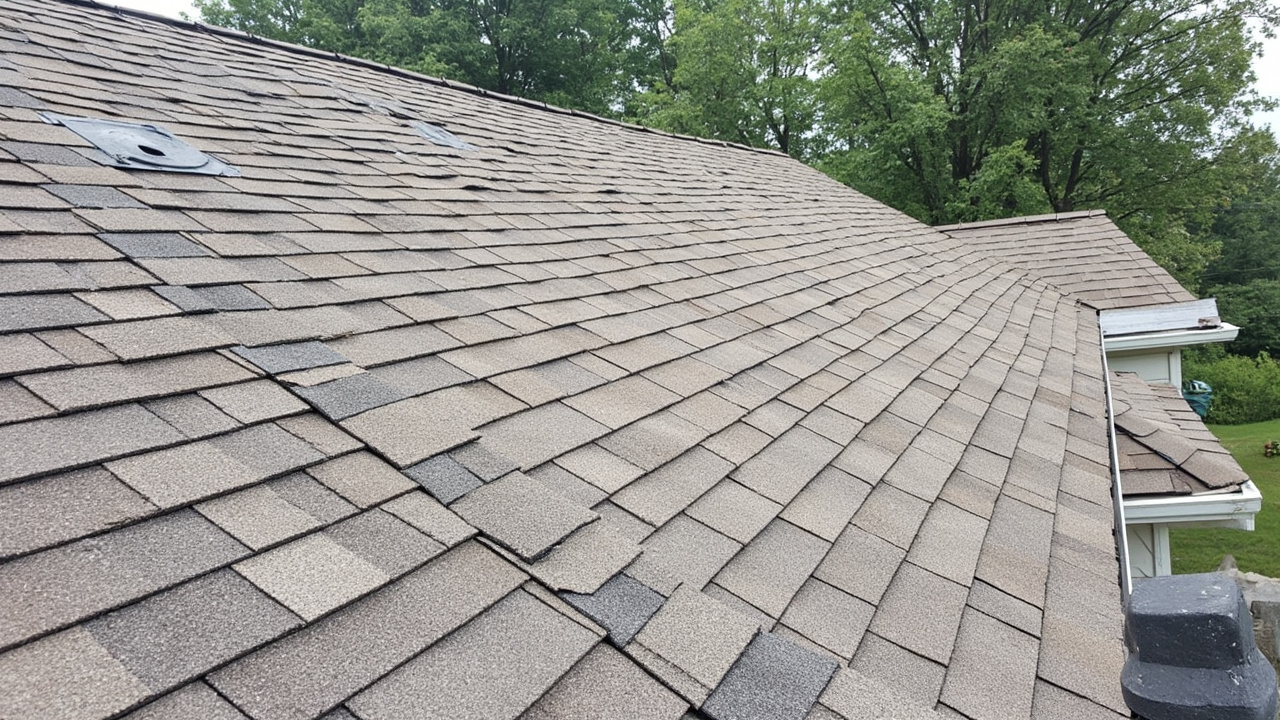
Hail damage often appears as dark spots or bruises on shingles where granules have been knocked off. These damaged areas expose the asphalt mat to UV radiation, accelerating deterioration. Small hail damage might not cause immediate leaks but weakens the roof structure over time.
Minnesota experiences severe hailstorms primarily in late spring and early summer. The National Weather Service reports that Hennepin County averages 3-4 significant hail events annually. These storms can produce hailstones ranging from pea-sized to baseball-sized.
Insurance companies in Minnesota typically cover hail damage if it affects 7 or more shingles on a roof. The damage must penetrate through the shingle mat to constitute a valid claim. Professional inspection determines whether damage meets insurance thresholds.
Repairing hail damage involves replacing individual shingles or sections of roofing. The repair process matches new shingles to existing ones for color consistency. Complete roof replacement becomes necessary when damage affects more than 30% of the total roof area.
Maple Grove Building Permit Requirements
The City of Maple Grove requires permits for all roof replacements. The permit process ensures compliance with Minnesota State Building Code requirements and local ordinances. Permit fees vary based on project scope but typically range from $100 to $300.
Permit applications require detailed roofing plans showing materials, underlayment specifications, and ventilation details. The city reviews these plans to verify compliance with energy efficiency standards and snow load requirements. Maple Grove follows the International Building Code with Minnesota amendments.
Inspections occur at two stages during roof replacement. The first inspection verifies proper underlayment and ice and water shield installation before shingle application. The final inspection confirms complete installation meets all code requirements.
Working without a permit in Maple Grove can result in fines up to $1,000 and requires removing completed work. The city maintains records of all permitted work, which helps with future property sales and insurance claims.
Cost Factors for Asphalt Shingle Replacement
Roof replacement costs in Maple Grove depend on several factors beyond material selection. Roof pitch affects labor time significantly. Steeper roofs require additional safety equipment and slow installation progress.
Roof complexity impacts overall cost. Homes with multiple valleys, dormers, or skylights require more flashing and careful installation. Each penetration point represents a potential leak location requiring proper sealing.
Decking condition affects replacement costs substantially. If existing decking shows signs of rot or water damage, replacement becomes necessary. This work adds $1.50 to $3.00 per square foot to the project cost.
Removal and disposal of existing roofing material typically costs $50 to $100 per square (100 square feet). Multiple layers of existing shingles increase removal time and disposal fees. Some older homes in Maple Grove have three layers of roofing that require complete removal.
Installation Best Practices for Minnesota Roofs
Proper nail placement ensures shingle warranty validity. Most manufacturers require nails placed in specific zones on each shingle. Incorrect nailing can void warranties and lead to wind damage.
Starter strip installation along eaves prevents shingle blow-off and creates clean roof edges. These strips feature an adhesive strip that bonds to the first course of shingles, creating a sealed edge.
Ridge cap installation finishes the roof properly. Pre-made ridge caps match the field shingles and provide consistent coverage along roof peaks. Some contractors cut field shingles for ridge caps, but this practice often results in inconsistent coverage.
Flashing installation around chimneys, skylights, and wall intersections prevents water infiltration. Step flashing along sidewalls and continuous flashing along chimneys creates waterproof transitions between different roof planes.
Maintenance to Extend Roof Life
Regular roof inspections identify problems before they cause major damage. Spring and fall inspections check for loose shingles, damaged flashing, and debris accumulation. Professional inspections cost $150 to $300 but can prevent thousands in repair costs.
Gutter cleaning prevents water backup that can damage fascia and soffits. Maple Grove trees drop leaves and seeds that clog gutters. Cleaning gutters twice yearly prevents ice dam formation and water infiltration.
Moss and algae growth occurs on north-facing roof sections in shaded areas. These organisms hold moisture against shingles, accelerating deterioration. Zinc or copper strips installed near ridges release metal ions that prevent biological growth.
Tree branch trimming prevents physical damage during storms. Branches rubbing against shingles wear away granules and create entry points for water. Maintaining a 10-foot clearance between trees and roof surfaces prevents most mechanical damage.
Environmental Considerations
Asphalt shingle recycling reduces landfill waste significantly. Minnesota has several facilities that process old shingles into road paving material. Recycling costs about $30 per square compared to $50 for landfill disposal.
Energy-efficient shingles reflect more sunlight, reducing cooling costs in summer. Some manufacturers offer cool roof options with higher reflectivity ratings. These shingles can reduce attic temperatures by 10-15 degrees Fahrenheit.
Proper disposal of old roofing materials prevents environmental contamination. Asphalt shingles contain petroleum products that can leach into soil and groundwater. Licensed contractors follow EPA guidelines for material handling and disposal.
Manufacturing improvements have reduced the environmental impact of new shingles. Many brands now use recycled materials in backing mats and incorporate sustainable practices in production facilities.
Choosing the Right Contractor
Minnesota requires roofing contractors to carry specific insurance coverage. General liability insurance protects homeowners from property damage claims. Workers’ compensation insurance covers job site injuries, preventing homeowner liability.
Manufacturer certifications indicate contractor training and installation quality. GAF Master Elite certification requires ongoing training and high customer satisfaction ratings. Owens Corning Preferred Contractor status indicates familiarity with specific product lines.
Local references provide insight into contractor reliability. Ask for projects completed within the past year in your immediate area. Drive by completed projects to inspect workmanship quality firsthand.
Written contracts should detail materials, work scope, payment schedules, and warranty information. Avoid contractors requesting full payment upfront. Standard practice involves a deposit with progress payments tied to completed work phases.
Frequently Asked Questions
How long does a roof replacement take in Maple Grove?
Most residential roof replacements in Maple Grove complete in 1-3 days depending on roof size and complexity. Weather delays can extend timelines during spring and fall seasons.
Can I install new shingles over existing ones?
Minnesota building codes allow one layer of shingles over existing roofing. Two layers require complete removal. Multiple layers add excessive weight and prevent proper inspection of decking condition.
What warranties come with new asphalt shingles?
Manufacturer warranties typically cover 25-30 years for material defects. Workmanship warranties from contractors range from 5-10 years. Some manufacturers offer enhanced warranties when installed by certified contractors.
How do I know if my roof needs replacement or repair?
Age serves as the primary indicator. Asphalt shingles in Minnesota typically need replacement after 20-25 years. Missing shingles, curling edges, and granule loss indicate repair needs. Professional inspection determines the extent of required work.
Are permits required for roof replacement in Maple Grove?
Yes, Maple Grove requires permits for all roof replacements. The city ensures compliance with building codes and conducts inspections during the process. Working without permits can result in fines and required rework.
{
“@context”: “https://schema.org”,
“@type”: “BlogPosting”,
“headline”: “The Most Durable Asphalt Shingle Options for Maple Grove Families”,
“description”: “Discover the most durable asphalt shingles for Maple Grove homes. Learn about GAF, Owens Corning options that withstand Minnesota winters, ice dams, and hail.”,
“wordCount”: 1761,
“datePublished”: “2026-02-28T15:02:00.000Z”,
“dateModified”: “2026-02-28T15:02:00.000Z”,
“inLanguage”: “en-US”,
“mainEntityOfPage”: {
“@type”: “WebPage”,
“@id”: “https://keystoneroofingminneapolis.com”
},
“publisher”: {
“@type”: “LocalBusiness”,
“name”: “Keystone Roofing Minneapolis”,
“url”: “https://keystoneroofingminneapolis.com”
},
“author”: {
“@type”: “Organization”,
“name”: “Keystone Roofing Minneapolis”,
“url”: “https://keystoneroofingminneapolis.com”
}
}
{
“@context”: “https://schema.org”,
“@type”: “RoofingContractor”,
“name”: “Keystone Roofing Minneapolis”,
“url”: “https://keystoneroofingminneapolis.com”,
“address”: {
“@type”: “PostalAddress”,
“addressLocality”: “Minneapolis”
},
“areaServed”: {
“@type”: “City”,
“name”: “Minneapolis”
}
}
{
“@context”: “https://schema.org”,
“@type”: “FAQPage”,
“mainEntity”: [
{
“@type”: “Question”,
“name”: “How long does a roof replacement take in Maple Grove?”,
“acceptedAnswer”: {
“@type”: “Answer”,
“text”: “Most residential roof replacements in Maple Grove complete in 1-3 days depending on roof size and complexity. Weather delays can extend timelines during spring and fall seasons.”
}
},
{
“@type”: “Question”,
“name”: “Can I install new shingles over existing ones?”,
“acceptedAnswer”: {
“@type”: “Answer”,
“text”: “Minnesota building codes allow one layer of shingles over existing roofing. Two layers require complete removal. Multiple layers add excessive weight and prevent proper inspection of decking condition.”
}
},
{
“@type”: “Question”,
“name”: “What warranties come with new asphalt shingles?”,
“acceptedAnswer”: {
“@type”: “Answer”,
“text”: “Manufacturer warranties typically cover 25-30 years for material defects. Workmanship warranties from contractors range from 5-10 years. Some manufacturers offer enhanced warranties when installed by certified contractors.”
}
},
{
“@type”: “Question”,
“name”: “How do I know if my roof needs replacement or repair?”,
“acceptedAnswer”: {
“@type”: “Answer”,
“text”: “Age serves as the primary indicator. Asphalt shingles in Minnesota typically need replacement after 20-25 years. Missing shingles, curling edges, and granule loss indicate repair needs. Professional inspection determines the extent of required work.”
}
},
{
“@type”: “Question”,
“name”: “Are permits required for roof replacement in Maple Grove?”,
“acceptedAnswer”: {
“@type”: “Answer”,
“text”: “Yes, Maple Grove requires permits for all roof replacements. The city ensures compliance with building codes and conducts inspections during the process. Working without permits can result in fines and required rework.”
}
}
]
}
{
“@context”: “https://schema.org”,
“@type”: “BreadcrumbList”,
“itemListElement”: [
{
“@type”: “ListItem”,
“position”: 1,
“name”: “Home”,
“item”: “https://keystoneroofingminneapolis.com”
},
{
“@type”: “ListItem”,
“position”: 2,
“name”: “Blog”,
“item”: “https://keystoneroofingminneapolis.com/blog”
},
{
“@type”: “ListItem”,
“position”: 3,
“name”: “The Most Durable Asphalt Shingle Options for Maple Grove Families”
}
]
}
{
“@context”: “https://schema.org”,
“@type”: “Service”,
“serviceType”: “Roofing”,
“provider”: {
“@type”: “LocalBusiness”,
“name”: “Keystone Roofing Minneapolis”,
“url”: “https://keystoneroofingminneapolis.com”
},
“areaServed”: {
“@type”: “City”,
“name”: “Minneapolis”
},
“description”: “Discover the most durable asphalt shingles for Maple Grove homes. Learn about GAF, Owens Corning options that withstand Minnesota winters, ice dams, and hail.”
}
