
The Pros and Cons of Solar Ready Shingles for Your Eco Friendly Seward Home
Solar-ready shingles represent a smart investment for Minneapolis homeowners who want to prepare their roofs for future solar panel installation. These specialized roofing systems are designed with reinforced structures and pre-installed mounting points that make adding solar panels later much easier and more cost-effective. Trusted Roofing Contractors in St. Louis Park for Shingle Replacement.
Living in Seward means dealing with Minnesota’s unique climate challenges. Your roof must handle heavy snow loads, ice dams, and extreme temperature swings while also being ready for solar technology when you decide to make the switch. Minnesota Department of Commerce Solar Resources.
What Makes a Roof Solar Ready
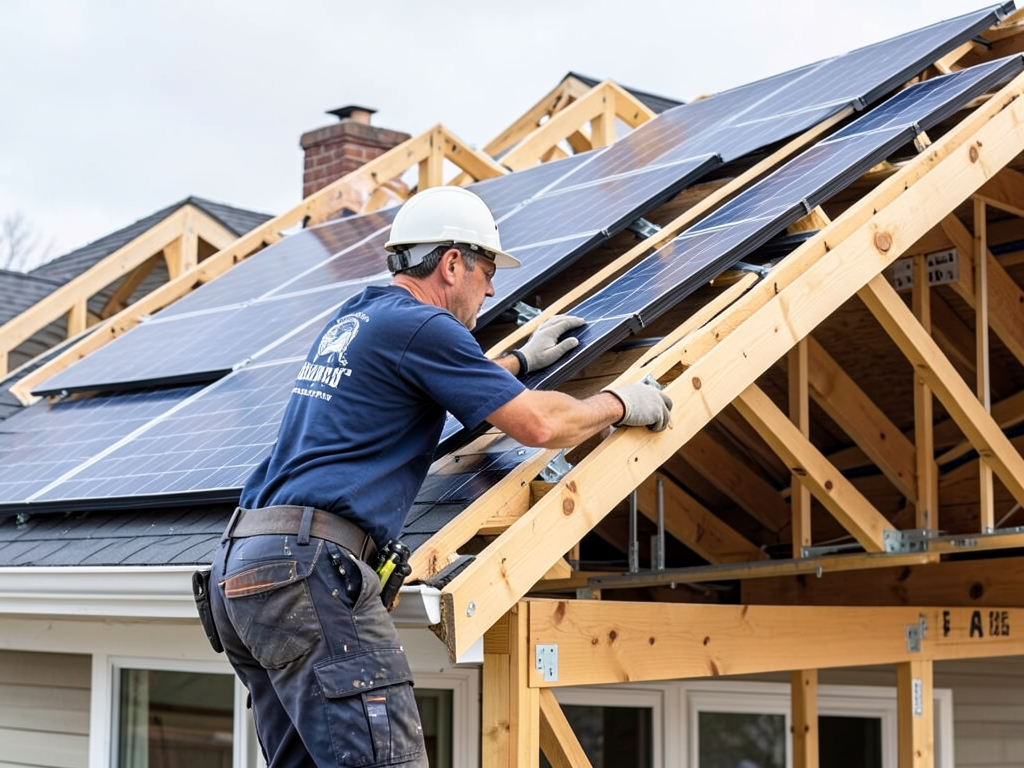
A solar-ready roof goes beyond standard asphalt shingles. These systems include reinforced rafters capable of supporting the additional 20-30 pounds per square foot that solar panels add. The decking is installed with specific spacing to accommodate mounting brackets without compromising structural integrity.
Electrical conduit pathways are pre-installed during the roofing process. This means when you’re ready for solar, the wiring infrastructure is already in place, saving you thousands in retrofit costs. The roof also features specialized flashing systems designed to work seamlessly with solar mounting hardware.
Benefits of Solar-Ready Shingles in Minneapolis
The most significant advantage is future-proofing your home. With rising energy costs in Minnesota and growing environmental awareness, solar power becomes more attractive each year. Having a roof already prepared means you can add panels when you’re ready without structural modifications.
Solar-ready roofs often qualify for additional incentives. The Federal Solar Tax Credit covers 30% of installation costs, and Minnesota offers specific programs through Xcel Energy’s Solar*Rewards. Some municipalities provide property tax exemptions for solar-ready homes. Federal Solar Tax Credit.
Energy efficiency improves even before solar installation. Many solar-ready shingles feature enhanced insulation and ventilation systems that reduce heating and cooling costs year-round, which is crucial for Minneapolis’s extreme temperature variations.
Structural Requirements for Minneapolis Homes
Minnesota building codes require roofs to withstand 35-50 pounds per square foot of snow load. Solar-ready installations must exceed these minimums. This means using 2×6 or larger rafters on 16-inch centers rather than the standard 2×4 on 24-inch centers.
Ice dam prevention becomes critical when planning for solar. The roof deck must include ice and water shield extending at least 6 feet up from the eaves, per Minnesota building code requirements. Proper attic ventilation with ridge vents and soffit intake ensures snow melts evenly, preventing the ice dams that damage both roofs and solar equipment. Storm Damage Roof Inspections in Plymouth – What to Look for After a Major Storm.
The roof pitch also matters. In Minneapolis, a 4:12 to 6:12 pitch optimizes both snow shedding and solar panel efficiency. Steeper pitches shed snow better but may reduce solar exposure during winter months.
Material Options for Solar-Ready Roofs
Asphalt shingles remain the most popular choice due to cost and availability. Premium architectural shingles offer better durability and can support solar mounts more effectively than basic three-tab options. Look for shingles with reinforced nailing zones.
Metal roofing provides superior solar compatibility. Standing seam metal allows for clamp-on mounting systems that don’t penetrate the roof surface. This eliminates potential leak points and often comes with longer warranties than asphalt.
Composite shingles designed specifically for solar integration offer the best of both worlds. These materials mimic traditional shingles while incorporating reinforced backing and pre-marked mounting locations.
Cost Considerations
Solar-ready roofing typically costs 15-25% more than standard replacement. For a 2,000-square-foot home in Seward, expect to pay $12,000-$18,000 versus $10,000-$15,000 for conventional roofing. How Much Does a Full Roof Replacement Cost in Bloomington?.
However, the long-term savings are substantial. Pre-installing conduit and reinforcements during initial roofing saves $2,000-$4,000 when you eventually add solar panels. The enhanced durability also means fewer repairs over the roof’s lifespan. Expert Flat Roof Repair Services for Uptown Businesses and Modern Lofts.
Energy savings begin immediately with improved insulation and ventilation. Many homeowners report 10-15% reductions in heating and cooling costs before adding any solar panels.
Local Minneapolis Considerations
Seward’s proximity to the Mississippi River means higher humidity levels that can affect shingle longevity. Solar-ready roofs in this area benefit from enhanced moisture barriers and algae-resistant shingles.
The neighborhood’s mix of historic and modern homes presents unique challenges. Older structures may require additional structural reinforcement to meet current solar-ready standards. Always get a professional structural assessment before proceeding.
Local building permits are required for both roofing and solar installations. Minneapolis has specific requirements for solar mounting hardware that must be addressed during the initial roofing phase to avoid costly modifications later.
Installation Timeline and Process
Solar-ready roof installation follows a specific sequence. First, structural engineers assess your home’s current framing. Then, rafters are reinforced or replaced as needed. The decking is installed with pre-cut channels for electrical conduit.
Specialized flashing is applied around future mounting points. This flashing differs from standard roof flashing and is designed to work with specific solar mounting systems. The underlayment and final roofing material are then installed.
The entire process takes 3-5 days for most homes, slightly longer than standard roof replacement due to the additional preparation steps. Weather delays are common in spring and fall, so plan accordingly.
Maintenance Requirements
Solar-ready roofs require minimal additional maintenance compared to standard roofs. However, the enhanced ventilation systems need occasional cleaning to ensure optimal performance. Check soffit vents and ridge vents annually.
When snow accumulates, use caution with removal. Avoid metal tools that could damage the specialized flashing. Many Minneapolis homeowners invest in roof rakes with non-abrasive heads designed for solar-ready surfaces.
Annual inspections should include checking all mounting points and flashing seals. While these systems are designed for longevity, Minnesota’s freeze-thaw cycles can stress even the best installations.
Resale Value Impact
Homes with solar-ready roofs often command premium prices in the Minneapolis market. Buyers recognize the value of having infrastructure already in place for future solar installation. This can translate to 3-5% higher resale values.
The eco-friendly aspect appeals to many Seward buyers who value sustainability. Energy-efficient homes with solar-ready capabilities tend to sell faster than comparable properties without these features.
Documentation of the solar-ready installation, including structural assessments and material specifications, provides valuable selling points that demonstrate quality and foresight.
Common Mistakes to Avoid
Skipping the structural assessment is the most frequent error. Many older Minneapolis homes have hidden framing issues that only become apparent during solar-ready installation. Always budget for potential structural repairs.
Choosing the cheapest contractor often leads to problems. Solar-ready installation requires specialized knowledge and experience. Verify credentials and ask for specific examples of previous solar-ready projects. Choosing the Right Cedar Shake Contractor for Your Minnetonka Home.
Ignoring local building codes can result in failed inspections and costly rework. Minneapolis has specific requirements for both roofing and solar installations that must be followed precisely.
Financing Options
Several financing options exist for solar-ready roofing. Home equity loans often provide the best terms for this type of improvement. Some Minnesota credit unions offer specific green energy improvement loans with favorable rates.
Energy efficiency mortgages can help finance both the roofing and eventual solar installation. These specialized loans consider the future energy savings when determining loan amounts.
Many contractors offer payment plans, but compare total costs carefully. Some promotions seem attractive but include hidden fees or higher interest rates over time.
Comparison Table: Solar-Ready vs. Standard Roofing
| Feature | Solar-Ready Roofing | Standard Roofing |
|---|---|---|
| Initial Cost | $12,000-$18,000 | $10,000-$15,000 |
| Solar Installation Ready | Yes | No |
| Structural Reinforcement | Enhanced | Standard |
| Warranty Coverage | 25-30 years | 15-20 years |
| Energy Efficiency | Enhanced | Standard |
| Ice Dam Protection | Enhanced | Standard |
Minneapolis Solar Incentives
Minnesota offers several programs to offset solar installation costs. The Federal Solar Tax Credit provides 30% of system costs as a tax credit. Xcel Energy’s Solar*Rewards program pays homeowners for the energy their systems produce.
Hennepin County offers additional property tax exemptions for solar installations. Some cities provide expedited permitting for solar-ready homes, reducing both time and costs.
The Minnesota Department of Commerce provides resources and guidance for homeowners considering solar energy. Their website includes contractor verification tools and incentive calculators.
Frequently Asked Questions
How long do solar-ready shingles last?
Most solar-ready shingles come with 25-30 year warranties, though many last 40+ years with proper maintenance. The enhanced materials and installation methods typically extend lifespan compared to standard roofing.
Can I add solar panels to any roof?
Technically yes, but solar-ready roofs make the process much easier and often more cost-effective. Standard roofs may require structural modifications that can cost thousands in additional expenses.
What happens if I never add solar panels?
You still benefit from enhanced durability, better energy efficiency, and improved ice dam protection. The additional cost becomes an investment in your home’s long-term performance rather than just solar preparation.
Are solar-ready roofs worth it in Minnesota?
Yes, especially considering Minnesota’s high energy costs and harsh climate. The enhanced durability handles snow loads better, and the energy efficiency improvements provide immediate savings while preparing for future solar installation.
Making Your Decision
Consider your timeline for potential solar installation. If you plan to add panels within 5-7 years, solar-ready roofing makes strong financial sense. The cost premium is often offset by the savings on future installation and the immediate benefits of enhanced durability.
Evaluate your home’s current condition. Older homes may need significant structural work regardless, making solar-ready installation a logical choice during major renovations.
Factor in local incentives and your long-term plans for the property. If you intend to stay in your Seward home for many years, the investment in solar-ready capabilities typically pays for itself through energy savings and increased property value.
Next Steps
Start with a professional assessment of your current roof and structural system. A qualified contractor can identify any needed repairs and provide accurate cost estimates for solar-ready installation.
Research local incentives and financing options. Many programs have specific requirements or deadlines that could affect your timing and budget.
Consider scheduling your roofing project during the off-season when contractors are less busy. This often results in better pricing and faster completion times.
Ready to explore solar-ready options for your Seward home? Call Keystone Roofing Minneapolis at (651) 588-9277 for a free consultation. Our local experts understand Minneapolis’s unique climate challenges and can help you make the best decision for your home and budget.
You may also find this helpful. Understanding the Impact of Wildfire Smoke and Ash on Your Roofing Materials.
{
“@context”: “https://schema.org”,
“@type”: “BlogPosting”,
“headline”: “The Pros and Cons of Solar Ready Shingles for Your Eco Friendly Seward Home”,
“description”: “Discover the benefits and drawbacks of solar-ready shingles for Minneapolis homes. Learn about structural requirements, local incentives, and future-proofing your roof.”,
“wordCount”: 1719,
“datePublished”: “2026-06-04T15:15:00.000Z”,
“dateModified”: “2026-06-04T15:15:00.000Z”,
“inLanguage”: “en-US”,
“mainEntityOfPage”: {
“@type”: “WebPage”,
“@id”: “https://keystoneroofingminneapolis.com”
},
“publisher”: {
“@type”: “LocalBusiness”,
“name”: “Keystone Roofing Minneapolis”,
“url”: “https://keystoneroofingminneapolis.com”
},
“author”: {
“@type”: “Organization”,
“name”: “Keystone Roofing Minneapolis”,
“url”: “https://keystoneroofingminneapolis.com”
},
“image”: {
“@type”: “ImageObject”,
“url”: “https://keystoneroofingminneapolis.com/wp-content/uploads/2026/03/the-pros-and-cons-of-solar-ready-shingles-for-your-1.png”
}
}
{
“@context”: “https://schema.org”,
“@type”: “RoofingContractor”,
“name”: “Keystone Roofing Minneapolis”,
“url”: “https://keystoneroofingminneapolis.com”,
“address”: {
“@type”: “PostalAddress”,
“addressLocality”: “Minneapolis”
},
“areaServed”: {
“@type”: “City”,
“name”: “Minneapolis”
}
}
{
“@context”: “https://schema.org”,
“@type”: “FAQPage”,
“mainEntity”: [
{
“@type”: “Question”,
“name”: “How long do solar-ready shingles last?”,
“acceptedAnswer”: {
“@type”: “Answer”,
“text”: “Most solar-ready shingles come with 25-30 year warranties, though many last 40+ years with proper maintenance. The enhanced materials and installation methods typically extend lifespan compared to standard roofing.”
}
},
{
“@type”: “Question”,
“name”: “Can I add solar panels to any roof?”,
“acceptedAnswer”: {
“@type”: “Answer”,
“text”: “Technically yes, but solar-ready roofs make the process much easier and often more cost-effective. Standard roofs may require structural modifications that can cost thousands in additional expenses.”
}
},
{
“@type”: “Question”,
“name”: “What happens if I never add solar panels?”,
“acceptedAnswer”: {
“@type”: “Answer”,
“text”: “You still benefit from enhanced durability, better energy efficiency, and improved ice dam protection. The additional cost becomes an investment in your home’s long-term performance rather than just solar preparation.”
}
},
{
“@type”: “Question”,
“name”: “Are solar-ready roofs worth it in Minnesota?”,
“acceptedAnswer”: {
“@type”: “Answer”,
“text”: “Yes, especially considering Minnesota’s high energy costs and harsh climate. The enhanced durability handles snow loads better, and the energy efficiency improvements provide immediate savings while preparing for future solar installation.”
}
}
]
}
{
“@context”: “https://schema.org”,
“@type”: “BreadcrumbList”,
“itemListElement”: [
{
“@type”: “ListItem”,
“position”: 1,
“name”: “Home”,
“item”: “https://keystoneroofingminneapolis.com”
},
{
“@type”: “ListItem”,
“position”: 2,
“name”: “Blog”,
“item”: “https://keystoneroofingminneapolis.com/blog”
},
{
“@type”: “ListItem”,
“position”: 3,
“name”: “The Pros and Cons of Solar Ready Shingles for Your Eco Friendly Seward Home”
}
]
}
{
“@context”: “https://schema.org”,
“@type”: “Service”,
“serviceType”: “Roofing”,
“provider”: {
“@type”: “LocalBusiness”,
“name”: “Keystone Roofing Minneapolis”,
“url”: “https://keystoneroofingminneapolis.com”
},
“areaServed”: {
“@type”: “City”,
“name”: “Minneapolis”
},
“description”: “Discover the benefits and drawbacks of solar-ready shingles for Minneapolis homes. Learn about structural requirements, local incentives, and future-proofing your roof.”
}
