
The Ultimate Spring Cleaning Checklist for Your Lake Minnetonka Roof and Gutters
Spring in Lake Minnetonka brings melting snow, heavy rains, and the perfect conditions to spot winter damage before it becomes a costly leak. Our extreme freeze-thaw cycles from November through March leave roofs vulnerable to cracked shingles, ice dam damage, and clogged gutters. This checklist gives you a step-by-step process to inspect your roof and gutters safely and know when to call in a professional. Lake Minnetonka water quality and characteristics.
Why Lake Minnetonka Homes Need Spring Roof Attention
Lake Minnetonka’s unique geography creates specific challenges for homeowners. The area’s heavy snowfall, combined with rapid spring temperature swings, causes ice dams to form along roof edges. These ice dams force melting water under shingles, leading to interior leaks and damaged insulation. Properties near the shoreline also face higher wind exposure during spring storms, increasing the risk of loose or missing shingles. A thorough spring inspection catches these issues early, preventing water damage to your home’s structure and interior. Storm Damage Roof Inspections in Plymouth – What to Look for After a Major Storm.

Diagram showing common ice dam formation points on a Lake Minnetonka home’s roof edge during spring thaw.
Exterior Inspection: What to Look for From the Ground
Start your inspection from a safe distance using binoculars. Look up at your roof’s surface for these warning signs:
- Curling or buckling shingles, especially along the south-facing slopes where sun exposure is highest
- Missing shingles or exposed nail heads that could allow water intrusion
- Dark streaks or algae growth, common on shaded sections of Lake Minnetonka homes
- Damaged flashing around chimneys, skylights, and vent pipes
- Granules collecting in downspouts, indicating shingle deterioration
Pay special attention to the roof’s edge where ice dams typically form. Look for water-stained fascia boards or peeling paint, which suggest moisture problems from the previous winter.
Gutter System Assessment
Lake Minnetonka’s mature trees, particularly silver maples and oaks, drop leaves and twigs that clog gutters during fall and winter. Check your gutters for:
- Sagging sections that may have been weighed down by ice
- Separation at seams or corners where water can escape
- Proper slope toward downspouts for drainage
- Secure mounting brackets that weren’t damaged by ice expansion
Run water through the system with a garden hose to check for leaks and proper flow. Ensure downspouts direct water at least five feet away from your foundation to prevent basement moisture issues common in the area’s clay soil.
The Attic Audit: Spotting Hidden Winter Damage
Ice dam damage often shows up inside your home before you see it from the outside. Head to your attic with a flashlight and check for:
- Water stains on rafters or roof decking
- Mildew or musty odors indicating moisture problems
- Daylight visible through roof boards, suggesting holes or gaps
- Damaged or compressed insulation from previous leaks
- Proper ventilation with clear soffit vents and functioning ridge vents
Minnesota State Building Code requires proper attic ventilation to prevent ice dam formation. Section R806.2 mandates minimum net free ventilation area of one square foot per 150 square feet of attic space when no vapor retarder is installed. Minnesota Department of Labor and Industry roofing licensing.
Minneapolis-Specific Concerns: Post-Ice Dam Recovery
Lake Minnetonka homes face unique ice dam challenges due to our climate. Here’s what to check specifically:
- Eave areas where ice dams form most commonly
- Soffit vents that may be blocked by insulation or debris
- Roof valleys where snow accumulates and refreezes
- Attic access points that may leak warm air and contribute to ice dam formation
The Minnesota Department of Commerce recommends maintaining attic temperatures within 10 degrees of outdoor temperature to prevent ice dam formation. This often requires adding insulation or sealing air leaks in the attic floor.
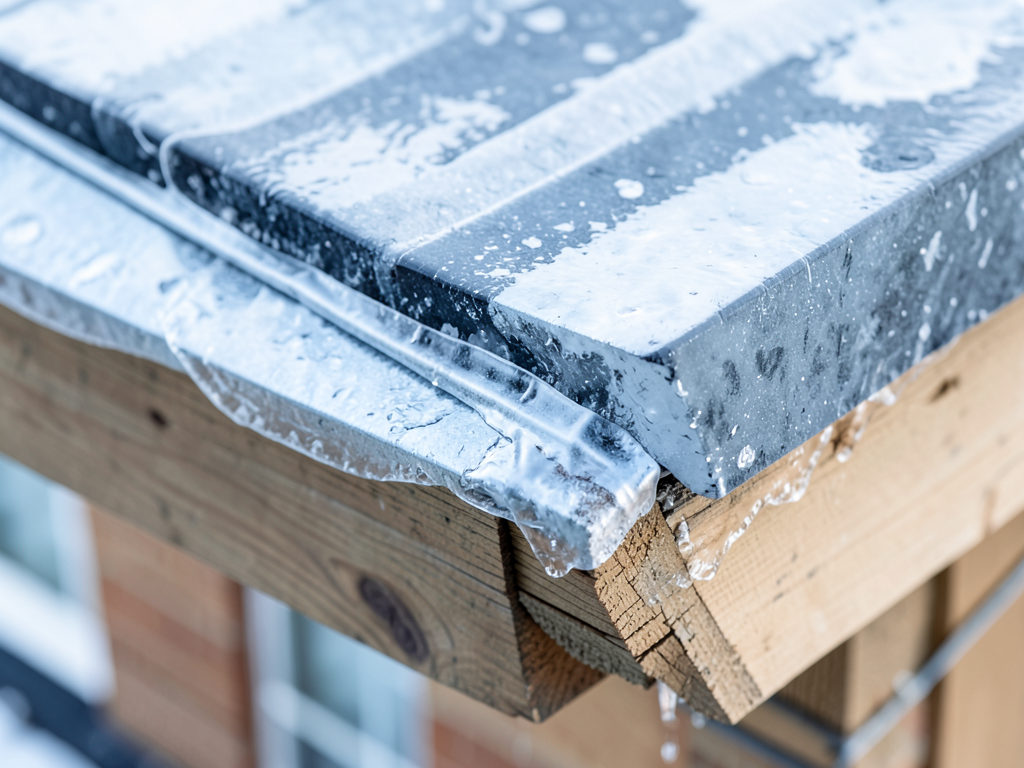
Photo showing proper ice and water shield installation along eaves, required by Minnesota building code for ice dam protection.
DIY vs. Professional Inspection
While you can handle basic visual inspections from the ground, certain situations require professional expertise: Expert Flat Roof Repair Services for Uptown Businesses and Modern Lofts.
- Roofs with steep pitches or multiple stories
- Signs of structural damage or sagging roof decks
- Evidence of previous leaks or water damage
- Age-related concerns on roofs over 15 years old
- Storm damage from recent high winds or hail
Professional roofers use moisture meters to detect hidden water damage and can identify early signs of shingle failure that homeowners might miss. They also check for proper installation of ice and water shield, which Minnesota code requires along eaves in ice dam prone areas.
Tree Limb Management
Lake Minnetonka’s mature tree canopy provides shade but also creates roof hazards. Spring is the perfect time to:
- Trim branches hanging within six feet of your roof
- Remove dead limbs that could fall during spring storms
- Clear debris from roof valleys and low-slope areas
- Check for moss or algae growth on north-facing roof sections
Silver maple seeds, commonly called helicopters, can clog gutters and downspouts. These seeds typically fall in late spring, so schedule a follow-up gutter cleaning in May or June.
Professional Roof Inspection Benefits
A professional inspection provides benefits that DIY checks cannot match:
- Detailed moisture mapping using thermal imaging cameras
- Assessment of roof deck integrity and structural support
- Verification of proper underlayment installation
- Documentation for insurance claims if damage is found
- Recommendations for preventive maintenance specific to your home’s age and construction
Professional inspectors can also identify code compliance issues, such as insufficient ice and water shield or inadequate attic ventilation, that could cause problems during future inspections or insurance renewals.
Spring Maintenance Timeline
Timing matters for effective spring roof maintenance in Lake Minnetonka: Commercial Roof Maintenance.
- Early April: Ground inspection when snow has melted but before heavy spring rains
- Mid-April: Professional inspection if any concerns are noted
- Late April: Gutter cleaning and minor repairs
- Early May: Final check after silver maple seeds fall
- Late May: Prepare for summer storm season
This timeline allows you to address winter damage before the heavy June rains arrive and gives you peace of mind heading into summer storm season.
Warning Signs Requiring Immediate Attention
Certain conditions demand prompt professional evaluation:
- Active leaks or water stains on interior ceilings
- Large areas of missing or damaged shingles
- Sagging roof sections suggesting structural problems
- Damaged chimney flashing or vent pipe boots
- Evidence of animal intrusion through roof gaps
Delaying repairs on these issues can lead to extensive interior damage, mold growth, and significantly higher repair costs.
Local Building Code Requirements
Minneapolis and surrounding communities enforce specific roofing standards. Minnesota State Building Code Section R905.1.2 requires ice and water shield installation along eaves in areas prone to ice damming. This shield must extend from the eave edge up the roof slope a minimum of two feet past the exterior wall line. Trusted Roofing Contractors in St. Louis Park for Shingle Replacement.
Local permits are required for roof replacements, and inspections verify proper underlayment installation, flashing details, and ventilation compliance. Working with a contractor familiar with these requirements ensures your roof meets all local standards. How Much Does a Full Roof Replacement Cost in Bloomington?.
Photo showing proper attic ventilation with clear soffit vents and ridge vent, preventing ice dam formation.
Cost Factors to Consider
Spring roof maintenance costs vary based on several factors:
- Roof accessibility and pitch height
- Extent of visible damage
- Age and type of roofing material
- Need for structural repairs
- Local permit and inspection fees
While professional inspections typically range from $150 to $400, they can identify problems early when repairs cost significantly less than emergency fixes after major damage occurs.
Insurance Considerations
Documenting your spring inspection can support insurance claims if storm damage is discovered. Take photos of any concerning areas and keep records of professional inspections. Many insurance companies require proof of regular maintenance to process claims for weather-related damage.
Check your policy for specific requirements regarding roof age, maintenance documentation, and coverage limitations for ice dam damage, which is common in our area.
Frequently Asked Questions
How often should I have my Lake Minnetonka roof inspected?
Schedule a professional inspection annually in spring and after any major storm. Homes over 15 years old or with previous damage may need twice-yearly inspections.
Can I clean my own gutters safely?
Ground-level gutter cleaning is safe for single-story homes. However, using ladders on roofs requires proper safety equipment and experience. Consider professional cleaning for multi-story homes or if you’re uncomfortable with heights.
What’s the average lifespan of a roof in Minnesota?
Asphalt shingles typically last 20-25 years in our climate, while premium materials like metal or slate can last 40-70 years. Regular maintenance can extend these timelines significantly.
How do I know if I have ice dam damage?
Look for water stains on ceilings or walls, especially near exterior walls. In the attic, check for wet insulation or water marks on rafters. Professional moisture testing can detect hidden damage.
Are permits required for roof repairs in Lake Minnetonka?
Minor repairs typically don’t require permits, but replacements and structural repairs do. Your roofing contractor should handle permit acquisition and ensure all work meets local building codes.
Take Action Today
Spring is the ideal time to address winter roof damage before summer storms arrive. Don’t wait until you see water stains on your ceiling or notice missing shingles after a storm.
Call (651) 588-9277 today to schedule your professional spring roof inspection. Our experienced team understands Lake Minnetonka’s unique roofing challenges and can identify problems before they become costly repairs. We’ll provide a detailed assessment and recommendations specific to your home’s needs.
Protect your investment and ensure your home stays dry through another Minnesota storm season. Pick up the phone and call (651) 588-9277 before the next storm hits. Your roof works hard all winter long—give it the attention it deserves this spring.
{
“@context”: “https://schema.org”,
“@type”: “BlogPosting”,
“headline”: “The Ultimate Spring Cleaning Checklist for Your Lake Minnetonka Roof and Gutters”,
“description”: “Protect your Lake Minnetonka home this spring with our expert roof and gutter maintenance checklist. Discover local tips for ice dam recovery and storm prep.”,
“wordCount”: 1634,
“datePublished”: “2026-06-09T09:53:00.000Z”,
“dateModified”: “2026-06-09T09:53:00.000Z”,
“inLanguage”: “en-US”,
“mainEntityOfPage”: {
“@type”: “WebPage”,
“@id”: “https://keystoneroofingminneapolis.com”
},
“publisher”: {
“@type”: “LocalBusiness”,
“name”: “Keystone Roofing Minneapolis”,
“url”: “https://keystoneroofingminneapolis.com”
},
“author”: {
“@type”: “Organization”,
“name”: “Keystone Roofing Minneapolis”,
“url”: “https://keystoneroofingminneapolis.com”
},
“image”: {
“@type”: “ImageObject”,
“url”: “https://keystoneroofingminneapolis.com/wp-content/uploads/2026/03/the-ultimate-spring-cleaning-checklist-for-your-la-1.png”
}
}
{
“@context”: “https://schema.org”,
“@type”: “RoofingContractor”,
“name”: “Keystone Roofing Minneapolis”,
“url”: “https://keystoneroofingminneapolis.com”,
“address”: {
“@type”: “PostalAddress”,
“addressLocality”: “Minneapolis”
},
“areaServed”: {
“@type”: “City”,
“name”: “Minneapolis”
}
}
{
“@context”: “https://schema.org”,
“@type”: “FAQPage”,
“mainEntity”: [
{
“@type”: “Question”,
“name”: “How often should I have my Lake Minnetonka roof inspected?”,
“acceptedAnswer”: {
“@type”: “Answer”,
“text”: “Schedule a professional inspection annually in spring and after any major storm. Homes over 15 years old or with previous damage may need twice-yearly inspections.”
}
},
{
“@type”: “Question”,
“name”: “Can I clean my own gutters safely?”,
“acceptedAnswer”: {
“@type”: “Answer”,
“text”: “Ground-level gutter cleaning is safe for single-story homes. However, using ladders on roofs requires proper safety equipment and experience. Consider professional cleaning for multi-story homes or if you’re uncomfortable with heights.”
}
},
{
“@type”: “Question”,
“name”: “What’s the average lifespan of a roof in Minnesota?”,
“acceptedAnswer”: {
“@type”: “Answer”,
“text”: “Asphalt shingles typically last 20-25 years in our climate, while premium materials like metal or slate can last 40-70 years. Regular maintenance can extend these timelines significantly.”
}
}
]
}
{
“@context”: “https://schema.org”,
“@type”: “BreadcrumbList”,
“itemListElement”: [
{
“@type”: “ListItem”,
“position”: 1,
“name”: “Home”,
“item”: “https://keystoneroofingminneapolis.com”
},
{
“@type”: “ListItem”,
“position”: 2,
“name”: “Blog”,
“item”: “https://keystoneroofingminneapolis.com/blog”
},
{
“@type”: “ListItem”,
“position”: 3,
“name”: “The Ultimate Spring Cleaning Checklist for Your Lake Minnetonka Roof and Gutters”
}
]
}
{
“@context”: “https://schema.org”,
“@type”: “Service”,
“serviceType”: “Roofing”,
“provider”: {
“@type”: “LocalBusiness”,
“name”: “Keystone Roofing Minneapolis”,
“url”: “https://keystoneroofingminneapolis.com”
},
“areaServed”: {
“@type”: “City”,
“name”: “Minneapolis”
},
“description”: “Protect your Lake Minnetonka home this spring with our expert roof and gutter maintenance checklist. Discover local tips for ice dam recovery and storm prep.”
}
