
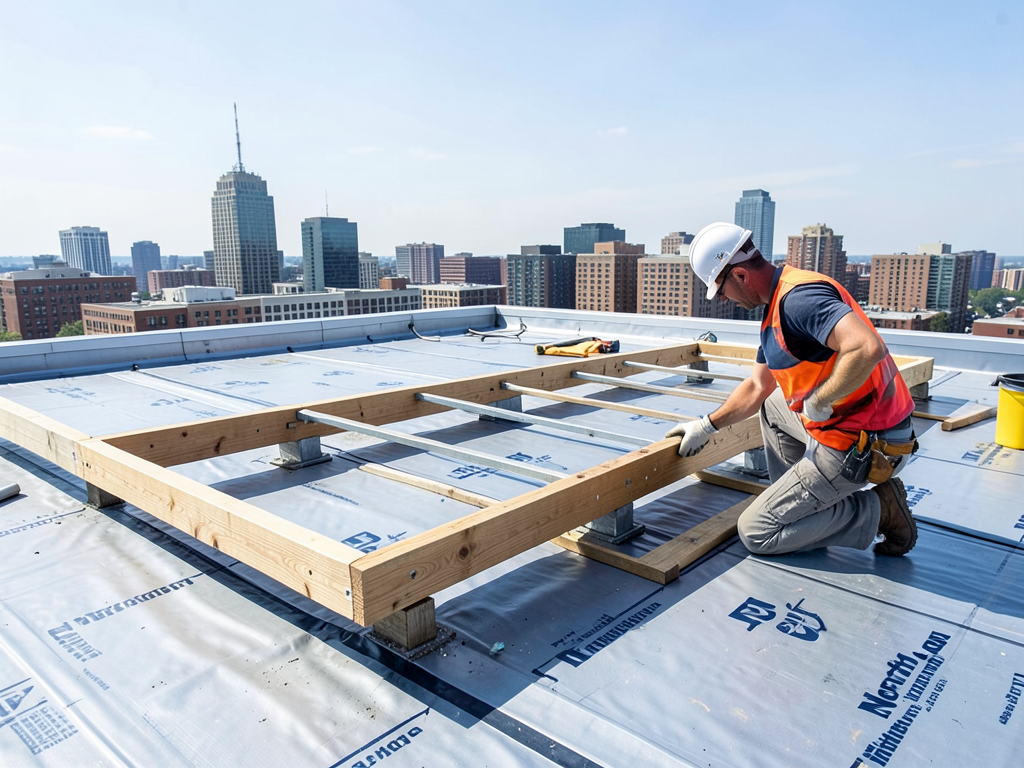
Turning Your North Loop Flat Roof into a Private Rooftop Deck
Living in Minneapolis’s vibrant North Loop neighborhood means maximizing every square foot of your urban space. Your flat roof represents untapped potential for outdoor living that could transform how you enjoy your home. But converting a flat roof into a functional deck requires more than just placing some decking boards on top. The process demands careful consideration of structural integrity, waterproofing, local building codes, and Minnesota’s harsh climate conditions. Minneapolis CPED.
Before you start planning your rooftop oasis, you need to understand what makes a flat roof suitable for deck installation and what challenges you might face. This guide walks you through everything you need to know about turning your North Loop flat roof into a private rooftop deck that will withstand Minneapolis winters and provide years of enjoyment.
Understanding Your Roof’s Structural Capacity
The first question isn’t about aesthetics or materials—it’s about whether your roof can physically support the weight of a deck plus people and furniture. Minneapolis building codes typically require roofs to support 40-60 pounds per square foot of live load for residential structures. This includes the dead load of the deck materials plus the live load of people, snow, and furniture.
A standard rooftop deck with furniture and a few people might add 20-30 pounds per square foot. In winter, snow accumulation can add another 20-30 pounds per square foot or more depending on the storm. Your existing roof structure may need reinforcement to handle this combined load. Storm Damage Roof Inspections in Plymouth – What to Look for After a Major Storm.
Structural engineers in Minneapolis evaluate several factors when assessing roof capacity. They examine your roof’s joist spacing, beam sizes, and connection points. They also consider the age of your building and any previous modifications. Many North Loop buildings constructed before 2000 may need significant reinforcement to meet current load requirements.
Common reinforcement methods include adding support posts through the existing roof, sistering new joists alongside existing ones, or installing additional beams. These modifications must integrate seamlessly with your home’s existing structure while maintaining the roof’s waterproofing integrity. Trusted Roofing Contractors in St. Louis Park for Shingle Replacement.
Choosing the Right Roofing Membrane for Deck Installation
Your flat roof’s membrane serves as the critical barrier between your living space and the elements. Not all roofing materials work well with deck installations. The membrane must withstand foot traffic, resist punctures from deck hardware, and maintain its waterproof properties for decades.
TPO (Thermoplastic Polyolefin) membranes offer excellent durability and UV resistance. They reflect heat rather than absorbing it, which helps keep your home cooler in summer. TPO’s heat-welded seams create a monolithic barrier that resists water infiltration. Many Minneapolis contractors prefer TPO for deck installations because it handles temperature fluctuations well and resists mold growth.
EPDM (Ethylene Propylene Diene Terpolymer) provides another popular option. This rubber membrane offers superior flexibility and can bridge small gaps or cracks in the roof deck. EPDM excels in cold weather applications and remains flexible at temperatures well below zero. However, its dark color absorbs heat, which can increase cooling costs in summer.
PVC membranes combine the best features of TPO and EPDM. They offer excellent chemical resistance, fire resistance, and can handle high foot traffic. PVC’s heat-welded seams create an impermeable barrier, and the material resists algae and mildew growth. The white or light-colored options reflect heat effectively.
Table 1: Comparison of Roofing Membranes for Deck Installations
| Membrane Type | UV Resistance | Temperature Range | Foot Traffic Durability | Cost per Square Foot |
|---|---|---|---|---|
| TPO | Excellent | -40°F to 180°F | Very Good | $5.50 – $7.50 |
| EPDM | Good | -50°F to 200°F | Good | $4.00 – $6.00 |
| PVC | Excellent | -20°F to 160°F | Excellent | $6.50 – $9.00 |
Deck System Options for Flat Roofs
Once you’ve confirmed your roof’s structural capacity and selected an appropriate membrane, you need to choose how to install the actual decking. The system you select affects both the installation process and your roof’s long-term performance.
Floating deck systems use adjustable pedestals to support individual deck tiles or boards. These systems distribute weight evenly across the roof surface and allow for easy removal if repairs become necessary. The pedestals elevate the decking 2-4 inches above the membrane, creating space for water drainage and air circulation. This elevation prevents moisture buildup that could damage the membrane over time. Expert Flat Roof Repair Services for Uptown Businesses and Modern Lofts.
Pedestal systems work exceptionally well with modular deck tiles made from composite materials, porcelain, or natural stone. The adjustable height feature accommodates slight roof imperfections and allows for precise leveling. Many Minneapolis homeowners appreciate that these systems don’t require drilling into the roof membrane, preserving your roof warranty.
Sleeper systems use pressure-treated lumber laid directly on the roof surface. The sleepers create a framework that supports traditional decking boards. While this approach provides a more solid feel underfoot, it requires careful installation to prevent water trapping between the sleepers and the membrane. Proper spacing and slope are critical for drainage.
Interlocking deck tiles offer the simplest installation method. These pre-assembled units click together and often don’t require any hardware. Many feature built-in drainage channels and can be installed directly over existing surfaces. However, they may not provide the same customization options as other systems.
Minneapolis Building Codes and Permitting Requirements
Minneapolis has specific requirements for rooftop structures that go beyond standard deck construction. The city’s building code addresses fire safety, structural integrity, and accessibility concerns unique to elevated structures in an urban environment.
Minneapolis requires permits for any deck that alters the roof structure or adds significant load. The permitting process involves submitting detailed plans showing structural calculations, drainage systems, and fire safety features. The city reviews these plans to ensure compliance with the Minnesota State Building Code and local zoning ordinances. Minnesota State Building Code.
Fire safety regulations in the North Loop are particularly stringent due to the neighborhood’s dense urban character. Minneapolis requires Class A fire-rated materials for rooftop decks in most commercial and multi-family zones. This means using fire-resistant decking materials and maintaining proper clearances from parapet walls and other structures. Commercial Roof Maintenance.
Parapet height requirements affect your deck design significantly. Minneapolis code requires parapets to extend at least 36 inches above the walking surface of any rooftop structure. If your existing parapet doesn’t meet this requirement, you’ll need to either modify it or install a guardrail system that meets current safety standards.
The city also regulates access to rooftop decks. You must provide safe means of egress that meets ADA guidelines if your building has public access. Even for private residential decks, you need properly sized stairs or ladders depending on the deck’s height above grade.
Managing Snow Load and Drainage in Minnesota Winters
Minnesota’s winter presents unique challenges for rooftop decks. Snow accumulation can add tremendous weight to your structure, and freeze-thaw cycles create expansion and contraction that stress both the deck and the underlying roof.
Minneapolis typically experiences 50-70 inches of snowfall annually, with occasional extreme events bringing 12-18 inches in a single storm. Your deck design must account for snow load even when the deck is not in use. Many structural engineers recommend designing for 30-40 pounds per square foot of snow load in addition to the deck’s dead load.
Drainage becomes critical when snow begins to melt. Your deck system must allow water to flow freely to existing roof drains, scuppers, or gutters. Blocked drainage can lead to ponding water, which adds weight and can cause leaks. Many Minneapolis deck installations include additional drains specifically for the deck area.
Ice dam formation on flat roofs creates another challenge. When snow melts during the day and refreezes at night, it can create ice dams that prevent proper drainage. Your deck design should include methods to keep drainage paths clear, such as heated cables or sloped drainage channels that direct water to the lowest points.
Freeze-thaw cycles cause materials to expand and contract. Your deck installation must accommodate this movement to prevent cracking or separation. Using materials with similar expansion rates and providing expansion joints at strategic locations helps prevent damage.
Fire Safety and Material Selection
Fire safety regulations in Minneapolis require careful material selection for rooftop decks. The city’s dense urban environment means fires can spread quickly between buildings, making fire-resistant materials essential.
Class A fire-rated materials are mandatory for most rooftop deck installations in Minneapolis. These materials have the highest resistance to fire spread and can withstand severe fire exposure. Common Class A options include certain composite decking materials, metal decking, and some treated wood products.
Ipe wood offers an excellent balance of durability and fire resistance. This dense tropical hardwood naturally resists fire, rot, and insect damage. While more expensive than other wood options, Ipe’s 25-30 year lifespan and Class A fire rating make it a popular choice for Minneapolis rooftop decks.
Composite decking materials provide another fire-resistant option. Many manufacturers now produce composite boards with Class A fire ratings specifically for commercial and multi-family applications. These materials resist fading, staining, and moisture damage while meeting strict fire safety codes.
Metal decking, while less common for residential applications, offers superior fire resistance. Aluminum and steel decking won’t burn or contribute to fire spread. However, metal can become extremely hot in direct sunlight and may require additional heat mitigation strategies.
Preserving Your Roof Warranty
Installing a deck on your flat roof can void your roof warranty if not done correctly. Many roofing manufacturers void warranties if the membrane is penetrated or if the deck installation creates conditions that could lead to premature failure.
Working with a roofing contractor who understands warranty preservation is essential. They can install your deck using methods that don’t void your warranty, such as non-penetrating support systems and protective layers between the deck and membrane.
Some manufacturers offer specific deck installation guidelines that maintain warranty coverage. These might include using protective mats under support feet, maintaining specific clearance heights, or using approved drainage systems. Following these guidelines precisely is crucial for warranty preservation.
Regular maintenance becomes even more important with a deck installation. Debris accumulation can trap moisture against the membrane, leading to premature deterioration. Annual inspections should check for signs of membrane damage, proper drainage, and structural integrity.
Consider having your roofing contractor inspect the membrane before deck installation. They can identify and repair any existing issues that might worsen under the additional stress of a deck. This proactive approach can prevent costly repairs down the road.
Cost Factors for Rooftop Deck Installation in Minneapolis
The cost of converting your North Loop flat roof into a deck varies significantly based on several factors. Understanding these cost drivers helps you budget appropriately and avoid surprises during the project.
Structural reinforcement represents one of the largest potential expenses. If your roof needs additional support, costs can range from $15 to $40 per square foot of deck area. The extent of reinforcement depends on your existing structure’s capacity and the desired deck size.
Membrane replacement or upgrade adds another significant cost. Installing a new TPO, EPDM, or PVC membrane over your existing roof typically costs $5 to $9 per square foot. This cost includes removing the old membrane if necessary and ensuring proper adhesion of the new material. How Much Does a Full Roof Replacement Cost in Bloomington?.
The deck system itself varies in cost based on materials and installation method. Floating pedestal systems with composite tiles might cost $15 to $25 per square foot installed. Traditional wood decking on sleeper systems could range from $20 to $35 per square foot, depending on the wood species and complexity.
Additional features like railings, stairs, lighting, and built-in seating add to the overall cost. Aluminum or glass railings might cost $50 to $100 per linear foot. Integrated lighting systems can add $500 to $2,000 depending on the complexity and number of fixtures.
Table 2: Estimated Cost Breakdown for Rooftop Deck Installation
| Component | Cost Range per Square Foot | Percentage of Total Cost |
|---|---|---|
| Structural Reinforcement | $15 – $40 | 20% – 35% |
| Roof Membrane | $5 – $9 | 10% – 15% |
| Deck System | $15 – $35 | 25% – 35% |
| Railing and Safety Features | $20 – $50 | 15% – 20% |
| Additional Features | Variable | 10% – 15% |
Case Study: Recent Rooftop Transformation in the North Loop
A recent project in the North Loop demonstrates how these various elements come together in practice. The 1920s warehouse conversion building had a 600-square-foot flat roof that the owners wanted to convert into an entertainment space.
The structural assessment revealed that the existing roof joists, while adequate for the building’s original use, couldn’t support the additional live load of a deck plus snow accumulation. The engineering solution involved installing new steel support beams running perpendicular to the existing joists, creating a grid system capable of supporting 60 pounds per square foot.
The owners selected a TPO membrane for its durability and heat-reflective properties. The white surface helps keep the space below cooler in summer while providing excellent waterproofing. The installation included upgrading the existing roof drains to handle the additional water flow from the deck area.
For the deck surface, they chose a floating pedestal system with composite deck tiles that mimic the appearance of Ipe wood. The adjustable pedestals accommodated the slight slope required for drainage while keeping the actual walking surface level. The system allowed for easy access to the membrane for future inspections or repairs.
The project included a glass railing system that maintains unobstructed views of the downtown Minneapolis skyline while meeting Minneapolis building code requirements. LED strip lighting integrated into the railing posts provides ambient lighting for evening use.
Total project cost came to approximately $85,000, or about $142 per square foot. This included all structural work, new roofing, the deck system, railing, and lighting. The owners report that the deck has become their favorite space in the home, providing a private outdoor retreat in the heart of the city.
Maintenance Requirements for Rooftop Decks
Once your rooftop deck is installed, proper maintenance ensures it remains safe and functional for years to come. Minneapolis’s climate creates specific maintenance challenges that require regular attention.
Seasonal cleaning prevents debris accumulation that can trap moisture against the membrane. In fall, remove leaves and organic matter that can decompose and create acidic conditions harmful to roofing materials. In spring, clear any sand or salt residue from winter maintenance that could abrade the membrane.
Annual inspections should check for loose deck boards, damaged railing components, and signs of membrane distress. Look for areas where water might be pooling or where the deck surface doesn’t drain properly. Early detection of issues prevents more expensive repairs later.
Membrane protection requires special attention. Avoid dragging heavy furniture across the surface, which can scratch or puncture the membrane. Use protective pads under furniture legs and avoid using harsh chemicals for cleaning that could damage the roofing material.
Snow removal from rooftop decks requires careful technique. Use plastic shovels rather than metal ones to avoid damaging the deck surface or underlying membrane. Remove only enough snow to ensure proper drainage; leaving some snow provides insulation and reduces the risk of ice dam formation.
Check drainage systems regularly, especially before and after major storms. Clear any debris from scuppers, drains, or downspouts to ensure water can flow freely off the roof. Consider installing leaf guards or similar devices to reduce maintenance requirements.
Frequently Asked Questions
Can I install a rooftop deck on any flat roof?
Not all flat roofs can support a deck without significant modification. The roof must have adequate structural capacity, proper drainage, and a suitable membrane. A professional structural engineer should evaluate your specific situation before proceeding with any deck installation.
How long does a typical rooftop deck installation take?
Most rooftop deck projects take 2-4 weeks from start to finish, depending on the complexity of structural modifications needed. Simple installations over existing structurally sound roofs might take as little as one week, while projects requiring major reinforcement could take 6-8 weeks.
Will a rooftop deck increase my property value?
A well-designed rooftop deck typically increases property value by 5-10% in urban markets like Minneapolis. The exact return depends on the quality of construction, the usability of the space, and local market conditions. Many buyers in the North Loop specifically seek properties with outdoor living space.
Do I need special insurance for a rooftop deck?
You should notify your homeowner’s insurance company about your rooftop deck installation. Some policies require additional coverage for elevated structures. The increased replacement cost and potential liability may affect your premiums, but many insurers offer specific endorsements for rooftop decks.
How do I handle snow removal from my rooftop deck?
Use plastic shovels and avoid metal tools that could damage the surface. Remove only enough snow to ensure proper drainage, typically leaving 2-3 inches to provide insulation. Consider hiring professionals for heavy snow removal to avoid personal injury and protect your investment.
Getting Started with Your Rooftop Deck Project
Converting your North Loop flat roof into a private deck represents a significant investment in your property and lifestyle. The process requires careful planning, professional expertise, and attention to detail to ensure a successful outcome that will provide years of enjoyment.
Start by scheduling a structural assessment with a qualified engineer who understands Minneapolis building requirements. This evaluation will determine whether your roof can support a deck and what modifications might be necessary. The engineer can also help you navigate the permitting process and ensure your design meets all local codes.
Next, consult with roofing professionals who have experience with deck installations. They can recommend appropriate membrane systems and installation methods that preserve your roof warranty while providing the durability needed for a deck application. Look for contractors with specific experience in Minneapolis’s climate challenges.
Finally, work with a designer who can help you maximize your rooftop space while addressing practical concerns like privacy, wind exposure, and sun patterns. The North Loop’s urban environment creates unique design opportunities and challenges that benefit from professional input.
Your rooftop deck can become the most valuable outdoor space in your home, providing a private retreat with stunning views of the Minneapolis skyline. With proper planning and execution, this investment will enhance your quality of life and property value for years to come.
Ready to transform your North Loop flat roof into the outdoor living space you’ve been dreaming about? Call Keystone Roofing Minneapolis at (651) 588-9277 to schedule your free consultation. Our experienced team understands the unique challenges of Minneapolis rooftop installations and can guide you through every step of the process, from structural assessment to final inspection. Don’t wait to start enjoying your private rooftop oasis!
- Assess Structural Capacity
Have a structural engineer evaluate your roof’s ability to support a deck. This includes checking joist spacing, beam sizes, and calculating live and dead loads specific to Minneapolis snow conditions.
- Select Appropriate Roofing Membrane
Choose between TPO, EPDM, or PVC based on durability, UV resistance, and compatibility with your deck system. Consider factors like heat reflection and flexibility in extreme temperatures.
- Design Deck System and Obtain Permits
Work with professionals to design a deck system that meets Minneapolis building codes, including fire safety requirements and proper drainage. Obtain all necessary permits before beginning construction.
{
“@context”: “https://schema.org”,
“@type”: “BlogPosting”,
“headline”: “Turning Your North Loop Flat Roof into a Private Rooftop Deck”,
“description”: “Discover how to transform your North Loop flat roof into a stunning rooftop deck. Learn about Minneapolis building codes, structural requirements, and expert installation tips.”,
“wordCount”: 3211,
“datePublished”: “2026-04-08T09:13:00.000Z”,
“dateModified”: “2026-04-08T09:13:00.000Z”,
“inLanguage”: “en-US”,
“mainEntityOfPage”: {
“@type”: “WebPage”,
“@id”: “https://keystoneroofingminneapolis.com”
},
“publisher”: {
“@type”: “LocalBusiness”,
“name”: “Keystone Roofing Minneapolis”,
“url”: “https://keystoneroofingminneapolis.com”
},
“author”: {
“@type”: “Organization”,
“name”: “Keystone Roofing Minneapolis”,
“url”: “https://keystoneroofingminneapolis.com”
},
“image”: {
“@type”: “ImageObject”,
“url”: “https://keystoneroofingminneapolis.com/wp-content/uploads/2026/03/turning-your-north-loop-flat-roof-into-a-private-r-1.png”
}
}
{
“@context”: “https://schema.org”,
“@type”: “RoofingContractor”,
“name”: “Keystone Roofing Minneapolis”,
“url”: “https://keystoneroofingminneapolis.com”,
“address”: {
“@type”: “PostalAddress”,
“addressLocality”: “Minneapolis”
},
“areaServed”: {
“@type”: “City”,
“name”: “Minneapolis”
}
}
{
“@context”: “https://schema.org”,
“@type”: “FAQPage”,
“mainEntity”: [
{
“@type”: “Question”,
“name”: “Can I install a rooftop deck on any flat roof?”,
“acceptedAnswer”: {
“@type”: “Answer”,
“text”: “Not all flat roofs can support a deck without significant modification. The roof must have adequate structural capacity, proper drainage, and a suitable membrane. A professional structural engineer should evaluate your specific situation before proceeding with any deck installation.”
}
},
{
“@type”: “Question”,
“name”: “How long does a typical rooftop deck installation take?”,
“acceptedAnswer”: {
“@type”: “Answer”,
“text”: “Most rooftop deck projects take 2-4 weeks from start to finish, depending on the complexity of structural modifications needed. Simple installations over existing structurally sound roofs might take as little as one week, while projects requiring major reinforcement could take 6-8 weeks.”
}
},
{
“@type”: “Question”,
“name”: “Will a rooftop deck increase my property value?”,
“acceptedAnswer”: {
“@type”: “Answer”,
“text”: “A well-designed rooftop deck typically increases property value by 5-10% in urban markets like Minneapolis. The exact return depends on the quality of construction, the usability of the space, and local market conditions. Many buyers in the North Loop specifically seek properties with outdoor living space.”
}
},
{
“@type”: “Question”,
“name”: “Do I need special insurance for a rooftop deck?”,
“acceptedAnswer”: {
“@type”: “Answer”,
“text”: “You should notify your homeowner’s insurance company about your rooftop deck installation. Some policies require additional coverage for elevated structures. The increased replacement cost and potential liability may affect your premiums, but many insurers offer specific endorsements for rooftop decks.”
}
},
{
“@type”: “Question”,
“name”: “How do I handle snow removal from my rooftop deck?”,
“acceptedAnswer”: {
“@type”: “Answer”,
“text”: “Use plastic shovels and avoid metal tools that could damage the surface. Remove only enough snow to ensure proper drainage, typically leaving 2-3 inches to provide insulation. Consider hiring professionals for heavy snow removal to avoid personal injury and protect your investment.”
}
}
]
}
{
“@context”: “https://schema.org”,
“@type”: “HowTo”,
“name”: “How to Plan Your Rooftop Deck”,
“step”: [
{
“@type”: “HowToStep”,
“position”: 1,
“name”: “Assess Structural Capacity”,
“text”: “Have a structural engineer evaluate your roof’s ability to support a deck. This includes checking joist spacing, beam sizes, and calculating live and dead loads specific to Minneapolis snow conditions.”
},
{
“@type”: “HowToStep”,
“position”: 2,
“name”: “Select Appropriate Roofing Membrane”,
“text”: “Choose between TPO, EPDM, or PVC based on durability, UV resistance, and compatibility with your deck system. Consider factors like heat reflection and flexibility in extreme temperatures.”
},
{
“@type”: “HowToStep”,
“position”: 3,
“name”: “Design Deck System and Obtain Permits”,
“text”: “Work with professionals to design a deck system that meets Minneapolis building codes, including fire safety requirements and proper drainage. Obtain all necessary permits before beginning construction.”
}
],
“image”: “https://keystoneroofingminneapolis.com/wp-content/uploads/2026/03/turning-your-north-loop-flat-roof-into-a-private-r-1.png”
}
{
“@context”: “https://schema.org”,
“@type”: “BreadcrumbList”,
“itemListElement”: [
{
“@type”: “ListItem”,
“position”: 1,
“name”: “Home”,
“item”: “https://keystoneroofingminneapolis.com”
},
{
“@type”: “ListItem”,
“position”: 2,
“name”: “Blog”,
“item”: “https://keystoneroofingminneapolis.com/blog”
},
{
“@type”: “ListItem”,
“position”: 3,
“name”: “Turning Your North Loop Flat Roof into a Private Rooftop Deck”
}
]
}
{
“@context”: “https://schema.org”,
“@type”: “Service”,
“serviceType”: “Roofing”,
“provider”: {
“@type”: “LocalBusiness”,
“name”: “Keystone Roofing Minneapolis”,
“url”: “https://keystoneroofingminneapolis.com”
},
“areaServed”: {
“@type”: “City”,
“name”: “Minneapolis”
},
“description”: “Discover how to transform your North Loop flat roof into a stunning rooftop deck. Learn about Minneapolis building codes, structural requirements, and expert installation tips.”
}
