
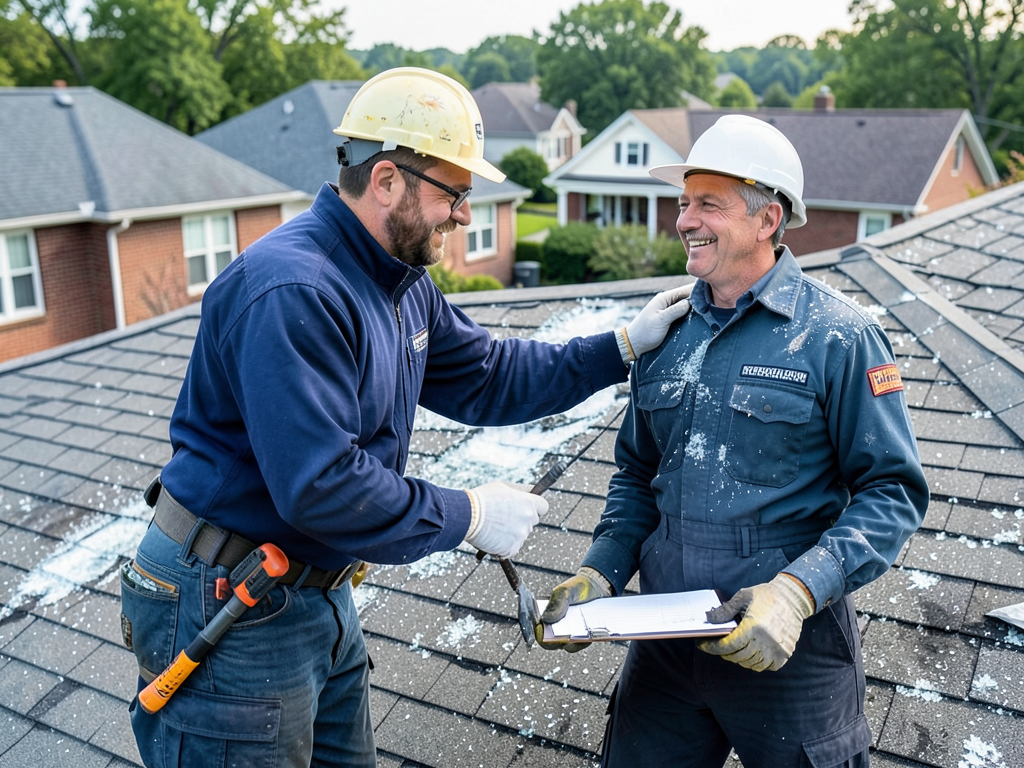
Warning Signs of a Post Storm Roofing Scam in the Twin Cities
Minneapolis homeowners face a unique threat after major storms. Storm chasers flood the area offering quick fixes and preying on storm-damaged properties. These out-of-state contractors often disappear before the work is complete leaving homeowners with shoddy repairs and insurance headaches. Storm Damage Roof Inspections in Plymouth – What to Look for After a Major Storm.
The Twin Cities sees hundreds of roofing scams each year after hail and wind events. Homeowners in neighborhoods like Edina and Golden Valley report aggressive door-to-door sales tactics. Contractors offer to pay insurance deductibles or promise unrealistically fast turnaround times. These tactics violate Minnesota law and should trigger immediate red flags.
Minnesota Statute 325E.66 specifically prohibits contractors from offering to pay or rebate any part of an insurance deductible. Yet this scam remains one of the most common in the Twin Cities. Scammers know homeowners want to minimize out-of-pocket costs after a storm. They use this desire to pressure quick decisions before proper verification. Minnesota Department of Labor and Industry.
Local building codes in Minneapolis require specific materials and installation methods for storm damage repairs. Contractors unfamiliar with Minnesota weather patterns often install products that fail within months. The freeze-thaw cycles common to St. Louis Park and Plymouth demand specialized underlayment and ice shield requirements that many out-of-state crews ignore.
Insurance fraud represents another major concern. Some contractors encourage homeowners to file inflated claims or claim damage that does not exist. This practice can lead to policy cancellation and potential legal trouble for homeowners who thought they were getting a good deal.
The Minnesota Department of Labor and Industry maintains a database of licensed contractors. Homeowners should verify licenses before signing any agreements. A legitimate Minneapolis roofing company will have both a Minnesota license and local business registration. They should also carry proper insurance and provide certificates of insurance upon request. Trusted Roofing Contractors in St. Louis Park for Shingle Replacement.
Local weather patterns create specific vulnerabilities. The April and May hail seasons bring the highest scam activity. Contractors track storm paths and target the hardest-hit areas. Neighborhoods with older homes often see the most aggressive solicitation because homeowners worry about aging roofs.
Time pressure represents a major red flag. Scammers create artificial urgency claiming they have a crew in the neighborhood or offering special storm pricing that expires quickly. Legitimate contractors in Minneapolis understand homeowners need time to research and verify credentials.
Payment terms offer another warning sign. Contractors demanding large upfront payments or cash-only deals often disappear with the money. Minnesota law requires specific payment schedules for roofing contracts. Homeowners should never pay more than one-third upfront for any roofing project.. Read more about Navigating the Tricky Roofing Permits and Codes in Minnetonka.
Local permits provide protection. Minneapolis and surrounding suburbs require permits for roof replacements. A contractor unwilling to pull permits or suggesting you skip this step operates outside legal requirements. Permit fees support inspections that protect homeowners from substandard work. How Much Does a Full Roof Replacement Cost in Bloomington?.
Written contracts protect both parties. Minnesota requires specific disclosures in roofing contracts including material specifications, start and completion dates, and payment schedules. Contractors who provide only verbal agreements or refuse to put terms in writing should be avoided immediately.
The Better Business Bureau maintains records of complaints against roofing contractors. A pattern of complaints about unfinished work, poor communication, or disappearing crews indicates a problematic contractor. Local roofing companies with established reputations welcome verification of their business practices. Better Business Bureau.
Social media and neighborhood groups often share warnings about suspicious contractors. Minneapolis residents frequently post about door-to-door solicitation and questionable offers. These community warnings provide real-time protection against active scams in specific neighborhoods.
Insurance company relationships matter. Some contractors claim special relationships with insurance companies that allow them to handle claims directly. This arrangement often benefits the contractor more than the homeowner. Insurance companies prefer homeowners to file their own claims and make their own contractor selections.
Material quality affects long-term performance. Storm chasers often use lower-grade materials to increase profit margins. Minneapolis weather demands specific product ratings for wind and impact resistance. Contractors should specify exact product lines and provide manufacturer warranties rather than vague quality promises.
Cleanup procedures indicate professionalism. Reputable contractors include site cleanup in their contracts and use protective measures during installation. Contractors who leave debris, damage landscaping, or fail to protect property show disregard for customer care that often extends to workmanship quality.
Communication patterns reveal reliability. Contractors who avoid phone calls, fail to return messages, or provide inconsistent information likely struggle with basic business operations. Professional roofing companies maintain office staff and provide clear communication channels throughout projects.
References from local projects provide verification. Contractors should provide addresses of completed work in your area. Visiting these sites or speaking with previous customers reveals actual performance rather than sales promises. Storm chasers rarely provide verifiable local references.
Seasonal timing affects scam prevalence. Winter months see fewer scams because roofing work becomes difficult in Minnesota cold. The highest risk periods follow major spring and summer storms when damage is visible and homeowners feel pressured to act quickly.
Geographic concentration reveals patterns. Certain Minneapolis neighborhoods experience repeated targeting after storms. Contractors focus on areas with similar housing stock where their sales pitch applies broadly. Awareness of these patterns helps homeowners recognize when they become targets.
Legal recourse exists for scam victims. Minnesota law provides protection through the Contractor Recovery Fund for licensed contractors. However, unlicensed or out-of-state operators often evade these protections leaving homeowners with limited options for recovery.
Education prevents victimization. Understanding common scam tactics reduces vulnerability. Homeowners who know to verify licenses, check references, and avoid pressure tactics make better decisions. Knowledge of Minnesota-specific requirements provides additional protection against out-of-state operators.
Community vigilance strengthens protection. Neighbors who share information about suspicious activity create collective awareness. Minneapolis neighborhood associations often coordinate warnings about active scams affecting their areas. This community approach multiplies individual protective efforts.
Technology aids verification. Online license lookup tools, review platforms, and mapping services help verify contractor claims. Homeowners should use these resources before making any commitments. A few minutes of research prevents costly mistakes and protects property investments.
Trust your instincts when something feels wrong. High-pressure sales, too-good-to-be-true offers, and reluctance to provide documentation indicate problems. Professional contractors expect questions and welcome verification of their credentials and business practices.
The cost of verification pales compared to scam losses. A few hours of research and verification saves thousands in potential damages and protects the most valuable asset most families own. Minneapolis homeowners who take time to verify credentials avoid the stress and financial loss that scam victims experience.
Local roofing companies invest in community reputation. They understand that satisfied customers provide referrals and repeat business. This long-term perspective contrasts with storm chasers focused on quick profits before moving to the next storm location.
Weather awareness provides context. Understanding when storms typically strike helps anticipate scam activity. Minneapolis residents who track weather patterns recognize when increased solicitation likely follows major events. This awareness prepares them to respond appropriately to contractor contacts.
Documentation protects homeowners. Keep records of all communications, contracts, and payments. Photos of damage before work begins establish baselines. These records prove invaluable if disputes arise about work quality or contract fulfillment.
Professional associations offer resources. Organizations like the National Roofing Contractors Association provide homeowner education and contractor verification tools. Membership in these groups indicates commitment to professional standards beyond minimum legal requirements.
Insurance company recommendations carry weight. While homeowners choose their own contractors, insurance companies often maintain lists of preferred providers. These companies typically meet higher standards for licensing, insurance, and workmanship quality.
Payment methods matter. Credit card payments provide dispute protection that cash or check payments lack. Contractors unwilling to accept credit cards may operate outside normal business practices that protect consumers.
Project timelines reveal credibility. Realistic timeframes account for weather delays and material availability. Contractors promising completion in unrealistic windows often cut corners or fail to show up after receiving payment.
Material specifications require clarity. Contractors should specify exact product brands, models, and ratings. Vague descriptions like “quality shingles” or “standard underlayment” allow substitution with inferior products that fail prematurely.
Warranty terms vary significantly. Manufacturer warranties require specific installation methods and material combinations. Contractors should explain warranty terms and limitations clearly. Storm chasers often provide verbal warranty promises they cannot honor.
Cleanup expectations should be explicit. Professional contractors include site cleanup, debris removal, and property protection in their scope. Failure to address these details in writing often results in damaged landscaping and scattered roofing materials after project completion.
Communication plans prevent misunderstandings. Professional contractors establish communication protocols including project updates, change order procedures, and dispute resolution processes. Lack of communication planning indicates potential problems during the project.
Local knowledge demonstrates commitment. Contractors familiar with Minneapolis building codes, permit requirements, and weather patterns show investment in the community. This local expertise benefits homeowners through proper installation methods and code compliance. Expert Flat Roof Repair Services for Uptown Businesses and Modern Lofts.
Emergency response capabilities matter. Professional roofing companies maintain crews for urgent repairs after storms. Their ability to respond quickly to prevent further damage demonstrates operational capacity beyond sales activities.
Financial stability indicates reliability. Contractors who maintain physical offices, invest in equipment, and employ staff demonstrate business stability. Storm chasers operating from hotels or temporary locations lack this foundation for long-term reliability.
Community involvement reflects values. Local contractors who sponsor events, support charities, or participate in community activities demonstrate commitment beyond profit. This involvement often correlates with business ethics and customer care quality.
Verification takes time but prevents disasters. The few hours spent checking licenses, references, and contracts save months of dealing with incomplete or defective work. Minneapolis homeowners who verify thoroughly avoid the stress and financial loss that scam victims experience.
Knowledge empowers protection. Understanding common scam tactics, Minnesota laws, and verification procedures gives homeowners confidence when dealing with contractors. This knowledge transforms them from potential victims to informed consumers who make good decisions.
Professional relationships develop over time. Working with established local contractors builds trust through repeated positive experiences. These relationships provide peace of mind during stressful situations like storm damage when quick decisions become necessary.
The roofing investment deserves protection. A roof represents a major home investment requiring proper installation and maintenance. Choosing qualified contractors ensures this investment performs as intended for its designed lifespan. Choosing the Right Cedar Shake Contractor for Your Minnetonka Home.
Minneapolis weather demands quality. The extreme temperature variations, heavy snow loads, and severe storms common to Minnesota require superior roofing systems. Only qualified contractors understand these requirements and install appropriate solutions.
Peace of mind has value. Working with trustworthy contractors eliminates worry about incomplete work, disappearing crews, or legal problems. This peace of mind proves invaluable when storms threaten home protection and quick decisions become necessary.
Community strength grows through shared knowledge. Minneapolis homeowners who share scam awareness and contractor recommendations strengthen the entire community. This collective wisdom protects vulnerable residents and maintains neighborhood property values.
Professional roofing requires expertise. The combination of technical knowledge, business practices, and customer service distinguishes qualified contractors from opportunists. Homeowners benefit from understanding these differences when making contractor selections.
Minnesota law provides frameworks. Understanding licensing requirements, contract laws, and consumer protections helps homeowners recognize when contractors operate outside legal boundaries. This knowledge provides additional protection against fraudulent operators.
Time invested in verification returns value. The research hours spent checking credentials and references prevent the extensive time waste dealing with scam contractors. This upfront investment consistently proves worthwhile for Minneapolis homeowners.
Quality work lasts decades. Properly installed roofing systems protect homes through multiple storm seasons. The initial selection of qualified contractors determines whether this protection succeeds or fails when severe weather strikes.
Community awareness creates safety. Minneapolis neighborhoods where residents share information about contractor activity develop collective protection against scams. This awareness network activates quickly when suspicious patterns emerge after storms.
Professional standards matter. Contractors who maintain business licenses, insurance, and professional certifications demonstrate commitment to quality beyond minimum requirements. These standards protect homeowners through proper installation methods and warranty fulfillment.
Verification becomes habit. Homeowners who develop verification routines for contractor selection find the process increasingly efficient. This habit formation reduces vulnerability to high-pressure sales tactics and suspicious offers.
Knowledge sharing strengthens community. Minneapolis residents who discuss contractor experiences and scam awareness create collective intelligence. This shared knowledge base helps identify problematic operators before they victimize multiple homeowners.
Quality installation prevents problems. Proper roofing installation methods prevent leaks, ice dams, and premature failure. Qualified contractors understand these methods and implement them consistently, protecting the significant investment homeowners make in their roofs.
Peace of mind justifies effort. The comfort of knowing qualified professionals protect your home justifies the verification effort required. This peace of mind proves especially valuable during storm seasons when roofing decisions become urgent and stress levels increase.
Red Flags Checklist for Minneapolis Homeowners
- Door-to-door solicitation offering immediate inspections
- Promises to pay or rebate insurance deductibles
- High-pressure sales tactics demanding quick decisions
- Refusal to provide written contracts or insurance certificates
- Demands for large upfront payments or cash-only deals
- Lack of Minnesota contractor license or local business registration
- Unrealistic project completion timelines
- Reluctance to pull required building permits
- Vague material specifications or unknown product brands
- Absence of verifiable local references or completed projects
Verification Steps for Roofing Contractors
- Check Minnesota License
Use the Minnesota Department of Labor and Industry license lookup tool to verify active status and any disciplinary actions.
- Verify Insurance Coverage
Request certificates of insurance for both general liability and workers’ compensation coverage.
- Check Local Registration
Confirm the contractor maintains a physical office in Minnesota and local business registration.
- Review BBB Records
Check the Better Business Bureau for complaints and business rating in Minneapolis.
- Request Local References
Ask for addresses of completed projects in your neighborhood or nearby areas.
- Verify Permit Compliance
Confirm the contractor will pull required permits and schedule inspections.
- Review Contract Details
Ensure contracts include specific material brands, installation methods, and payment schedules.
Frequently Asked Questions
Is it illegal for contractors to pay my insurance deductible in Minnesota?
Yes. Minnesota Statute 325E.66 specifically prohibits contractors from offering to pay or rebate any portion of an insurance deductible. This practice constitutes insurance fraud and can result in legal penalties for both the contractor and homeowner.
How can I verify if a roofing contractor is licensed in Minnesota?
Use the Minnesota Department of Labor and Industry online license lookup tool. Enter the contractor’s license number or business name to verify active status, expiration date, and any disciplinary actions.
What should I do if a storm chaser approaches my home after a hailstorm?
Politely decline their offer and report the solicitation to your local police department. Document their vehicle information and company name if possible. Then verify any damage through a licensed local contractor before making decisions.
Are permits required for roof replacement in Minneapolis?
Yes. Minneapolis and most surrounding suburbs require building permits for roof replacements. The permit process ensures code compliance and provides inspection protection for homeowners.
How much should I pay upfront for a roofing project?
Minnesota law generally limits upfront payments to one-third of the total contract price. Avoid contractors demanding larger deposits or cash payments. Use payment methods that provide consumer protection.
What insurance should a roofing contractor carry?
Contractors should carry both general liability insurance and workers’ compensation coverage. Request certificates of insurance and verify coverage with the insurance provider before work begins.
How can I tell if storm damage requires immediate attention?
Look for missing shingles, visible holes, sagging areas, or water stains on interior ceilings. If you notice these signs, contact a licensed local contractor for emergency tarping to prevent further damage while you verify credentials.
What’s the difference between a storm chaser and a local contractor?
Storm chasers are out-of-state operators who follow storm paths and often lack proper licensing or insurance. Local contractors maintain permanent offices, employ local workers, and understand Minneapolis building codes and weather requirements.
Can I trust a contractor recommended by my insurance company?
Insurance companies may provide preferred contractor lists, but you retain the right to choose any qualified contractor. Verify credentials regardless of recommendations, as insurance relationships do not guarantee quality or ethical practices.
What should a roofing contract include?
Contracts should specify exact material brands and models, installation methods, project timeline, payment schedule, permit responsibilities, cleanup procedures, and warranty terms. Avoid vague descriptions or verbal agreements.
{
“@context”: “https://schema.org”,
“@type”: “BlogPosting”,
“headline”: “Warning Signs of a Post Storm Roofing Scam in the Twin Cities”,
“description”: “Learn how to spot roofing scams after Minneapolis storms. Discover red flags, verify contractors, and protect your home from storm chasers with this local guide.”,
“wordCount”: 2743,
“datePublished”: “2026-06-12T15:07:00.000Z”,
“dateModified”: “2026-06-12T15:07:00.000Z”,
“inLanguage”: “en-US”,
“mainEntityOfPage”: {
“@type”: “WebPage”,
“@id”: “https://keystoneroofingminneapolis.com”
},
“publisher”: {
“@type”: “LocalBusiness”,
“name”: “Keystone Roofing Minneapolis”,
“url”: “https://keystoneroofingminneapolis.com”
},
“author”: {
“@type”: “Organization”,
“name”: “Keystone Roofing Minneapolis”,
“url”: “https://keystoneroofingminneapolis.com”
},
“image”: {
“@type”: “ImageObject”,
“url”: “https://keystoneroofingminneapolis.com/wp-content/uploads/2026/03/warning-signs-of-a-post-storm-roofing-scam-in-the-1.png”
}
}
{
“@context”: “https://schema.org”,
“@type”: “RoofingContractor”,
“name”: “Keystone Roofing Minneapolis”,
“url”: “https://keystoneroofingminneapolis.com”,
“address”: {
“@type”: “PostalAddress”,
“addressLocality”: “Minneapolis”
},
“areaServed”: {
“@type”: “City”,
“name”: “Minneapolis”
}
}
{
“@context”: “https://schema.org”,
“@type”: “FAQPage”,
“mainEntity”: [
{
“@type”: “Question”,
“name”: “Is it illegal for contractors to pay my insurance deductible in Minnesota?”,
“acceptedAnswer”: {
“@type”: “Answer”,
“text”: “Yes. Minnesota Statute 325E.66 specifically prohibits contractors from offering to pay or rebate any portion of an insurance deductible. This practice constitutes insurance fraud and can result in legal penalties for both the contractor and homeowner.”
}
},
{
“@type”: “Question”,
“name”: “How can I verify if a roofing contractor is licensed in Minnesota?”,
“acceptedAnswer”: {
“@type”: “Answer”,
“text”: “Use the Minnesota Department of Labor and Industry online license lookup tool. Enter the contractor’s license number or business name to verify active status, expiration date, and any disciplinary actions.”
}
},
{
“@type”: “Question”,
“name”: “What should I do if a storm chaser approaches my home after a hailstorm?”,
“acceptedAnswer”: {
“@type”: “Answer”,
“text”: “Politely decline their offer and report the solicitation to your local police department. Document their vehicle information and company name if possible. Then verify any damage through a licensed local contractor before making decisions.”
}
},
{
“@type”: “Question”,
“name”: “Are permits required for roof replacement in Minneapolis?”,
“acceptedAnswer”: {
“@type”: “Answer”,
“text”: “Yes. Minneapolis and most surrounding suburbs require building permits for roof replacements. The permit process ensures code compliance and provides inspection protection for homeowners.”
}
},
{
“@type”: “Question”,
“name”: “How much should I pay upfront for a roofing project?”,
“acceptedAnswer”: {
“@type”: “Answer”,
“text”: “Minnesota law generally limits upfront payments to one-third of the total contract price. Avoid contractors demanding larger deposits or cash payments. Use payment methods that provide consumer protection.”
}
},
{
“@type”: “Question”,
“name”: “What insurance should a roofing contractor carry?”,
“acceptedAnswer”: {
“@type”: “Answer”,
“text”: “Contractors should carry both general liability insurance and workers’ compensation coverage. Request certificates of insurance and verify coverage with the insurance provider before work begins.”
}
},
{
“@type”: “Question”,
“name”: “What’s the difference between a storm chaser and a local contractor?”,
“acceptedAnswer”: {
“@type”: “Answer”,
“text”: “Storm chasers are out-of-state operators who follow storm paths and often lack proper licensing or insurance. Local contractors maintain permanent offices, employ local workers, and understand Minneapolis building codes and weather requirements.”
}
},
{
“@type”: “Question”,
“name”: “Can I trust a contractor recommended by my insurance company?”,
“acceptedAnswer”: {
“@type”: “Answer”,
“text”: “Insurance companies may provide preferred contractor lists, but you retain the right to choose any qualified contractor. Verify credentials regardless of recommendations, as insurance relationships do not guarantee quality or ethical practices.”
}
},
{
“@type”: “Question”,
“name”: “What should a roofing contract include?”,
“acceptedAnswer”: {
“@type”: “Answer”,
“text”: “Contracts should specify exact material brands and models, installation methods, project timeline, payment schedule, permit responsibilities, cleanup procedures, and warranty terms. Avoid vague descriptions or verbal agreements.”
}
}
]
}
{
“@context”: “https://schema.org”,
“@type”: “HowTo”,
“name”: “How to Verify a Roofing Contractor”,
“step”: [
{
“@type”: “HowToStep”,
“position”: 1,
“name”: “Check Minnesota License”,
“text”: “Use the Minnesota Department of Labor and Industry license lookup tool to verify active status and any disciplinary actions.”
},
{
“@type”: “HowToStep”,
“position”: 2,
“name”: “Verify Insurance Coverage”,
“text”: “Request certificates of insurance for both general liability and workers’ compensation coverage.”
},
{
“@type”: “HowToStep”,
“position”: 3,
“name”: “Check Local Registration”,
“text”: “Confirm the contractor maintains a physical office in Minnesota and local business registration.”
},
{
“@type”: “HowToStep”,
“position”: 4,
“name”: “Review BBB Records”,
“text”: “Check the Better Business Bureau for complaints and business rating in Minneapolis.”
},
{
“@type”: “HowToStep”,
“position”: 5,
“name”: “Request Local References”,
“text”: “Ask for addresses of completed projects in your neighborhood or nearby areas.”
},
{
“@type”: “HowToStep”,
“position”: 6,
“name”: “Verify Permit Compliance”,
“text”: “Confirm the contractor will pull required permits and schedule inspections.”
},
{
“@type”: “HowToStep”,
“position”: 7,
“name”: “Review Contract Details”,
“text”: “Ensure contracts include specific material brands, installation methods, and payment schedules.”
}
],
“image”: “https://keystoneroofingminneapolis.com/wp-content/uploads/2026/03/warning-signs-of-a-post-storm-roofing-scam-in-the-1.png”
}
{
“@context”: “https://schema.org”,
“@type”: “BreadcrumbList”,
“itemListElement”: [
{
“@type”: “ListItem”,
“position”: 1,
“name”: “Home”,
“item”: “https://keystoneroofingminneapolis.com”
},
{
“@type”: “ListItem”,
“position”: 2,
“name”: “Blog”,
“item”: “https://keystoneroofingminneapolis.com/blog”
},
{
“@type”: “ListItem”,
“position”: 3,
“name”: “Warning Signs of a Post Storm Roofing Scam in the Twin Cities”
}
]
}
{
“@context”: “https://schema.org”,
“@type”: “Service”,
“serviceType”: “Roofing”,
“provider”: {
“@type”: “LocalBusiness”,
“name”: “Keystone Roofing Minneapolis”,
“url”: “https://keystoneroofingminneapolis.com”
},
“areaServed”: {
“@type”: “City”,
“name”: “Minneapolis”
},
“description”: “Learn how to spot roofing scams after Minneapolis storms. Discover red flags, verify contractors, and protect your home from storm chasers with this local guide.”
}
