
What a Crunchy Sound When You Walk on Your Roof Means for Your Prior Lake Property
You step onto your roof to hang holiday lights or clear gutters and hear a distinct crunching sound beneath your feet. That noise isn’t just annoying—it’s your roof’s way of screaming for help. For homeowners in Prior Lake and surrounding Minneapolis suburbs that crunching sound typically signals delaminated plywood a serious structural issue that worsens with every freeze-thaw cycle our Minnesota climate throws at it.. Read more about What Those Annoying Nail Pops on Your Bloomington Roof Actually Mean.
Prior Lake residents face unique challenges with their roof decks. The area’s clay-heavy soil creates poor drainage around foundations while the proximity to lakes means higher humidity levels year-round. These factors combine with our brutal winters to create the perfect storm for roof plywood deterioration. When you hear that crunching you’re likely walking on wood that’s separating layer by layer losing its structural integrity with each step. The Home Depot.
The sound itself comes from the adhesive bonds between plywood veneers breaking down. In Minneapolis-area homes this often happens because moisture gets trapped between the layers during winter ice dams or summer humidity. The wood expands and contracts with temperature changes eventually causing the glue to fail. Once delamination starts the plywood can’t properly support your shingles or withstand heavy snow loads common in Prior Lake. This Old House.
Understanding what causes that crunching sound helps you make informed decisions about your home’s safety. This guide breaks down exactly what’s happening beneath your feet why Prior Lake properties are particularly vulnerable and what steps you need to take before that minor annoyance turns into a major structural failure.. Read more about How Intense July Heat Causes Your South Minneapolis Shingles to Expand and Crack.
Why Prior Lake Homes Experience More Roof Plywood Delamination
Prior Lake’s location creates a perfect environment for roof deck deterioration. The area sits in a transition zone between the urban heat island effect of Minneapolis and the cooler rural areas to the south. This temperature differential means your roof experiences more extreme conditions than homes just a few miles away.
The clay soil common in Prior Lake expands when wet and contracts when dry. This movement affects your home’s foundation and can create stress points in your roof structure. When combined with the weight of heavy snow common in Scott County these stress points accelerate plywood delamination.
Local building practices from the 1970s through 1990s also contribute to the problem. Many Prior Lake homes built during this boom period used lower-grade plywood that’s now reaching the end of its lifespan. The adhesive technologies from that era weren’t as advanced as today’s options making them more susceptible to moisture damage. Storm Damage Roof Inspections in Plymouth – What to Look for After a Major Storm.
Ice dams form more readily on Prior Lake homes due to the area’s typical winter weather patterns. When snow melts on warmer roof sections and refreezes at the eaves water backs up under shingles. This moisture seeps into plywood layers starting the delamination process that creates that telltale crunching sound.. Read more about The Scariest Things We Find Under Old Shingles in Woodbury.
Common Signs of Delaminated Roof Plywood
Beyond the crunching sound several other indicators suggest your roof deck needs immediate attention. Recognizing these signs early can prevent costly structural damage to your Prior Lake home.
Visual buckling or waviness in your roofline often indicates delaminated plywood beneath the shingles. When the wood layers separate they lose their flat surface causing shingles to ripple or appear uneven from the ground. This waviness typically becomes more pronounced after heavy snow loads or during rapid temperature changes.
Soft spots when walking on the roof represent another clear warning sign. Press down firmly with your hand in various areas. If the surface feels spongy or gives under pressure the plywood layers have likely separated creating weak spots that compromise your roof’s structural integrity.
Interior signs include ceiling stains or sagging in upper-level rooms. When delamination progresses moisture can penetrate through the weakened deck into your attic space. Look for water marks on ceiling drywall or areas where the ceiling appears to droop slightly.. Read more about Why a Tiny Water Spot on Your Eagan Ceiling is a Real Emergency.
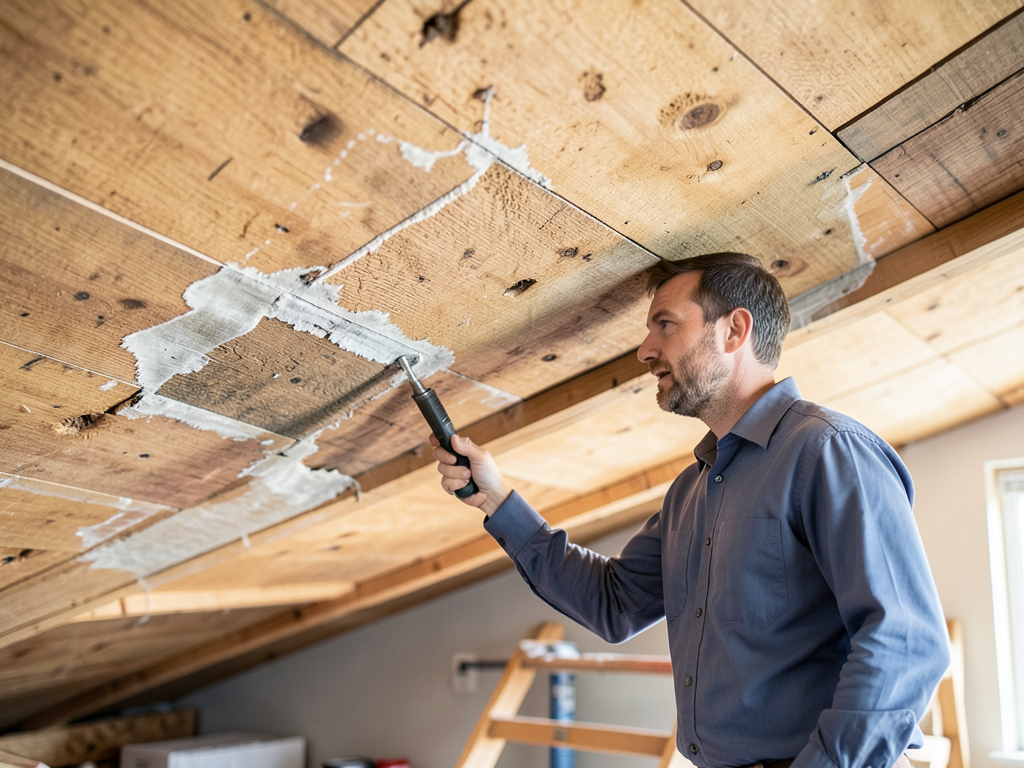
Attic inspection reveals additional evidence. From inside your attic check for daylight showing through roof boards which indicates gaps between delaminated layers. Also examine the underside of plywood for dark water stains mold growth or areas where the wood appears separated into distinct layers.
How Minneapolis Weather Accelerates Roof Deck Failure
Minnesota’s climate creates conditions that destroy roof plywood faster than in most other regions. Understanding these weather-related factors helps explain why that crunching sound appeared in your Prior Lake home.
Freeze-thaw cycles represent the biggest threat to roof decking. When temperatures fluctuate around the freezing point moisture trapped in plywood expands as it freezes and contracts as it thaws. This constant movement breaks down adhesive bonds between wood veneers accelerating delamination.
Summer humidity levels in the Minneapolis area often exceed 80 percent. This moisture-laden air penetrates roof decking through small gaps around nails or flashing. Once inside the moisture gets trapped between plywood layers creating the perfect environment for adhesive failure.
Heavy snow loads common in Prior Lake put additional stress on already weakened roof decks. A single foot of wet snow can weigh over 20 pounds per square foot. When delaminated plywood can’t distribute this weight properly it creates dangerous stress points that worsen the separation between layers.
Ice dam formation on Prior Lake homes typically occurs multiple times each winter. These ice barriers force melting snow under shingles where it contacts the roof deck. The repeated freeze-thaw action from ice dam cycles dramatically accelerates plywood deterioration compared to areas with more consistent winter temperatures.
OSB vs. Plywood What’s Under Your Shingles?
Understanding what type of decking material you have helps predict how quickly delamination might progress. Most Prior Lake homes built before 2000 used traditional plywood while newer constructions often feature oriented strand board (OSB).
Plywood consists of thin wood veneers glued together with alternating grain directions. This cross-lamination provides strength but also creates more potential separation points when adhesive fails. The distinct crunching sound you hear typically comes from plywood delamination as the individual layers separate audibly.
OSB uses wood strands arranged in specific patterns and bonded with resin. While generally more moisture-resistant than older plywood OSB can still delaminate when exposed to prolonged moisture. However OSB failure often sounds more like a dull thud rather than a sharp crunch when walked upon.
CDX plywood common in many Prior Lake homes uses exterior-grade adhesive designed for moisture resistance. However even this higher-quality material can delaminate after decades of Minnesota weather exposure. The CD rating indicates one side is grade C and the other grade D with the X signifying exterior glue.
Modern roof decks often combine plywood with synthetic underlayment for enhanced protection. If your home has this setup delamination might be less severe initially but can still occur at the adhesive layer between the wood and synthetic materials.
Structural Risks of Ignoring Delaminated Plywood
That crunching sound isn’t just annoying—it represents a serious safety hazard that worsens over time. Understanding the risks helps you prioritize repairs before catastrophic failure occurs. Expert Flat Roof Repair Services for Uptown Businesses and Modern Lofts.
Decreased nail-holding power represents the most immediate danger. When plywood delaminates nails lose their grip in the wood layers. This means shingles become more susceptible to wind damage and the entire roof system becomes less stable. In severe cases people walking on the roof have fallen through weakened sections.
Snow load failure poses a significant risk during Minnesota winters. Delaminated plywood can’t properly distribute the weight of heavy snow across your roof’s support structure. This creates dangerous stress points that could lead to partial collapse especially in areas like Prior Lake where seasonal snowfall often exceeds 50 inches.
Mold and mildew growth accelerate when delamination creates moisture pockets within your roof deck. These fungi not only damage the wood further but can also affect your home’s indoor air quality. Prior Lake’s humid summers create ideal conditions for mold growth in compromised roof structures.
Energy efficiency drops significantly when roof decking fails. Gaps between delaminated layers allow conditioned air to escape from your home increasing heating and cooling costs. You might notice your HVAC system running more frequently or rooms feeling drafty near the ceiling.
Professional Inspection What to Expect
Before attempting any repairs yourself schedule a professional inspection to assess the extent of delamination. A qualified roofing contractor can identify issues that aren’t visible from the ground and provide accurate repair recommendations. Trusted Roofing Contractors in St. Louis Park for Shingle Replacement.
During an inspection the contractor will first examine your roof’s exterior for visible signs of damage. They’ll look for wavy patterns missing or damaged shingles and areas where the roof surface appears uneven. Special attention goes to valleys and areas around penetrations where water tends to collect.
Interior attic inspection forms a critical part of the assessment. The inspector climbs into your attic space to examine the underside of the roof deck. They’ll use a moisture meter to detect hidden water damage and check for proper ventilation which affects how quickly delamination progresses.
Core sampling might be necessary for accurate assessment. The inspector removes small sections of shingles and underlayment to examine the plywood directly. This reveals the extent of delamination and helps determine whether spot repairs or complete deck replacement makes more sense. How Much Does a Full Roof Replacement Cost in Bloomington?.
Moisture mapping documents the affected areas throughout your roof system. Using thermal imaging cameras and moisture meters the inspector creates a detailed report showing exactly where delamination exists and how widespread the problem has become.
Repair Options and Cost Factors
Once delamination is confirmed you’ll need to choose between repair approaches based on the damage extent and your budget. Understanding these options helps you make informed decisions about your Prior Lake home.
Spot repairs work for localized delamination affecting less than 10 percent of your roof area. The contractor removes damaged sections and replaces them with new plywood. This approach costs less initially but might not address underlying moisture problems causing the delamination.
Partial deck replacement becomes necessary when delamination affects larger areas but the roof’s overall structure remains sound. This involves removing shingles from affected sections replacing the damaged plywood and reinstalling new roofing materials. Many Prior Lake homeowners choose this option when dealing with 15-30 percent deck damage.
Full roof replacement makes sense when delamination is widespread or your shingles are also nearing the end of their lifespan. This comprehensive approach addresses both the structural and surface issues simultaneously. While more expensive upfront it often proves more cost-effective long-term.
Cost factors include the extent of damage roof accessibility and local building code requirements. Prior Lake homes might need additional ice and water shield installation to meet current Minnesota building standards. The presence of multiple layers of old roofing can also increase removal and disposal costs.
Preventing Future Roof Deck Delamination
After addressing current delamination implementing preventive measures helps protect your investment. These strategies reduce the likelihood of hearing that crunching sound again in the future.
Proper attic ventilation prevents moisture buildup that leads to delamination. Ensure your attic has adequate soffit vents ridge vents or gable vents to promote air circulation. In Prior Lake’s climate this ventilation becomes especially critical during both humid summers and freeze-thaw winter cycles.
Ice dam prevention protects your roof deck from the most damaging moisture intrusion. Install heat cables along eaves improve attic insulation to prevent heat loss and ensure proper sealing around ceiling penetrations. These measures reduce ice dam formation that forces water under shingles.
Regular roof maintenance catches problems early before they escalate into major delamination. Schedule annual inspections clean gutters to prevent ice dam formation and address minor repairs promptly. Many Prior Lake roofing contractors offer maintenance plans that include seasonal check-ups.
Quality underlayment installation provides an additional moisture barrier between shingles and plywood. Modern synthetic underlayments offer superior protection compared to traditional felt paper. When combined with proper flashing installation this creates a comprehensive moisture management system.
When to Call a Professional Immediately
Some delamination situations require immediate professional attention to prevent safety hazards or further damage. Recognizing these emergency scenarios helps you act quickly when needed.
Visible sagging or dipping in your roofline indicates severe structural compromise. When the roof deck can no longer support its own weight plus snow loads it begins to collapse. This situation poses immediate danger to occupants and requires emergency stabilization.
Interior water stains that appear suddenly or grow rapidly suggest active leaks through delaminated areas. When water penetrates compromised roof decking it can damage ceilings walls and electrical systems within hours. This requires immediate professional assessment and temporary protection.
Cracking or popping sounds from your ceiling indicate the roof structure is failing. These noises often precede visible sagging and suggest the roof deck is separating from supporting rafters. This emergency situation requires immediate evacuation of affected areas.
Multiple areas showing delamination signs suggest widespread failure that won’t improve with spot repairs. When crunching sounds occur across large roof sections the entire deck likely needs replacement to ensure structural safety.
Local Building Code Considerations
Roof repairs in Prior Lake must comply with Scott County and Minnesota State building codes. Understanding these requirements helps you ensure your repair project meets all necessary standards.
Ice and water shield requirements have become more stringent in recent years. Current Minnesota building codes mandate ice and water shield installation in specific roof areas including valleys eaves and around penetrations. Prior Lake’s climate makes this protection especially critical.
Plywood thickness requirements vary based on roof pitch and expected snow loads. Scott County typically follows state guidelines requiring minimum 1/2-inch exterior-grade plywood for most residential applications. However areas with higher snow loads might need thicker decking.
Permit requirements apply to most roof replacement projects in Prior Lake. The city requires permits for work affecting the roof’s structural components including deck replacement. Your roofing contractor should handle permit acquisition as part of the project planning.
Ventilation code compliance affects both new installations and repairs. Minnesota building codes specify minimum ventilation ratios based on attic floor area. Proper ventilation prevents future delamination by reducing moisture buildup in roof decking.
Insurance Coverage for Delaminated Roof Decks
Understanding your insurance coverage helps you plan financially for necessary repairs. Most homeowner policies in Prior Lake cover roof damage but specific circumstances affect coverage eligibility.
Storm damage coverage typically includes wind hail and fallen tree impacts that damage roof decking. However gradual deterioration from normal wear and tear usually isn’t covered. The crunching sound from delamination often falls into this uncovered category since it develops over years.
Water damage coverage depends on the source and timing. Sudden leaks from storm damage usually qualify for coverage while long-term moisture intrusion that causes delamination might not. Insurance companies examine maintenance records to determine if damage resulted from neglect.
Documentation requirements affect claim approval. Take photos of the crunching sound demonstration visible damage and any interior water stains. Keep records of professional inspections and maintenance attempts. This documentation supports your claim if coverage is questionable.
Claim filing deadlines vary by policy but typically require reporting damage within specific timeframes. Don’t delay professional assessment if you suspect delamination as waiting could affect both coverage eligibility and the extent of necessary repairs.
Choosing the Right Roofing Contractor
Not all roofing contractors have equal experience with delamination issues specific to Prior Lake’s climate. Selecting the right professional ensures your repair addresses both immediate problems and underlying causes. Choosing the Right Cedar Shake Contractor for Your Minnetonka Home.
Local experience matters significantly for delamination repairs. Contractors familiar with Prior Lake’s specific weather patterns soil conditions and building practices understand the unique challenges your roof faces. They can recommend solutions tailored to local conditions rather than generic approaches.
Proper licensing and insurance protect you during the repair process. Minnesota requires roofing contractors to carry specific insurance coverage and maintain proper licensing. Verify these credentials before hiring anyone to work on your delaminated roof deck.
Warranty offerings indicate contractor confidence in their work. Look for companies providing both material and workmanship warranties on repairs. Be wary of contractors offering unusually long warranties without established local reputations to back them up.
References from Prior Lake homeowners provide valuable insight into contractor reliability. Ask for examples of similar delamination repairs they’ve completed locally. Contact these references to learn about their experiences with the contractor’s communication timeline adherence and cleanup practices.
Long-term Cost Benefits of Timely Repairs
Addressing delamination promptly often costs less than waiting until structural failure occurs. Understanding the financial implications helps you make informed decisions about repair timing.
Energy savings accumulate quickly when you fix compromised roof decking. Delaminated plywood allows conditioned air to escape from your home forcing your HVAC system to work harder. Many Prior Lake homeowners report 15-20 percent reductions in heating and cooling costs after completing necessary roof repairs.
Property value protection becomes critical if you plan to sell your home. Visible roof damage or history of water intrusion can significantly reduce your home’s market value. Addressing delamination before listing your property helps maintain its competitive position in the Prior Lake real estate market.
Insurance premium stability often improves with proper roof maintenance. Some insurance companies offer discounts for homes with recently inspected and maintained roofs. Additionally addressing delamination prevents the gradual damage that could lead to claim denials or premium increases.
Emergency repair avoidance saves substantial money over time. The cost of addressing delamination during planned repairs typically runs 40-60 percent less than emergency repairs needed after structural failure. This difference becomes even more significant when considering potential interior damage from roof collapse.
Frequently Asked Questions
How long can I wait before fixing delaminated roof plywood?
The crunching sound indicates active deterioration that worsens with each freeze-thaw cycle. In Prior Lake’s climate waiting even one winter can double repair costs as moisture damage spreads. Schedule professional assessment within 30 days of noticing the sound.
Can I repair delaminated plywood myself?
DIY repairs on delaminated roof decking pose significant safety risks and often void manufacturer warranties. The weight of wet snow combined with compromised structural integrity creates dangerous conditions. Professional assessment and repair ensure proper safety protocols and code compliance.
Will new shingles fix the crunching sound?
Replacing shingles without addressing underlying delamination provides only temporary improvement. The crunching sound comes from separated plywood layers which continue deteriorating beneath new shingles. Complete deck assessment determines whether spot repairs or full replacement makes more sense.
How much does delamination repair typically cost in Prior Lake?
Repair costs vary based on damage extent with spot repairs starting around $1500 and full deck replacement ranging from $8000 to $15000 for typical Prior Lake homes. Factors include roof pitch accessibility and whether ice and water shield installation is required for code compliance.
Does homeowner’s insurance cover delamination repairs?
Most policies don’t cover gradual deterioration like delamination as it’s considered maintenance-related rather than sudden damage. However if delamination resulted from covered events like storm damage partial coverage might apply. Review your policy and document all damage for insurance assessment.

Take Action Before That Crunch Becomes a Collapse
That crunching sound when walking on your roof isn’t just annoying—it’s a warning sign that your Prior Lake home needs immediate attention. Every freeze-thaw cycle in our Minnesota climate makes the problem worse potentially turning a manageable repair into a dangerous structural failure.
Don’t wait until that minor annoyance becomes a major emergency. The cost of professional assessment and repair is minimal compared to emergency stabilization or interior water damage repairs. Plus addressing delamination promptly protects your home’s value and ensures your family’s safety during heavy snow seasons.
Call Keystone Roofing Minneapolis today at (651) 588-9277 for a comprehensive roof deck inspection. Our local experts understand Prior Lake’s unique climate challenges and can provide accurate assessments of your delamination issues. We’ll explain your repair options clearly and help you choose the solution that best protects your home and budget.
Don’t let that crunching sound become a collapse. Contact us now to schedule your professional inspection and take the first step toward a safe quiet roof over your Prior Lake home.
- Schedule Professional Inspection
Call (651) 588-9277 to arrange a comprehensive assessment of your roof deck condition. Our experts will identify delamination extent and recommend appropriate solutions.
- Review Repair Options
Based on inspection findings choose between spot repairs partial replacement or full roof replacement. We’ll explain cost factors and timeline expectations for each approach.
- Implement Preventive Measures
After repairs install proper ventilation ice and water shield and schedule regular maintenance to prevent future delamination issues in Prior Lake’s challenging climate. For more information, visit International Association of Certified Home Inspectors.
You may also find this helpful. Why Your Inver Grove Heights Home Might Benefit from a Zinc Strip Installation.
You may also find this helpful. How to Negotiate When Buying a Maple Grove Home with an Aging Roof.
{
“@context”: “https://schema.org”,
“@type”: “BlogPosting”,
“headline”: “What a Crunchy Sound When You Walk on Your Roof Means for Your Prior Lake Property”,
“description”: “Hear a crunching sound on your Prior Lake roof? This guide explains what delaminated plywood means, why it’s common in Prior Lake, and how to fix it before structural failure.”,
“wordCount”: 3441,
“datePublished”: “2026-05-28T09:58:00.000Z”,
“dateModified”: “2026-05-28T09:58:00.000Z”,
“inLanguage”: “en-US”,
“mainEntityOfPage”: {
“@type”: “WebPage”,
“@id”: “https://keystoneroofingminneapolis.com”
},
“publisher”: {
“@type”: “LocalBusiness”,
“name”: “Keystone Roofing Minneapolis”,
“url”: “https://keystoneroofingminneapolis.com”
},
“author”: {
“@type”: “Organization”,
“name”: “Keystone Roofing Minneapolis”,
“url”: “https://keystoneroofingminneapolis.com”
},
“image”: {
“@type”: “ImageObject”,
“url”: “https://keystoneroofingminneapolis.com/wp-content/uploads/2026/03/what-a-crunchy-sound-when-you-walk-on-your-roof-me-1.png”
}
}
{
“@context”: “https://schema.org”,
“@type”: “RoofingContractor”,
“name”: “Keystone Roofing Minneapolis”,
“url”: “https://keystoneroofingminneapolis.com”,
“address”: {
“@type”: “PostalAddress”,
“addressLocality”: “Minneapolis”
},
“areaServed”: {
“@type”: “City”,
“name”: “Minneapolis”
}
}
{
“@context”: “https://schema.org”,
“@type”: “FAQPage”,
“mainEntity”: [
{
“@type”: “Question”,
“name”: “OSB vs. Plywood What’s Under Your Shingles?”,
“acceptedAnswer”: {
“@type”: “Answer”,
“text”: “Understanding what type of decking material you have helps predict how quickly delamination might progress. Most Prior Lake homes built before 2000 used traditional plywood while newer constructions often feature oriented strand board (OSB).”
}
},
{
“@type”: “Question”,
“name”: “How long can I wait before fixing delaminated roof plywood?”,
“acceptedAnswer”: {
“@type”: “Answer”,
“text”: “The crunching sound indicates active deterioration that worsens with each freeze-thaw cycle. In Prior Lake’s climate waiting even one winter can double repair costs as moisture damage spreads. Schedule professional assessment within 30 days of noticing the sound.”
}
},
{
“@type”: “Question”,
“name”: “Can I repair delaminated plywood myself?”,
“acceptedAnswer”: {
“@type”: “Answer”,
“text”: “DIY repairs on delaminated roof decking pose significant safety risks and often void manufacturer warranties. The weight of wet snow combined with compromised structural integrity creates dangerous conditions. Professional assessment and repair ensure proper safety protocols and code compliance.”
}
},
{
“@type”: “Question”,
“name”: “Will new shingles fix the crunching sound?”,
“acceptedAnswer”: {
“@type”: “Answer”,
“text”: “Replacing shingles without addressing underlying delamination provides only temporary improvement. The crunching sound comes from separated plywood layers which continue deteriorating beneath new shingles. Complete deck assessment determines whether spot repairs or full replacement makes more sense.”
}
},
{
“@type”: “Question”,
“name”: “How much does delamination repair typically cost in Prior Lake?”,
“acceptedAnswer”: {
“@type”: “Answer”,
“text”: “Repair costs vary based on damage extent with spot repairs starting around $1500 and full deck replacement ranging from $8000 to $15000 for typical Prior Lake homes. Factors include roof pitch accessibility and whether ice and water shield installation is required for code compliance.”
}
},
{
“@type”: “Question”,
“name”: “Does homeowner’s insurance cover delamination repairs?”,
“acceptedAnswer”: {
“@type”: “Answer”,
“text”: “Most policies don’t cover gradual deterioration like delamination as it’s considered maintenance-related rather than sudden damage. However if delamination resulted from covered events like storm damage partial coverage might apply. Review your policy and document all damage for insurance assessment.”
}
}
]
}
{
“@context”: “https://schema.org”,
“@type”: “HowTo”,
“name”: “How to Address Roof Deck Delamination”,
“step”: [
{
“@type”: “HowToStep”,
“position”: 1,
“name”: “Schedule Professional Inspection”,
“text”: “Call (651) 588-9277 to arrange a comprehensive assessment of your roof deck condition. Our experts will identify delamination extent and recommend appropriate solutions.”
},
{
“@type”: “HowToStep”,
“position”: 2,
“name”: “Review Repair Options”,
“text”: “Based on inspection findings choose between spot repairs partial replacement or full roof replacement. We’ll explain cost factors and timeline expectations for each approach.”
},
{
“@type”: “HowToStep”,
“position”: 3,
“name”: “Implement Preventive Measures”,
“text”: “After repairs install proper ventilation ice and water shield and schedule regular maintenance to prevent future delamination issues in Prior Lake’s challenging climate. For more information, visit International Association of Certified Home Inspectors.”
}
],
“image”: “https://keystoneroofingminneapolis.com/wp-content/uploads/2026/03/what-a-crunchy-sound-when-you-walk-on-your-roof-me-1.png”
}
{
“@context”: “https://schema.org”,
“@type”: “BreadcrumbList”,
“itemListElement”: [
{
“@type”: “ListItem”,
“position”: 1,
“name”: “Home”,
“item”: “https://keystoneroofingminneapolis.com”
},
{
“@type”: “ListItem”,
“position”: 2,
“name”: “Blog”,
“item”: “https://keystoneroofingminneapolis.com/blog”
},
{
“@type”: “ListItem”,
“position”: 3,
“name”: “What a Crunchy Sound When You Walk on Your Roof Means for Your Prior Lake Property”
}
]
}
{
“@context”: “https://schema.org”,
“@type”: “Service”,
“serviceType”: “Roofing”,
“provider”: {
“@type”: “LocalBusiness”,
“name”: “Keystone Roofing Minneapolis”,
“url”: “https://keystoneroofingminneapolis.com”
},
“areaServed”: {
“@type”: “City”,
“name”: “Minneapolis”
},
“description”: “Hear a crunching sound on your Prior Lake roof? This guide explains what delaminated plywood means, why it’s common in Prior Lake, and how to fix it before structural failure.”
}
