
What Happens to Your Roof if You Wait Too Long After a Brooklyn Center Hail Storm?
The first 24 hours after a hail storm in Brooklyn Center can determine whether your roof needs a simple repair or a complete replacement. Small hail impacts create microscopic cracks in asphalt shingles that water immediately begins to exploit. These tiny entry points expand with every freeze-thaw cycle that Minnesota winters deliver. What starts as a $500 repair can quickly escalate to a $15,000 emergency replacement if you wait. EPA mold information.
Brooklyn Center homes face unique challenges because of their proximity to the Mississippi River valley. The area experiences rapid temperature swings that accelerate roof deterioration. When hail damage goes unaddressed, water seeps into the underlayment and wood decking. This moisture creates the perfect environment for mold growth and wood rot. The damage spreads silently through your attic space where you cannot see it until water stains appear on your ceiling. Storm Damage Roof Inspections in Plymouth – What to Look for After a Major Storm.
Local building codes require specific ice and water shield installation in Brooklyn Center due to the severe winter weather patterns. If your roof already has compromised areas from hail, the standard moisture barrier cannot protect against the ice dams that form along roof edges. These ice dams force melting snow back under shingles, creating leaks even in areas that appeared undamaged after the storm.. Read more about Can You Actually Install a New Roof in the Middle of a Minnesota Winter?.
The cost difference between immediate action and delayed response becomes dramatic when you examine the progression of damage. A single compromised shingle allows water to reach the decking within hours. Once wood absorbs moisture it begins to swell and lose structural integrity. This process accelerates when temperatures fluctuate above and below freezing, which happens frequently in Brooklyn Center from October through April.. Read more about Understanding the Difference Between RCV and ACV Insurance Policies Before Your Next Roof Claim.
The Financial Impact of Delayed Roof Repairs
Understanding the true cost of waiting helps homeowners make informed decisions. The following comparison shows how damage progression affects repair costs over time in the Minneapolis area. Expert Flat Roof Repair Services for Uptown Businesses and Modern Lofts.
| Timeline After Hail Damage | Typical Damage Found | Estimated Repair Cost Range |
|---|---|---|
| 0-30 days | Cracked shingles, minor granule loss | $300 – $800 |
| 31-90 days | Underlayment exposure, small leaks | $1,000 – $3,500 |
| 91-180 days | Wood rot beginning, insulation damage | $4,000 – $8,000 |
| 181+ days | Structural damage, mold growth | $10,000 – $25,000+ |
Brooklyn Center homeowners who wait beyond the first frost often face compound damage from ice dam formation. The freeze-thaw cycles common to Minnesota create pressure that forces water deeper into compromised areas. What might have been a simple shingle replacement becomes a full roof deck replacement when wood deteriorates beyond repair. How Much Does a Full Roof Replacement Cost in Bloomington?.
Ice Dams and Winter Weather Complications
Ice dams form when heat escapes through your attic and melts snow on the roof surface. The water runs down to the colder eaves where it refreezes. This creates a barrier that traps additional melting snow. When your roof already has hail damage, ice dams find those weak points and force water under shingles.
Brooklyn Center experiences an average of 54 inches of snow annually. This heavy snow load combined with ice dam formation creates tremendous pressure on compromised roof structures. The weight of wet snow can reach 20 pounds per square foot. When this weight bears down on weakened decking, the risk of structural failure increases significantly.
Local weather patterns in Brooklyn Center create conditions where ice dams can form even on properly ventilated roofs. When hail damage provides additional entry points, the problem multiplies. Water that gets under shingles during the day freezes at night, expanding and creating larger gaps. This freeze-thaw cycle repeats daily throughout the winter months.
Mold Growth and Indoor Air Quality Risks
Mold begins growing within 24 to 48 hours of water exposure. Once established in attic spaces, mold spreads rapidly through insulation and wooden structures. Brooklyn Center homes with hail damage face increased mold risks due to the region’s high humidity levels during summer months.
Black mold, specifically Stachybotrys chartarum, thrives in the dark moist conditions found in attics with roof leaks. This toxic mold releases spores that can cause respiratory problems, allergic reactions, and other health issues. The cost to remediate mold damage often exceeds the original roof repair costs by three to five times.
Attic ventilation plays a crucial role in preventing moisture buildup. When hail damage compromises the roof’s integrity, even proper ventilation cannot prevent water intrusion. The combination of trapped moisture and warm attic temperatures creates ideal conditions for mold colonization throughout the winter months.
Energy Efficiency and Heating Cost Increases
Water-damaged insulation loses its R-value rapidly. Fiberglass insulation can lose up to 40 percent of its insulating properties when wet. This means your heating system must work harder to maintain comfortable temperatures during Brooklyn Center’s harsh winters.
The average Minneapolis area home spends $1,500 to $2,500 annually on heating. When roof damage leads to wet insulation, heating costs can increase by 20 to 30 percent. This translates to an additional $300 to $750 per year in energy expenses while you wait to address the roof damage.
Beyond direct energy costs, compromised insulation forces HVAC systems to run longer cycles. This additional wear reduces equipment lifespan and increases maintenance costs. A furnace that might last 15 to 20 years may need replacement after only 10 to 12 years when constantly working to overcome heat loss through damaged roofing. Trusted Roofing Contractors in St. Louis Park for Shingle Replacement.
Insurance Implications and Claim Denials
Minnesota insurance policies contain specific clauses about maintenance and neglect. Most policies cover sudden damage from storms but exclude damage resulting from failure to perform necessary repairs. If you delay addressing hail damage and subsequent leaks cause additional problems, your insurance company may deny coverage for the secondary damage. Commercial Roof Maintenance.
The standard claims process requires documentation of damage extent and timeline. Insurance adjusters look for evidence of ongoing neglect versus sudden storm damage. Photos showing water stains that developed over months rather than immediately after a storm can trigger claim denials.
Brooklyn Center homeowners should document hail damage immediately after storms. Clear photos showing date stamps and visible damage provide crucial evidence if you need to file a claim later. Waiting even a few weeks can make it difficult to prove that damage resulted from the initial storm rather than poor maintenance.
Structural Integrity and Safety Concerns
Roof decking consists of plywood or oriented strand board sheets that form the structural base for your roofing system. When water penetrates through damaged shingles, it weakens these wood panels. Wet wood loses up to 60 percent of its structural strength.. Read more about How to Verify a Minnesota Roofing License and Insurance Coverage Before You Sign Anything.
Beyond immediate collapse risks, water-damaged decking creates fire hazards. Electrical wiring often runs through attic spaces. Water contact with wiring can cause shorts, sparks, and potential fires. The combination of water-damaged wood and electrical faults creates dangerous conditions that many homeowners never consider.
Brooklyn Center’s older homes built before modern building codes may have additional vulnerabilities. These structures often feature thinner decking materials and less robust framing. When hail damage combines with the area’s heavy snow loads, the risk of structural failure increases substantially.
Pest Infestation Risks
Small openings created by hail damage invite pest problems. Minnesota’s cold winters drive rodents to seek warm shelter. A hole the size of a dime provides entry for mice. Once inside, these pests damage insulation, wiring, and wooden structures.
Squirrels pose particular problems for Brooklyn Center homes. These animals can chew through damaged areas to create larger entry points. Once established in attics, squirrels build nests, create noise disturbances, and damage stored items. The cost to remove established pest infestations often exceeds $500 and may require additional repairs to seal entry points.
Insect infestations represent another concern. Carpenter ants and termites are attracted to moist wood conditions created by roof leaks. These pests can cause extensive structural damage while remaining hidden within walls and attic spaces. Early intervention prevents costly extermination and repair bills.
Property Value and Resale Implications
Unresolved roof damage affects property values significantly. Home inspectors routinely check roofing conditions during sales transactions. Visible signs of damage or neglect can derail real estate deals or reduce sale prices by thousands of dollars.
Brooklyn Center’s competitive housing market means buyers have many options. Properties with known roof issues often sit longer on the market or sell for less than comparable homes in good condition. The cost of addressing roof damage before listing typically returns more than the investment through higher sale prices and faster transactions.
Beyond direct financial impacts, unresolved roof damage creates liability concerns for sellers. Minnesota law requires disclosure of known material defects. Failure to disclose roof damage can lead to legal action after sale completion, creating additional costs and stress for sellers.
Seasonal Timing and Contractor Availability
Roofing contractors in Brooklyn Center experience peak demand during summer months following storm seasons. Waiting until problems become severe often means longer wait times for repairs. Emergency repairs during winter months may cost 25 to 50 percent more due to weather complications and limited availability.
Spring and fall represent ideal times for roof repairs in Minnesota. Moderate temperatures allow proper shingle sealing and adhesive curing. Contractors can work more efficiently without extreme heat or cold affecting installation quality. Planning repairs during these seasons often results in better pricing and scheduling flexibility.
Local building permit requirements add another layer of timing considerations. Brooklyn Center requires permits for most roofing work. Permit processing times vary by season, with longer waits during peak construction months. Starting the permit process early ensures your repairs can begin when weather conditions are optimal.
Preventive Measures and Early Detection
Regular roof inspections help identify hail damage before it causes major problems. Professional inspectors use specialized tools to detect moisture in decking and underlayment. These inspections typically cost $150 to $300 but can prevent thousands in future repairs.
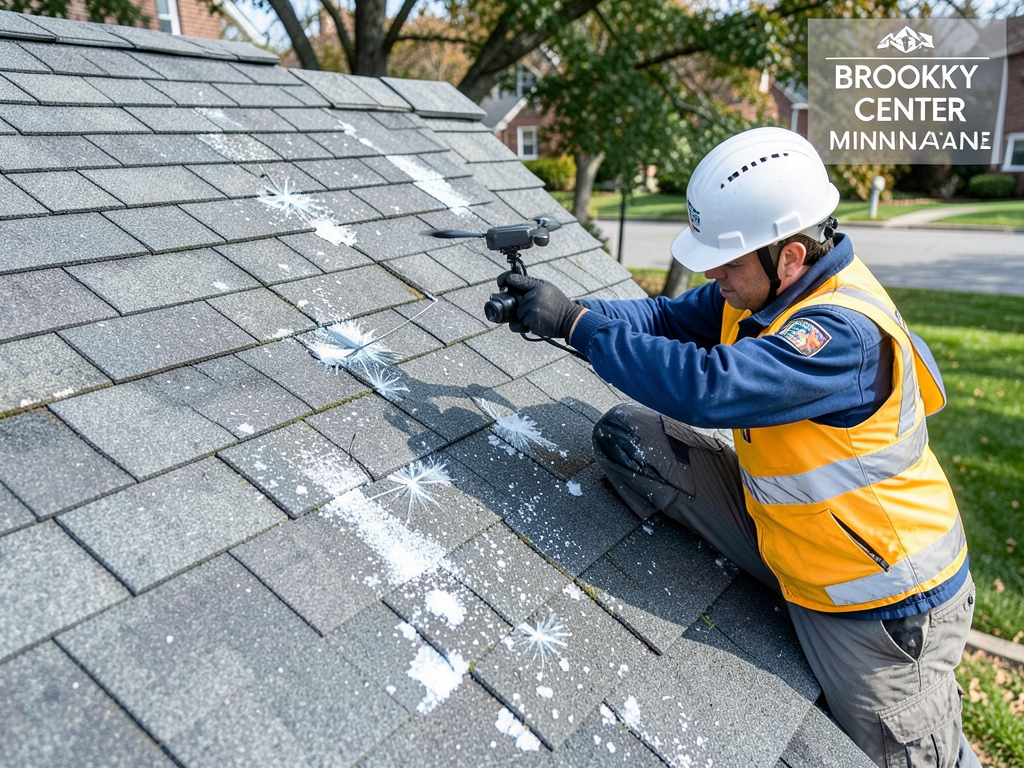
Homeowners can perform basic visual checks after storms. Look for missing granules on shingles, dented vents or flashing, and damaged gutters. However, many hail impacts are not visible from ground level. Professional inspections using drones or close-up photography reveal damage that untrained eyes miss.
Maintaining clean gutters and proper attic ventilation supports roof longevity. Clogged gutters contribute to ice dam formation, while poor ventilation traps moisture in attic spaces. These maintenance tasks cost little but provide significant protection against weather-related damage.
Cost-Benefit Analysis of Immediate vs. Delayed Action
The following analysis compares the total costs of addressing hail damage immediately versus waiting for problems to develop.
| Scenario | Initial Cost | Additional Costs Over 2 Years | Total 2-Year Cost |
|---|---|---|---|
| Immediate Repair | $800 – $1,500 | Minimal | $800 – $1,500 |
| Delayed Repair | $0 | $3,000 – $8,000 (structural damage, mold) | $3,000 – $8,000+ |
The data shows that immediate action typically costs less than waiting, even when considering the initial repair expense. Delayed repairs often require additional work to address secondary damage, making the total cost substantially higher.
Local Building Code Requirements
Minnesota State Building Code mandates specific requirements for roofing installations in Brooklyn Center. These include minimum underlayment specifications, ice and water shield requirements, and ventilation standards. When hail damage compromises existing roofing, repairs must meet current code requirements.
Ice and water shield installation is mandatory in Minnesota for roof areas extending three feet from exterior walls. This waterproof membrane prevents ice dam damage but cannot compensate for existing hail damage. Repairs must address both the original damage and provide proper moisture protection according to current standards.
Permit requirements add another consideration for timing repairs. Brooklyn Center building officials review roofing permits to ensure compliance with local amendments to state codes. These reviews can take several days to weeks depending on seasonal demand. Planning repairs with permit timelines in mind prevents weather-related delays.
Making the Right Decision for Your Home
Deciding whether to repair hail damage immediately requires weighing several factors. Consider your roof’s age, the extent of visible damage, upcoming weather forecasts, and your financial situation. Homes with roofs older than 15 years often benefit from immediate repairs to maximize remaining lifespan.
Brooklyn Center’s weather patterns create urgency for timely repairs. The area experiences an average of 30 days annually with temperatures below 0°F. These extreme cold periods accelerate damage progression in compromised roofing systems. Waiting until spring often means dealing with additional winter-related damage.
Professional roofing contractors provide detailed assessments that help homeowners make informed decisions. These assessments include damage documentation, repair recommendations, and cost estimates. Quality contractors explain their findings and help you understand the consequences of different repair timing options.
Taking Action Before It’s Too Late
Every day you wait after hail damage increases the risk of costly secondary problems. Water intrusion, mold growth, structural damage, and energy inefficiency all escalate with time. Brooklyn Center homeowners face unique challenges from the area’s climate and building requirements.
Professional roof inspections provide peace of mind and prevent costly surprises. These inspections identify problems while they remain manageable and affordable to fix. The cost of an inspection pales compared to emergency repairs needed after waiting too long.
Your roof protects everything inside your home. Delaying necessary repairs puts your family’s health, your property’s value, and your financial security at risk. Take action today to prevent tomorrow’s emergencies.
Frequently Asked Questions
How long can I safely wait after hail damage to repair my roof?
You should address hail damage within 30 days whenever possible. Minnesota’s freeze-thaw cycles accelerate water intrusion through compromised shingles. Waiting beyond 90 days often results in secondary damage that voids insurance coverage and significantly increases repair costs.
Will my insurance cover damage that gets worse over time?
Most Minnesota insurance policies cover sudden storm damage but exclude damage from neglect or lack of maintenance. If you delay repairs and secondary damage occurs, your claim may be denied. Document damage immediately and file claims promptly to maximize coverage.
How can I tell if my roof has hail damage without climbing on it?
Look for dented or damaged gutters, dented vents and flashing, and granules collecting in downspouts. Check for water stains on ceilings or walls inside your home. However, many hail impacts are not visible from ground level. Professional inspections using drones or close-up photography reveal damage that untrained eyes miss.
What makes Brooklyn Center roofs more vulnerable to hail damage?
Brooklyn Center’s proximity to the Mississippi River valley creates rapid temperature swings that stress roofing materials. The area experiences frequent freeze-thaw cycles that expand existing damage. Local building codes require specific ice and water shield installation, but this protection cannot compensate for pre-existing hail damage.
How much does a professional roof inspection cost in Brooklyn Center?
Professional roof inspections in Brooklyn Center typically cost $150 to $300. Many contractors offer free inspections if you proceed with recommended repairs. The inspection cost is minimal compared to the potential savings from catching problems early before they require expensive emergency repairs.
- Document the Damage
Take clear photos of all visible damage immediately after the storm. Include date stamps and wide-angle shots showing the extent of impact areas. This documentation proves crucial for insurance claims and repair assessments.
- Schedule a Professional Inspection
Contact a licensed roofing contractor within 48 hours of the storm. Professional inspectors use specialized tools to detect moisture in decking and underlayment that you cannot see from ground level. Early detection prevents costly secondary damage.
- Review Insurance Coverage
Check your policy for hail damage coverage and filing deadlines. Most Minnesota policies require claims to be filed within one year of damage occurrence. Understanding your coverage helps you make informed repair decisions.
- Obtain Multiple Repair Estimates
Get detailed written estimates from at least three licensed contractors. Compare not just prices but also warranty offerings, material specifications, and contractor experience with Minnesota weather conditions. Quality repairs prevent future problems.
- Schedule Repairs Promptly
Book repairs during optimal weather conditions. Spring and fall offer ideal temperatures for proper shingle installation and sealing. Waiting until problems worsen often means higher costs and longer wait times for emergency repairs.
Don’t let hail damage turn into a costly emergency. Call Keystone Roofing Minneapolis at (651) 588-9277 today for a professional roof inspection. Our experienced team understands Brooklyn Center’s unique weather challenges and building requirements. We provide honest assessments and quality repairs that protect your home and family. Schedule your inspection now before minor damage becomes a major problem. For more information, visit FEMA hail damage protection.
You may also find this helpful. Why Stone Coated Steel is the Secret Weapon Against Hail for Homeowners in Medina and Hamel.
You may also find this helpful. How to Measure Hail Size and Know if Your Burnsville Roof is Actually Damaged.
{
“@context”: “https://schema.org”,
“@type”: “BlogPosting”,
“headline”: “What Happens to Your Roof if You Wait Too Long After a Brooklyn Center Hail Storm?”,
“description”: “Learn how delaying roof repairs after hail damage in Brooklyn Center leads to structural issues, mold, and higher costs. Protect your home before winter hits.”,
“wordCount”: 2736,
“datePublished”: “2026-04-25T10:21:00.000Z”,
“dateModified”: “2026-04-25T10:21:00.000Z”,
“inLanguage”: “en-US”,
“mainEntityOfPage”: {
“@type”: “WebPage”,
“@id”: “https://keystoneroofingminneapolis.com”
},
“publisher”: {
“@type”: “LocalBusiness”,
“name”: “Keystone Roofing Minneapolis”,
“url”: “https://keystoneroofingminneapolis.com”
},
“author”: {
“@type”: “Organization”,
“name”: “Keystone Roofing Minneapolis”,
“url”: “https://keystoneroofingminneapolis.com”
},
“image”: {
“@type”: “ImageObject”,
“url”: “https://keystoneroofingminneapolis.com/wp-content/uploads/2026/03/what-happens-to-your-roof-if-you-wait-too-long-aft-1.png”
}
}
{
“@context”: “https://schema.org”,
“@type”: “RoofingContractor”,
“name”: “Keystone Roofing Minneapolis”,
“url”: “https://keystoneroofingminneapolis.com”,
“address”: {
“@type”: “PostalAddress”,
“addressLocality”: “Minneapolis”
},
“areaServed”: {
“@type”: “City”,
“name”: “Minneapolis”
}
}
{
“@context”: “https://schema.org”,
“@type”: “FAQPage”,
“mainEntity”: [
{
“@type”: “Question”,
“name”: “How long can I safely wait after hail damage to repair my roof?”,
“acceptedAnswer”: {
“@type”: “Answer”,
“text”: “You should address hail damage within 30 days whenever possible. Minnesota’s freeze-thaw cycles accelerate water intrusion through compromised shingles. Waiting beyond 90 days often results in secondary damage that voids insurance coverage and significantly increases repair costs.”
}
},
{
“@type”: “Question”,
“name”: “Will my insurance cover damage that gets worse over time?”,
“acceptedAnswer”: {
“@type”: “Answer”,
“text”: “Most Minnesota insurance policies cover sudden storm damage but exclude damage from neglect or lack of maintenance. If you delay repairs and secondary damage occurs, your claim may be denied. Document damage immediately and file claims promptly to maximize coverage.”
}
},
{
“@type”: “Question”,
“name”: “How can I tell if my roof has hail damage without climbing on it?”,
“acceptedAnswer”: {
“@type”: “Answer”,
“text”: “Look for dented or damaged gutters, dented vents and flashing, and granules collecting in downspouts. Check for water stains on ceilings or walls inside your home. However, many hail impacts are not visible from ground level. Professional inspections using drones or close-up photography reveal damage that untrained eyes miss.”
}
},
{
“@type”: “Question”,
“name”: “What makes Brooklyn Center roofs more vulnerable to hail damage?”,
“acceptedAnswer”: {
“@type”: “Answer”,
“text”: “Brooklyn Center’s proximity to the Mississippi River valley creates rapid temperature swings that stress roofing materials. The area experiences frequent freeze-thaw cycles that expand existing damage. Local building codes require specific ice and water shield installation, but this protection cannot compensate for pre-existing hail damage.”
}
},
{
“@type”: “Question”,
“name”: “How much does a professional roof inspection cost in Brooklyn Center?”,
“acceptedAnswer”: {
“@type”: “Answer”,
“text”: “Professional roof inspections in Brooklyn Center typically cost $150 to $300. Many contractors offer free inspections if you proceed with recommended repairs. The inspection cost is minimal compared to the potential savings from catching problems early before they require expensive emergency repairs.”
}
}
]
}
{
“@context”: “https://schema.org”,
“@type”: “HowTo”,
“name”: “How to Protect Your Roof After Hail Damage”,
“step”: [
{
“@type”: “HowToStep”,
“position”: 1,
“name”: “Document the Damage”,
“text”: “Take clear photos of all visible damage immediately after the storm. Include date stamps and wide-angle shots showing the extent of impact areas. This documentation proves crucial for insurance claims and repair assessments.”
},
{
“@type”: “HowToStep”,
“position”: 2,
“name”: “Schedule a Professional Inspection”,
“text”: “Contact a licensed roofing contractor within 48 hours of the storm. Professional inspectors use specialized tools to detect moisture in decking and underlayment that you cannot see from ground level. Early detection prevents costly secondary damage.”
},
{
“@type”: “HowToStep”,
“position”: 3,
“name”: “Review Insurance Coverage”,
“text”: “Check your policy for hail damage coverage and filing deadlines. Most Minnesota policies require claims to be filed within one year of damage occurrence. Understanding your coverage helps you make informed repair decisions.”
},
{
“@type”: “HowToStep”,
“position”: 4,
“name”: “Obtain Multiple Repair Estimates”,
“text”: “Get detailed written estimates from at least three licensed contractors. Compare not just prices but also warranty offerings, material specifications, and contractor experience with Minnesota weather conditions. Quality repairs prevent future problems.”
},
{
“@type”: “HowToStep”,
“position”: 5,
“name”: “Schedule Repairs Promptly”,
“text”: “Book repairs during optimal weather conditions. Spring and fall offer ideal temperatures for proper shingle installation and sealing. Waiting until problems worsen often means higher costs and longer wait times for emergency repairs.”
}
],
“image”: “https://keystoneroofingminneapolis.com/wp-content/uploads/2026/03/what-happens-to-your-roof-if-you-wait-too-long-aft-1.png”
}
{
“@context”: “https://schema.org”,
“@type”: “BreadcrumbList”,
“itemListElement”: [
{
“@type”: “ListItem”,
“position”: 1,
“name”: “Home”,
“item”: “https://keystoneroofingminneapolis.com”
},
{
“@type”: “ListItem”,
“position”: 2,
“name”: “Blog”,
“item”: “https://keystoneroofingminneapolis.com/blog”
},
{
“@type”: “ListItem”,
“position”: 3,
“name”: “What Happens to Your Roof if You Wait Too Long After a Brooklyn Center Hail Storm?”
}
]
}
{
“@context”: “https://schema.org”,
“@type”: “Service”,
“serviceType”: “Roofing”,
“provider”: {
“@type”: “LocalBusiness”,
“name”: “Keystone Roofing Minneapolis”,
“url”: “https://keystoneroofingminneapolis.com”
},
“areaServed”: {
“@type”: “City”,
“name”: “Minneapolis”
},
“description”: “Learn how delaying roof repairs after hail damage in Brooklyn Center leads to structural issues, mold, and higher costs. Protect your home before winter hits.”
}
