
What Those Annoying Nail Pops on Your Bloomington Roof Actually Mean
You walk into your attic and notice small bumps pushing up through your shingles. Or you see tiny raised areas on your roof from the ground. These are nail pops and they’re more than just a cosmetic issue in Bloomington homes.
Nail pops happen when roofing nails back out of the roof deck, pushing shingles upward. In Bloomington’s climate with extreme temperature swings, this problem shows up frequently. Understanding what nail pops mean can save you from costly water damage later. Storm Damage Roof Inspections in Plymouth – What to Look for After a Major Storm.
What Are Roof Nail Pops?
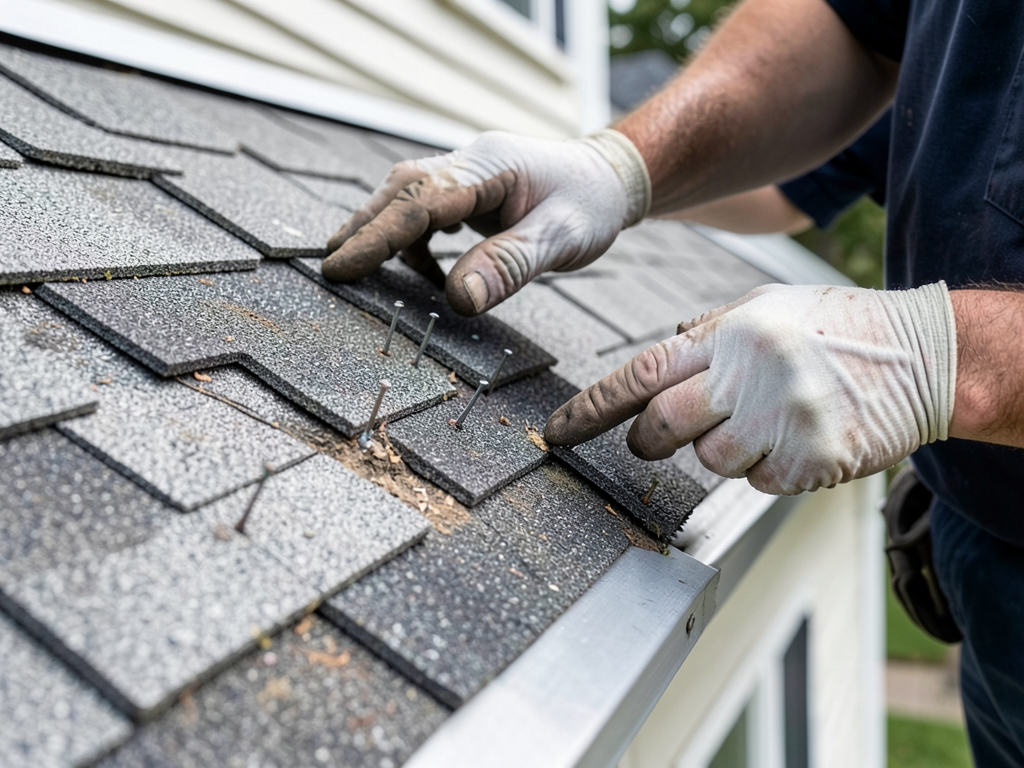
Nail pops occur when fasteners used to secure roofing materials work their way out of the wood deck. The nail head pushes against the shingle above it, creating a visible bump or bubble. You might notice these as small raised areas on your roof surface or feel them when walking in your attic. Trusted Roofing Contractors in St. Louis Park for Shingle Replacement.
In Bloomington homes, nail pops typically appear as:
- Small circular bumps in shingle lines
- Areas where granules seem missing or displaced
- Visible nail heads through damaged shingles
- Raised sections that catch leaves and debris
These aren’t just aesthetic problems. Each nail pop creates a potential entry point for water, especially during Bloomington’s heavy spring rains and winter snow melt.. Read more about Why a Tiny Water Spot on Your Eagan Ceiling is a Real Emergency.
Why Nail Pops Are Common in Minnesota
Minnesota’s climate creates perfect conditions for nail pops. Bloomington experiences temperature swings from -20°F in winter to over 90°F in summer. This 110-degree variation causes materials to expand and contract dramatically.
Roof decking materials like plywood and OSB move with temperature changes. When nails are driven in during moderate weather, they become loose as the wood shrinks in winter cold or expands in summer heat. The constant cycling weakens the nail’s grip over time.
Humidity also plays a role. Bloomington’s summer humidity causes wood to absorb moisture and swell. When winter arrives, the moisture freezes and the wood contracts, loosening fasteners further. This freeze-thaw cycle repeats annually, gradually backing nails out of their holes.
Ice dam formation worsens the problem. When ice builds up along roof edges, melting water seeps under shingles. This moisture can rot wood decking from below, creating soft spots where nails lose their grip entirely.
Top 4 Causes of Nail Pops
Understanding why nail pops happen helps prevent them. Here are the four main culprits we see in Bloomington homes:
1. Incorrect Nail Length or Type
Using nails that are too short fails to penetrate deep enough into the roof deck. These nails lack sufficient holding power and back out easily. Conversely, nails that are too long can split the wood, weakening the grip area.
Ring-shank nails provide better holding power than smooth-shank nails. Many budget installations use smooth nails to cut costs, leading to premature nail pop failures.
2. Poor Attic Ventilation
Minnesota building codes require specific ventilation ratios for attics. Poor ventilation traps heat and moisture in the attic space. This creates several problems:
- Heat buildup softens asphalt shingles from below
- Moisture condenses on the underside of decking
- Wood expands and contracts more dramatically
- Nail holes widen as wood repeatedly swells and shrinks
Many older Bloomington homes lack adequate ventilation, accelerating nail pop formation.
3. Moisture in the Roof Deck
Water intrusion from ice dams, poor flashing, or bathroom exhaust vents creates moisture problems. Wet wood expands, then contracts when it dries. This constant movement loosens fasteners over time.
OSB decking is particularly susceptible to moisture damage. Unlike plywood, OSB can delaminate when wet, creating uneven surfaces that prevent nails from holding properly.
4. Seasonal Temperature Fluctuations
Bloomington’s climate subjects roofs to extreme temperature changes. A 40-degree day followed by a 20-degree night causes significant material movement. Over years, this cycling works nails loose even in properly installed roofs.
Dark shingles absorb heat, creating temperature differences between the surface and the deck below. This differential expansion contributes to nail loosening.
How to Identify a Nail Pop
Spotting nail pops early prevents water damage. Here’s what to look for:
Visual Signs:
- Small circular bumps in shingle patterns
- Missing or displaced granules around raised areas
- Cracks in shingles above nail locations
- Debris accumulation in small depressions
Physical Signs:
- Soft spots when walking on the roof
- Shingles that lift easily at edges
- Visible nail heads through damaged shingles
- Water stains on interior ceilings below roof areas
Attic Signs:
- Protruding nail heads visible from below
- Daylight visible through roof holes
- Water stains on rafters or decking
- Moisture or mold on underside of roof deck
Early detection is crucial. A single nail pop might seem minor, but multiple pops indicate systemic problems requiring professional attention.
The Dangers of Ignoring Nail Pops
Nail pops create pathways for water intrusion. In Bloomington’s climate, this leads to several serious problems:
Water Damage Progression:
Water enters through nail holes, travels along rafters, and damages ceilings, walls, and insulation. What starts as a small leak can destroy drywall, ruin insulation, and create perfect conditions for mold growth.
Structural Risks:
Wood rot from chronic moisture exposure weakens roof decking. Soft spots develop where multiple nails have backed out. This compromises the roof’s ability to withstand Bloomington’s heavy snow loads and summer storms.
Wind Uplift Vulnerability:
Nail pops create loose shingle areas. During summer thunderstorms with 60+ mph winds, these weakened sections lift and tear. One missing shingle often leads to adjacent shingle failure, creating larger repair areas. EPA Indoor Air Quality Guidelines.
Energy Efficiency Impact:
Water-damaged insulation loses R-value. Gaps around nail pops allow conditioned air to escape, increasing heating and cooling costs. In Minnesota’s climate, this inefficiency significantly impacts utility bills.
Repair vs. Replacement: Making the Right Choice
Not every nail pop situation requires a full roof replacement. Here’s how to determine the best approach for your Bloomington home: How Much Does a Full Roof Replacement Cost in Bloomington?.
When Simple Repair Works:
- Fewer than 10 nail pops across the entire roof
- Roof age under 10 years
- Surrounding shingles in good condition
- No signs of widespread water damage
- Recent professional installation with quality materials
Professional repair involves:
- Removing affected shingles carefully
- Resecuring nails with proper ring-shank fasteners
- Applying roofing cement around nail heads
- Replacing damaged shingles with matching materials
- Sealing around repaired areas to prevent future water intrusion
When Replacement Is Necessary:
- Multiple nail pops (20+ across roof)
- Roof age exceeding 15-20 years
- Widespread granule loss or cracking
- Evidence of decking rot or structural damage
- Multiple leak locations beyond nail pops
- Previous repairs that didn’t address underlying issues
Cost Considerations for Bloomington Homeowners:
Simple nail pop repairs typically cost $150-300 per area, depending on accessibility and damage extent. Full roof replacement for an average Bloomington home ranges from $8,000-15,000, varying by roof size, pitch, and material selection. Expert Flat Roof Repair Services for Uptown Businesses and Modern Lofts.
Investing in quality repairs extends roof life and prevents the higher costs of water damage restoration, which can exceed $5,000 for a single room.
Professional Repair Techniques That Last
DIY nail pop fixes often fail because they don’t address root causes. Professional repairs include these critical steps:
Proper Assessment:
Technicians inspect attic ventilation, decking condition, and surrounding shingle integrity. They identify whether nail pops are isolated incidents or symptoms of larger problems like poor installation or ventilation issues.
Correct Fastener Selection:
Professionals use ring-shank nails specifically designed for roofing applications. These provide 40% more holding power than standard smooth-shank nails. They also ensure proper nail length for your specific decking material.
Sealing Techniques:
Quality repairs include roofing cement application around each nail head. This creates a water-tight seal that prevents moisture intrusion even if nails work loose slightly over time.
Shingle Replacement:</n
Damaged shingles are carefully removed and replaced with matching materials. Professionals ensure proper alignment and sealing to prevent wind uplift and water infiltration.
Ventilation Improvements:
If poor ventilation contributed to nail pops, professionals recommend and install proper intake and exhaust vents. This prevents future moisture and heat buildup that loosens fasteners.
Preventing Nail Pops in Your Bloomington Home
Prevention is more cost-effective than repairs. Here are strategies to minimize nail pop formation:
Quality Installation Matters:
Choose contractors who follow Minnesota building codes and manufacturer specifications. Proper nailing patterns, correct fastener types, and appropriate spacing prevent many nail pop issues.
Ventilation Upgrades:
Ensure your attic has balanced ventilation. Minnesota requires 1 square foot of net free ventilation area per 150 square feet of attic floor space. Proper ventilation keeps decking dry and prevents thermal expansion that loosens nails.
Regular Inspections:
Schedule professional roof inspections every 2-3 years. Early detection of nail pops, loose flashing, or ventilation issues prevents minor problems from becoming major repairs.
Ice Dam Prevention:
Install ice and water shield along eaves where ice dams form. This self-adhering underlayment prevents water backup even if shingles are compromised. Proper attic insulation also reduces ice dam formation by keeping roof surfaces cold.
Material Selection:
Choose quality underlayment and flashing materials. Synthetic underlayments resist moisture better than traditional felt. Copper or stainless steel flashing lasts longer than aluminum in Minnesota’s harsh climate.
Local Building Code Requirements
Minnesota building codes address many factors that contribute to nail pops. Understanding these requirements helps ensure your roof meets standards:
Ventilation Standards:
Minnesota residential code requires minimum 1:150 ventilation ratio for roofs with vapor barriers, 1:300 without. This ensures adequate airflow to prevent moisture buildup that loosens fasteners.
Ice and Water Shield:
Codes require ice and water shield extending at least 24 inches inside the exterior wall line in Climate Zone 6 (which includes Bloomington). This protects against ice dam water backup that causes decking rot.
Fastener Requirements:
Building codes specify nail types, lengths, and spacing for different roofing materials. For asphalt shingles, this typically means 1.5-inch ring-shank nails spaced 6-12 inches apart, depending on wind zone requirements.
Decking Specifications:</n
Codes address acceptable decking materials and thicknesses. Proper decking installation prevents the movement that loosens fasteners over time.
Insurance Considerations for Nail Pops
Insurance coverage for nail pops varies by policy and damage extent. Understanding your coverage helps make informed decisions:
Sudden Damage Coverage:
If nail pops lead to sudden water damage from a storm, insurance typically covers repair costs. Document damage with photos and get professional assessments to support claims.
Wear and Tear Exclusions:
Gradual deterioration from nail pops over years is usually considered maintenance, not covered damage. This is why addressing nail pops early is crucial. Commercial Roof Maintenance.
Preventable Damage:
Insurance may deny claims if damage results from neglected maintenance. Regular inspections and timely repairs demonstrate responsible homeownership.
Professional Documentation:
Insurance companies often require professional assessments to determine damage extent and repair costs. Keep records of all inspections and repairs for claims support.
Impact on Roof Lifespan and Warranty
Nail pops affect both your roof’s functional life and warranty coverage:
Warranty Implications:
Most manufacturer warranties require proper installation per specifications. Nail pops from installation errors may void warranties. Some warranties cover nail pop repairs within the first few years.
Lifespan Reduction:
Each nail pop creates a potential failure point. A roof with multiple nail pops may fail 5-10 years earlier than properly installed roofs. Water damage from leaks accelerates deterioration of decking and underlayment.
Resale Considerations:
Home inspectors note visible nail pops during pre-sale inspections. Multiple nail pops can reduce property value or require repairs before closing. Addressing them proactively maintains home value.
Energy Efficiency Impact:
Water-damaged insulation and air leaks around nail pops increase heating and cooling costs. Over a roof’s lifetime, this inefficiency can add thousands to utility bills.
Choosing the Right Contractor in Bloomington
Not all roofing contractors address nail pops correctly. Here’s what to look for:
Local Experience:
Choose contractors familiar with Bloomington’s specific climate challenges. They understand how local temperature swings and humidity affect roofing materials.
Proper Licensing and Insurance:
Minnesota requires roofing contractors to carry liability insurance and workers’ compensation. Verify current licensing and insurance certificates before hiring.
Manufacturer Certifications:
Certified contractors receive training on proper installation techniques that prevent nail pops. They also offer extended warranty options.
Detailed Proposals:
Quality contractors provide written proposals detailing materials, techniques, and warranties. Avoid contractors who give verbal estimates or refuse to put terms in writing.
References and Reviews:
Check recent customer reviews and ask for local references. Contractors with long-standing Bloomington presence typically provide better service than out-of-area storm chasers.
Frequently Asked Questions
Are nail pops an emergency?
Nail pops themselves aren’t emergencies, but they can become one quickly. If you notice water stains on ceilings or walls, or if multiple nail pops appear in a short time, call a professional immediately. Water damage can escalate rapidly in Bloomington’s climate.
Can I fix nail pops myself?
DIY repair is possible for handy homeowners, but it often fails to address underlying causes. Without proper sealing and fastener selection, DIY repairs typically last only 1-2 years. Professional repairs include moisture barriers and ventilation assessment that prevent recurrence.
How long do nail pop repairs last?
Quality professional repairs typically last 10-15 years when underlying causes are addressed. DIY repairs or quick fixes often fail within 1-2 years as temperature cycling continues to work fasteners loose.
Will my insurance cover nail pop repairs?
Insurance typically covers sudden damage from nail pops but not gradual deterioration. If nail pops cause storm-related leaks, coverage is more likely. Document damage and get professional assessments to support claims.
How can I tell if my roof has ventilation problems?
Signs include excessive attic heat in summer, ice dam formation in winter, high cooling bills, and moisture or mold in the attic. Professional ventilation assessments can identify specific deficiencies and recommend corrections.
Are nail pops more common in certain roof ages?
Nail pops often appear within the first 2-3 years if installation was improper. They also become common again after 15-20 years as materials age and fasteners loosen from repeated temperature cycling.
What’s the difference between nail pops and other roof bumps?
Nail pops specifically involve fasteners backing out of decking. Other bumps might be hail damage, blistering from poor ventilation, or structural issues. Professional inspection can identify the specific cause of each bump. For more information, visit FEMA Storm Damage Resources.
{
“@context”: “https://schema.org”,
“@type”: “BlogPosting”,
“headline”: “What Those Annoying Nail Pops on Your Bloomington Roof Actually Mean”,
“description”: “Nail pops are common in Bloomington due to freeze-thaw cycles. Learn what causes them, when they’re dangerous, and how to fix them before they lead to leaks.”,
“wordCount”: 2367,
“datePublished”: “2026-06-08T09:06:00.000Z”,
“dateModified”: “2026-06-08T09:06:00.000Z”,
“inLanguage”: “en-US”,
“mainEntityOfPage”: {
“@type”: “WebPage”,
“@id”: “https://keystoneroofingminneapolis.com”
},
“publisher”: {
“@type”: “LocalBusiness”,
“name”: “Keystone Roofing Minneapolis”,
“url”: “https://keystoneroofingminneapolis.com”
},
“author”: {
“@type”: “Organization”,
“name”: “Keystone Roofing Minneapolis”,
“url”: “https://keystoneroofingminneapolis.com”
},
“image”: {
“@type”: “ImageObject”,
“url”: “https://keystoneroofingminneapolis.com/wp-content/uploads/2026/03/what-those-annoying-nail-pops-on-your-bloomington-1.png”
}
}
{
“@context”: “https://schema.org”,
“@type”: “RoofingContractor”,
“name”: “Keystone Roofing Minneapolis”,
“url”: “https://keystoneroofingminneapolis.com”,
“address”: {
“@type”: “PostalAddress”,
“addressLocality”: “Minneapolis”
},
“areaServed”: {
“@type”: “City”,
“name”: “Minneapolis”
}
}
{
“@context”: “https://schema.org”,
“@type”: “FAQPage”,
“mainEntity”: [
{
“@type”: “Question”,
“name”: “What Are Roof Nail Pops?”,
“acceptedAnswer”: {
“@type”: “Answer”,
“text”: “Nail pops occur when fasteners used to secure roofing materials work their way out of the wood deck. The nail head pushes against the shingle above it, creating a visible bump or bubble. You might notice these as small raised areas on your roof surface or feel them when walking in your attic. Trusted Roofing Contractors in St. Louis Park for Shingle Replacement.”
}
},
{
“@type”: “Question”,
“name”: “Are nail pops an emergency?”,
“acceptedAnswer”: {
“@type”: “Answer”,
“text”: “Nail pops themselves aren’t emergencies, but they can become one quickly. If you notice water stains on ceilings or walls, or if multiple nail pops appear in a short time, call a professional immediately. Water damage can escalate rapidly in Bloomington’s climate.”
}
},
{
“@type”: “Question”,
“name”: “Can I fix nail pops myself?”,
“acceptedAnswer”: {
“@type”: “Answer”,
“text”: “DIY repair is possible for handy homeowners, but it often fails to address underlying causes. Without proper sealing and fastener selection, DIY repairs typically last only 1-2 years. Professional repairs include moisture barriers and ventilation assessment that prevent recurrence.”
}
},
{
“@type”: “Question”,
“name”: “How long do nail pop repairs last?”,
“acceptedAnswer”: {
“@type”: “Answer”,
“text”: “Quality professional repairs typically last 10-15 years when underlying causes are addressed. DIY repairs or quick fixes often fail within 1-2 years as temperature cycling continues to work fasteners loose.”
}
},
{
“@type”: “Question”,
“name”: “Will my insurance cover nail pop repairs?”,
“acceptedAnswer”: {
“@type”: “Answer”,
“text”: “Insurance typically covers sudden damage from nail pops but not gradual deterioration. If nail pops cause storm-related leaks, coverage is more likely. Document damage and get professional assessments to support claims.”
}
},
{
“@type”: “Question”,
“name”: “How can I tell if my roof has ventilation problems?”,
“acceptedAnswer”: {
“@type”: “Answer”,
“text”: “Signs include excessive attic heat in summer, ice dam formation in winter, high cooling bills, and moisture or mold in the attic. Professional ventilation assessments can identify specific deficiencies and recommend corrections.”
}
},
{
“@type”: “Question”,
“name”: “Are nail pops more common in certain roof ages?”,
“acceptedAnswer”: {
“@type”: “Answer”,
“text”: “Nail pops often appear within the first 2-3 years if installation was improper. They also become common again after 15-20 years as materials age and fasteners loosen from repeated temperature cycling.”
}
},
{
“@type”: “Question”,
“name”: “What’s the difference between nail pops and other roof bumps?”,
“acceptedAnswer”: {
“@type”: “Answer”,
“text”: “Nail pops specifically involve fasteners backing out of decking. Other bumps might be hail damage, blistering from poor ventilation, or structural issues. Professional inspection can identify the specific cause of each bump. For more information, visit FEMA Storm Damage Resources.”
}
}
]
}
{
“@context”: “https://schema.org”,
“@type”: “BreadcrumbList”,
“itemListElement”: [
{
“@type”: “ListItem”,
“position”: 1,
“name”: “Home”,
“item”: “https://keystoneroofingminneapolis.com”
},
{
“@type”: “ListItem”,
“position”: 2,
“name”: “Blog”,
“item”: “https://keystoneroofingminneapolis.com/blog”
},
{
“@type”: “ListItem”,
“position”: 3,
“name”: “What Those Annoying Nail Pops on Your Bloomington Roof Actually Mean”
}
]
}
{
“@context”: “https://schema.org”,
“@type”: “Service”,
“serviceType”: “Roofing”,
“provider”: {
“@type”: “LocalBusiness”,
“name”: “Keystone Roofing Minneapolis”,
“url”: “https://keystoneroofingminneapolis.com”
},
“areaServed”: {
“@type”: “City”,
“name”: “Minneapolis”
},
“description”: “Nail pops are common in Bloomington due to freeze-thaw cycles. Learn what causes them, when they’re dangerous, and how to fix them before they lead to leaks.”
}
