
What You Will Likely Pay for a Full Roof Replacement in Minnetonka
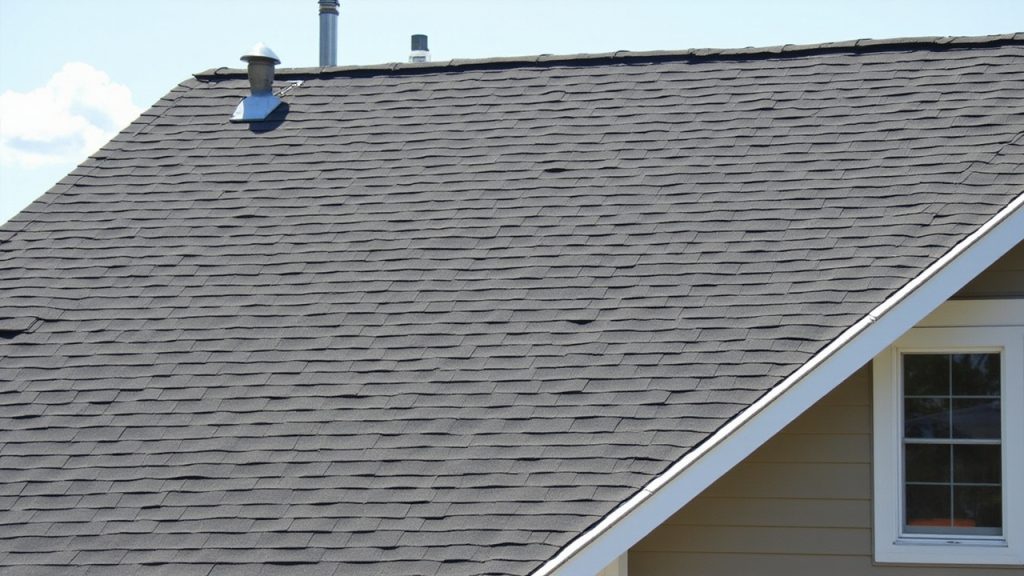
A roof replacement in Minnetonka runs between $12,000 and $38,000 for a typical residential home, depending on your home’s size, the materials you select, and the structural design of your roof. Homeowners in this affluent western suburb face distinct cost pressures that differ from other parts of the Twin Cities metro. Your location matters because Minnetonka’s climate demands specific protective measures, local building codes enforce strict compliance rules, and labor rates in this market reflect the area’s median home values.
The cost-per-square calculation is the most useful way to compare estimates. One roofing square equals 100 square feet. A typical Minnetonka home with a roof measuring 30 to 40 squares will pay a different total than a rambler in rural Minnesota with similar square footage but a simpler pitch. The material you choose matters more than anything else.
Average Cost of Roof Replacement in Minnetonka, Minnesota
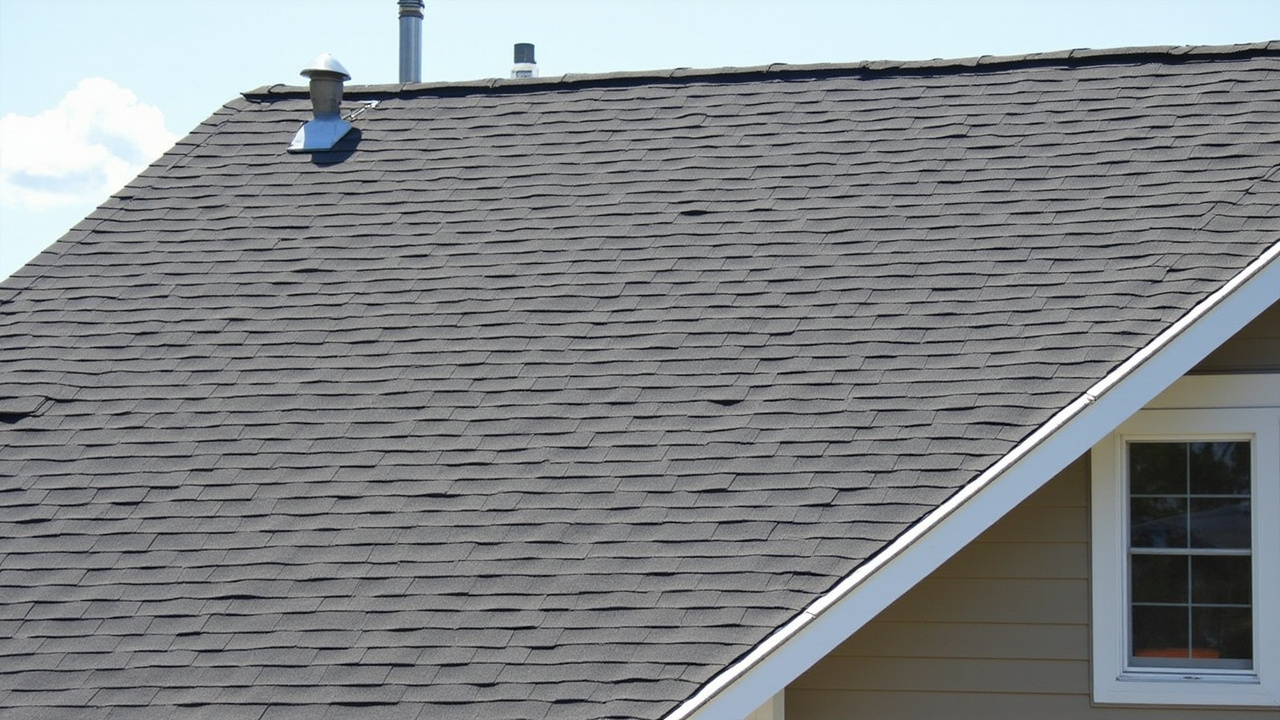
Your final bill depends on four main inputs. Total roof area in squares, material type, structural complexity, and tear-off costs drive pricing. Minnetonka homes average between 2,500 and 4,500 square feet of living space, which translates to roof areas between 25 and 45 squares depending on pitch and design.
Asphalt shingles dominate residential roofing because they offer predictable pricing and acceptable lifespan in Minnesota conditions. Wood shake and architectural shingle upgrades add cost but provide longer warranties and better storm resistance. Luxury shingles with enhanced wind ratings cost more upfront but resist the severe late-spring hail storms common across the greater Minneapolis metro area.
| Material Type | Cost Per Square | Total Cost for 35 Squares | Expected Lifespan |
|---|---|---|---|
| 3-Tab Asphalt Shingles | $350 to $450 | $12,250 to $15,750 | 15 to 20 years |
| Architectural Asphalt Shingles | $450 to $600 | $15,750 to $21,000 | 20 to 25 years |
| Luxury/Premium Shingles | $600 to $850 | $21,000 to $29,750 | 25 to 30 years |
| Cedar Shake | $750 to $1,200 | $26,250 to $42,000 | 30 to 40 years |
These figures include labor and basic materials only. Minnetonka-specific costs for underlayment, flashing, and permits sit on top of these base numbers. If your existing roof has multiple layers, tear-off expenses add another $1,500 to $3,000 to your total.
What Drives Costs Higher in Minnetonka
Three factors unique to Minnetonka push prices above the Minnesota state average. First, your roof pitch directly affects labor time. Steeper pitches require more safety equipment, slower installation, and higher fall-protection costs. Many Minnetonka homes feature modern architectural designs with complex roof lines, multiple valleys, and dormers that increase labor demands versus a simple rectangular rambler.
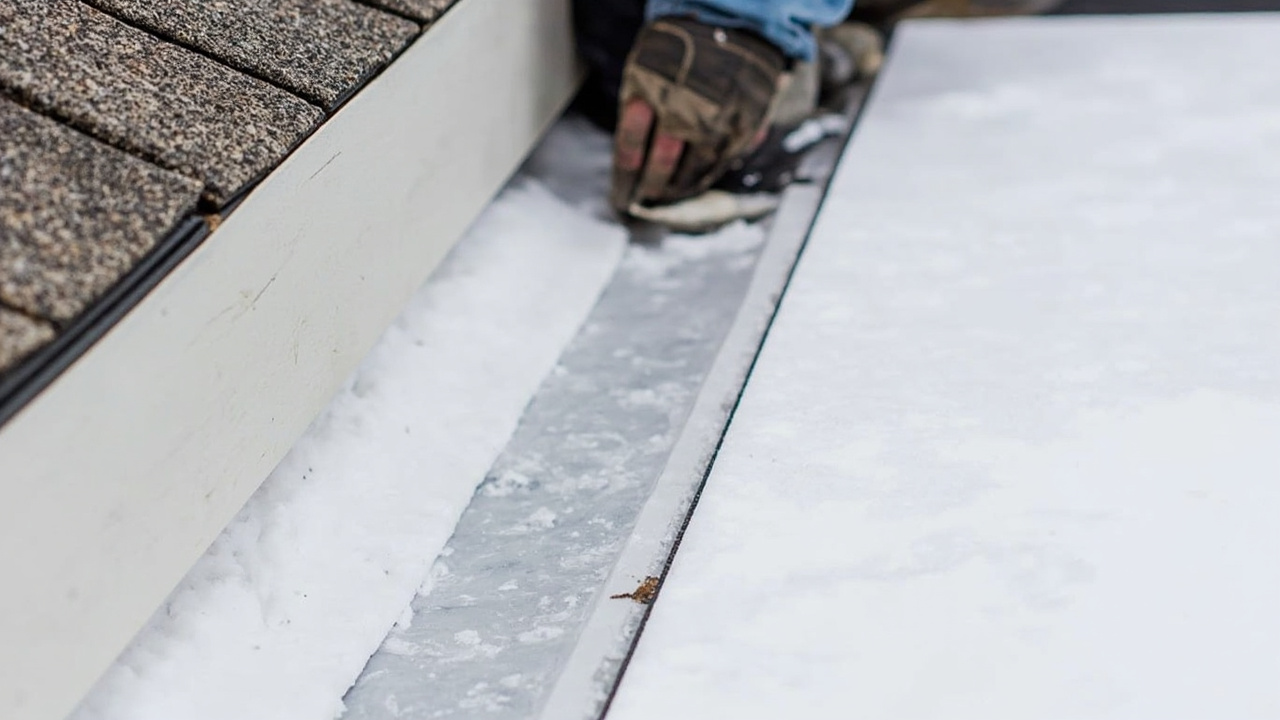
Second, Minnesota State Building Code Chapter 1300 Section 1308.1 requires ice and water shield protection extending 24 inches past your interior wall line. This premium underlayment prevents ice dam damage during freeze-thaw cycles, which plague Minnetonka winters. A typical home needs 15 to 20 additional squares of ice and water shield, adding $750 to $2,000 to your material costs.
Third, ventilation-to-square-footage ratios mandated by state code force contractors to install specific attic ventilation during replacement. If your current setup falls short, you need additional soffit or ridge vents, which adds labor and material expense.
Labor Costs in the Minnetonka Market
Hennepin County roofing labor rates in 2026 range from $45 to $75 per hour for experienced crews, compared to $35 to $55 in rural Minnesota. Minnetonka’s reputation as an affluent suburb drives these higher rates. Contractors with Minnesota Residential Contractor Licenses operating in Minnetonka charge premium rates because the area attracts quality crews and more selective homeowners.
A full roof replacement on a 35-square home takes three to five days with a trained crew. Bad weather delays common in Minnesota springs and falls can stretch timelines another week or two. Your contract should specify timeline milestones and weather contingencies.
Permit Fees and Inspection Costs
Minnetonka Building Inspections requires a permit for all roof replacements. Permit fees for residential roofs typically range from $200 to $500 depending on your home’s assessed value and roof complexity. The city charges these fees to cover inspection services that verify compliance with state building codes and local amendments.
Plan for a final inspection before your contractor removes staging equipment. Inspectors verify ice and water shield installation, proper ventilation ratios, correct flashing at chimneys and valleys, and appropriate nail placement. Failing this inspection means rework, which delays project completion and can cost additional labor fees.
Some contractors include permit costs in their estimate. Others bill these separately. Always ask for clarification in writing before signing a contract.
Minnetonka Climate Factors That Impact Cost
Minnesota winters create specific roofing requirements that eastern or western states do not face. Ice dams form when snow melts along your roof edge but refreezes in gutters and valleys, forcing water under your shingles. This damage drives emergency repairs and interior water damage claims. Premium underlayment and proper ventilation prevent ice dams, but both cost money upfront.
Heavy snow loads stress roof structure. Minnetonka building codes require roofs to support up to 40 pounds per square foot of snow accumulation. Contractors must verify that your home’s truss system can handle replacement weight. Occasionally, structural upgrades become necessary, which balloons your project cost.
Summer hail storms strike Minnesota mid-May through early August. Late-spring hail in 2024 and 2025 triggered thousands of insurance claims across the metro. Luxury shingles with Class 4 impact ratings resist hail better than standard 3-tab options. The extra cost of impact-resistant shingles makes sense for Minnetonka homeowners concerned about storm damage.
High summer humidity combined with tree shade creates mold and mildew on north-facing roof sections. Some premium shingles include algae-resistant coatings. Others do not. Ask your contractor about this feature if your home is surrounded by mature oaks or maples.
Tear-Off and Disposal Costs
Remove your existing roof before new shingles go on. Single-layer tear-offs cost $500 to $1,500. If your home has multiple old layers, removal becomes more complex and expensive.
Asphalt shingle disposal in Hennepin County follows Metropolitan Council environmental rules. Contractors must dispose of shingles at approved facilities, not local landfills. Some facilities accept shingle recycling, which costs the same as standard disposal. Ask your contractor if they recycle materials.
Chimney flashing removal and reinstallation requires flashing materials and sealant. Plumbing vent boots also need replacement. These small details add $300 to $800 to your total depending on how many penetrations exist on your roof.
Material Comparison and Performance in Minnesota Winters
| Factor | 3-Tab Asphalt | Architectural Asphalt | Cedar Shake |
|---|---|---|---|
| Wind Rating | 60 to 70 mph | 110 to 130 mph | 120+ mph |
| Ice Dam Resistance | Poor without premium underlayment | Good with proper underlayment | Excellent natural drainage |
| Hail Impact Rating | Class 2 to 3 | Class 3 to 4 (premium options) | Class 4 |
| Maintenance in Minnesota | Low but algae growth in shade | Moderate. Periodic cleaning needed | High. Annual inspection required |
| Minnetonka Building Code Compliance | Meets minimum. Requires ice and water shield | Meets standard. No special requirements | Meets code. Maintenance compliance required |
How to Get Accurate Pricing for Your Minnetonka Home
Three specific steps help you secure competitive and accurate pricing.
- Measure your roof area. Many contractors will inspect for free and measure themselves, which is fine. Understanding your square footage helps you evaluate different contractor quotes side by side. Measure your home’s footprint and multiply by 1.25 to 1.5 depending on pitch.
- Request written itemization. Your estimate should break out material costs per square, labor hours, tear-off pricing, permit fees, and any structural upgrades separately. Vague estimates hide cost surprises later.
- Ask about manufacturer certifications. GAF Master Elite and Owens Corning Platinum contractor certifications matter because they unlock extended warranties and show the contractor trains regularly on current products. Certified contractors often command higher labor rates, which reflects their expertise.
Request at least three estimates from licensed Minnesota Residential Contractors. Prices should be within 10 to 15 percent of each other. If one estimate comes in significantly lower, ask why. Missing components, inadequate underlayment, or less experienced crews often explain rock-bottom pricing.
Insurance Coverage and Roof Age
Most homeowners insurance policies cover roof damage from wind, hail, and fallen trees. Few policies cover wear and tear or old age. If your roof is over 20 years old and fails during a storm, insurers may dispute coverage or offer reduced claims.
As of 2026, Minnesota roofing standards require roofers to document existing roof age during new installations. This documentation protects you if future claims arise. Your contractor should provide detailed photos and documentation of your roof condition before and after replacement.
If a recent hail or wind storm damaged your roof, file an insurance claim before scheduling replacement. Adjusters will assess damage and determine your coverage. Some policies include full replacement cost with no deductible for storm damage. Others apply a percentage deductible or require you to pay for upgrades above your old roof’s replacement cost.
Minnetonka Housing Stock and Cost Variations
Minnetonka’s housing stock varies significantly across neighborhoods. The Minnetonka Beach area near Lake Minnetonka features lakeside estates with higher-complexity roofs, superior materials, and premium labor demands. The Excelsior Boulevard corridor offers more modest family homes with simpler designs and standard material selections.
If you live in the Minnetonka Beach area, expect contractors to bid accordingly. If your home sits in the central Excelsior Boulevard neighborhood, pricing may trend slightly lower. None of this changes your actual material needs, but it does influence contractor availability and labor rates.
Homes throughout Minnetonka follow similar pricing patterns because they attract the same contractor pools and face identical Minnesota climate challenges. A roofing estimate valid in one Minnetonka neighborhood applies equally to other parts of the city because the same codes, materials, and labor rates apply regardless of neighborhood location.

Financing Your Roof Replacement
Most homeowners finance roof replacement through one of four methods. Some pay cash, which eliminates financing costs but impacts liquid reserves. Others use home equity lines of credit at favorable rates tied to prime lending rates. A few pursue personal loans or contractor financing programs. Your bank or credit union can advise on home equity loan terms.
A new roof increases your home’s resale value in the Twin Cities market. Buyers view recent roof replacement as a major positive factor reducing their risk. Generally, you recover 70 to 85 percent of your roof replacement cost through increased home value and faster sales. This payback justifies premium material selections because they provide longer lifespan and higher buyer confidence.
If you plan to sell within five years, investing in premium shingles or metal roofing makes sense. If you plan to stay 20 or more years, the longer lifespan justifies the upfront cost through extended service life.
What to Expect During Your Roof Replacement
Most residential roof replacements follow a standard four-day to one-week timeline under normal weather conditions. Your contractor removes the old roof completely, inspects the underlying deck for water damage or rot, replaces any damaged sheathing, installs new underlayment and ice and water shield to code, and finally installs new shingles.
During installation, your driveway and landscaping will have roofing debris scattered about. Many contractors use tarps to contain debris, which reduces cleanup time. Ask your contractor about their cleanup process and daily site management expectations.
Final inspection by Minnetonka Building Inspections verifies code compliance. Once your inspector approves the work, your contractor removes staging equipment and ladders, leaving your home ready for normal living.
Avoiding Hidden Costs and Contract Traps
Read your contract carefully before signing. Legitimate costs that sometimes surprise homeowners include structural repairs for rotten sheathing, electrical work to relocate outlets, and additional venting requirements discovered during tear-off. Your contract should specify who pays for these contingencies. If structural damage emerges, costs may increase. A reputable contractor builds a small contingency into the estimate, typically 5 percent, to cover minor surprises without requiring change orders.
Avoid contractors who pressure you to use their insurance adjuster for claims. Your insurance company can assign an adjuster without contractor involvement. Similarly, avoid contractors who discount their labor heavily in exchange for inflated material costs. This practice inflates your insurance claim and can trigger fraud investigations.
Payment schedules matter. Standard practice requires a deposit at signing, typically 25 percent, a progress payment when your old roof comes off, and a final payment when work passes final inspection. Avoid contractors demanding full payment upfront or insisting on cash-only deals.
Frequently Asked Questions
What does Minnetonka Building Inspections specifically check for ice and water shield installation during final inspection?
Inspectors verify that ice and water shield covers the full 24-inch protection zone past your interior wall line. They check for gaps, overlaps, and adhesive coverage along the underlayment. They confirm that the shield extends properly into valleys where ice dams form most readily. Proper installation prevents water intrusion during Minnesota’s freeze-thaw cycles.
How do roof pitch and architectural complexity affect my final cost in Minnetonka neighborhoods?
Steeper roof pitches require more safety equipment, slower installation speed, and higher fall-protection costs. Complex roof lines with multiple valleys, dormers, and penetrations increase labor time significantly. A Minnetonka Beach home with architectural detail costs substantially more than a simple rectangular roof of the same square footage. Your contractor should explain how pitch and complexity factor into their labor pricing.
What warranty coverage should I verify before signing with my contractor?
Standard warranties cover manufacturing defects on shingles for 20 to 30 years depending on product grade. Contractor workmanship warranties cover installation quality for five to ten years. Cedar shake roofs often carry 30 to 40-year manufacturer warranties. Always request a written warranty document that specifies what coverage applies and what exclusions exist. Ask your contractor whether they offer extended warranties beyond standard coverage.
Next Steps to Schedule Your Minnetonka Roof Replacement
Call a licensed Minnesota contractor today for a free inspection and written estimate. Bring any documentation of prior roof damage or water infiltration issues. The contractor will photograph your roof, measure square footage, assess structural condition, and provide detailed pricing itemized by material and labor.
Compare at least three written estimates from contractors licensed in Minnesota with verifiable local experience. Ask for references from recent Minnetonka projects. Request proof of liability insurance and workers compensation coverage. Verify Minnesota Residential Contractor License numbers with the state Department of Labor and Industry.
Once you select a contractor, schedule work for spring or fall when weather cooperates. Secure your estimate before winter arrives because demand drives scheduling further out. If storm damage occurs, file your insurance claim immediately and provide documentation to your contractor.
Do not delay your roof replacement until emergency repairs force a rushed decision at premium costs. Contact a licensed Minnetonka roofing contractor today to book your free roof inspection and written estimate. Your home’s largest weather defense deserves professional expertise and local knowledge. Schedule your replacement on your timeline with a contractor you trust. Waiting only increases the risk of water damage, ice dam problems, and structural deterioration that will cost far more to repair.
{
“@context”: “https://schema.org”,
“@type”: “BlogPosting”,
“headline”: “What You Will Likely Pay for a Full Roof Replacement in Minnetonka”,
“description”: “Minnetonka roof replacement costs $12,000 to $38,000. Learn pricing, materials, local codes, and how to get accurate estimates from licensed contractors.”,
“wordCount”: 2479,
“datePublished”: “2026-03-13T13:08:00.000Z”,
“dateModified”: “2026-03-13T13:08:00.000Z”,
“inLanguage”: “en-US”,
“mainEntityOfPage”: {
“@type”: “WebPage”,
“@id”: “https://keystoneroofingminneapolis.com”
},
“publisher”: {
“@type”: “LocalBusiness”,
“name”: “Keystone Roofing Minneapolis”,
“url”: “https://keystoneroofingminneapolis.com”
},
“author”: {
“@type”: “Organization”,
“name”: “Keystone Roofing Minneapolis”,
“url”: “https://keystoneroofingminneapolis.com”
},
“image”: {
“@type”: “ImageObject”,
“url”: “https://keystoneroofingminneapolis.com/wp-content/uploads/2026/03/what-you-will-likely-pay-for-a-full-roof-replaceme-1.jpg”
}
}
{
“@context”: “https://schema.org”,
“@type”: “RoofingContractor”,
“name”: “Keystone Roofing Minneapolis”,
“url”: “https://keystoneroofingminneapolis.com”,
“address”: {
“@type”: “PostalAddress”,
“addressLocality”: “Minneapolis”
},
“areaServed”: {
“@type”: “City”,
“name”: “Minneapolis”
}
}
{
“@context”: “https://schema.org”,
“@type”: “FAQPage”,
“mainEntity”: [
{
“@type”: “Question”,
“name”: “What does Minnetonka Building Inspections specifically check for ice and water shield installation during final inspection?”,
“acceptedAnswer”: {
“@type”: “Answer”,
“text”: “Inspectors verify that ice and water shield covers the full 24-inch protection zone past your interior wall line. They check for gaps, overlaps, and adhesive coverage along the underlayment. They confirm that the shield extends properly into valleys where ice dams form most readily. Proper installation prevents water intrusion during Minnesota’s freeze-thaw cycles.”
}
},
{
“@type”: “Question”,
“name”: “How do roof pitch and architectural complexity affect my final cost in Minnetonka neighborhoods?”,
“acceptedAnswer”: {
“@type”: “Answer”,
“text”: “Steeper roof pitches require more safety equipment, slower installation speed, and higher fall-protection costs. Complex roof lines with multiple valleys, dormers, and penetrations increase labor time significantly. A Minnetonka Beach home with architectural detail costs substantially more than a simple rectangular roof of the same square footage. Your contractor should explain how pitch and complexity factor into their labor pricing.”
}
},
{
“@type”: “Question”,
“name”: “What warranty coverage should I verify before signing with my contractor?”,
“acceptedAnswer”: {
“@type”: “Answer”,
“text”: “Standard warranties cover manufacturing defects on shingles for 20 to 30 years depending on product grade. Contractor workmanship warranties cover installation quality for five to ten years. Cedar shake roofs often carry 30 to 40-year manufacturer warranties. Always request a written warranty document that specifies what coverage applies and what exclusions exist. Ask your contractor whether they offer extended warranties beyond standard coverage.”
}
}
]
}
{
“@context”: “https://schema.org”,
“@type”: “HowTo”,
“name”: “How to Get Accurate Pricing for Your Minnetonka Home”,
“step”: [
{
“@type”: “HowToStep”,
“position”: 1,
“name”: “Measure your roof area.”,
“text”: “Many contractors will inspect for free and measure themselves, which is fine. Understanding your square footage helps you evaluate different contractor quotes side by side. Measure your home’s footprint and multiply by 1.25 to 1.5 depending on pitch.”
},
{
“@type”: “HowToStep”,
“position”: 2,
“name”: “Request written itemization.”,
“text”: “Your estimate should break out material costs per square, labor hours, tear-off pricing, permit fees, and any structural upgrades separately. Vague estimates hide cost surprises later.”
},
{
“@type”: “HowToStep”,
“position”: 3,
“name”: “Ask about manufacturer certifications.”,
“text”: “GAF Master Elite and Owens Corning Platinum contractor certifications matter because they unlock extended warranties and show the contractor trains regularly on current products. Certified contractors often command higher labor rates, which reflects their expertise.”
}
],
“image”: “https://keystoneroofingminneapolis.com/wp-content/uploads/2026/03/what-you-will-likely-pay-for-a-full-roof-replaceme-1.jpg”
}
{
“@context”: “https://schema.org”,
“@type”: “BreadcrumbList”,
“itemListElement”: [
{
“@type”: “ListItem”,
“position”: 1,
“name”: “Home”,
“item”: “https://keystoneroofingminneapolis.com”
},
{
“@type”: “ListItem”,
“position”: 2,
“name”: “Blog”,
“item”: “https://keystoneroofingminneapolis.com/blog”
},
{
“@type”: “ListItem”,
“position”: 3,
“name”: “What You Will Likely Pay for a Full Roof Replacement in Minnetonka”
}
]
}
{
“@context”: “https://schema.org”,
“@type”: “Service”,
“serviceType”: “Roofing”,
“provider”: {
“@type”: “LocalBusiness”,
“name”: “Keystone Roofing Minneapolis”,
“url”: “https://keystoneroofingminneapolis.com”
},
“areaServed”: {
“@type”: “City”,
“name”: “Minneapolis”
},
“description”: “Minnetonka roof replacement costs $12,000 to $38,000. Learn pricing, materials, local codes, and how to get accurate estimates from licensed contractors.”
}
