
Why Detached Garages in South Minneapolis Need Different Roofing Than Your Main House
Detached garages in South Minneapolis face unique roofing challenges that your main house never encounters. The harsh Minnesota climate creates specific problems for these smaller structures that demand specialized solutions. Understanding these differences helps you make better decisions about materials installation and maintenance for your garage roof. Minnesota State Building Code.
Climate Challenges That Make Garage Roofing Different
South Minneapolis experiences some of the most extreme weather conditions in the continental United States. These conditions affect detached garages differently than attached homes due to their construction and location.. Read more about How Intense July Heat Causes Your South Minneapolis Shingles to Expand and Crack.
Detached garages typically have less insulation and ventilation than your main house. This creates temperature differentials that accelerate ice dam formation on garage roofs. When warm air escapes from your house and meets the cold garage roof surface ice dams form more quickly and grow larger than on your home.
The freeze-thaw cycle hits garage roofs harder because these structures often lack the thermal mass of a full house. Water seeps into tiny cracks during warm spells then expands when temperatures drop causing rapid deterioration of roofing materials. Trusted Roofing Contractors in St. Louis Park for Shingle Replacement.
Wind patterns in South Minneapolis create unique challenges for detached structures. Your garage stands alone without the windbreak your house provides. This exposes garage roofs to higher wind speeds and more debris impact during storms. Storm Damage Roof Inspections in Plymouth – What to Look for After a Major Storm.
Building Code Differences for Detached Structures
Minneapolis building codes treat detached garages differently than primary residences. These code variations affect everything from material requirements to installation methods.
Minnesota State Building Code requires specific ice and water shield installation on garage roofs. While your house needs shield extending three feet past exterior walls garages need only two feet. This difference matters because garage roofs often have simpler designs that concentrate water flow in specific areas.
Ventilation requirements for detached garages are less stringent than for houses. Your main home needs balanced intake and exhaust ventilation but garages can have simpler systems. This affects material choices since some roofing products perform better with specific ventilation setups.
Fire code requirements also differ for detached structures. Garages often need Class A fire-rated materials even when your house uses Class C. This protects against fire spread between structures but limits material options for garage roofing.
Material Selection for Garage Roofs
Choosing roofing materials for your detached garage requires different considerations than your main house. Cost durability and maintenance needs all factor differently for these structures. Choosing the Right Cedar Shake Contractor for Your Minnetonka Home.
Asphalt Shingles for Garage Applications
Asphalt shingles work well on garage roofs but need different specifications than house applications. Garage roofs often have lower slopes than house roofs. This requires algae-resistant shingles with enhanced sealant strips to prevent wind uplift.
South Minneapolis garages typically need 30-year shingles rather than 20-year options. The extreme temperature swings and UV exposure in Minnesota reduce shingle lifespan significantly. Upgrading to architectural shingles provides better wind resistance for standalone structures.
Flat Roof Options for Modern Garages
Many newer garages in South Minneapolis feature flat or low-slope roofs. These require completely different materials than traditional sloped roofs on houses.
EPDM rubber roofing offers excellent durability for garage applications. This synthetic rubber membrane resists UV damage and handles temperature extremes well. Installation requires fewer seams than traditional materials reducing leak potential.
TPO roofing provides another flat roof option for garages. This thermoplastic membrane offers better energy efficiency than EPDM by reflecting sunlight. For unheated garages this can reduce summer heat buildup and extend roof life.
Modified bitumen roofing works well for small garage roofs. This asphalt-based material installs in multiple layers creating excellent waterproofing. The torch-down installation creates seamless protection ideal for Minneapolis winters.
Metal Roofing Considerations
Metal roofing offers unique advantages for detached garages. The lightweight material reduces structural load on garage framing. This matters because many older garages in South Minneapolis have smaller rafters than modern homes.
Standing seam metal roofs provide superior snow shedding for garage applications. The smooth surface allows snow to slide off before ice dams form. This reduces winter maintenance needs for homeowners.
Corrugated metal panels offer cost-effective durability for garage roofs. The exposed fastener design installs quickly and handles Minnesota temperature swings well. The material expands and contracts without damage.
Installation Process Differences
Installing roofing on a detached garage requires different techniques than house applications. The smaller scale and different structural requirements change the entire process.
Structural Preparation
Garage roof decks often need different preparation than house roofs. Many older garages in South Minneapolis have spaced sheathing rather than solid decking. This requires additional underlayment or decking installation before roofing. EPA Roofing Information.
The framing on detached garages typically uses smaller lumber than house construction. This affects fastener selection and installation patterns. Longer nails or screws may be needed to achieve proper penetration.
Garage roof edges need different flashing details than house applications. The lack of connected walls means more exposed edges requiring enhanced waterproofing details.
Weather Considerations
Minneapolis weather creates unique installation challenges for garage roofing. The smaller surface area means projects complete faster but also means less margin for weather delays.
Spring and fall offer ideal installation windows for garage roofing. Summer heat can make material handling difficult especially for modified bitumen products. Winter installations require heated material storage and specialized cold-weather installation techniques.
Wind becomes more critical during garage roof installation. The standalone structure catches more wind than house sections making material securing more important during the process.
Maintenance Requirements for Garage Roofs
Garage roofs need different maintenance schedules than house roofs. The standalone nature and typically lower investment change how homeowners approach roof care.
Seasonal Inspection Needs
Garage roofs require more frequent inspections than house roofs. The standalone structure faces more direct weather exposure. Check your garage roof twice yearly rather than annually.
Spring inspections should focus on winter damage. Look for lifted shingles ice dam damage and flashing separation. South Minneapolis garages often show more winter wear than attached homes.
Fall inspections prepare for winter. Clean gutters check seals around vents and ensure proper attic ventilation. Unheated garages need special attention to prevent ice dam formation.
Repair Considerations
Garage roof repairs often cost less than house repairs but need faster attention. The standalone structure means leaks affect only the garage contents not your living space. This can lead to delayed repairs that worsen damage. Expert Flat Roof Repair Services for Uptown Businesses and Modern Lofts.
Small leaks in garage roofs often go unnoticed longer than house leaks. The lack of interior finish means water damage shows less dramatically. Regular inspections catch problems before major damage occurs.
Material matching becomes more critical for garage repairs. Using different shingle styles or colors creates obvious patches on smaller roof surfaces. Always keep extra material from initial installation for future repairs.
Cost Factors for Garage Roofing
Garage roofing costs differ significantly from house roofing. Understanding these differences helps you budget appropriately for your project.
Size and Scale Impact
Garage roofs typically cost less per square foot than house roofs. The smaller scale means less material but also means less contractor efficiency. Many roofers charge minimum fees that affect small projects more than large ones.
Accessibility affects garage roofing costs more than house roofing. Detached garages often have limited equipment access. This can increase labor costs even on smaller projects.
Waste factors differ for garage versus house roofing. The smaller area means less ability to use material efficiently. Plan for 15% waste rather than the 10% typical for house roofing.
Material Cost Variations
| Material Type | Typical Garage Cost | House Comparison | Best Use |
|---|---|---|---|
| Asphalt Shingles | $350-450 per square | $300-400 per square | Most garages |
| EPDM Rubber | $450-600 per square | $500-700 per square | Flat roofs |
| Metal Panels | $600-800 per square | $550-750 per square | High-wind areas |
| Modified Bitumen | $400-550 per square | $450-600 per square | Small flat roofs |
Common Problems Specific to Garage Roofs
Detached garages in South Minneapolis face specific problems that rarely affect main houses. Knowing these issues helps you prevent costly damage.
Ice Dam Formation
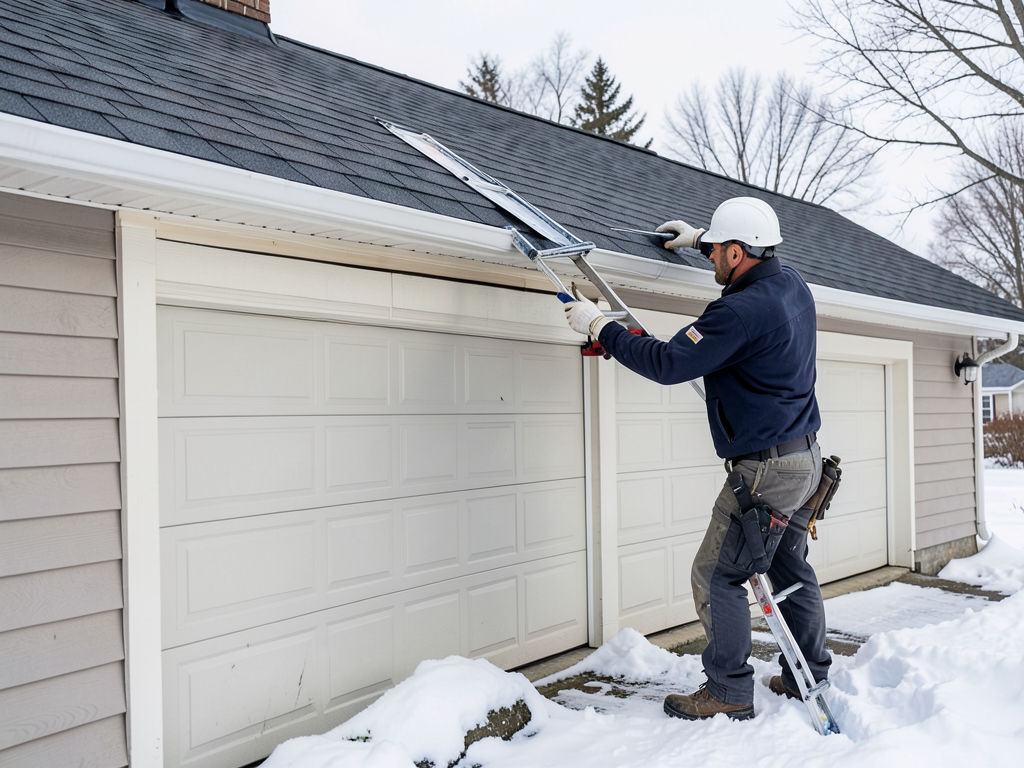
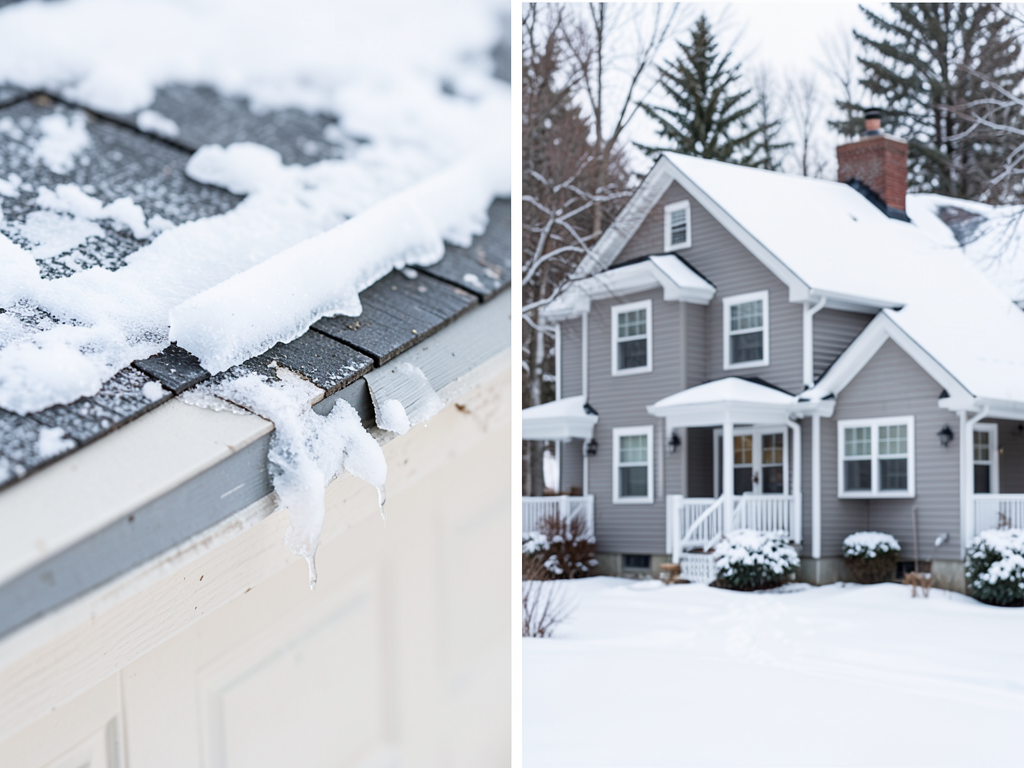
Garage roofs form ice dams differently than house roofs. The lack of interior heat means ice dams form from external sources like solar radiation and ambient temperature changes. This creates different ice dam patterns and locations.
South-facing garage eaves often develop ice dams from solar warming. Snow melts during sunny days then refreezes at night. This cycle builds ice dams even when attic temperatures remain cold.
Garage ice dams typically form at eaves rather than in valleys. The simpler roof designs concentrate water flow creating larger ice formations at roof edges.
Structural Issues
Older garages in South Minneapolis often have structural issues that affect roofing. Many were built before modern building codes and have undersized rafters or inadequate decking.
Snow load presents bigger challenges for garage roofs than house roofs. The standalone structures lack the structural redundancy of full houses. Heavy snow can cause sagging or even collapse in older garages.
Garage roof framing often uses smaller dimensional lumber than house construction. This limits material options and installation methods. Some metal roofing systems may be too heavy for older garage structures.
Ventilation Problems
Garage attics often have inadequate ventilation compared to house attics. This creates moisture problems that damage roofing from the underside. Condensation forms on cold roof decks causing rot and mold growth.
The lack of conditioned space below garages means temperature extremes affect roofing materials more dramatically. Materials expand and contract more severely than on insulated house roofs.
Garage ventilation often gets blocked by stored items or insulation added by homeowners. This creates dead air spaces that trap moisture and accelerate material deterioration.
When to Replace vs Repair
Deciding between garage roof replacement and repair requires different considerations than house roofing decisions. The standalone nature and typically lower investment change the economics. How Much Does a Full Roof Replacement Cost in Bloomington?.
Replacement Indicators
Replace your garage roof when repair costs exceed 40% of replacement cost. The smaller scale means replacement often costs less than major repairs on garage roofs.
Consider replacement when your garage roof is over 20 years old. Most roofing materials last 20-30 years but garage roofs often age faster due to less protection and maintenance.
Replace if you notice multiple leak locations or widespread material deterioration. The standalone nature means leaks won’t damage your living space but they will damage stored items and structure.
Repair Viability
Repair garage roofs when damage is localized and materials are relatively new. Small leaks around vents or chimneys often repair well on garage roofs.
Consider repairs when budget constraints make replacement difficult. Garage roof repairs cost significantly less than house repairs but provide shorter-term solutions.
Repair when planning to replace your main house roof soon. Coordinating both projects can save money and reduce overall disruption.
Choosing the Right Contractor
Selecting a contractor for your garage roof requires different criteria than choosing a house roofer. The smaller project and different requirements need specific expertise.
Experience Requirements
Look for contractors with specific garage roofing experience. The smaller scale and different structural requirements need specialized knowledge. Ask about similar projects in South Minneapolis specifically.
Verify contractor licensing for Minneapolis work. Garage roofing requires the same licensing as house roofing but some contractors focus only on larger projects.
Check references for garage-specific work. Projects in neighborhoods like Tangletown or Kingfield provide relevant experience for South Minneapolis garages.
Project Management
Garage roofing projects need different scheduling than house projects. The smaller scale means weather becomes more critical. Choose contractors who can work during optimal weather windows.
Access considerations matter more for garage projects. Many South Minneapolis garages have limited driveway access or alleyway entry. Contractors need equipment that fits these constraints.
Cleanup requirements differ for garage projects. The smaller scale means less debris but also means tighter work areas. Contractors should have specific plans for protecting your property during the process.
Future Trends in Garage Roofing
Garage roofing continues evolving with new materials and techniques. Understanding these trends helps you make forward-thinking decisions.
Energy Efficiency Developments
Cool roofing options are becoming more popular for garage applications. Reflective materials reduce summer heat gain in unheated structures. This can extend roof life and reduce cooling costs for adjacent living spaces.
Solar-ready garage roofs are gaining popularity in South Minneapolis. The standalone structure often provides better sun exposure than house roofs. New mounting systems make solar installation easier on garage roofs.
Insulated garage roof systems are improving for heated garages. Better insulation reduces ice dam formation and improves energy efficiency. These systems work well for garages converted to living space.
Material Innovations
New synthetic roofing materials offer improved durability for garage applications. These materials resist UV damage and temperature extremes better than traditional options. They also often cost less than premium traditional materials.
Modular roofing systems are making garage installations faster and more reliable. These pre-fabricated systems ensure consistent quality and reduce installation time. They work especially well for flat garage roofs.
Impact-resistant materials are improving for garage applications. These materials resist hail damage and debris impact better than traditional options. This matters for standalone structures exposed to more direct weather.
Environmental Considerations
Garage roofing choices affect the environment differently than house roofing. The smaller scale and different usage patterns create unique considerations.
Material Disposal
Garage roof replacements generate less waste than house replacements but disposal still matters. Many roofing materials can recycle but require separation. Choose contractors who recycle roofing waste when possible.
The smaller scale of garage projects means more flexibility for material choices. Consider environmentally friendly options like recycled content shingles or recyclable metal roofing.
Local disposal regulations in Minneapolis affect garage roofing waste. Some materials require special handling or disposal fees. Your contractor should understand these requirements.
Energy Impact
Garage roofing affects home energy use differently than house roofing. The standalone structure means less direct impact on heating and cooling but can affect adjacent spaces.
Reflective roofing on garages can reduce heat gain for nearby living spaces. This matters for garages attached to homes or located close to windows.
Proper ventilation in garage roofs prevents moisture problems that could affect home energy efficiency. The moisture from unventilated garages can increase home humidity levels.
Preparing for Your Garage Roofing Project
Successful garage roofing projects require specific preparation different from house projects. The smaller scale and different requirements need careful planning.
Site Preparation
Clear the area around your garage before work begins. Remove vehicles, outdoor furniture, and stored items. The smaller work area means less space for material storage and equipment.
Protect landscaping near your garage. The standalone structure means more direct access to surrounding areas. Consider temporary fencing or protective coverings for valuable plants.
Plan for material delivery. Garage projects often need less material but delivery access becomes more critical. Ensure your driveway or alleyway can accommodate delivery trucks.
Timeline Planning
Garage roofing projects typically complete faster than house projects. Most garage roofs install in one to two days versus three to five days for house roofs. This affects your planning and contractor selection.
Weather planning becomes more critical for garage projects. The standalone structure means less protection from wind and rain during installation. Choose contractors who monitor weather closely.
Permit timing may affect your project schedule. Minneapolis requires permits for garage roofing but processing times vary. Your contractor should handle permitting but understand potential delays.
Cost-Saving Strategies
Garage roofing offers unique opportunities to save money compared to house roofing. The smaller scale and different requirements create specific cost-saving options.
Material Selection
Choose materials appropriate for garage use rather than house use. Premium architectural shingles may be overkill for a detached structure. Consider good-quality three-tab shingles for cost savings.
Consider material color and style carefully. Garage roofs are less visible than house roofs allowing more flexibility in choices. Standard colors often cost less than premium options.
Buy materials during off-season sales. Garage projects can often wait for optimal pricing. Many suppliers offer better prices during late fall or winter for spring projects.
Timing Considerations
Schedule your project during contractor slow seasons. Garage roofing often fits better into shoulder seasons than peak summer months. Contractors may offer better pricing during these times.
Combine projects when possible. If you’re planning house roofing soon consider doing both together. Contractors often offer package pricing for multiple projects.
Handle site preparation yourself. Clearing the area around your garage saves labor costs. Just ensure you don’t damage existing roofing during preparation.
Frequently Asked Questions
How long does garage roof replacement take in Minneapolis?
Most garage roof replacements in Minneapolis complete in one to two days depending on size and weather conditions. Simple asphalt shingle installations often finish in a single day while flat roof or metal installations may require two days.
Do I need a permit for garage roof replacement in Minneapolis?
Yes Minneapolis requires permits for garage roof replacement. The city enforces building codes even for detached structures. Your contractor should handle permitting but verify this service is included in your project quote.
What’s the best roofing material for a detached garage in Minnesota?
The best material depends on your specific garage structure and budget. Asphalt shingles work well for most sloped garages while EPDM or TPO membranes excel on flat roofs. Metal roofing offers excellent durability for high-wind areas.
How much does garage roof replacement cost in South Minneapolis?
Garage roof replacement costs vary by size material and accessibility but typically range from $3,000 to $8,000 in South Minneapolis. Factors like roof pitch existing damage and permit fees affect final pricing.
Can I install a new roof over my existing garage roof?
Roofing over existing garage roofs is possible but not always recommended. The smaller scale means weight considerations matter more. A tear-off allows inspection of underlying structure and ensures proper installation of new materials.
How do I prevent ice dams on my garage roof?
Prevent garage ice dams through proper ventilation improved insulation in attached garages and installing ice and water shield underlayment. Consider heated cables for problem areas and ensure proper attic ventilation even in unheated structures.
What should I look for when inspecting my garage roof?
Inspect garage roofs for missing or damaged shingles sagging areas and flashing problems. Check for water stains inside the garage and examine roof edges for ice dam damage. Look for granule loss on asphalt shingles and check seals around vents and chimneys.
How often should I replace my garage roof?
Garage roofs typically need replacement every 20-30 years depending on material quality and maintenance. Harsh Minnesota weather often reduces this lifespan. Replace sooner if you notice widespread damage or multiple leaks.
Can I do my own garage roof replacement?
While DIY garage roofing is possible the risks often outweigh savings. Minneapolis weather creates dangerous conditions and proper installation requires specific techniques. Consider DIY only for very simple projects and always check local permit requirements.
What’s the difference between garage and house roofing warranties?
Garage roofing warranties often have different terms than house warranties. Some manufacturers offer separate warranty coverage for detached structures. Read warranty details carefully as coverage may vary based on structure type and usage.
Get Expert Garage Roofing Help in South Minneapolis
Detached garages in South Minneapolis need specialized roofing knowledge that general contractors often lack. The unique climate challenges building code requirements and structural considerations require experienced professionals who understand these differences.
Don’t risk your garage roof to inexperienced contractors. The standalone nature means problems can worsen quickly without the protection your main house provides. Professional installation ensures your garage roof handles Minnesota’s extreme weather for years to come.
Ready to upgrade your garage roof? Call Keystone Roofing Minneapolis at (651) 588-9277 for a free inspection and estimate. Our local experts understand South Minneapolis garage roofing challenges and provide solutions that last. Protect your investment with professional installation backed by our satisfaction guarantee.
Don’t wait until leaks damage your stored belongings or garage structure. Contact us today to schedule your garage roof assessment. We serve all of South Minneapolis including Tangletown Kingfield and Corcoran neighborhoods with prompt professional service.
Your garage deserves the same quality roofing as your home. Trust Keystone Roofing Minneapolis for expert garage roofing solutions that handle Minnesota’s toughest weather conditions.
Call (651) 588-9277 now or visit our website to schedule your free garage roof inspection. We’re ready to help protect your South Minneapolis property with professional roofing solutions.
{
“@context”: “https://schema.org”,
“@type”: “BlogPosting”,
“headline”: “Why Detached Garages in South Minneapolis Need Different Roofing Than Your Main House”,
“description”: “Detached garages in South Minneapolis face unique roofing challenges. Learn why they need different materials, installation methods, and maintenance than your main house.”,
“wordCount”: 3406,
“datePublished”: “2026-06-05T14:50:00.000Z”,
“dateModified”: “2026-06-05T14:50:00.000Z”,
“inLanguage”: “en-US”,
“mainEntityOfPage”: {
“@type”: “WebPage”,
“@id”: “https://keystoneroofingminneapolis.com”
},
“publisher”: {
“@type”: “LocalBusiness”,
“name”: “Keystone Roofing Minneapolis”,
“url”: “https://keystoneroofingminneapolis.com”
},
“author”: {
“@type”: “Organization”,
“name”: “Keystone Roofing Minneapolis”,
“url”: “https://keystoneroofingminneapolis.com”
},
“image”: {
“@type”: “ImageObject”,
“url”: “https://keystoneroofingminneapolis.com/wp-content/uploads/2026/03/why-detached-garages-in-south-minneapolis-need-dif-1.png”
}
}
{
“@context”: “https://schema.org”,
“@type”: “RoofingContractor”,
“name”: “Keystone Roofing Minneapolis”,
“url”: “https://keystoneroofingminneapolis.com”,
“address”: {
“@type”: “PostalAddress”,
“addressLocality”: “Minneapolis”
},
“areaServed”: {
“@type”: “City”,
“name”: “Minneapolis”
}
}
{
“@context”: “https://schema.org”,
“@type”: “FAQPage”,
“mainEntity”: [
{
“@type”: “Question”,
“name”: “How long does garage roof replacement take in Minneapolis?”,
“acceptedAnswer”: {
“@type”: “Answer”,
“text”: “Most garage roof replacements in Minneapolis complete in one to two days depending on size and weather conditions. Simple asphalt shingle installations often finish in a single day while flat roof or metal installations may require two days.”
}
},
{
“@type”: “Question”,
“name”: “Do I need a permit for garage roof replacement in Minneapolis?”,
“acceptedAnswer”: {
“@type”: “Answer”,
“text”: “Yes Minneapolis requires permits for garage roof replacement. The city enforces building codes even for detached structures. Your contractor should handle permitting but verify this service is included in your project quote.”
}
},
{
“@type”: “Question”,
“name”: “What’s the best roofing material for a detached garage in Minnesota?”,
“acceptedAnswer”: {
“@type”: “Answer”,
“text”: “The best material depends on your specific garage structure and budget. Asphalt shingles work well for most sloped garages while EPDM or TPO membranes excel on flat roofs. Metal roofing offers excellent durability for high-wind areas.”
}
},
{
“@type”: “Question”,
“name”: “How much does garage roof replacement cost in South Minneapolis?”,
“acceptedAnswer”: {
“@type”: “Answer”,
“text”: “Garage roof replacement costs vary by size material and accessibility but typically range from $3,000 to $8,000 in South Minneapolis. Factors like roof pitch existing damage and permit fees affect final pricing.”
}
},
{
“@type”: “Question”,
“name”: “Can I install a new roof over my existing garage roof?”,
“acceptedAnswer”: {
“@type”: “Answer”,
“text”: “Roofing over existing garage roofs is possible but not always recommended. The smaller scale means weight considerations matter more. A tear-off allows inspection of underlying structure and ensures proper installation of new materials.”
}
},
{
“@type”: “Question”,
“name”: “What should I look for when inspecting my garage roof?”,
“acceptedAnswer”: {
“@type”: “Answer”,
“text”: “Inspect garage roofs for missing or damaged shingles sagging areas and flashing problems. Check for water stains inside the garage and examine roof edges for ice dam damage. Look for granule loss on asphalt shingles and check seals around vents and chimneys.”
}
},
{
“@type”: “Question”,
“name”: “How often should I replace my garage roof?”,
“acceptedAnswer”: {
“@type”: “Answer”,
“text”: “Garage roofs typically need replacement every 20-30 years depending on material quality and maintenance. Harsh Minnesota weather often reduces this lifespan. Replace sooner if you notice widespread damage or multiple leaks.”
}
},
{
“@type”: “Question”,
“name”: “Can I do my own garage roof replacement?”,
“acceptedAnswer”: {
“@type”: “Answer”,
“text”: “While DIY garage roofing is possible the risks often outweigh savings. Minneapolis weather creates dangerous conditions and proper installation requires specific techniques. Consider DIY only for very simple projects and always check local permit requirements.”
}
},
{
“@type”: “Question”,
“name”: “What’s the difference between garage and house roofing warranties?”,
“acceptedAnswer”: {
“@type”: “Answer”,
“text”: “Garage roofing warranties often have different terms than house warranties. Some manufacturers offer separate warranty coverage for detached structures. Read warranty details carefully as coverage may vary based on structure type and usage.”
}
}
]
}
{
“@context”: “https://schema.org”,
“@type”: “BreadcrumbList”,
“itemListElement”: [
{
“@type”: “ListItem”,
“position”: 1,
“name”: “Home”,
“item”: “https://keystoneroofingminneapolis.com”
},
{
“@type”: “ListItem”,
“position”: 2,
“name”: “Blog”,
“item”: “https://keystoneroofingminneapolis.com/blog”
},
{
“@type”: “ListItem”,
“position”: 3,
“name”: “Why Detached Garages in South Minneapolis Need Different Roofing Than Your Main House”
}
]
}
{
“@context”: “https://schema.org”,
“@type”: “Service”,
“serviceType”: “Roofing”,
“provider”: {
“@type”: “LocalBusiness”,
“name”: “Keystone Roofing Minneapolis”,
“url”: “https://keystoneroofingminneapolis.com”
},
“areaServed”: {
“@type”: “City”,
“name”: “Minneapolis”
},
“description”: “Detached garages in South Minneapolis face unique roofing challenges. Learn why they need different materials, installation methods, and maintenance than your main house.”
}
