
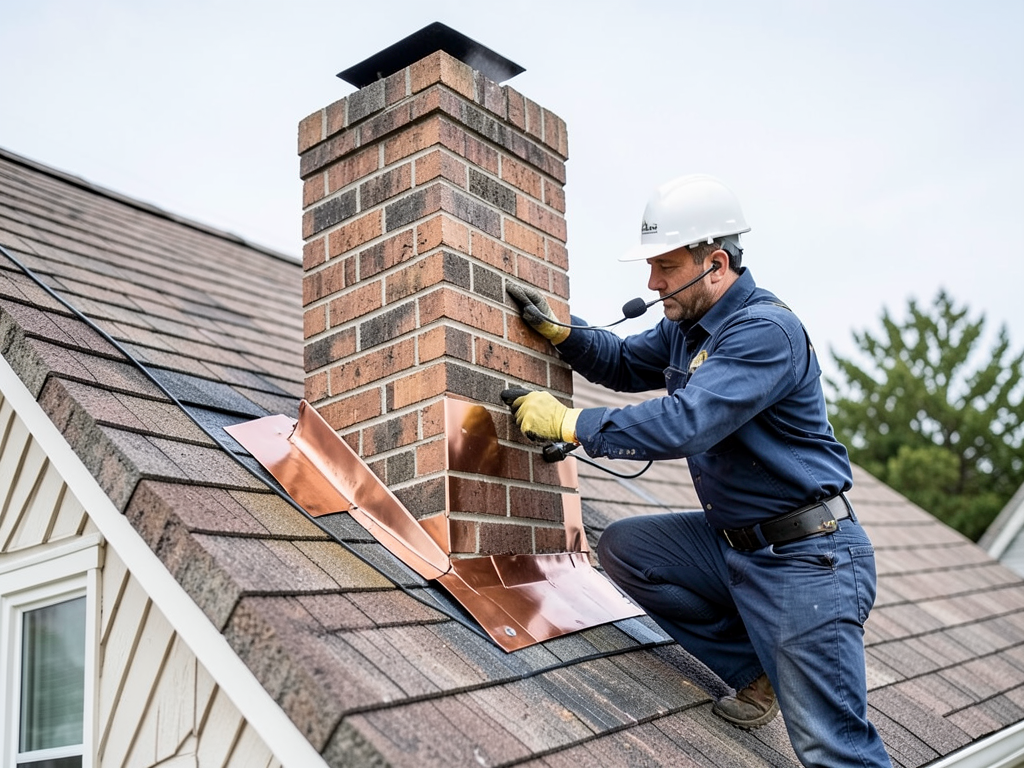
Why Many Mac-Groveland Bungalows Need Custom Flashing Around Wide Chimneys
Chimney flashing fails when wide masonry stacks meet sloped roofs. In Mac-Groveland’s historic bungalows built before 1940 the flashing around wide chimneys often deteriorates faster than other roof components. This creates water infiltration paths that lead to attic damage interior ceiling stains and ice dam formation during Minnesota winters. chimney flashing inspection.
The problem starts with the chimney itself. Wide brick chimneys in Mac-Groveland’s Arts and Crafts and Tudor-style homes typically measure three to four feet across. Standard pre-formed flashing kits sold at big box stores rarely accommodate these dimensions. The flashing must step up the roof slope and integrate with both shingles and mortar joints creating multiple failure points. chimney flashing repair techniques.
Freeze-thaw cycles accelerate deterioration. When temperatures swing from 30 degrees to minus 10 degrees in a single day the metal flashing expands and contracts. Sealants crack. Mortar joints separate. Water seeps in freezes and expands creating larger gaps. This cycle repeats throughout winter creating pathways for water to reach the attic.
Mac-Groveland’s specific soil conditions compound the issue. The area’s clay-heavy soil causes foundation settling. Chimneys often settle at different rates than the main house structure. This differential movement stresses the flashing connection points. The flashing that worked perfectly when installed may fail within five to seven years due to these soil-related movements. chimney flashing building science.
Wide chimneys also create their own microclimate. They block sunlight from reaching roof sections below. Snow accumulates in these shaded areas and melts slower than surrounding roof surfaces. This extended moisture exposure accelerates flashing degradation. The wide chimney base also acts as a wind dam creating updrafts that can lift poorly secured flashing.
Building code requirements in Minneapolis add another layer of complexity. Current code mandates ice and water shield installation extending at least two feet past the interior wall line of the chimney. Many Mac-Groveland homes predate these requirements. When replacing flashing installers must bring the entire assembly up to current code. This often means removing shingles for several feet around the chimney base.
The cost of custom flashing for wide chimneys reflects these complexities. Materials alone cost more than standard flashing kits. Copper flashing for a three-foot chimney costs approximately three times more than galvanized steel. Installation requires more labor hours. The total job often runs between $1,200 and $2,500 depending on chimney width roof pitch and required repairs to surrounding shingles. Expert Flat Roof Repair Services for Uptown Businesses and Modern Lofts.
Warning signs appear gradually. Homeowners notice water stains on walls adjacent to the chimney. Attic inspections reveal damp insulation near the chimney base. During heavy rains water drips from the firebox. These symptoms indicate flashing failure. Waiting to address these issues allows water damage to spread increasing repair costs. Storm Damage Roof Inspections in Plymouth – What to Look for After a Major Storm.
Material selection matters significantly in Minneapolis’s climate. Galvanized steel offers the lowest initial cost but lasts only 15 to 20 years. Aluminum resists corrosion but cannot be soldered making certain repairs impossible. Copper lasts 50 years or more but costs substantially more upfront. Lead-coated copper combines copper’s longevity with lead’s malleability making it ideal for complex flashing shapes.. Read more about Why Copper Gutters and Accents Are Making a Comeback in Summit-University.
Installation technique determines long-term success. Step flashing must overlap shingles correctly. Counter flashing must be embedded into mortar joints at least one inch deep. The top edge needs sealing with appropriate sealant that remains flexible in extreme temperatures. Poor installation creates failure points regardless of material quality.
Cricket installation often becomes necessary for wide chimneys. A cricket is a small peaked structure installed on the high side of the chimney. It diverts water and snow around the chimney rather than allowing accumulation. For chimneys over 30 inches wide building codes in Minneapolis require crickets. Without a cricket water pools behind the chimney creating ice dams and accelerating flashing deterioration.
Maintenance extends flashing life. Annual inspections identify early signs of failure. Cleaning debris from the chimney base prevents moisture retention. Reapplying sealant every three to five years maintains waterproof barriers. These preventive measures cost far less than emergency repairs after water damage occurs. Commercial Roof Maintenance.
Insurance considerations affect homeowner decisions. Many policies cover sudden damage from storms but exclude gradual deterioration. Insurance companies often deny claims for flashing failure citing lack of maintenance. Understanding coverage limitations helps homeowners budget for necessary repairs before insurance deadlines expire.
Professional assessment requires specific expertise. General roofers may lack experience with historic masonry integration. Masons may not understand modern roofing materials and techniques. The best results come from contractors who understand both disciplines. They recognize how historic construction methods interact with modern building science. Trusted Roofing Contractors in St. Louis Park for Shingle Replacement.
Energy efficiency ties into flashing performance. Gaps in flashing allow conditioned air to escape. This forces heating systems to work harder during winter. Proper flashing installation improves home energy performance while preventing water damage. The two benefits work together to justify repair investments.
Mac-Groveland’s architectural character depends on proper maintenance. The neighborhood’s historic bungalows define its charm. Allowing flashing failures to cause water damage degrades these structures. Preserving original features while upgrading critical components like flashing maintains both function and character.. Read more about Maintaining the Original Slate or Tile Aesthetic for Your Stillwater Victorian Home.
Timing affects repair success. Spring and fall offer ideal conditions for flashing replacement. Summer heat makes sealant application difficult. Winter cold prevents proper adhesion. Scheduling repairs during moderate seasons ensures better material performance and longer-lasting results. How Much Does a Full Roof Replacement Cost in Bloomington?.
Local building permits may be required. Minneapolis requires permits for structural modifications including chimney repairs. Skipping permits risks fines and insurance complications. Professional contractors handle permit requirements as part of their service ensuring compliance with all regulations.
The investment in quality flashing pays dividends. Preventing water damage protects home value. Avoiding emergency repairs saves money long-term. Maintaining structural integrity preserves the investment homeowners have made in their Mac-Groveland properties. Custom flashing for wide chimneys represents preventive maintenance that prevents much larger expenses.
Understanding these factors helps homeowners make informed decisions. Recognizing warning signs prompts timely action. Selecting appropriate materials ensures lasting performance. Working with qualified professionals guarantees proper installation. These steps protect Mac-Groveland’s historic bungalows from water damage while preserving their architectural heritage.
Local factors affecting Mac-Groveland bungalow flashing:
| Factor | Impact on Flashing | Typical Lifespan |
|---|---|---|
| Freeze-thaw cycles | Metal expansion/contraction cracks sealants | 15-20 years |
| Clay soil settling | Differential movement stresses flashing | 10-15 years |
| Ice dam formation | Water backs up under shingles | 5-10 years |
| Sun exposure blockage | Extended moisture retention accelerates decay | 7-12 years |
Material comparison for Minneapolis chimney flashing:
| Material | Initial Cost | Lifespan | Best Use |
|---|---|---|---|
| Galvanized steel | Low | 15-20 years | Budget repairs |
| Aluminum | Medium | 20-25 years | Standard installations |
| Copper | High | 50+ years | Historic preservation |
| Lead-coated copper | Very high | 50+ years | Complex shapes |
Warning signs that flashing needs replacement:
- Water stains on walls near chimney
- Damp attic insulation around chimney base
- Water dripping from firebox during rain
- Missing or damaged counter flashing
- Cracked or peeling sealant
- Rust spots on metal flashing
- Loose or lifted flashing sections
Frequently Asked Questions
How long does chimney flashing replacement take?
Most chimney flashing replacements take one to two days depending on chimney width and roof complexity. Wide chimneys requiring crickets may need additional time.
Can I repair flashing myself?
DIY flashing repairs often fail due to improper installation techniques. Professional installation ensures proper integration with roofing and masonry materials.
What causes chimney flashing to fail?
Common causes include freeze-thaw cycles sealant deterioration differential settling and ice dam formation. Wide chimneys face additional stress from wind and snow accumulation.
How much does chimney flashing replacement cost?
Costs range from $1,200 to $2,500 for standard replacements. Wide chimneys with crickets cost more due to additional materials and labor requirements.
Do I need a permit for flashing replacement?
Minneapolis requires permits for structural modifications including chimney repairs. Professional contractors handle permit requirements as part of their service.
How can I prevent flashing problems?
Annual inspections cleaning debris from chimney base and reapplying sealant every three to five years extends flashing life significantly.
{
“@context”: “https://schema.org”,
“@type”: “BlogPosting”,
“headline”: “Why Many Mac-Groveland Bungalows Need Custom Flashing Around Wide Chimneys”,
“description”: “Wide chimney flashing in Mac-Groveland bungalows fails due to freeze-thaw cycles, soil settling, and ice dams. Learn why custom flashing matters.”,
“wordCount”: 1346,
“datePublished”: “2026-05-29T05:40:00.000Z”,
“dateModified”: “2026-05-29T05:40:00.000Z”,
“inLanguage”: “en-US”,
“mainEntityOfPage”: {
“@type”: “WebPage”,
“@id”: “https://keystoneroofingminneapolis.com”
},
“publisher”: {
“@type”: “LocalBusiness”,
“name”: “Keystone Roofing Minneapolis”,
“url”: “https://keystoneroofingminneapolis.com”
},
“author”: {
“@type”: “Organization”,
“name”: “Keystone Roofing Minneapolis”,
“url”: “https://keystoneroofingminneapolis.com”
},
“image”: {
“@type”: “ImageObject”,
“url”: “https://keystoneroofingminneapolis.com/wp-content/uploads/2026/03/why-many-mac-groveland-bungalows-need-custom-flash-1.png”
}
}
{
“@context”: “https://schema.org”,
“@type”: “RoofingContractor”,
“name”: “Keystone Roofing Minneapolis”,
“url”: “https://keystoneroofingminneapolis.com”,
“address”: {
“@type”: “PostalAddress”,
“addressLocality”: “Minneapolis”
},
“areaServed”: {
“@type”: “City”,
“name”: “Minneapolis”
}
}
{
“@context”: “https://schema.org”,
“@type”: “FAQPage”,
“mainEntity”: [
{
“@type”: “Question”,
“name”: “How long does chimney flashing replacement take?”,
“acceptedAnswer”: {
“@type”: “Answer”,
“text”: “Most chimney flashing replacements take one to two days depending on chimney width and roof complexity. Wide chimneys requiring crickets may need additional time.”
}
},
{
“@type”: “Question”,
“name”: “Can I repair flashing myself?”,
“acceptedAnswer”: {
“@type”: “Answer”,
“text”: “DIY flashing repairs often fail due to improper installation techniques. Professional installation ensures proper integration with roofing and masonry materials.”
}
},
{
“@type”: “Question”,
“name”: “What causes chimney flashing to fail?”,
“acceptedAnswer”: {
“@type”: “Answer”,
“text”: “Common causes include freeze-thaw cycles sealant deterioration differential settling and ice dam formation. Wide chimneys face additional stress from wind and snow accumulation.”
}
},
{
“@type”: “Question”,
“name”: “How much does chimney flashing replacement cost?”,
“acceptedAnswer”: {
“@type”: “Answer”,
“text”: “Costs range from $1,200 to $2,500 for standard replacements. Wide chimneys with crickets cost more due to additional materials and labor requirements.”
}
},
{
“@type”: “Question”,
“name”: “Do I need a permit for flashing replacement?”,
“acceptedAnswer”: {
“@type”: “Answer”,
“text”: “Minneapolis requires permits for structural modifications including chimney repairs. Professional contractors handle permit requirements as part of their service.”
}
},
{
“@type”: “Question”,
“name”: “How can I prevent flashing problems?”,
“acceptedAnswer”: {
“@type”: “Answer”,
“text”: “Annual inspections cleaning debris from chimney base and reapplying sealant every three to five years extends flashing life significantly.”
}
}
]
}
{
“@context”: “https://schema.org”,
“@type”: “BreadcrumbList”,
“itemListElement”: [
{
“@type”: “ListItem”,
“position”: 1,
“name”: “Home”,
“item”: “https://keystoneroofingminneapolis.com”
},
{
“@type”: “ListItem”,
“position”: 2,
“name”: “Blog”,
“item”: “https://keystoneroofingminneapolis.com/blog”
},
{
“@type”: “ListItem”,
“position”: 3,
“name”: “Why Many Mac-Groveland Bungalows Need Custom Flashing Around Wide Chimneys”
}
]
}
{
“@context”: “https://schema.org”,
“@type”: “Service”,
“serviceType”: “Roofing”,
“provider”: {
“@type”: “LocalBusiness”,
“name”: “Keystone Roofing Minneapolis”,
“url”: “https://keystoneroofingminneapolis.com”
},
“areaServed”: {
“@type”: “City”,
“name”: “Minneapolis”
},
“description”: “Wide chimney flashing in Mac-Groveland bungalows fails due to freeze-thaw cycles, soil settling, and ice dams. Learn why custom flashing matters.”
}
