
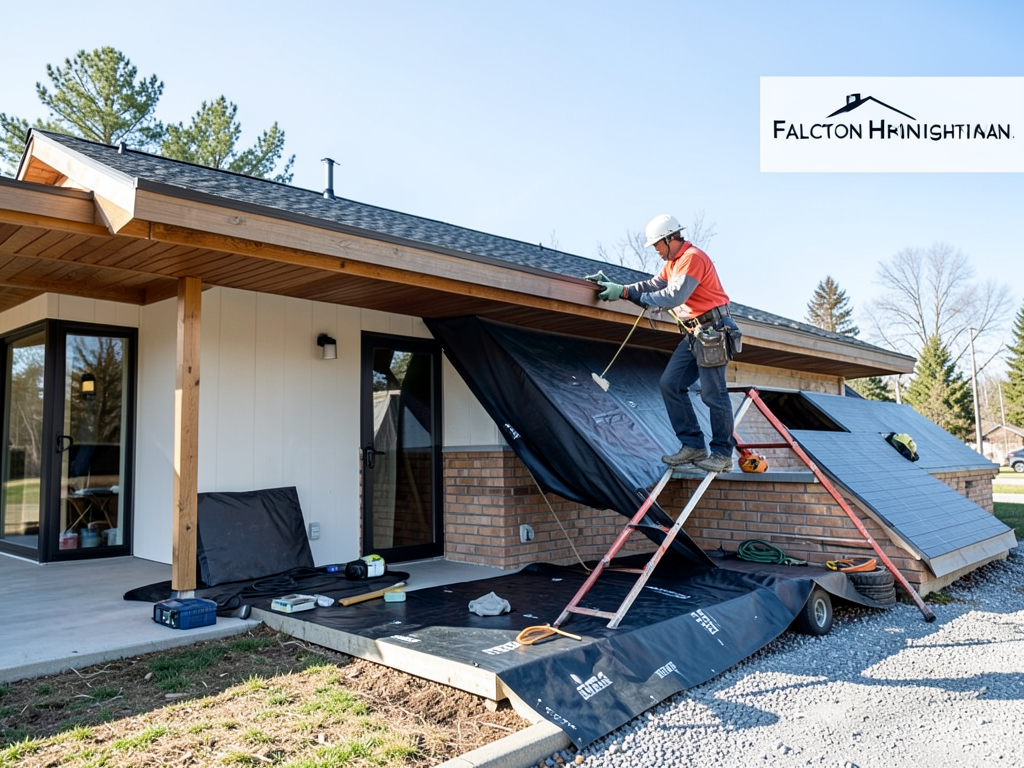
Why Mid-Century Modern Homes in Falcon Heights Need Specialized Low-Profile Roofing
Mid-century modern homes in Falcon Heights face unique roofing challenges that standard asphalt shingles simply cannot address. These iconic homes built between 1945 and 1975 feature distinctive low-profile rooflines, flat or butterfly designs, and extensive use of glass that demand specialized roofing solutions to protect both the structure and architectural integrity. Trusted Roofing Contractors in St. Louis Park for Shingle Replacement.
The Minneapolis climate creates specific pressures on these homes. Heavy snow loads, ice dam formation, and freeze-thaw cycles can damage low-slope roofs faster than traditional gable designs. Without proper materials and installation techniques, water infiltration becomes a constant threat to the tongue-and-groove ceilings and exposed beams that define MCM aesthetics. Storm Damage Roof Inspections in Plymouth – What to Look for After a Major Storm.
Homeowners in Falcon Heights and nearby St. Anthony Park often discover their original tar-and-gravel roofs have reached the end of their lifespan. The challenge becomes finding roofing systems that maintain the clean horizontal lines while providing modern durability against Minnesota’s harsh winters.
Understanding MCM Roof Architecture
Mid-century modern homes in the Twin Cities typically feature one of three roof profiles that require specialized attention:
- Flat roofs with minimal slope for drainage
- Shed roofs that create dramatic ceiling heights
- Butterfly roofs that channel water toward the center
These designs serve both aesthetic and functional purposes. The flat planes create clean sight lines that complement the post-and-beam construction common in Falcon Heights neighborhoods. However, these same features make proper water management critical.
Many MCM homes in University Grove and nearby areas use tongue-and-groove cedar ceilings that extend to the roofline. This architectural detail means any roofing failure can cause extensive interior damage beyond just the attic space.
Material Options for Low-Profile MCM Roofs
Selecting the right roofing material for a mid-century modern home requires balancing historical accuracy with modern performance. Here are the top options for Falcon Heights homeowners: Choosing the Right Cedar Shake Contractor for Your Minnetonka Home.
| Material | Lifespan | Best For | Cost Range |
|---|---|---|---|
| EPDM Rubber | 25-30 years | Flat roofs | $6-9 per sq ft |
| TPO Membrane | 20-25 years | Energy efficiency | $7-10 per sq ft |
| Standing Seam Metal | 40-50 years | Shed roofs | $12-16 per sq ft |
| Modified Bitumen | 20-25 years | Stepped applications | $8-11 per sq ft |
EPDM rubber remains the most popular choice for true flat roofs in Falcon Heights. This synthetic rubber membrane creates a seamless barrier that expands and contracts with temperature changes. The material handles Minnesota’s freeze-thaw cycles better than older built-up tar systems.
TPO membrane offers superior energy efficiency with its reflective white surface. This can reduce cooling costs in summer while providing excellent waterproofing. The material works well for homes with extensive south-facing glass that creates solar heat gain.
Standing seam metal roofing provides the longest lifespan but requires a minimum slope of 1/4 inch per foot. This makes it ideal for shed roof designs common in many Falcon Heights MCM homes. The vertical seams create clean lines that complement the architectural style.
Minneapolis Climate Considerations
The Twin Cities climate creates specific challenges for low-profile roofing systems. Falcon Heights receives an average of 54 inches of snow annually, with temperatures ranging from -20°F to 95°F. This extreme variation causes roofing materials to expand and contract dramatically.
Ice dam formation represents the biggest threat to MCM homes. When snow melts on the roof surface and refreezes at the edges, it creates barriers that force water under roofing materials. The low-slope designs common in Falcon Heights make ice dam prevention even more critical.
Proper insulation becomes essential for these homes. Many MCM houses lack adequate attic insulation by modern standards. Installing polyisocyanurate insulation boards with R-values of 30 or higher helps maintain consistent roof temperatures and prevents ice dam formation.
The Minnesota Building Code requires ice and water shield extending at least 24 inches past the exterior wall on all low-slope roofs. This extra protection proves crucial during spring thaw when melting snow creates the highest water volumes.
Ice Dam Prevention Strategies
Preventing ice dams on MCM homes requires a multi-layered approach. The first step involves ensuring proper roof ventilation. Continuous soffit vents combined with ridge vents create airflow that keeps the roof deck cold.
Heat cables installed along roof edges provide additional protection in problem areas. These electric cables melt channels through ice formations, allowing water to drain safely. While not a substitute for proper insulation, they offer backup protection during extreme weather.
Regular snow removal from flat roof sections prevents excessive weight buildup. A roof rake with a long handle allows homeowners to clear snow while standing on the ground. This simple maintenance step can prevent both structural damage and ice dam formation.
Proper gutter maintenance also plays a crucial role. Clean gutters and downspouts ensure melting snow can drain away from the foundation. Many MCM homes in Falcon Heights feature integrated gutter systems that require special attention during cleaning.
Color and Aesthetic Considerations
Maintaining the mid-century modern aesthetic requires careful color selection. The original MCM palette emphasized earth tones, grays, and subtle metallics that complemented the natural materials used in construction.
For EPDM roofs, the standard black color works well for homes with dark exterior elements. However, white EPDM or TPO provides better energy efficiency and can brighten interior spaces through skylights and clerestory windows.
Standing seam metal roofing offers the most color options. Charcoal, bronze, and dark gray maintain period-appropriate aesthetics while providing modern durability. Some homeowners opt for bold colors like orange or teal as accent features on butterfly roof sections.
The key is selecting colors that harmonize with existing exterior materials. Many MCM homes in Falcon Heights feature vertical wood siding, stone accents, or brick that should influence roofing color choices.
Cost Factors for MCM Roofing in Falcon Heights
Roofing costs for mid-century modern homes in Falcon Heights typically range from $12,000 to $35,000 depending on size and material selection. Several factors influence the final price:
- Roof accessibility – Homes with multiple levels or complex rooflines require more labor
- Existing roof removal – Multiple layers of old roofing add disposal costs
- Insulation upgrades – Meeting current code requirements may require extensive work
- Custom flashing – Low-profile designs need specialized metal work
Most MCM homes in Falcon Heights measure between 1,500 and 2,500 square feet. This translates to roofing costs of approximately $8 to $14 per square foot for complete replacement including materials and labor. How Much Does a Full Roof Replacement Cost in Bloomington?.
Homeowners should budget for unexpected issues common in older homes. Rotted decking, outdated electrical near roof penetrations, or inadequate structural support can add $2,000 to $5,000 to the project.
Finding the Right Contractor
Not all roofing contractors understand the unique requirements of mid-century modern homes. Look for contractors with specific experience in:
- Low-slope and flat roof installations
- Historical preservation guidelines
- Ice and water shield applications
- Custom flashing fabrication
Ask potential contractors about their experience with similar homes in Falcon Heights, Lauderdale, or St. Anthony Park. Request references and photos of completed MCM projects. A qualified contractor should understand both the aesthetic and technical requirements.
Verify that contractors are familiar with Minnesota’s building codes for low-slope roofing. They should discuss proper ventilation, insulation requirements, and ice dam prevention strategies without prompting.
Consider contractors who offer detailed project timelines and clear communication throughout the process. MCM roof replacements often require coordination with other trades for interior protection and temporary weatherproofing.
Maintenance and Longevity
Proper maintenance extends the life of specialized roofing systems on MCM homes. Annual inspections should check for:
- Ponding water on flat surfaces
- Sealant deterioration around penetrations
- Membrane shrinkage or pulling at edges
- Debris accumulation in drainage areas
Most low-profile roofing systems benefit from professional cleaning every 2-3 years. This removes organic growth that can degrade roofing materials and ensures drainage systems remain clear.
Homeowners should establish a relationship with a roofing contractor who understands their specific system. Many issues caught early through routine maintenance cost significantly less to repair than emergency fixes. EPA cool roof guidelines.
Document all maintenance and repairs for warranty purposes. Many manufacturers require professional installation and regular maintenance to honor their warranties on specialized roofing materials. Expert Flat Roof Repair Services for Uptown Businesses and Modern Lofts.
Frequently Asked Questions
How long does a specialized MCM roof last in Minnesota?
Quality installation and proper maintenance typically provide 20-30 years for EPDM or TPO systems and 40-50 years for standing seam metal roofing. Harsh winters and UV exposure can reduce these lifespans without proper care.
Can I install solar panels on my MCM roof?
Yes, but installation requires careful planning to maintain the roof’s integrity. Flat roofs often use ballasted mounting systems that avoid penetrations. Consult both a solar specialist and roofing contractor experienced with MCM homes.
What permits are required for MCM roof replacement?
Most cities require building permits for roof replacement. Falcon Heights and surrounding communities may have additional requirements for historical preservation if your home is in a designated district. Your contractor should handle permit acquisition.
How do I know if my MCM roof needs replacement?
Signs include water stains on ceilings, visible membrane deterioration, pooling water that doesn’t drain, or age exceeding 20 years. Professional inspection can identify issues before they cause interior damage.
Protecting Your MCM Investment
Mid-century modern homes represent significant architectural and financial investments. The specialized roofing systems these homes require demand expertise beyond standard residential roofing. By understanding the unique challenges and selecting appropriate materials, Falcon Heights homeowners can protect both their homes and their investment.
The right roofing solution preserves the clean lines and horizontal emphasis that define MCM architecture while providing modern protection against Minnesota’s harsh climate. Whether you choose EPDM for its proven performance or standing seam metal for its longevity, proper installation makes the difference between a roof that leaks and one that lasts.
Don’t wait for water damage to discover your roof’s weaknesses. Schedule a professional inspection to assess your MCM home’s roofing needs. A qualified contractor can recommend solutions that maintain your home’s architectural integrity while providing reliable protection for decades to come.
Ready to protect your mid-century modern home with specialized low-profile roofing? Call Keystone Roofing Minneapolis at (651) 588-9277 for a comprehensive inspection and personalized recommendations. Our team understands the unique challenges of MCM homes in Falcon Heights and delivers solutions that combine period-appropriate aesthetics with modern durability. For more information, visit FEMA roofing disaster guidelines.
{
“@context”: “https://schema.org”,
“@type”: “BlogPosting”,
“headline”: “Why Mid-Century Modern Homes in Falcon Heights Need Specialized Low-Profile Roofing”,
“description”: “Discover why Falcon Heights mid-century homes require specialized low-profile roofing to withstand Minnesota winters while preserving architectural integrity.”,
“wordCount”: 1741,
“datePublished”: “2026-04-06T07:37:00.000Z”,
“dateModified”: “2026-04-06T07:37:00.000Z”,
“inLanguage”: “en-US”,
“mainEntityOfPage”: {
“@type”: “WebPage”,
“@id”: “https://keystoneroofingminneapolis.com”
},
“publisher”: {
“@type”: “LocalBusiness”,
“name”: “Keystone Roofing Minneapolis”,
“url”: “https://keystoneroofingminneapolis.com”
},
“author”: {
“@type”: “Organization”,
“name”: “Keystone Roofing Minneapolis”,
“url”: “https://keystoneroofingminneapolis.com”
},
“image”: {
“@type”: “ImageObject”,
“url”: “https://keystoneroofingminneapolis.com/wp-content/uploads/2026/03/why-mid-century-modern-homes-in-falcon-heights-nee-1.png”
}
}
{
“@context”: “https://schema.org”,
“@type”: “RoofingContractor”,
“name”: “Keystone Roofing Minneapolis”,
“url”: “https://keystoneroofingminneapolis.com”,
“address”: {
“@type”: “PostalAddress”,
“addressLocality”: “Minneapolis”
},
“areaServed”: {
“@type”: “City”,
“name”: “Minneapolis”
}
}
{
“@context”: “https://schema.org”,
“@type”: “FAQPage”,
“mainEntity”: [
{
“@type”: “Question”,
“name”: “How long does a specialized MCM roof last in Minnesota?”,
“acceptedAnswer”: {
“@type”: “Answer”,
“text”: “Quality installation and proper maintenance typically provide 20-30 years for EPDM or TPO systems and 40-50 years for standing seam metal roofing. Harsh winters and UV exposure can reduce these lifespans without proper care.”
}
},
{
“@type”: “Question”,
“name”: “Can I install solar panels on my MCM roof?”,
“acceptedAnswer”: {
“@type”: “Answer”,
“text”: “Yes, but installation requires careful planning to maintain the roof’s integrity. Flat roofs often use ballasted mounting systems that avoid penetrations. Consult both a solar specialist and roofing contractor experienced with MCM homes.”
}
},
{
“@type”: “Question”,
“name”: “What permits are required for MCM roof replacement?”,
“acceptedAnswer”: {
“@type”: “Answer”,
“text”: “Most cities require building permits for roof replacement. Falcon Heights and surrounding communities may have additional requirements for historical preservation if your home is in a designated district. Your contractor should handle permit acquisition.”
}
},
{
“@type”: “Question”,
“name”: “How do I know if my MCM roof needs replacement?”,
“acceptedAnswer”: {
“@type”: “Answer”,
“text”: “Signs include water stains on ceilings, visible membrane deterioration, pooling water that doesn’t drain, or age exceeding 20 years. Professional inspection can identify issues before they cause interior damage.”
}
}
]
}
{
“@context”: “https://schema.org”,
“@type”: “BreadcrumbList”,
“itemListElement”: [
{
“@type”: “ListItem”,
“position”: 1,
“name”: “Home”,
“item”: “https://keystoneroofingminneapolis.com”
},
{
“@type”: “ListItem”,
“position”: 2,
“name”: “Blog”,
“item”: “https://keystoneroofingminneapolis.com/blog”
},
{
“@type”: “ListItem”,
“position”: 3,
“name”: “Why Mid-Century Modern Homes in Falcon Heights Need Specialized Low-Profile Roofing”
}
]
}
{
“@context”: “https://schema.org”,
“@type”: “Service”,
“serviceType”: “Roofing”,
“provider”: {
“@type”: “LocalBusiness”,
“name”: “Keystone Roofing Minneapolis”,
“url”: “https://keystoneroofingminneapolis.com”
},
“areaServed”: {
“@type”: “City”,
“name”: “Minneapolis”
},
“description”: “Discover why Falcon Heights mid-century homes require specialized low-profile roofing to withstand Minnesota winters while preserving architectural integrity.”
}
