
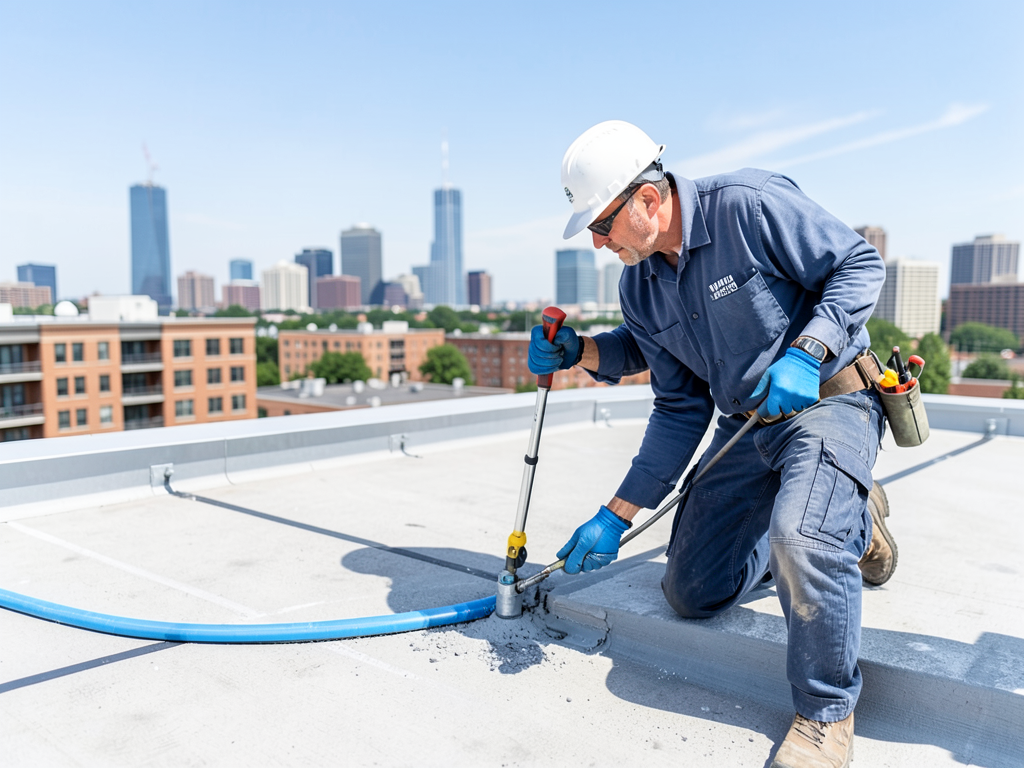
Why Mill District Condo Associations Struggle with Flat Roof Drainage
Flat roofs in Minneapolis’s Mill District create unique drainage challenges that many condo associations underestimate until problems emerge. The combination of historic building conversions, dense urban development, and Minnesota’s extreme climate creates conditions where water management becomes critical for building integrity and resident comfort.
The Mill District’s industrial loft conversions from the early 2000s through today feature extensive flat roof systems that were originally designed for commercial use. When converted to residential condominiums, these structures often retained their original drainage infrastructure, which may not adequately handle the increased roof traffic, snow loads, and ice formation that comes with residential occupancy.. Read more about Is Your Lakeville Gutter System Ready for a Five Inch Rainstorm?.
Common Drainage Problems in Mill District Condos
Mill District condo associations frequently encounter several drainage-related issues that stem from the area’s specific building characteristics and environmental conditions. Understanding these problems helps associations develop effective maintenance strategies.
Ice dam formation represents the most significant winter drainage challenge. When snow accumulates on flat roofs and temperatures fluctuate around freezing, meltwater can refreeze at roof edges and around drains. This creates ice barriers that prevent proper drainage and can lead to water infiltration into living spaces below.
Another common issue involves clogged internal drains and scuppers. The Mill District’s mature tree canopy, particularly along Washington Avenue and nearby parks, contributes to debris accumulation on roof surfaces. During fall months, leaves and organic material can block drainage pathways, causing standing water that accelerates membrane deterioration.
Structural settling and building movement over time can alter roof slopes and create low spots where water pools. Many Mill District buildings are over 100 years old, and even with modern reinforcement, subtle shifts in the structure can affect drainage patterns.
Why Mill District Buildings Face Unique Challenges
The Mill District’s specific characteristics create drainage problems that differ from other Minneapolis neighborhoods. These factors combine to create a perfect storm of drainage complications. Storm Damage Roof Inspections in Plymouth – What to Look for After a Major Storm.
Historic building conversions often involve maintaining original roof structures while adding new waterproofing layers. This creates complex roof assemblies where older drainage components must work with newer materials, sometimes leading to compatibility issues.
The dense urban environment limits natural drainage options. Unlike suburban buildings with expansive grounds, Mill District condos must manage all water within tight property lines, often requiring sophisticated internal drainage systems that can fail if not properly maintained.
Building height and wind patterns in the downtown area affect how snow and debris accumulate on roofs. Taller buildings create wind tunnels that can concentrate debris in certain areas or cause uneven snow distribution, leading to drainage problems in specific zones.
Understanding Minneapolis Building Codes and Drainage Requirements
Minneapolis building codes establish specific requirements for flat roof drainage that condo associations must understand and implement. These regulations ensure proper water management and building safety.
According to the Minneapolis Department of Construction and Inspections, flat roofs must maintain a minimum slope of 1/4 inch per foot toward drainage points. This requirement ensures water flows toward drains rather than pooling on the surface.
The city also mandates specific overflow drainage provisions. When primary drains become blocked, secondary drainage systems must prevent water from rising to within 2 inches of the roof edge. This requirement protects against catastrophic water infiltration during severe weather events.
Ice and water shield requirements have become more stringent in recent years. Current codes require ice and water shield installation extending at least 24 inches beyond the interior wall line in most cases, with additional coverage required in high snow load areas.
Maintenance Strategies That Work for Mill District Associations
Effective drainage maintenance requires a proactive approach that addresses both immediate problems and long-term system health. Mill District condo associations can implement several strategies to minimize drainage issues.
Regular professional inspections should occur at least twice yearly, with additional checks after major storms. These inspections should examine not just visible roof surfaces but also internal drainage components, including pipes, traps, and connections.
Seasonal preparation proves essential for preventing winter drainage problems. This includes clearing debris before freeze-up, checking and testing all drainage components, and ensuring ice and water shield integrity before the first snowfall.
Resident education programs help associations maintain drainage systems. When residents understand how their actions affect roof drainage, they’re more likely to report problems early and avoid activities that could damage drainage components.
Comparing Drainage Solutions for Different Building Types
Different Mill District buildings require different drainage approaches based on their age, construction type, and conversion history. Understanding these differences helps associations choose appropriate solutions.
| Building Type | Common Drainage Issues | Recommended Solutions | Maintenance Frequency |
|---|---|---|---|
| Early 2000s Loft Conversions | Membrane deterioration, clogged drains | Membrane replacement, drain cleaning | Semi-annual |
| Historic Industrial Buildings | Structural settling, outdated drains | Structural assessment, drain upgrades | Annual |
Cost Factors for Drainage Repairs and Upgrades
Drainage system repairs and upgrades represent significant investments for condo associations. Understanding cost factors helps associations budget appropriately and prioritize improvements. EPA Stormwater Management Guidelines.
Material costs vary significantly based on system complexity and building access requirements. Simple drain replacements might cost $500-1,500 per unit, while complete drainage system overhauls for large buildings can exceed $100,000.
Labor costs in the Mill District tend to be higher than suburban areas due to parking restrictions, building access challenges, and the need for specialized equipment to work in dense urban environments.
Emergency repairs typically cost 30-50% more than planned maintenance due to the need for immediate response, overtime labor, and potential water damage mitigation requirements.
Insurance Considerations for Drainage-Related Damage
Condo associations must understand how insurance policies handle drainage-related damage, as coverage can vary significantly based on the cause and extent of the problem.
Standard HOA master policies typically cover sudden and accidental water damage from drainage failures, but may exclude damage from deferred maintenance or known issues that weren’t addressed.
Individual unit owner policies often exclude damage from roof drainage problems, placing responsibility on the association to maintain the building envelope properly.
Documentation becomes crucial when filing insurance claims related to drainage issues. Associations should maintain detailed records of inspections, maintenance activities, and any reported problems to support claims when necessary.
Working with Professional Roofing Contractors
Selecting the right contractor for drainage repairs and maintenance requires careful consideration of experience, licensing, and understanding of Mill District-specific challenges. Choosing the Right Cedar Shake Contractor for Your Minnetonka Home.
Local experience matters significantly. Contractors familiar with Mill District buildings understand the unique access challenges, historic preservation requirements, and specific drainage issues common to these structures.
Proper licensing and insurance are non-negotiable requirements. Contractors should carry both general liability and workers’ compensation insurance, with additional coverage for work on multi-unit residential buildings.
References from similar associations provide valuable insight into a contractor’s reliability and quality of work. Ask for references from other Mill District or downtown Minneapolis condo associations with similar building types.
Preventative Measures That Save Money Long-Term
Investing in preventative measures often proves more cost-effective than addressing problems after they occur. Several strategies can help Mill District associations minimize drainage-related expenses.
Regular drain cleaning schedules prevent minor blockages from becoming major problems. Professional drain cleaning every 6-12 months costs significantly less than emergency repairs after a complete system failure.
Roof coating applications can extend membrane life and improve drainage performance. Modern reflective coatings not only protect the membrane but also reduce ice formation by moderating surface temperatures.
Smart monitoring systems can alert associations to drainage problems before they cause significant damage. These systems can detect standing water, unusual temperature patterns, or drainage flow issues in real-time.
Case Study: Successful Drainage System Overhaul
A recent project at a 1920s warehouse conversion in the Mill District demonstrates how comprehensive drainage improvements can resolve chronic problems and provide long-term reliability.
The 80-unit building had experienced repeated drainage failures, with water infiltration occurring in multiple units during heavy rain and snowmelt events. The original cast iron drainage system, installed during the building’s 2003 conversion, had deteriorated significantly.
The association invested in a complete drainage system replacement, including new PVC piping, upgraded scupper systems, and enhanced overflow provisions. The project also included roof surface regrading to eliminate low spots and improve water flow toward drains. How Much Does a Full Roof Replacement Cost in Bloomington?.
Since completion, the building has experienced zero drainage-related water infiltration incidents, and the association reports a 60% reduction in maintenance calls related to roof drainage issues.
Future Trends in Flat Roof Drainage Technology
Emerging technologies and materials are changing how condo associations approach flat roof drainage, offering new solutions for long-standing problems.
Self-healing membrane materials represent an exciting development in flat roof technology. These materials can seal small punctures and tears automatically, reducing the likelihood of drainage system failures due to membrane damage.
Smart drainage monitoring systems are becoming more sophisticated and affordable. These systems can now integrate with building management platforms, providing real-time data on drainage system performance and alerting maintenance staff to developing problems.
Sustainable drainage solutions are gaining popularity, with some buildings incorporating green roof elements that help manage stormwater while providing additional insulation and aesthetic benefits.
Frequently Asked Questions
How often should Mill District condo associations inspect their flat roof drainage systems?
Professional inspections should occur at least twice yearly, typically in spring and fall. Additional inspections after major storms or severe weather events are also recommended. Regular visual checks by building staff should occur monthly during snow season.
What are the signs that a flat roof drainage system needs replacement rather than repair?
Signs include recurring clogs despite regular cleaning, visible deterioration of drainage components, multiple leak locations suggesting systemic problems, and age exceeding 20-25 years for most drainage systems. Cost-benefit analysis often shows replacement is more economical than repeated repairs. Expert Flat Roof Repair Services for Uptown Businesses and Modern Lofts.
How do Mill District drainage requirements differ from suburban condo buildings?
Mill District buildings face stricter requirements due to historic preservation concerns, denser urban environment, and more complex building configurations. Drainage systems must often work within existing structural constraints and may require specialized solutions that wouldn’t be necessary in suburban settings.
Can condo associations handle basic drainage maintenance themselves?
Some basic maintenance like keeping roof areas clear of debris can be handled by building staff, but most drainage work requires professional expertise. Working on roofs, especially in urban environments, involves safety risks and technical knowledge that most associations lack in-house.
What’s the typical lifespan of a flat roof drainage system in Minneapolis?
Properly maintained drainage systems typically last 20-30 years, though harsh Minnesota weather can reduce this lifespan. Systems in buildings with heavy tree cover or those experiencing frequent clogs may need replacement sooner. Regular maintenance can extend system life significantly.
How much should a Mill District condo association budget annually for drainage maintenance?
Annual maintenance budgets typically range from $5,000 to $15,000 for buildings with 50-100 units, depending on system complexity and building age. This covers regular inspections, cleaning, minor repairs, and emergency response. Associations should also maintain a reserve fund for major repairs or replacement.
Take Action to Protect Your Building
Drainage problems rarely resolve themselves and typically worsen over time, leading to more expensive repairs and potential damage to resident property. Mill District condo associations that take proactive steps to understand and maintain their drainage systems avoid the most common and costly problems.
Start with a comprehensive drainage assessment by a contractor experienced with Mill District buildings and historic conversions. This assessment should identify current problems, potential future issues, and recommended maintenance schedules. From there, develop a multi-year plan that addresses immediate concerns while planning for system upgrades as needed.
Remember that effective drainage management protects not just the building structure but also resident property, association finances, and property values. The investment in proper maintenance and timely repairs typically pays for itself many times over by preventing water damage and extending system life.
Don’t wait for the next major storm or snowmelt event to discover drainage problems. Contact a qualified roofing contractor today to schedule your building’s drainage assessment and take the first step toward reliable, trouble-free roof drainage. Trusted Roofing Contractors in St. Louis Park for Shingle Replacement.
Call Keystone Roofing Minneapolis at (651) 588-9277 to schedule your professional drainage assessment. Our team understands the unique challenges facing Mill District condo associations and can help you develop effective solutions for your building’s specific needs.
{
“@context”: “https://schema.org”,
“@type”: “BlogPosting”,
“headline”: “Why Mill District Condo Associations Struggle with Flat Roof Drainage”,
“description”: “Flat roofs in Minneapolis Mill District condos face unique drainage challenges. Learn how ice dams, building age, and code requirements affect your association’s roof.”,
“wordCount”: 2063,
“datePublished”: “2026-06-14T12:38:00.000Z”,
“dateModified”: “2026-06-14T12:38:00.000Z”,
“inLanguage”: “en-US”,
“mainEntityOfPage”: {
“@type”: “WebPage”,
“@id”: “https://keystoneroofingminneapolis.com”
},
“publisher”: {
“@type”: “LocalBusiness”,
“name”: “Keystone Roofing Minneapolis”,
“url”: “https://keystoneroofingminneapolis.com”
},
“author”: {
“@type”: “Organization”,
“name”: “Keystone Roofing Minneapolis”,
“url”: “https://keystoneroofingminneapolis.com”
},
“image”: {
“@type”: “ImageObject”,
“url”: “https://keystoneroofingminneapolis.com/wp-content/uploads/2026/03/why-mill-district-condo-associations-struggle-with-1.png”
}
}
{
“@context”: “https://schema.org”,
“@type”: “RoofingContractor”,
“name”: “Keystone Roofing Minneapolis”,
“url”: “https://keystoneroofingminneapolis.com”,
“address”: {
“@type”: “PostalAddress”,
“addressLocality”: “Minneapolis”
},
“areaServed”: {
“@type”: “City”,
“name”: “Minneapolis”
}
}
{
“@context”: “https://schema.org”,
“@type”: “FAQPage”,
“mainEntity”: [
{
“@type”: “Question”,
“name”: “How often should Mill District condo associations inspect their flat roof drainage systems?”,
“acceptedAnswer”: {
“@type”: “Answer”,
“text”: “Professional inspections should occur at least twice yearly, typically in spring and fall. Additional inspections after major storms or severe weather events are also recommended. Regular visual checks by building staff should occur monthly during snow season.”
}
},
{
“@type”: “Question”,
“name”: “What are the signs that a flat roof drainage system needs replacement rather than repair?”,
“acceptedAnswer”: {
“@type”: “Answer”,
“text”: “Signs include recurring clogs despite regular cleaning, visible deterioration of drainage components, multiple leak locations suggesting systemic problems, and age exceeding 20-25 years for most drainage systems. Cost-benefit analysis often shows replacement is more economical than repeated repairs. Expert Flat Roof Repair Services for Uptown Businesses and Modern Lofts.”
}
},
{
“@type”: “Question”,
“name”: “How do Mill District drainage requirements differ from suburban condo buildings?”,
“acceptedAnswer”: {
“@type”: “Answer”,
“text”: “Mill District buildings face stricter requirements due to historic preservation concerns, denser urban environment, and more complex building configurations. Drainage systems must often work within existing structural constraints and may require specialized solutions that wouldn’t be necessary in suburban settings.”
}
},
{
“@type”: “Question”,
“name”: “Can condo associations handle basic drainage maintenance themselves?”,
“acceptedAnswer”: {
“@type”: “Answer”,
“text”: “Some basic maintenance like keeping roof areas clear of debris can be handled by building staff, but most drainage work requires professional expertise. Working on roofs, especially in urban environments, involves safety risks and technical knowledge that most associations lack in-house.”
}
},
{
“@type”: “Question”,
“name”: “What’s the typical lifespan of a flat roof drainage system in Minneapolis?”,
“acceptedAnswer”: {
“@type”: “Answer”,
“text”: “Properly maintained drainage systems typically last 20-30 years, though harsh Minnesota weather can reduce this lifespan. Systems in buildings with heavy tree cover or those experiencing frequent clogs may need replacement sooner. Regular maintenance can extend system life significantly.”
}
},
{
“@type”: “Question”,
“name”: “How much should a Mill District condo association budget annually for drainage maintenance?”,
“acceptedAnswer”: {
“@type”: “Answer”,
“text”: “Annual maintenance budgets typically range from $5,000 to $15,000 for buildings with 50-100 units, depending on system complexity and building age. This covers regular inspections, cleaning, minor repairs, and emergency response. Associations should also maintain a reserve fund for major repairs or replacement.”
}
}
]
}
{
“@context”: “https://schema.org”,
“@type”: “BreadcrumbList”,
“itemListElement”: [
{
“@type”: “ListItem”,
“position”: 1,
“name”: “Home”,
“item”: “https://keystoneroofingminneapolis.com”
},
{
“@type”: “ListItem”,
“position”: 2,
“name”: “Blog”,
“item”: “https://keystoneroofingminneapolis.com/blog”
},
{
“@type”: “ListItem”,
“position”: 3,
“name”: “Why Mill District Condo Associations Struggle with Flat Roof Drainage”
}
]
}
{
“@context”: “https://schema.org”,
“@type”: “Service”,
“serviceType”: “Roofing”,
“provider”: {
“@type”: “LocalBusiness”,
“name”: “Keystone Roofing Minneapolis”,
“url”: “https://keystoneroofingminneapolis.com”
},
“areaServed”: {
“@type”: “City”,
“name”: “Minneapolis”
},
“description”: “Flat roofs in Minneapolis Mill District condos face unique drainage challenges. Learn how ice dams, building age, and code requirements affect your association’s roof.”
}
