
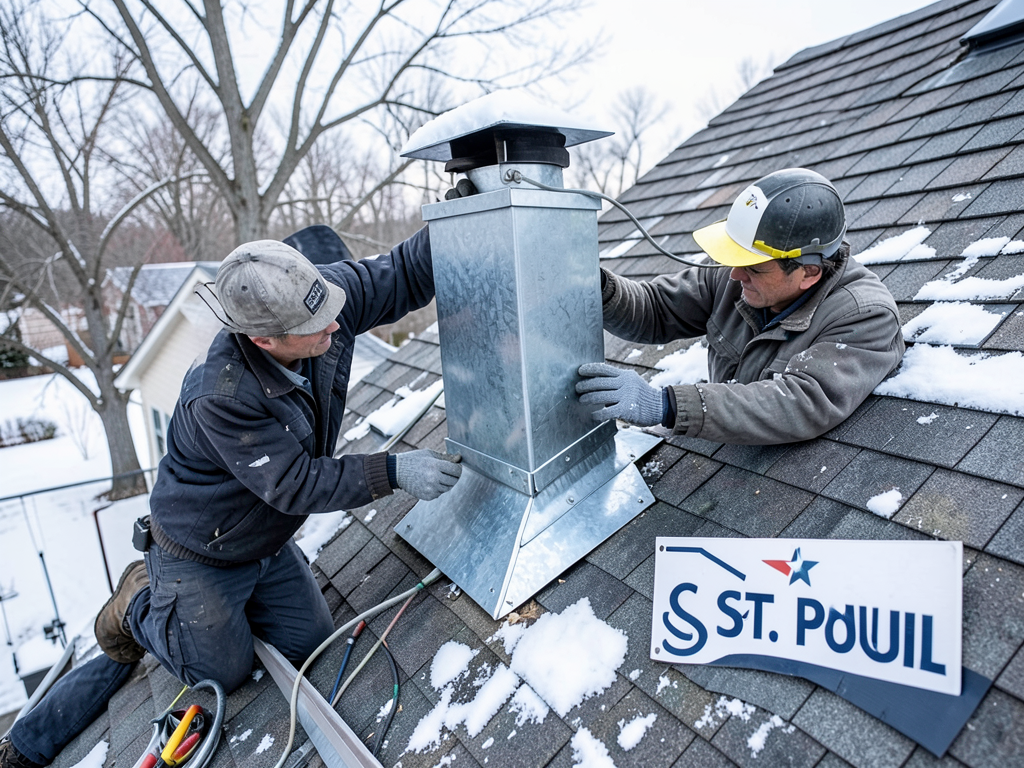
Why You Need a Chimney Cricket to Prevent Massive Leaks in Your Sloped St. Paul Roof
Water pouring down your chimney wall creates a perfect storm for roof leaks. In St. Paul’s climate a simple flashing job often fails because the chimney itself blocks proper drainage. That is where a chimney cricket comes in. This small peaked structure behind your chimney diverts water around the obstruction before it can pool and seep through your roof. Storm Damage Roof Inspections in Plymouth – What to Look for After a Major Storm.
Many older homes in neighborhoods like Highland Park and Macalester-Groveland have chimneys wider than 30 inches. Without a cricket melting snow and rain simply collect behind the chimney. Over time this water finds its way under shingles causing rot and interior ceiling stains. The cricket eliminates this problem by creating a new drainage path.. Read more about Why Your Southwest Minneapolis Chimney Needs More Than Just Caulking to Stop Leaks.
The International Residential Code requires a cricket for chimneys wider than 30 inches when the roof slope is greater than 2:12. This rule exists because steep roofs shed water faster and need proper diversion. In Minnesota’s freeze-thaw cycles this requirement becomes even more critical. Ice dams form easily behind chimneys when snow melts and refreezes. International Residential Code requirements.
Building a cricket involves more than slapping up a small roof. The structure must match your existing roof pitch to ensure water flows correctly. Most crickets use wood framing covered with ice and water shield then finished with shingles that blend with your roof. Some homeowners choose metal crickets for durability especially in areas with heavy snowfall.
Common signs your chimney needs a cricket include water stains on ceiling drywall near the chimney base dark streaks on the chimney itself or visible rot in the roof decking behind the chimney. If you notice these issues during a heavy rain or spring thaw your chimney likely lacks proper water diversion.
Installation costs in the Twin Cities range from $800 to $2500 depending on chimney size roof pitch and material choice. A basic wood framed cricket with asphalt shingles sits at the lower end. A copper or custom metal cricket costs more but lasts decades longer. Most roof replacement projects in St. Paul include cricket installation if needed because the existing roof must be removed anyway. How Much Does a Full Roof Replacement Cost in Bloomington?.
Ice dams represent the biggest threat to chimneys without crickets. When snow melts from your roof heat and runs down to the cold eaves it refreezes. This creates a barrier that traps water. Behind a chimney this trapped water has nowhere to go except under your shingles. A properly installed cricket breaks this cycle by keeping water moving.
Material selection matters for long term performance. Galvanized steel offers good rust resistance at moderate cost. Copper provides superior longevity and develops a protective patina over time. Aluminum works well in salty air but is less common in Minnesota. Some roofers use modified bitumen for low slope applications behind chimneys.
Flashing integration proves critical for cricket success. The cricket must tie into existing step flashing along the chimney sides and counter flashing into the chimney mortar joints. Poor flashing connections create the very leaks the cricket aims to prevent. Quality roofers use continuous ice and water shield under the entire cricket area for maximum protection.
Maintenance remains simple once installed. Keep the cricket clear of leaves and debris especially during fall. In winter avoid piling snow against the chimney base. If you notice ice buildup behind the chimney contact a professional before attempting removal which could damage shingles or flashing.
Older homes in St. Anthony Park and Merriam Park often lack crickets entirely. These neighborhoods feature many 1920s and 1930s bungalows with large masonry chimneys. Adding a cricket during a roof replacement represents the ideal time since scaffolding and roofing materials are already in place. Trusted Roofing Contractors in St. Louis Park for Shingle Replacement.
Insurance companies increasingly recognize the value of crickets in preventing water damage. Some adjusters require crickets on claims involving chimney leaks especially in areas prone to ice dams. Installing a cricket proactively may help with future claims by demonstrating preventive maintenance.
The cricket’s geometry follows specific rules. The peak should sit at least 4 inches higher than the chimney base and extend at least 12 inches beyond each side. The slope typically matches your main roof at 6:12 or 8:12 but can be steeper if needed. These dimensions ensure water flows away rather than pooling.
DIY installation rarely succeeds because crickets require precise framing and waterproofing. The structure must support snow loads common in Minnesota. Improper installation creates more problems than it solves. Professional roofers understand local building codes and climate requirements.
During roof replacement projects many homeowners discover they need crickets they never knew existed. The removal of old roofing often reveals water damage behind chimneys. Installing crickets during replacement adds minimal time while preventing future issues.
Commercial properties in areas like Midway and Energy Park benefit from crickets too. Large commercial chimneys on flat or low slope roofs still need water diversion. The principles remain the same even when scale increases.
Climate change brings more extreme weather to Minnesota. Heavier snowfalls and more freeze-thaw cycles make crickets more important than ever. Homes that never needed crickets before may now benefit from added protection.
Quality installation includes proper ventilation. The cricket should not block attic airflow. Some designs incorporate small vents to maintain air circulation while still diverting water. This prevents moisture buildup in the roof structure.
Material costs have risen but cricket installation remains one of the most cost effective ways to prevent major water damage. The small upfront investment often saves thousands in potential repair costs from leaks. EPA roofing resources.
Understanding your roof pitch helps determine cricket necessity. Homes with steep pitches shed water faster and need better diversion. A 12:12 pitch roof moves water much more aggressively than a 4:12 pitch requiring more robust cricket design.
Local building inspectors in St. Paul and surrounding suburbs check for proper cricket installation during roof inspections. Meeting code requirements ensures your installation passes inspection and maintains warranty coverage.
The best time to install a cricket is during roof replacement or major repair. However existing roofs can accommodate crickets through careful removal of surrounding shingles and proper integration with existing materials. Expert Flat Roof Repair Services for Uptown Businesses and Modern Lofts.
Water always finds the path of least resistance. A chimney without a cricket provides that path directly into your home. The small peaked structure behind your chimney changes that path sending water safely around the obstruction.
Homeowners in Summit Hill and Crocus Hill areas with historic homes should pay special attention to chimney crickets. Many of these homes have original masonry that requires careful flashing integration to prevent damage.. Read more about Maintaining the Original Slate or Tile Aesthetic for Your Stillwater Victorian Home.
Professional installation includes cleanup and disposal of old materials. The work area should look better than before with no nails or debris left behind. Quality roofers treat your property with respect throughout the process.
Modern building practices emphasize prevention over repair. Chimney crickets represent this philosophy perfectly. They stop water problems before they start rather than addressing damage after it occurs.
Understanding local weather patterns helps appreciate cricket importance. St. Paul averages over 50 inches of snow annually. This snow melts and refreezes creating perfect conditions for ice dams behind un-cricketed chimneys.
The cricket installation process typically takes one to two days depending on complexity. Roofers must remove surrounding shingles frame the cricket install ice and water shield and then re shingle the area. The result looks like it was always part of your roof.
Quality materials and proper installation ensure your cricket lasts as long as your roof. This means 20 to 30 years of protection against water damage behind your chimney.
Investing in a chimney cricket represents smart homeownership. It prevents the stress and expense of water damage while protecting your home’s structural integrity for years to come.
Chimney Cricket Installation Costs in the Twin Cities
| Material Type | Average Cost Range | Expected Lifespan |
|---|---|---|
| Asphalt Shingle Over Wood Frame | $800 – $1,200 | 15-20 years |
| Galvanized Steel | $1,200 – $1,800 | 25-30 years |
| Copper | $1,800 – $2,500 | 40+ years |
Warning Signs Your Chimney Needs a Cricket
- Water stains on ceiling near chimney
- Dark streaks running down chimney exterior
- Missing or damaged flashing behind chimney
- Ice buildup visible behind chimney in winter
- Musty odors near fireplace during rain
Frequently Asked Questions
Do all chimneys need crickets?
No only chimneys wider than 30 inches on roofs with slope greater than 2:12 typically require crickets. However smaller chimneys in areas with heavy snowfall may still benefit from added protection.
How long does cricket installation take?
Most installations take one to two days depending on weather roof complexity and material choice. Professional roofers can often complete the work during scheduled roof maintenance.
Will insurance cover cricket installation?
Insurance typically does not cover preventive installations. However if water damage from a missing cricket leads to a claim some insurers may require installation as part of the repair process.
Can I install a cricket myself?
DIY installation is not recommended. Crickets require precise framing waterproofing and flashing integration. Improper installation often causes more problems than it solves.
How do I know if my chimney is wide enough to need a cricket?
Measure the width of your chimney at the roofline. If it exceeds 30 inches and your roof slope is greater than 2:12 you likely need a cricket according to building codes.
[IMAGE_PLACEHOVER_1]
Protect Your Home from Water Damage Today
Don’t wait for water to find its way into your home through a vulnerable chimney. A properly installed cricket provides years of protection against Minnesota’s harsh weather. Contact our experienced team to inspect your chimney and recommend the right solution for your home. Choosing the Right Cedar Shake Contractor for Your Minnetonka Home.
Call us now at (651) 588-9277 to schedule your chimney inspection. We serve homeowners throughout St. Paul Minneapolis and surrounding communities with honest assessments and quality workmanship you can trust.
You may also find this helpful. Why Many Mac-Groveland Bungalows Need Custom Flashing Around Wide Chimneys.
You may also find this helpful. Is Your Lakeville Gutter System Ready for a Five Inch Rainstorm?.
{
“@context”: “https://schema.org”,
“@type”: “BlogPosting”,
“headline”: “Why You Need a Chimney Cricket to Prevent Massive Leaks in Your Sloped St. Paul Roof”,
“description”: “Discover why chimney crickets are essential for preventing ice dams and leaks on sloped St. Paul roofs. Learn local building codes, costs, and warning signs.”,
“wordCount”: 1675,
“datePublished”: “2026-06-02T12:48:00.000Z”,
“dateModified”: “2026-06-02T12:48:00.000Z”,
“inLanguage”: “en-US”,
“mainEntityOfPage”: {
“@type”: “WebPage”,
“@id”: “https://keystoneroofingminneapolis.com”
},
“publisher”: {
“@type”: “LocalBusiness”,
“name”: “Keystone Roofing Minneapolis”,
“url”: “https://keystoneroofingminneapolis.com”
},
“author”: {
“@type”: “Organization”,
“name”: “Keystone Roofing Minneapolis”,
“url”: “https://keystoneroofingminneapolis.com”
},
“image”: {
“@type”: “ImageObject”,
“url”: “https://keystoneroofingminneapolis.com/wp-content/uploads/2026/03/why-you-need-a-chimney-cricket-to-prevent-massive-1.png”
}
}
{
“@context”: “https://schema.org”,
“@type”: “RoofingContractor”,
“name”: “Keystone Roofing Minneapolis”,
“url”: “https://keystoneroofingminneapolis.com”,
“address”: {
“@type”: “PostalAddress”,
“addressLocality”: “Minneapolis”
},
“areaServed”: {
“@type”: “City”,
“name”: “Minneapolis”
}
}
{
“@context”: “https://schema.org”,
“@type”: “FAQPage”,
“mainEntity”: [
{
“@type”: “Question”,
“name”: “Do all chimneys need crickets?”,
“acceptedAnswer”: {
“@type”: “Answer”,
“text”: “No only chimneys wider than 30 inches on roofs with slope greater than 2:12 typically require crickets. However smaller chimneys in areas with heavy snowfall may still benefit from added protection.”
}
},
{
“@type”: “Question”,
“name”: “How long does cricket installation take?”,
“acceptedAnswer”: {
“@type”: “Answer”,
“text”: “Most installations take one to two days depending on weather roof complexity and material choice. Professional roofers can often complete the work during scheduled roof maintenance.”
}
},
{
“@type”: “Question”,
“name”: “Will insurance cover cricket installation?”,
“acceptedAnswer”: {
“@type”: “Answer”,
“text”: “Insurance typically does not cover preventive installations. However if water damage from a missing cricket leads to a claim some insurers may require installation as part of the repair process.”
}
},
{
“@type”: “Question”,
“name”: “Can I install a cricket myself?”,
“acceptedAnswer”: {
“@type”: “Answer”,
“text”: “DIY installation is not recommended. Crickets require precise framing waterproofing and flashing integration. Improper installation often causes more problems than it solves.”
}
},
{
“@type”: “Question”,
“name”: “How do I know if my chimney is wide enough to need a cricket?”,
“acceptedAnswer”: {
“@type”: “Answer”,
“text”: “Measure the width of your chimney at the roofline. If it exceeds 30 inches and your roof slope is greater than 2:12 you likely need a cricket according to building codes.”
}
}
]
}
{
“@context”: “https://schema.org”,
“@type”: “BreadcrumbList”,
“itemListElement”: [
{
“@type”: “ListItem”,
“position”: 1,
“name”: “Home”,
“item”: “https://keystoneroofingminneapolis.com”
},
{
“@type”: “ListItem”,
“position”: 2,
“name”: “Blog”,
“item”: “https://keystoneroofingminneapolis.com/blog”
},
{
“@type”: “ListItem”,
“position”: 3,
“name”: “Why You Need a Chimney Cricket to Prevent Massive Leaks in Your Sloped St. Paul Roof”
}
]
}
{
“@context”: “https://schema.org”,
“@type”: “Service”,
“serviceType”: “Roofing”,
“provider”: {
“@type”: “LocalBusiness”,
“name”: “Keystone Roofing Minneapolis”,
“url”: “https://keystoneroofingminneapolis.com”
},
“areaServed”: {
“@type”: “City”,
“name”: “Minneapolis”
},
“description”: “Discover why chimney crickets are essential for preventing ice dams and leaks on sloped St. Paul roofs. Learn local building codes, costs, and warning signs.”
}
