
Why Your 1.5 Story Cape Cod in the Victory Neighborhood Needs Specialized Soffit Intake
Your Victory neighborhood Cape Cod home faces unique ventilation challenges that standard roofing solutions simply cannot address. The combination of Minneapolis’s harsh winters and the architectural constraints of 1.5-story homes creates a perfect storm for moisture problems, ice dams, and uncomfortable upper floors. Storm Damage Roof Inspections in Plymouth – What to Look for After a Major Storm.

The Unique Anatomy of a Cape Cod Roof
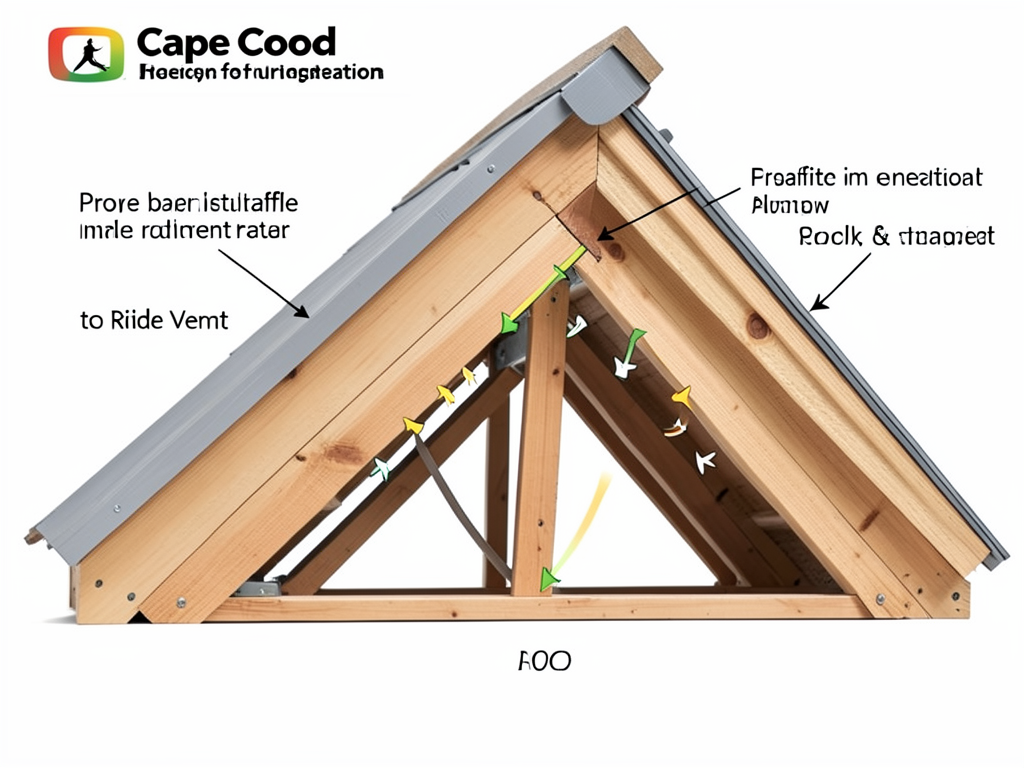
Unlike traditional two-story homes with full attics, Cape Cod designs feature sloped ceilings on the upper floor that extend directly into the roof structure. This creates a narrow rafter bay space where insulation and ventilation must coexist in a confined area. The kneewalls that form the sides of your upper floor create additional thermal bridges that standard ventilation cannot effectively address.. Read more about How Thermal Bridging in Your Attic is Creating Ghost Lines on Your Savage Roof.
The collar attic space above your sloped ceiling presents another challenge. This small triangular area often lacks proper soffit intake because the overhang is minimal or non-existent. Without dedicated intake vents, your ridge vent or other exhaust systems cannot function properly, creating negative pressure that pulls warm air from your living space into the attic.. Read more about Why Your St Louis Park Attic Bypasses Are Costing You a Fortune Every Winter.
Why Minneapolis Climate Makes Ventilation Critical
Minneapolis experiences extreme freeze-thaw cycles that wreak havoc on poorly ventilated Cape Cod roofs. When warm air from your living space escapes into the attic, it meets the cold roof deck and creates condensation. This moisture buildup leads to mold growth, wood rot, and reduced insulation effectiveness. During winter, this same warm air melts snow on your roof, which then refreezes at the eaves creating ice dams.
The Twin Cities receives an average of 54 inches of snow annually. This heavy snow load insulates your roof, trapping any heat that escapes from your home. Without proper ventilation to create a cold roof system, this heat melts the bottom layer of snow, causing water to pool behind ice dams. The result is water backing up under your shingles and leaking into your home.. Read more about Choosing the Right Shingle Color to Keep Your Highland Park Home Cool During Humid Summers.
Top Ventilation Solutions for Cape Cod Homes
SmartVent Systems for Limited Soffit Space
SmartVent technology provides continuous intake ventilation along the eave edge where traditional soffit vents cannot fit. These low-profile vents install directly under the shingles and create a 3-inch air channel that draws cool air into the attic space. For Victory neighborhood homes with minimal overhangs, SmartVent offers the only viable intake solution.
Ridge Vent and Baffle Synchronization
Continuous ridge vents paired with properly installed baffles create an effective exhaust system for your Cape Cod roof. Baffles prevent insulation from blocking the airflow path from your intake vents to the ridge. In the narrow rafter bays typical of 1.5-story homes, rigid baffles maintain the critical 1-inch clearance needed for proper ventilation.
Collar Attic Ventilation Strategies
The collar attic above your sloped ceiling requires its own ventilation strategy. Gable vents or small roof vents installed in this space prevent heat buildup that would otherwise radiate down into your upper floor. This separation of ventilation zones ensures that your sloped ceiling area and collar attic work together rather than against each other. EPA ventilation guidelines.
Case Study: Minneapolis Cape Cod Transformation
A 1940s Cape Cod in the nearby Audubon Park neighborhood faced chronic ice dam problems and a second floor that was 8-10 degrees warmer than the main level. The home had minimal soffit overhang and no existing intake ventilation. After installing SmartVent intake along the entire eave edge, adding baffles in each rafter bay, and ensuring proper ridge vent exhaust, the homeowners reported a 60% reduction in ice dam formation and a 5-degree decrease in upper floor temperatures during summer months.
The project also included sealing attic bypasses around plumbing stacks and electrical penetrations. These bypasses were responsible for approximately 30% of the heat loss into the attic space. By addressing both ventilation and air sealing, the solution tackled the problem from multiple angles.
Local Building Codes and Compliance
Minneapolis building code requires a minimum of 1 square foot of net free ventilation area for every 150 square feet of attic floor space. For homes with vapor barriers, this ratio can be reduced to 1:300. However, Cape Cod homes with minimal attic floor space must calculate ventilation based on the actual rafter bay volume, which often requires more aggressive intake solutions.
The Minnesota State Building Code also mandates ice and water shield installation extending from the eave edge up the roof deck a minimum of 24 inches past the interior wall plane. For Cape Cod homes in the Victory neighborhood, this often means covering the entire lower slope where ice dam formation is most likely.
Ventilation Product Comparison
| Product Type | Best For | Installation Complexity | Cost Range |
|---|---|---|---|
| SmartVent | Cape Cod eaves with minimal overhang | Moderate | $15-25 per linear foot |
| Continuous Ridge Vent | Exhaust for most roof types | High | $3-5 per linear foot |
| Rigid Baffles | Narrow rafter bays in 1.5-story homes | Low | $3-7 per baffle |
| Gable Vents | Collar attic spaces | Low | $50-150 per vent |
Installation Best Practices
- Air Sealing First – Seal all attic bypasses before adding ventilation. This prevents your new vents from drawing conditioned air from your living space.
- Proper Baffle Installation – Install baffles from soffit to ridge in every rafter bay. Ensure they maintain a 1-inch clearance from the roof deck.
- Balanced System – Your intake ventilation should equal your exhaust ventilation. For Cape Cod homes, this often means more intake than standard homes require.
- Professional Assessment – Have a qualified contractor evaluate your specific roof geometry. Cape Cod ventilation is not a one-size-fits-all solution.
Common Ventilation Mistakes to Avoid
- Installing only exhaust vents without adequate intake
- Using flexible baffles that collapse over time
- Blocking soffit vents with insulation
- Ignoring the collar attic space
- Mixing different vent types that interfere with each other
Energy Efficiency Benefits
Proper ventilation does more than prevent ice dams. A well-ventilated Cape Cod roof can reduce your cooling costs by 10-15% during Minneapolis summers. The upper floor stays cooler because hot air is actively exhausted rather than radiating down into your living space. During winter, your heating system works less because warm air isn’t constantly escaping through attic bypasses.
Many Victory neighborhood homes built before 1970 have zero or minimal insulation in their rafter bays. Adding proper insulation alongside your new ventilation system can further improve your home’s energy performance. Dense-pack cellulose or spray foam insulation works best in the narrow cavities typical of Cape Cod construction.
Maintenance Considerations
Even the best ventilation system requires periodic maintenance. Check your intake vents annually for debris buildup, especially after fall leaf drop. Inspect baffles to ensure they haven’t been compromised by animals or deterioration. During heavy snow years, monitor your roof for excessive snow accumulation that might block ridge vents. Commercial Roof Maintenance.
The freeze-thaw cycles in Minneapolis can cause subtle shifts in your roof structure over time. These shifts might affect the alignment of your ventilation components. An annual inspection can catch these issues before they compromise your system’s effectiveness.
Frequently Asked Questions
How do I know if my Cape Cod needs better ventilation?
Signs include ice dams in winter, a second floor that’s significantly warmer than the first floor, condensation on your windows during cold weather, or visible moisture stains on your ceiling. If your home is over 20 years old and hasn’t had ventilation upgrades, it likely needs improvement.
Can I add ventilation without replacing my roof?
Yes, in many cases. SmartVent systems can be retrofitted to existing roofs. However, if your shingles are nearing the end of their lifespan, combining ventilation upgrades with a roof replacement is often more cost-effective and ensures proper integration of all components. How Much Does a Full Roof Replacement Cost in Bloomington?.
How long does installation take?
Most Cape Cod ventilation projects take 1-2 days for a qualified crew. The exact timeline depends on your roof’s complexity, accessibility, and whether additional work like air sealing or insulation is included.
Will better ventilation make my house colder in winter?
No. Proper ventilation creates a balanced system that maintains consistent temperatures. You’ll actually be warmer because you’re eliminating drafts and moisture problems that make your home feel cold and clammy.
What’s the cost range for Cape Cod ventilation upgrades?
Most projects range from $2,000 to $5,000 depending on the scope of work. Factors affecting cost include roof accessibility, the need for air sealing, insulation upgrades, and whether you’re combining the work with other exterior improvements.
Professional Assessment: The First Step
Every Cape Cod home in Victory has unique ventilation challenges based on its specific construction, orientation, and existing conditions. A professional assessment identifies the exact bottlenecks in your current system and recommends solutions tailored to your home’s architecture.
During an assessment, a qualified contractor will measure your actual ventilation ratios, inspect for attic bypasses, evaluate your insulation levels, and assess your roof’s condition. This comprehensive evaluation ensures that any ventilation upgrades address the root causes of your comfort and moisture problems rather than just treating symptoms.
The investment in proper Cape Cod ventilation pays dividends through improved comfort, lower energy bills, and protection against costly moisture damage. In the Victory neighborhood’s climate, this specialized approach isn’t a luxury—it’s a necessity for preserving your home’s structural integrity and livability.
Take Action Today
Don’t wait for the next ice dam season to address your Cape Cod’s ventilation problems. The combination of Minneapolis’s harsh winters and your home’s unique architecture creates conditions that worsen over time. Early intervention prevents the costly repairs that result from years of moisture damage and heat loss. Expert Flat Roof Repair Services for Uptown Businesses and Modern Lofts.
Contact a local roofing contractor who understands the specific challenges of 1.5-story homes in the Twin Cities area. Ask about their experience with SmartVent systems, baffle installation, and Cape Cod roof ventilation specifically. Your Victory neighborhood home deserves solutions designed for its unique needs, not generic approaches that leave critical problems unresolved. Trusted Roofing Contractors in St. Louis Park for Shingle Replacement.
Call (651) 588-9277 today to schedule your Cape Cod ventilation assessment. Our team specializes in the exact challenges your Victory neighborhood home faces, with proven solutions that have helped countless Minneapolis homeowners achieve better comfort, lower energy bills, and lasting protection against ice dams and moisture damage. For more information, visit International Association of Certified Home Inspectors.
You may also find this helpful. Protecting Your Arden Hills Home from Raccoons and Other Pests Tearing at Your Shingles.
You may also find this helpful. Why Vaulted Ceilings in Battle Creek Homes Often Lead to Secret Roof Problems.
{
“@context”: “https://schema.org”,
“@type”: “BlogPosting”,
“headline”: “Why Your 1.5 Story Cape Cod in the Victory Neighborhood Needs Specialized Soffit Intake”,
“description”: “Discover why Cape Cod homes in Victory face unique ventilation challenges. Learn specialized soffit intake solutions for Minneapolis winters and ice dam prevention.”,
“wordCount”: 1723,
“datePublished”: “2026-05-11T15:38:00.000Z”,
“dateModified”: “2026-05-11T15:38:00.000Z”,
“inLanguage”: “en-US”,
“mainEntityOfPage”: {
“@type”: “WebPage”,
“@id”: “https://keystoneroofingminneapolis.com”
},
“publisher”: {
“@type”: “LocalBusiness”,
“name”: “Keystone Roofing Minneapolis”,
“url”: “https://keystoneroofingminneapolis.com”
},
“author”: {
“@type”: “Organization”,
“name”: “Keystone Roofing Minneapolis”,
“url”: “https://keystoneroofingminneapolis.com”
},
“image”: {
“@type”: “ImageObject”,
“url”: “https://keystoneroofingminneapolis.com/wp-content/uploads/2026/03/why-your-1-5-story-cape-cod-in-the-victory-neighbo-1.png”
}
}
{
“@context”: “https://schema.org”,
“@type”: “RoofingContractor”,
“name”: “Keystone Roofing Minneapolis”,
“url”: “https://keystoneroofingminneapolis.com”,
“address”: {
“@type”: “PostalAddress”,
“addressLocality”: “Minneapolis”
},
“areaServed”: {
“@type”: “City”,
“name”: “Minneapolis”
}
}
{
“@context”: “https://schema.org”,
“@type”: “FAQPage”,
“mainEntity”: [
{
“@type”: “Question”,
“name”: “How do I know if my Cape Cod needs better ventilation?”,
“acceptedAnswer”: {
“@type”: “Answer”,
“text”: “Signs include ice dams in winter, a second floor that’s significantly warmer than the first floor, condensation on your windows during cold weather, or visible moisture stains on your ceiling. If your home is over 20 years old and hasn’t had ventilation upgrades, it likely needs improvement.”
}
},
{
“@type”: “Question”,
“name”: “Can I add ventilation without replacing my roof?”,
“acceptedAnswer”: {
“@type”: “Answer”,
“text”: “Yes, in many cases. SmartVent systems can be retrofitted to existing roofs. However, if your shingles are nearing the end of their lifespan, combining ventilation upgrades with a roof replacement is often more cost-effective and ensures proper integration of all components. How Much Does a Full Roof Replacement Cost in Bloomington?.”
}
},
{
“@type”: “Question”,
“name”: “How long does installation take?”,
“acceptedAnswer”: {
“@type”: “Answer”,
“text”: “Most Cape Cod ventilation projects take 1-2 days for a qualified crew. The exact timeline depends on your roof’s complexity, accessibility, and whether additional work like air sealing or insulation is included.”
}
},
{
“@type”: “Question”,
“name”: “Will better ventilation make my house colder in winter?”,
“acceptedAnswer”: {
“@type”: “Answer”,
“text”: “No. Proper ventilation creates a balanced system that maintains consistent temperatures. You’ll actually be warmer because you’re eliminating drafts and moisture problems that make your home feel cold and clammy.”
}
},
{
“@type”: “Question”,
“name”: “What’s the cost range for Cape Cod ventilation upgrades?”,
“acceptedAnswer”: {
“@type”: “Answer”,
“text”: “Most projects range from $2,000 to $5,000 depending on the scope of work. Factors affecting cost include roof accessibility, the need for air sealing, insulation upgrades, and whether you’re combining the work with other exterior improvements.”
}
}
]
}
{
“@context”: “https://schema.org”,
“@type”: “BreadcrumbList”,
“itemListElement”: [
{
“@type”: “ListItem”,
“position”: 1,
“name”: “Home”,
“item”: “https://keystoneroofingminneapolis.com”
},
{
“@type”: “ListItem”,
“position”: 2,
“name”: “Blog”,
“item”: “https://keystoneroofingminneapolis.com/blog”
},
{
“@type”: “ListItem”,
“position”: 3,
“name”: “Why Your 1.5 Story Cape Cod in the Victory Neighborhood Needs Specialized Soffit Intake”
}
]
}
{
“@context”: “https://schema.org”,
“@type”: “Service”,
“serviceType”: “Roofing”,
“provider”: {
“@type”: “LocalBusiness”,
“name”: “Keystone Roofing Minneapolis”,
“url”: “https://keystoneroofingminneapolis.com”
},
“areaServed”: {
“@type”: “City”,
“name”: “Minneapolis”
},
“description”: “Discover why Cape Cod homes in Victory face unique ventilation challenges. Learn specialized soffit intake solutions for Minneapolis winters and ice dam prevention.”
}
