
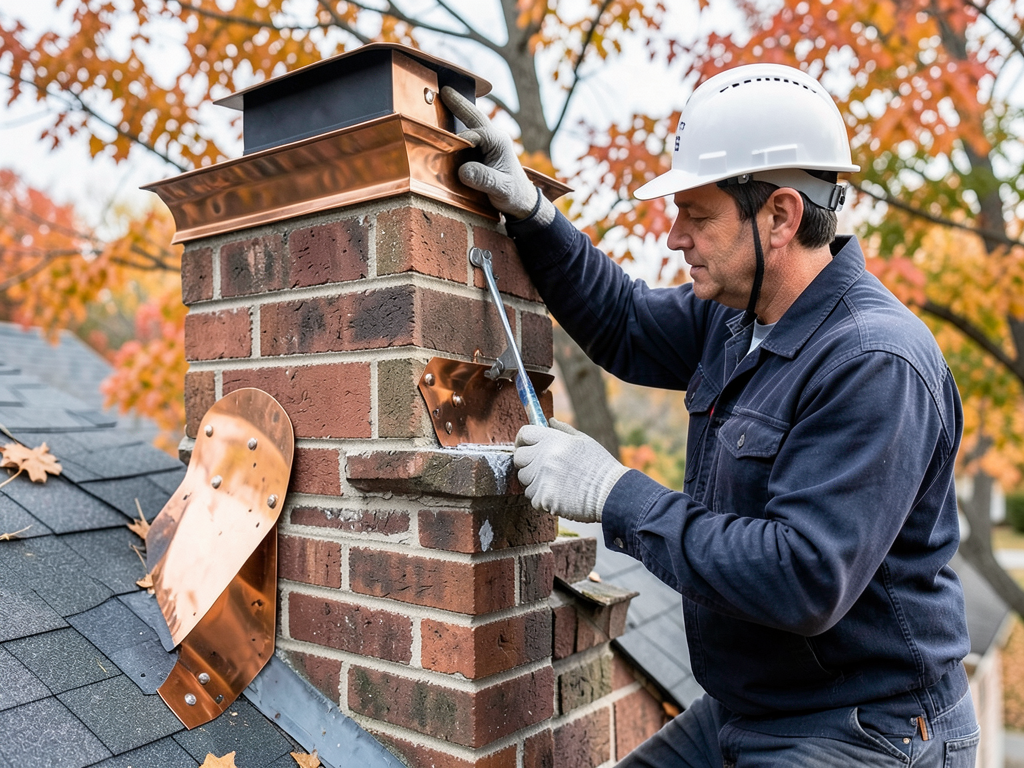
Why Your Southwest Minneapolis Chimney Needs More Than Just Caulking to Stop Leaks
Your chimney leaks more than just smoke into the air. When water finds its way through aging or damaged flashing, it creates costly problems inside your home. Many Southwest Minneapolis homeowners grab a tube of caulk thinking that solves the issue. But that quick fix rarely addresses the real problem. Storm Damage Roof Inspections in Plymouth – What to Look for After a Major Storm.
Chimney flashing creates a waterproof barrier where your masonry meets the roof. This connection faces constant stress from Minnesota’s extreme weather. Ice dams form along the roof edge, pushing water uphill under shingles. Freeze-thaw cycles cause metal to expand and contract thousands of times per year. These forces break down even the best caulking within months.. Read more about Why a Tiny Water Spot on Your Eagan Ceiling is a Real Emergency.
The real solution requires understanding what makes chimney flashing fail in the first place. Then you can make informed decisions about proper repairs that last. EPA Mold Information.
How Minneapolis Weather Destroys Chimney Flashing
Southwest Minneapolis sits in the heart of the Twin Cities metro, experiencing some of Minnesota’s harshest winter conditions. Heavy snow piles up on roofs, creating perfect conditions for ice dams. These ice formations trap melting snow, forcing water backward under shingles and flashing.
Freeze-thaw cycles accelerate damage. When temperatures swing from below zero to above freezing within 48 hours, materials expand and contract dramatically. Metal flashing bends slightly each time. Eventually, gaps form where water can enter.
Ice dams create particular problems for chimneys. Snow melts from heat rising through the flue, then refreezes at the cooler roof edges. This cycle builds thick ice layers that can lift flashing completely away from the chimney.
Summer brings different challenges. Intense thunderstorms dump heavy rain in short periods. Hail damages protective coatings on flashing materials. High winds lift shingles and expose vulnerable flashing edges.
Common Signs Your Chimney Flashing Has Failed
Water damage often appears far from the actual leak source. You might notice water stains on your ceiling near the chimney. Sometimes the damage shows up in completely different rooms as water travels along rafters.
Inside your fireplace, you may see water dripping during rain or snow melt. This indicates flashing failure around the chimney crown or where the chimney meets the roof.
A musty smell near your fireplace suggests ongoing moisture problems. Mold or mildew growth on chimney surfaces confirms water intrusion.
Outside, look for visible gaps between flashing and chimney masonry. Rust spots on metal flashing indicate deterioration. Missing or loose flashing pieces suggest storm damage.
Attic inspection reveals more clues. Water stains on rafters or roof decking near the chimney point to flashing problems. Ice buildup in winter months shows where heat escapes and creates melting conditions.
Why Caulking Won’t Fix Chimney Leaks
Caulking seems like an easy solution. You can buy a tube at any hardware store and apply it yourself. But this approach creates several problems.
First, caulking cannot flex enough to handle Minnesota’s temperature swings. Even premium polyurethane sealants crack when metal expands and contracts. Once cracked, water seeps through and the caulking fails completely.
Second, caulking only works on small gaps. Chimney flashing failures often involve large sections where metal has separated from masonry or roof surfaces. No amount of caulking can bridge these gaps effectively.
Third, caulking hides the real problem. You might stop a small leak temporarily, but underlying issues like rusted flashing or damaged counter flashing continue to worsen. The leak returns, often worse than before.
Fourth, improper caulking can trap water. If you seal a leak without fixing the cause, water may find new paths into your home. This creates hidden damage inside walls and ceilings.
Understanding Chimney Flashing Components
Proper chimney flashing involves multiple layers working together. Each component serves a specific purpose in keeping water out.
Step flashing creates the first barrier. These L-shaped metal pieces install under each shingle course along the chimney sides. They direct water down and away from the chimney structure.
Counter flashing embeds into the chimney mortar joints. This metal covers the step flashing and creates a second waterproof layer. Counter flashing must be custom bent and installed to fit each chimney precisely.
Base flashing sits at the bottom of the chimney where it meets the roof. This piece directs water away from the chimney base and integrates with the roofing system. Trusted Roofing Contractors in St. Louis Park for Shingle Replacement.
Crickets or saddles install on the uphill side of chimneys wider than 30 inches. These metal structures divert water and snow around the chimney, preventing buildup and ice dam formation.
Ice and water shield provides an additional waterproof layer beneath the flashing. This self-adhering membrane creates a secondary barrier if water penetrates the primary flashing system.
The Professional Chimney Flashing Repair Process
Professional repair starts with a thorough inspection. Technicians examine all flashing components, checking for rust, separation, and damage. They also inspect the chimney crown, mortar joints, and surrounding roofing materials. Expert Flat Roof Repair Services for Uptown Businesses and Modern Lofts.
Removal of old materials comes next. This includes taking off damaged shingles, old flashing, and deteriorated sealants. The process exposes the roof deck and chimney surfaces for proper assessment.
Installation of ice and water shield creates the foundation for new flashing. This membrane extends several feet up the roof from the chimney and wraps around the chimney sides.
New step flashing installs under each shingle course. Each piece overlaps the previous one, creating a shingled effect that directs water downward. The flashing bends precisely to fit the roof slope and chimney dimensions.
Counter flashing requires careful masonry work. Technicians grind out mortar joints, insert the flashing, then repoint with new mortar. This creates a permanent waterproof seal that moves with the chimney.
Apron flashing installs at the chimney base. This piece integrates with the roofing system and directs water away from the chimney structure.
Final sealing uses high-quality polyurethane sealants at specific joints. Unlike caulking, these sealants remain flexible and bond permanently to both metal and masonry surfaces.
Material Choices for Minneapolis Chimneys
Material selection impacts how long your flashing lasts in Minnesota conditions. Different metals offer varying levels of durability and cost.
Galvanized steel represents the most economical option. It costs less but rusts faster in Minnesota’s harsh conditions. Expect 10-15 years of service before replacement becomes necessary. How Much Does a Full Roof Replacement Cost in Bloomington?.
Aluminum offers better corrosion resistance than galvanized steel. It weighs less and costs moderately more. However, aluminum can suffer from galvanic corrosion when in contact with certain masonry materials.
Copper provides the longest-lasting solution. This material develops a protective patina over time and resists corrosion exceptionally well. Copper flashing often lasts 50+ years in Minnesota conditions. The initial cost runs higher but proves economical over the system’s lifetime.
Stainless steel combines strength with corrosion resistance. It costs more than galvanized steel but less than copper. This material works well in areas with severe weather exposure.
Material selection also depends on your chimney’s existing materials. Copper flashing on a brick chimney creates a classic appearance. Stainless steel works well with modern siding materials.
Minneapolis Building Code Requirements
Minneapolis and Hennepin County enforce specific building codes for chimney flashing installation. These requirements ensure proper waterproofing and structural integrity.
The Minnesota State Building Code mandates ice and water shield installation in designated areas. For chimney flashing, this means extending the shield at least 24 inches up the roof from the chimney and wrapping it around all sides.
Flashing materials must meet specific thickness requirements. Most building codes require minimum 26-gauge metal for flashing components. Thicker materials provide better durability in extreme weather.
Counter flashing installation must follow precise methods. The flashing must extend at least 1.5 inches into mortar joints and terminate below the roof surface. This prevents water from entering behind the flashing.
Permits often require for chimney flashing repairs involving structural changes. Simple caulking repairs might not need permits, but complete flashing replacement typically does.
Local inspectors verify proper installation during and after repairs. They check flashing dimensions, material quality, and integration with roofing systems.
Cost Factors for Chimney Flashing Repair in Minneapolis
Several factors determine the total cost of chimney flashing repair. Understanding these helps you budget appropriately for professional repairs.
Chimney size and complexity affect pricing. A simple one-flue chimney costs less to repair than a large multi-flue structure with multiple roof intersections. Complex shapes require more custom flashing work.
Material selection impacts both initial cost and long-term value. Galvanized steel offers the lowest upfront cost but requires replacement sooner. Copper costs more initially but provides decades of service.
Roof accessibility influences labor costs. Steep roofs or those surrounded by landscaping require additional safety equipment and time. Single-story homes cost less to access than multi-story structures.
Existing damage extent determines repair scope. Minor flashing separation costs less to fix than widespread deterioration requiring complete system replacement.
Seasonal timing affects pricing. Emergency repairs during winter months often cost more due to weather complications and urgent scheduling needs.
Permit requirements add administrative costs. Some contractors include permit fees in their quotes, while others charge separately.
Preventing Future Chimney Leaks
Regular maintenance prevents many chimney flashing problems. Annual inspections catch issues before they cause interior damage. Commercial Roof Maintenance.
Keep your roof clear of debris. Leaves and twigs trap moisture against flashing, accelerating corrosion. Clean gutters ensure proper water drainage away from the chimney base.
Monitor your attic during winter months. Look for ice buildup or water stains near the chimney. Early detection prevents extensive damage.
Address ice dams promptly. Use roof rakes to remove snow from lower roof edges. Consider professional ice dam removal if buildup becomes severe.
Maintain proper attic ventilation. Good airflow prevents heat buildup that melts snow unevenly and creates ice dam conditions.
Schedule professional inspections after major storms. Hail and high winds can damage flashing even when you don’t notice immediate leaks.
Consider upgrading to more durable materials during repairs. The small additional cost often pays for itself through extended service life.
Choosing a Minneapolis Chimney Repair Contractor
Not all roofing contractors have the masonry expertise needed for proper chimney flashing repair. Look for specific qualifications when selecting a contractor.
Verify proper licensing and insurance. Minnesota requires contractors to carry specific insurance coverage. Ask for proof of both general liability and workers’ compensation insurance.
Check experience with chimney work specifically. Many roofers handle standard flashing but lack masonry repair skills. Look for contractors who regularly work on chimneys.
Ask about material warranties. Quality contractors stand behind their workmanship with written guarantees. Understand what’s covered and for how long.
Request local references. Talk to past customers in Southwest Minneapolis or nearby neighborhoods like Edina or St. Louis Park. They can share their experiences with similar repairs.
Get detailed written estimates. Professional quotes should specify materials, scope of work, and timelines. Avoid contractors who provide vague or verbal estimates only.
Understand the repair process. Quality contractors explain their methods and why certain approaches work better in Minnesota conditions.
Frequently Asked Questions
Can I just seal my chimney flashing with caulk?
No. Caulking provides only temporary relief and often traps water, causing more damage. Proper flashing repair requires removing old materials and installing new metal components that flex with temperature changes.
How long should chimney flashing last in Minneapolis?
Quality flashing typically lasts 20-30 years with proper installation. Galvanized steel may need replacement after 10-15 years, while copper can last 50+ years in Minnesota conditions.
What causes chimney leaks in winter?
Ice dams create the most common winter leaks. Snow melts from heat escaping through your chimney, then refreezes at colder roof edges. This ice buildup lifts flashing and allows water to enter.
How much does chimney flashing repair cost in Minneapolis?
Repair costs typically range from $1,500 to $4,000 depending on chimney size, materials chosen, and extent of damage. Simple repairs cost less, while complete flashing replacement costs more.
When is the best time to repair chimney flashing?
Spring and fall offer ideal conditions for flashing repair. Mild temperatures allow proper sealant curing and make working conditions safer. However, active leaks require immediate attention regardless of season.
Take Action to Stop Your Chimney Leaks
Chimney leaks won’t fix themselves. Each day you wait allows water to damage your home’s structure, insulation, and interior finishes. The longer you delay, the more expensive repairs become.
Professional chimney flashing repair provides lasting protection against Minneapolis’s harsh weather conditions. Unlike temporary caulking solutions, proper repairs address the root causes of leaks and prevent future water intrusion.
Don’t let another storm damage your home. Contact a qualified Minneapolis roofing contractor who understands chimney flashing systems and Minnesota weather challenges. Your home deserves protection that lasts through many winters to come.
Call (651) 588-9277 today for a professional chimney inspection and flashing assessment. Stop the leaks before they stop you from enjoying your home. For more information, visit FEMA Ice Dam Prevention.
{
“@context”: “https://schema.org”,
“@type”: “BlogPosting”,
“headline”: “Why Your Southwest Minneapolis Chimney Needs More Than Just Caulking to Stop Leaks”,
“description”: “Stop chimney leaks in Southwest Minneapolis. Learn why proper flashing repair beats caulking for lasting protection against ice dams and freeze-thaw damage.”,
“wordCount”: 2163,
“datePublished”: “2026-06-18T13:44:00.000Z”,
“dateModified”: “2026-06-18T13:44:00.000Z”,
“inLanguage”: “en-US”,
“mainEntityOfPage”: {
“@type”: “WebPage”,
“@id”: “https://keystoneroofingminneapolis.com”
},
“publisher”: {
“@type”: “LocalBusiness”,
“name”: “Keystone Roofing Minneapolis”,
“url”: “https://keystoneroofingminneapolis.com”
},
“author”: {
“@type”: “Organization”,
“name”: “Keystone Roofing Minneapolis”,
“url”: “https://keystoneroofingminneapolis.com”
},
“image”: {
“@type”: “ImageObject”,
“url”: “https://keystoneroofingminneapolis.com/wp-content/uploads/2026/03/why-your-southwest-minneapolis-chimney-needs-more-1.png”
}
}
{
“@context”: “https://schema.org”,
“@type”: “RoofingContractor”,
“name”: “Keystone Roofing Minneapolis”,
“url”: “https://keystoneroofingminneapolis.com”,
“address”: {
“@type”: “PostalAddress”,
“addressLocality”: “Minneapolis”
},
“areaServed”: {
“@type”: “City”,
“name”: “Minneapolis”
}
}
{
“@context”: “https://schema.org”,
“@type”: “FAQPage”,
“mainEntity”: [
{
“@type”: “Question”,
“name”: “Can I just seal my chimney flashing with caulk?”,
“acceptedAnswer”: {
“@type”: “Answer”,
“text”: “No. Caulking provides only temporary relief and often traps water, causing more damage. Proper flashing repair requires removing old materials and installing new metal components that flex with temperature changes.”
}
},
{
“@type”: “Question”,
“name”: “How long should chimney flashing last in Minneapolis?”,
“acceptedAnswer”: {
“@type”: “Answer”,
“text”: “Quality flashing typically lasts 20-30 years with proper installation. Galvanized steel may need replacement after 10-15 years, while copper can last 50+ years in Minnesota conditions.”
}
},
{
“@type”: “Question”,
“name”: “What causes chimney leaks in winter?”,
“acceptedAnswer”: {
“@type”: “Answer”,
“text”: “Ice dams create the most common winter leaks. Snow melts from heat escaping through your chimney, then refreezes at colder roof edges. This ice buildup lifts flashing and allows water to enter.”
}
},
{
“@type”: “Question”,
“name”: “How much does chimney flashing repair cost in Minneapolis?”,
“acceptedAnswer”: {
“@type”: “Answer”,
“text”: “Repair costs typically range from $1,500 to $4,000 depending on chimney size, materials chosen, and extent of damage. Simple repairs cost less, while complete flashing replacement costs more.”
}
},
{
“@type”: “Question”,
“name”: “When is the best time to repair chimney flashing?”,
“acceptedAnswer”: {
“@type”: “Answer”,
“text”: “Spring and fall offer ideal conditions for flashing repair. Mild temperatures allow proper sealant curing and make working conditions safer. However, active leaks require immediate attention regardless of season.”
}
}
]
}
{
“@context”: “https://schema.org”,
“@type”: “BreadcrumbList”,
“itemListElement”: [
{
“@type”: “ListItem”,
“position”: 1,
“name”: “Home”,
“item”: “https://keystoneroofingminneapolis.com”
},
{
“@type”: “ListItem”,
“position”: 2,
“name”: “Blog”,
“item”: “https://keystoneroofingminneapolis.com/blog”
},
{
“@type”: “ListItem”,
“position”: 3,
“name”: “Why Your Southwest Minneapolis Chimney Needs More Than Just Caulking to Stop Leaks”
}
]
}
{
“@context”: “https://schema.org”,
“@type”: “Service”,
“serviceType”: “Roofing”,
“provider”: {
“@type”: “LocalBusiness”,
“name”: “Keystone Roofing Minneapolis”,
“url”: “https://keystoneroofingminneapolis.com”
},
“areaServed”: {
“@type”: “City”,
“name”: “Minneapolis”
},
“description”: “Stop chimney leaks in Southwest Minneapolis. Learn why proper flashing repair beats caulking for lasting protection against ice dams and freeze-thaw damage.”
}
