
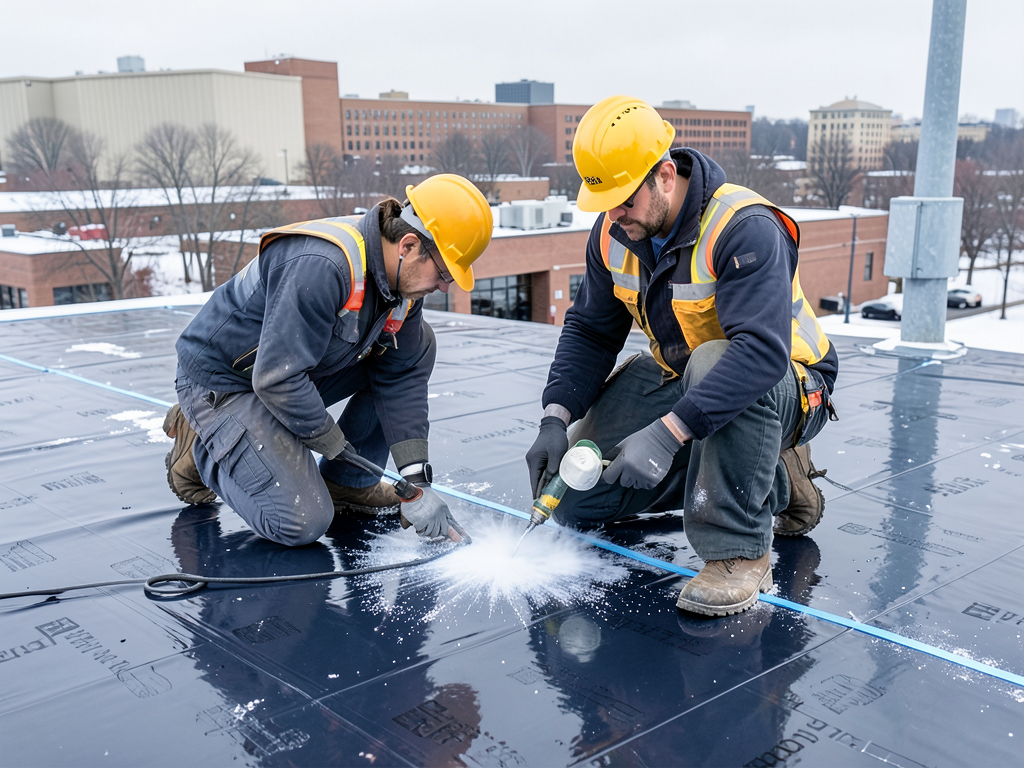
Why Your Southwest Minneapolis Home Might Need a Low Slope Roofing Solution
If you own a home in Southwest Minneapolis near Lake Harriet you might have a low-slope or nearly flat roof section that requires specialized roofing solutions. These modern and mid-century homes often feature architectural elements that traditional pitched roofing cannot properly address. Trusted Roofing Contractors in St. Louis Park for Shingle Replacement.
Low-slope roofing systems differ significantly from standard residential shingles. They require specific materials and installation techniques to handle Minneapolis weather patterns including heavy snow loads ice damming and extreme freeze-thaw cycles.
Understanding when and why your Southwest Minneapolis home needs a low-slope solution can prevent costly water damage and extend your roof’s lifespan. This guide explains the key considerations for flat and low-pitch roofing in the Twin Cities area. Storm Damage Roof Inspections in Plymouth – What to Look for After a Major Storm.
Understanding Low Slope Roofing for the Twin Cities Climate
Minneapolis experiences some of the most challenging weather conditions for low-slope roofs in the country. The combination of heavy snowfall lake-effect moisture and dramatic temperature swings creates unique demands.
Low-slope roofs in Hennepin County must handle snow loads that can exceed 35 pounds per square foot during severe winters. Unlike steep roofs that shed snow quickly these surfaces retain weight that stresses the structure and drainage systems.
Ice dam formation poses another critical challenge. When snow melts from interior heat and refreezes at the colder roof edges water backs up under membranes creating leaks. Proper insulation and ventilation become essential for preventing this cycle.
Freeze-thaw cycles cause materials to expand and contract repeatedly. Standard roofing products often crack or separate under these conditions. Low-slope systems need specialized membranes that maintain flexibility at subzero temperatures. EPA Cool Roof Information.
Commercial vs. Residential Low Slope Solutions
Low-slope roofing serves both commercial and residential properties but the applications differ significantly. Understanding these differences helps you choose the right system for your specific building type. Choosing the Right Cedar Shake Contractor for Your Minnetonka Home.
Commercial buildings typically feature larger roof areas requiring more robust drainage systems and higher R-value insulation. These structures often need internal drains scuppers and tapered insulation to prevent ponding water.
Residential low-slope applications include garage roofs sunrooms and modern architectural elements. These smaller areas may use different membrane thicknesses and can sometimes incorporate green roof elements or rooftop decks.
Material selection varies between applications. Commercial properties often choose TPO or EPDM for their durability and cost-effectiveness while residential projects might consider modified bitumen or specialized residential membranes.
TPO Roofing (Thermoplastic Polyolefin)
TPO roofing has become increasingly popular in Minneapolis for both commercial and residential low-slope applications. This single-ply membrane offers excellent energy efficiency through its reflective white surface.
The material performs exceptionally well in Minnesota’s climate. TPO remains flexible at temperatures well below zero preventing cracks that plague less durable materials. The heat-welded seams create a monolithic barrier against water infiltration. Minnesota Contractor Licensing.
Energy efficiency represents a major advantage in urban areas. TPO’s reflective properties reduce heat absorption during summer months helping combat the urban heat island effect common in Minneapolis neighborhoods.
Installation requires specific expertise. The membrane must be properly welded and the substrate prepared to manufacturer specifications. Incorrect installation leads to seam failures and premature aging. Expert Flat Roof Repair Services for Uptown Businesses and Modern Lofts.
EPDM Rubber Roofing
EPDM rubber roofing provides another excellent option for Minneapolis low-slope applications. This synthetic rubber membrane offers superior flexibility in extreme cold making it ideal for Minnesota winters.
The material handles temperature fluctuations better than many alternatives. EPDM expands and contracts without cracking maintaining its waterproof seal through hundreds of freeze-thaw cycles.
Black EPDM absorbs heat helping melt snow and ice in winter. This can reduce ice dam formation but may increase cooling costs in summer. White EPDM coatings provide better year-round energy efficiency.
Seaming requires careful attention. While EPDM comes in large sheets reducing seams compared to other systems any seams must be properly sealed to prevent water infiltration.
Modified Bitumen Systems
Modified bitumen offers a hybrid approach combining traditional built-up roofing concepts with modern polymer modifications. This system works well for both commercial and residential low-slope applications in Minneapolis.
The material consists of asphalt modified with rubber or plastic polymers creating enhanced flexibility and durability. Multiple layers provide redundancy against leaks and weather damage.
Installation methods include torch-applied cold-applied and self-adhering options. Each method suits different applications and building conditions. Torch application provides excellent adhesion but requires specific safety precautions.
Modified bitumen handles foot traffic better than single-ply membranes making it suitable for roofs that require occasional maintenance access or rooftop equipment mounting.
Our Recent Minneapolis Low Slope Projects
Local experience matters when selecting a low-slope roofing contractor. Minneapolis-specific challenges require contractors who understand regional building codes and weather patterns.
Recent projects in the Linden Hills area demonstrate the importance of proper drainage design. These homes required customized scupper systems to handle heavy snow melt while maintaining the architectural integrity of the original designs.
Commercial properties in the Bryn Mawr industrial district needed modified bitumen systems capable of supporting rooftop HVAC equipment. The installations included reinforced walkways and equipment pads to prevent membrane damage.
Modern homes in the Fulton neighborhood often feature extensive low-slope sections connecting multiple building volumes. These projects required careful integration of drainage systems and attention to architectural transitions.
University of Minnesota research facilities in the Prospect Park area needed specialized roofing systems meeting strict energy efficiency requirements while handling heavy equipment loads and chemical exposure.
Maintenance and Repair: Preventing Ponding Water
Ponding water represents the most common problem for low-slope roofs in Minneapolis. Standing water accelerates membrane deterioration causes leaks and creates structural stress.
Proper drainage design prevents most ponding issues. Tapered insulation creates positive slope directing water to drains or scuppers. Internal drains require regular cleaning to prevent clogs from leaves and debris.
Annual inspections identify developing problems before they cause major damage. Look for blisters bubbles and seam separations. Check drainage paths for debris accumulation and ensure all penetrations remain properly sealed.
Winter maintenance requires special attention. Snow accumulation can block drains and create ice dams. Professional snow removal prevents excessive weight and ice formation that damages membranes.
Small repairs prevent larger problems. Patching minor damage early costs significantly less than emergency repairs after water infiltration causes interior damage.
Frequently Asked Questions About Flat Roofs in MN
How long do low-slope roofs last in Minneapolis?
Quality low-slope roofing systems typically last 20-30 years in Minneapolis when properly installed and maintained. TPO and EPDM membranes often reach the upper end of this range while modified bitumen systems may require replacement slightly earlier. How Much Does a Full Roof Replacement Cost in Bloomington?.
Are flat roofs more expensive than pitched roofs?
Initial installation costs for low-slope roofing often run higher per square foot than traditional shingles. However the specialized materials and installation expertise required for proper low-slope systems justify the investment through better performance and longevity.
Can I install a new low-slope roof over my existing one?
Roof recover installation may be possible depending on the existing roof condition and local building codes. However most Minneapolis jurisdictions require removal of existing roofing materials to inspect the substrate and ensure proper installation of new systems.
How do I know if my low-slope roof needs replacement?
Signs include persistent leaks extensive blistering or cracking widespread seam failures and membrane shrinkage. If your roof is over 20 years old or shows multiple failure points replacement often proves more cost-effective than ongoing repairs.
What maintenance does a low-slope roof require?
Annual professional inspections seasonal debris removal and prompt repair of any damage constitute basic maintenance. Commercial properties may need more frequent inspections and maintenance contracts to protect their investment.
Comparing Low-Slope Roofing Materials
| Material | Lifespan (Years) | Cost per Square Foot | Best For |
|---|---|---|---|
| TPO | 25-30 | $5.50-$7.50 | Energy efficiency commercial |
| EPDM | 20-25 | $4.50-$6.50 | Cold climates residential |
| Modified Bitumen | 20-25 | $4.00-$6.00 | Traffic resistance commercial |
Minneapolis Building Code Requirements
Hennepin County and Minneapolis building codes establish specific requirements for low-slope roofing systems. These regulations ensure safety and performance in our challenging climate.
Ice and water shield requirements extend beyond traditional areas. Minneapolis code mandates ice and water shield on entire low-slope sections not just at eaves and valleys. This protects against ice dam formation across the entire surface.
R-value requirements vary by building type and use. Commercial properties typically need R-30 or higher while residential applications may require R-20 to R-25 depending on the specific use and location.
Fire ratings become critical in urban areas. Most Minneapolis jurisdictions require Class A fire ratings for low-slope roofing systems particularly in densely populated neighborhoods.
Permit requirements include detailed drawings showing drainage patterns insulation specifications and material selections. Inspections verify proper installation before final approval.
Energy Efficiency Considerations
Low-slope roofs significantly impact building energy performance. The large surface area and direct sun exposure make roofing choices crucial for energy costs.
Reflective roofing materials like white TPO reduce cooling loads during Minneapolis summers. These surfaces can lower roof temperatures by 50-60 degrees compared to dark materials reducing air conditioning costs.
Insulation choices affect both heating and cooling performance. Proper R-value installation prevents heat loss in winter and heat gain in summer. Tapered insulation systems provide both thermal performance and positive drainage.
Green roof options offer additional energy benefits. Vegetated roof systems provide insulation reduce stormwater runoff and extend membrane life by protecting against UV radiation and temperature extremes.
Building energy codes continue evolving. Current Minneapolis requirements mandate specific insulation levels and often encourage or require cool roofing materials for new construction and major renovations.
Choosing the Right Contractor
Low-slope roofing requires specialized expertise different from traditional residential roofing. Selecting the right contractor ensures proper installation and long-term performance.
Look for contractors with specific low-slope experience not just general roofing knowledge. Ask about their experience with TPO EPDM and modified bitumen installations in Minneapolis conditions.
Verify manufacturer certifications. Major membrane manufacturers train and certify contractors ensuring proper installation techniques and warranty compliance.
Check local references specifically for low-slope projects. Talk to previous clients about their experiences with similar installations and any warranty claims or service issues.
Insurance and licensing requirements become more critical for commercial projects. Verify general liability workers compensation and any required specialty licenses for low-slope installations.
Detailed proposals should specify materials insulation specifications and installation methods. Avoid contractors unwilling to provide written specifications or those offering significantly lower prices than competitors.
Cost Factors and Investment Protection
Low-slope roofing represents a significant investment requiring careful consideration of both initial costs and long-term value. Understanding cost factors helps you make informed decisions.
Material costs vary significantly by type. TPO typically costs more than EPDM but offers better energy efficiency. Modified bitumen often provides the lowest initial cost but may require more frequent maintenance.
Installation complexity affects pricing. Projects requiring extensive insulation tapered systems or complex drainage designs cost more than simple installations. However these features often provide better long-term performance.
Building condition impacts costs. Substrate repairs insulation replacement and structural modifications add to project costs but may be necessary for proper installation and code compliance.
Warranty considerations affect long-term value. Full system warranties from manufacturers require specific installation procedures and material combinations but provide better protection than basic warranties.
Energy savings offset some costs. Reflective materials and proper insulation reduce utility bills providing ongoing returns on your roofing investment throughout the system’s lifespan.
Environmental Impact and Sustainability
Low-slope roofing choices affect both building performance and environmental impact. Sustainable options continue gaining popularity in Minneapolis as property owners recognize long-term benefits.
Recyclable materials reduce landfill impact. Many modern membranes including TPO and EPDM can be recycled at end of life. Some manufacturers offer take-back programs for old materials.
Energy-efficient options reduce carbon footprints. Reflective roofing materials lower cooling energy consumption while proper insulation reduces heating loads. These savings accumulate over decades of service.
Stormwater management becomes increasingly important. Green roof systems retain rainwater reducing runoff and easing burden on municipal systems. Even traditional systems can incorporate rainwater harvesting for irrigation or gray water uses.
Urban heat island mitigation helps entire communities. Reflective roofing materials reduce ambient temperatures in dense neighborhoods improving comfort and reducing cooling loads for surrounding buildings.
Material sourcing affects sustainability. Local manufacturing reduces transportation impacts while products with recycled content support circular economy principles.
Emergency Response and Repairs
Low-slope roof emergencies require different approaches than traditional roofing problems. Understanding response procedures helps minimize damage when problems occur.
Emergency leak detection requires specialized techniques. Water travels differently on low-slope surfaces making source identification more challenging. Professional leak detection equipment often proves necessary for accurate diagnosis.
Temporary repairs differ from permanent solutions. Emergency patches must withstand weather while permanent repairs require proper material compatibility and installation techniques. Never mix incompatible materials even temporarily.
Insurance considerations affect emergency response. Document damage thoroughly before beginning repairs. Some insurance policies require specific procedures or approvals for emergency work.
Response timing becomes critical in winter. Snow and ice complicate emergency repairs while freeze-thaw cycles can rapidly worsen damage. Professional contractors maintain winter emergency response capabilities.
Preventive maintenance reduces emergency frequency. Regular inspections and prompt repairs of minor issues prevent the major failures that require emergency response.
Future Trends in Low-Slope Roofing
The low-slope roofing industry continues evolving with new materials technologies and installation methods emerging regularly. Understanding trends helps you make forward-looking decisions.
Smart roofing technologies gain traction. Integrated sensors monitor moisture levels temperature and structural stress providing early warning of developing problems before visible damage occurs.
Photovoltaic integration becomes more common. Solar-ready roofing systems incorporate mounting hardware and electrical pathways during initial installation making future solar additions simpler and less expensive.
Advanced insulation materials improve performance. New foam insulations offer higher R-values per inch while maintaining necessary compressive strength for low-slope applications.
Modular roofing systems simplify installation. Prefabricated panels with integrated insulation and membrane reduce installation time and improve quality control while potentially lowering costs.
Climate adaptation drives innovation. Materials and systems designed specifically for extreme weather conditions continue improving as climate patterns shift and weather events intensify.
Making Your Decision
Choosing the right low-slope roofing solution requires balancing multiple factors including building use budget and long-term performance goals. Consider these key elements when making your decision.
Building use affects system selection. Commercial properties with heavy equipment or foot traffic need different systems than residential applications. Consider future use changes that might affect roofing requirements.
Budget constraints require careful planning. While initial costs matter long-term performance and energy savings often justify higher upfront investments. Consider total lifecycle costs rather than just installation prices.
Local conditions matter significantly. Minneapolis weather patterns building codes and architectural styles all influence optimal system selection. Work with contractors familiar with local requirements and conditions.
Future plans affect decisions. If you plan solar installation green roof conversion or building expansion choose systems that accommodate these possibilities without major modifications.
Professional consultation provides valuable guidance. Experienced contractors can assess your specific situation recommend appropriate systems and provide detailed proposals comparing options and costs.
Your low-slope roofing decision impacts your property for decades. Take time to understand options consult professionals and choose systems that provide reliable protection while meeting your specific needs and budget constraints.
Ready to explore low-slope roofing options for your Southwest Minneapolis home or business? Contact our team at Keystone Roofing Minneapolis for a comprehensive assessment and detailed proposal tailored to your specific needs.
Call us today at (651) 588-9277 to schedule your free consultation. Our experienced team understands Minneapolis weather patterns building codes and architectural styles ensuring you receive the best possible solution for your low-slope roofing needs.
{
“@context”: “https://schema.org”,
“@type”: “BlogPosting”,
“headline”: “Why Your Southwest Minneapolis Home Might Need a Low Slope Roofing Solution”,
“description”: “Discover why Southwest Minneapolis homes need specialized low-slope roofing solutions. Learn about TPO, EPDM, and Modified Bitumen systems for Minneapolis weather.”,
“wordCount”: 2602,
“datePublished”: “2026-03-26T10:15:00.000Z”,
“dateModified”: “2026-03-26T10:15:00.000Z”,
“inLanguage”: “en-US”,
“mainEntityOfPage”: {
“@type”: “WebPage”,
“@id”: “https://keystoneroofingminneapolis.com”
},
“publisher”: {
“@type”: “LocalBusiness”,
“name”: “Keystone Roofing Minneapolis”,
“url”: “https://keystoneroofingminneapolis.com”
},
“author”: {
“@type”: “Organization”,
“name”: “Keystone Roofing Minneapolis”,
“url”: “https://keystoneroofingminneapolis.com”
},
“image”: {
“@type”: “ImageObject”,
“url”: “https://keystoneroofingminneapolis.com/wp-content/uploads/2026/03/why-your-southwest-minneapolis-home-might-need-a-l-1.png”
}
}
{
“@context”: “https://schema.org”,
“@type”: “RoofingContractor”,
“name”: “Keystone Roofing Minneapolis”,
“url”: “https://keystoneroofingminneapolis.com”,
“address”: {
“@type”: “PostalAddress”,
“addressLocality”: “Minneapolis”
},
“areaServed”: {
“@type”: “City”,
“name”: “Minneapolis”
}
}
{
“@context”: “https://schema.org”,
“@type”: “FAQPage”,
“mainEntity”: [
{
“@type”: “Question”,
“name”: “How long do low-slope roofs last in Minneapolis?”,
“acceptedAnswer”: {
“@type”: “Answer”,
“text”: “Quality low-slope roofing systems typically last 20-30 years in Minneapolis when properly installed and maintained. TPO and EPDM membranes often reach the upper end of this range while modified bitumen systems may require replacement slightly earlier. How Much Does a Full Roof Replacement Cost in Bloomington?.”
}
},
{
“@type”: “Question”,
“name”: “Are flat roofs more expensive than pitched roofs?”,
“acceptedAnswer”: {
“@type”: “Answer”,
“text”: “Initial installation costs for low-slope roofing often run higher per square foot than traditional shingles. However the specialized materials and installation expertise required for proper low-slope systems justify the investment through better performance and longevity.”
}
},
{
“@type”: “Question”,
“name”: “Can I install a new low-slope roof over my existing one?”,
“acceptedAnswer”: {
“@type”: “Answer”,
“text”: “Roof recover installation may be possible depending on the existing roof condition and local building codes. However most Minneapolis jurisdictions require removal of existing roofing materials to inspect the substrate and ensure proper installation of new systems.”
}
},
{
“@type”: “Question”,
“name”: “How do I know if my low-slope roof needs replacement?”,
“acceptedAnswer”: {
“@type”: “Answer”,
“text”: “Signs include persistent leaks extensive blistering or cracking widespread seam failures and membrane shrinkage. If your roof is over 20 years old or shows multiple failure points replacement often proves more cost-effective than ongoing repairs.”
}
},
{
“@type”: “Question”,
“name”: “What maintenance does a low-slope roof require?”,
“acceptedAnswer”: {
“@type”: “Answer”,
“text”: “Annual professional inspections seasonal debris removal and prompt repair of any damage constitute basic maintenance. Commercial properties may need more frequent inspections and maintenance contracts to protect their investment.”
}
}
]
}
{
“@context”: “https://schema.org”,
“@type”: “BreadcrumbList”,
“itemListElement”: [
{
“@type”: “ListItem”,
“position”: 1,
“name”: “Home”,
“item”: “https://keystoneroofingminneapolis.com”
},
{
“@type”: “ListItem”,
“position”: 2,
“name”: “Blog”,
“item”: “https://keystoneroofingminneapolis.com/blog”
},
{
“@type”: “ListItem”,
“position”: 3,
“name”: “Why Your Southwest Minneapolis Home Might Need a Low Slope Roofing Solution”
}
]
}
{
“@context”: “https://schema.org”,
“@type”: “Service”,
“serviceType”: “Roofing”,
“provider”: {
“@type”: “LocalBusiness”,
“name”: “Keystone Roofing Minneapolis”,
“url”: “https://keystoneroofingminneapolis.com”
},
“areaServed”: {
“@type”: “City”,
“name”: “Minneapolis”
},
“description”: “Discover why Southwest Minneapolis homes need specialized low-slope roofing solutions. Learn about TPO, EPDM, and Modified Bitumen systems for Minneapolis weather.”
}
