
Why Your Spring Lake Park Home Needs Drip Edge to Prevent Rotted Decking
Your Spring Lake Park home faces some of the harshest weather conditions in the country. From heavy snow loads to ice dam formation and driving rain during summer storms, your roof takes a beating year-round. One small but critical component that many homeowners overlook is the drip edge—a simple L-shaped metal flashing that can mean the difference between a healthy roof system and thousands of dollars in water damage repairs. Storm Damage Roof Inspections in Plymouth – What to Look for After a Major Storm.
Drip edge installation prevents water from seeping under your shingles and rotting your roof decking. Without it, water flows directly onto your fascia boards and can work its way back under the shingles during heavy rain or snow melt. This leads to rotted decking, compromised structural integrity, and expensive repairs that could have been prevented with a simple installation. Expert Flat Roof Repair Services for Uptown Businesses and Modern Lofts.
In Spring Lake Park, where homes experience the full force of Minnesota’s freeze-thaw cycles, drip edge becomes even more critical. The constant expansion and contraction of water as it freezes and thaws can push water into the smallest gaps in your roofing system. A properly installed drip edge creates a barrier that directs water away from vulnerable areas and into your gutters where it belongs. Trusted Roofing Contractors in St. Louis Park for Shingle Replacement.
How Drip Edge Protects Your Roof System
Drip edge works by creating a physical barrier that extends beyond the edge of your roof decking. The L-shaped metal flashing sits under the shingles on the roof deck and extends out over the fascia board. This design serves multiple protective functions that become especially important in our local climate.. Read more about Common Signs Your Roof Flashing is Failing Around Your St. Anthony Park Chimney.
First, drip edge prevents wind-driven rain from blowing up under the shingles at the roof edge. During severe storms that sweep through Spring Lake Park and surrounding areas like Fridley and Mounds View, wind can create enough pressure to force water under improperly sealed shingle edges. The drip edge blocks this water infiltration path.
Second, drip edge supports the shingle edges and prevents them from sagging or breaking off over time. Shingles need proper support at the edges to maintain their structural integrity. Without drip edge, the weight of snow and ice can cause shingle edges to droop, creating gaps where water can penetrate.
Third, drip edge creates a clean termination point for your roofing underlayment and ice and water shield. These protective layers need to be properly integrated with the drip edge to create a complete moisture barrier system. When installed correctly, they work together to protect your home from water damage.

Ice Dam Prevention in Spring Lake Park
Ice dams represent one of the biggest threats to Spring Lake Park homes during winter months. These ridges of ice form at the roof edge when heat escapes from your attic, melting snow on the roof surface. The melted water flows down to the colder roof edge where it refreezes, creating a dam that traps additional water behind it.
Without drip edge, ice dams can cause catastrophic damage. Water backs up under shingles and flows into your attic, soaking insulation, staining ceilings, and rotting roof decking. The freeze-thaw cycle then expands and contracts this trapped water, widening cracks and creating larger entry points for moisture.
Drip edge helps prevent ice dam damage by creating a physical barrier that stops water from backing up under the shingles. The metal flashing extends beyond the roof edge, providing an additional layer of protection even when ice forms. Combined with proper attic insulation and ventilation, drip edge forms a crucial part of your ice dam defense system.
According to the EPA’s guidelines on ice dams, proper roof edge protection is essential for preventing moisture intrusion in cold climates. Homes in Spring Lake Park need this protection more than homes in milder climates due to our extreme temperature fluctuations.
Minnesota Building Code Requirements
Minnesota building codes require drip edge installation on all new roof installations and replacements. The Minnesota State Building Code follows the International Residential Code (IRC) Section R905.2.8.5, which mandates drip edge flashing at eaves and gables.
The code specifies that drip edge must extend at least 1/4 inch beyond the roof decking and be installed over the underlayment at the eaves. At the gables, the drip edge should be installed over the underlayment as well. These requirements ensure proper water shedding and prevent moisture from infiltrating the roof system.
Local building inspectors in Anoka County, which includes Spring Lake Park, enforce these requirements strictly. If you’re replacing your roof without drip edge, you may fail inspection and face costly rework. Even if your home is older and was built before these requirements existed, current code compliance is necessary for any roof replacement work. How Much Does a Full Roof Replacement Cost in Bloomington?.
The Minnesota climate, with its heavy snow loads and severe freeze-thaw cycles, makes these requirements particularly important. Homes in Spring Lake Park need drip edge not just for code compliance, but for survival in our harsh winter conditions.
Types of Drip Edge Materials
Different drip edge materials offer varying levels of protection and durability. The most common options include aluminum, galvanized steel, and copper, each with specific advantages for our local climate.
Aluminum drip edge represents the most popular choice for Spring Lake Park homes. It offers excellent corrosion resistance, doesn’t rust, and can be painted to match your home’s exterior. The lightweight material is easy to work with and costs less than steel or copper options. For most residential applications, 0.019-inch thick aluminum provides adequate durability.
Galvanized steel drip edge provides superior strength and impact resistance. This makes it ideal for areas prone to falling branches or severe hail storms. The zinc coating protects against rust, though steel may eventually corrode in areas with high moisture exposure. Steel drip edge typically comes in 0.020-inch thickness for residential use.
Copper drip edge offers the ultimate in durability and aesthetics. While more expensive, copper develops a protective patina over time and can last 50+ years. The material’s natural antimicrobial properties help prevent algae and moss growth. Copper drip edge is typically 0.016-inch thick and works well for high-end homes or historic properties.
Style D (T-style) drip edge features a flat top that extends over the roof edge, providing additional protection against wind-driven rain. This style works particularly well in Spring Lake Park’s exposed locations where wind can create significant uplift forces. Style F (F-style) drip edge has a curved top that provides a more finished appearance but slightly less protection.
Cost Comparison: Prevention vs. Repair
The cost of installing drip edge during a roof replacement is minimal compared to the expense of repairing water damage. Here’s a comparison of typical costs:
| Service | Typical Cost Range | Notes |
|---|---|---|
| Drip Edge Installation | $200 – $500 | Material and labor for average home |
| Roof Deck Replacement | $2,000 – $8,000 | Per 100 square feet of damaged decking |
| Fascia Board Replacement | $1,500 – $4,000 | Entire fascia system for average home |
| Interior Water Damage Repair | $3,000 – $15,000 | Ceiling, walls, insulation replacement |
Beyond the direct repair costs, water damage often leads to mold growth, which can create health hazards and require professional remediation. The EPA recommends preventing moisture intrusion as the best approach to avoiding mold problems in homes.
Insurance companies may also deny claims for damage that could have been prevented with proper installation. If your roofer didn’t install required drip edge, your insurance provider might consider the damage a maintenance issue rather than a covered peril.
Installation Best Practices
Proper drip edge installation requires attention to detail and understanding of local weather patterns. The installation process should follow specific steps to ensure maximum protection.
First, the roof decking must be clean and free of debris. Any damaged decking should be replaced before installing new drip edge. The existing fascia boards should be inspected for rot or damage and repaired as needed.
Second, the ice and water shield should be installed according to manufacturer specifications. This self-adhering membrane provides critical protection in areas prone to ice dam formation. The ice and water shield should extend at least 24 inches past the interior wall line.
Third, the drip edge is installed over the ice and water shield at the eaves and under the underlayment at the rakes. This overlapping pattern ensures water flows over the drip edge and into the gutters rather than behind them.
Fourth, the shingles are installed with proper overhang over the drip edge. The National Roofing Contractors Association recommends a 1/4 to 3/4 inch overhang for optimal water shedding. Too little overhang allows water to flow back under the shingles; too much can create wind uplift problems.
Finally, the gutters are installed to properly capture water flowing from the drip edge. The gutter should be positioned to receive water directly from the drip edge’s extended lip, ensuring efficient drainage away from your home’s foundation.
Common Installation Mistakes to Avoid
Even experienced roofers can make mistakes when installing drip edge. Understanding these common errors can help you ensure your roof gets proper protection.
One frequent mistake is installing drip edge after the underlayment rather than under it at the eaves. This creates a reverse lap where water can flow back under the drip edge and into the roof system. The correct installation places drip edge under the underlayment at eaves.
Another common error is using inadequate fasteners or spacing them too far apart. Drip edge needs to be securely fastened to withstand wind uplift and the weight of ice and snow. Nails should be placed every 12 inches and driven flush with the surface without overdriving.
Many roofers also fail to properly overlap drip edge pieces at corners and valleys. Each piece should overlap the previous one by at least 2 inches to prevent water from penetrating the joints. Corner pieces should be mitered or bent to create a continuous protective barrier.
Some contractors use inferior materials or undersized drip edge for the application. In Spring Lake Park’s climate, standard 0.019-inch aluminum may not provide sufficient durability. Heavier gauge materials or steel options might be necessary for optimal protection.
Finally, failing to integrate drip edge with other roof components creates weak points in your roof system. The drip edge should work seamlessly with your gutter system, fascia boards, and roofing underlayment to create a complete moisture barrier.
Local Climate Considerations
Spring Lake Park’s location in Anoka County exposes homes to specific weather patterns that make drip edge installation critical. The area experiences approximately 55 inches of snow annually, with occasional heavy snowfall events that can deposit 12+ inches in a single storm.
Temperature fluctuations in Spring Lake Park are extreme, with winter lows reaching -20°F and summer highs exceeding 95°F. This 115-degree temperature swing causes significant expansion and contraction of roofing materials. Drip edge must accommodate this movement while maintaining its protective function.
Spring Lake Park receives about 31 inches of rainfall annually, concentrated in spring and summer months. These heavy rain events test the water-shedding capabilities of your roof system. Properly installed drip edge ensures water flows efficiently into gutters rather than backing up under shingles.
Wind patterns in the area can create uplift forces that stress roof edges. The open landscape around Spring Lake Park allows wind to build momentum before hitting homes. Drip edge must be securely fastened to resist these uplift forces and prevent shingle damage.
The freeze-thaw cycles that occur throughout the winter months create unique challenges. Water that enters small gaps in your roof system can freeze, expand, and create larger openings. Drip edge prevents this cycle from starting by blocking water entry at the most vulnerable point.
Maintenance and Inspection
Even with proper installation, drip edge requires periodic inspection and maintenance to ensure continued protection. Spring Lake Park homeowners should inspect their roof edges at least twice yearly, preferably in spring and fall.
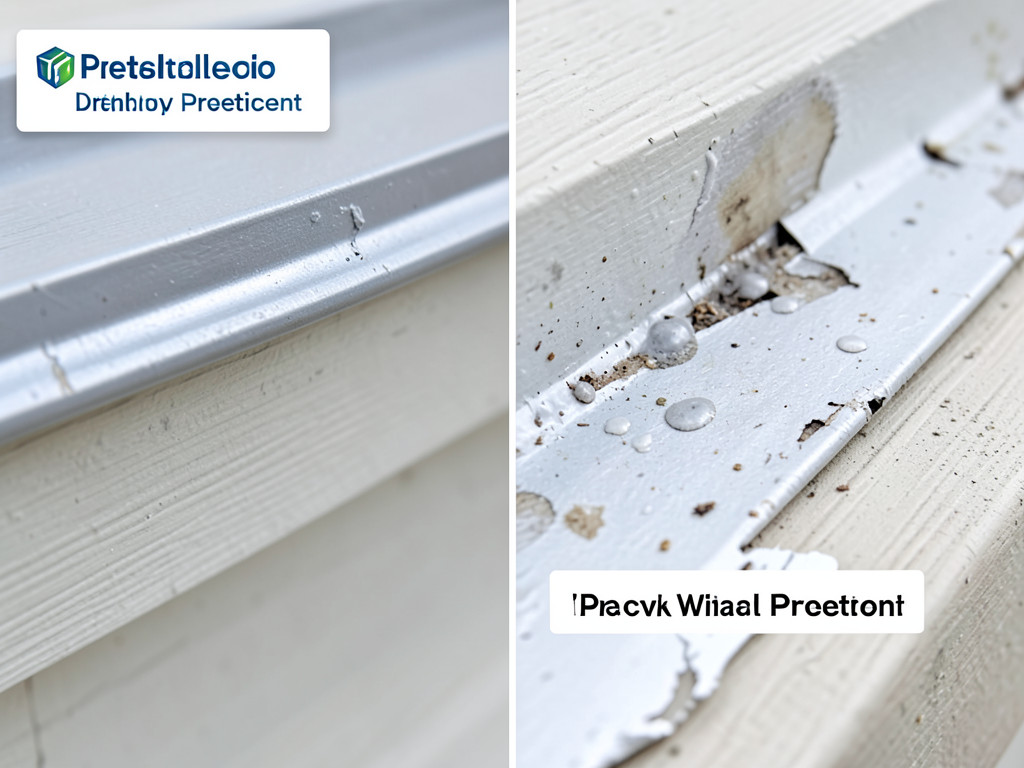
Look for signs of damage such as bent or missing sections, loose fasteners, or separation from the fascia board. Pay special attention to areas where ice dams formed during winter, as these spots may have experienced the most stress.
Check that the drip edge remains properly positioned over the fascia board. Over time, the weight of ice and snow can cause it to shift or sag. Any movement should be corrected promptly to maintain the water-shedding function.
Inspect the area where drip edge meets the gutter system. Gaps or separations here can allow water to flow behind the gutter, potentially damaging your home’s siding or foundation. Ensure the drip edge’s extended lip properly directs water into the gutter.
Clean debris from behind the drip edge using a garden hose or compressed air. Leaves, twigs, and other debris can accumulate in this area and trap moisture against the fascia board. This trapped moisture can lead to rot even with drip edge installed.. Read more about Protecting Your Arden Hills Home from Raccoons and Other Pests Tearing at Your Shingles.
If you notice any damage or deterioration, contact a qualified roofing contractor for repairs. Small issues caught early can prevent major water damage later. The cost of a minor repair is insignificant compared to the expense of replacing rotted decking or repairing interior water damage.
Choosing a Qualified Contractor
Selecting the right contractor for your drip edge installation is crucial for ensuring proper protection. Look for roofing contractors with specific experience in Minnesota’s climate and understanding of local building codes. Choosing the Right Cedar Shake Contractor for Your Minnetonka Home.
Verify that your contractor carries proper licensing and insurance. In Minnesota, roofing contractors must be licensed with the Department of Labor and Industry. Ask to see current certificates of insurance, including both liability and workers’ compensation coverage.
Request references from local homeowners who have had similar work done. A reputable contractor should be able to provide multiple references from Spring Lake Park or nearby communities like Blaine or Coon Rapids.
Ask about the specific materials the contractor plans to use. Quality contractors will explain their material choices and why they selected particular products for your home’s needs. Be wary of contractors who can’t articulate the differences between material options.
Ensure the contractor provides a detailed written estimate that includes all aspects of the work, including drip edge installation. The estimate should specify the type and gauge of drip edge, fastening schedule, and integration with other roof components.
Check online reviews and ratings, but look beyond star ratings to read actual customer comments. Pay attention to feedback about communication, cleanup, and how the contractor handled any issues that arose during the project.
Finally, choose a contractor who offers a warranty on their workmanship. A one-year warranty is standard, but some contractors offer longer warranties on specific components. The warranty should cover both materials and installation.
Frequently Asked Questions
Can I install drip edge on my existing roof?
Yes, drip edge can be retrofitted onto existing roofs during repairs or re-roofing projects. However, the existing shingles must be removed to properly install the drip edge over the underlayment at the eaves. This makes it an ideal time to consider drip edge installation if you’re already planning roof repairs.
How long does drip edge last?
The lifespan of drip edge depends on the material. Aluminum drip edge typically lasts 20-30 years, galvanized steel about 25-35 years, and copper can last 50+ years. The actual lifespan depends on local weather conditions, maintenance, and installation quality. In Spring Lake Park’s harsh climate, choosing durable materials and proper installation is especially important.
Is drip edge the same as gutter apron?
While similar, drip edge and gutter apron serve slightly different purposes. Drip edge is installed under the underlayment at the eaves and over it at the rakes, providing comprehensive roof edge protection. Gutter apron is installed over the underlayment and extends further into the gutter, primarily preventing water from running behind the gutter. Many homes benefit from using both systems together.
What happens if I don’t have drip edge on my roof?
Without drip edge, water can seep under your shingles at the roof edge, leading to rotted decking, damaged fascia boards, and potential interior water damage. You may also experience increased ice dam formation and wind-driven rain infiltration. While your roof may function for years without drip edge, you’re risking expensive repairs that could have been prevented with this simple component.
How much does it cost to add drip edge to an existing roof?
Adding drip edge to an existing roof typically costs $200-$600 for an average home, depending on the roof size and material chosen. This cost is significantly lower than the potential repair expenses from water damage. If you’re planning a full roof replacement, the cost to include drip edge is usually included in the overall project price.
Protect Your Spring Lake Park Home Today
Your home in Spring Lake Park deserves the best protection against our harsh Minnesota weather. Drip edge installation is a small investment that provides enormous peace of mind and prevents costly water damage repairs. Don’t wait until you notice water stains on your ceiling or rotted fascia boards to take action.
Whether you’re planning a full roof replacement or just need to address specific problem areas, proper drip edge installation should be part of your roofing strategy. The combination of Minnesota building code requirements and our extreme climate makes this component non-negotiable for protecting your home’s structural integrity.
Contact a qualified roofing contractor today to assess your current roof system and recommend the best drip edge solution for your Spring Lake Park home. Your roof is your home’s first line of defense against water damage, and drip edge is the critical component that ensures that defense remains strong for years to come.
Call Keystone Roofing Minneapolis at (651) 588-9277 for a comprehensive roof inspection and expert advice on protecting your home with proper drip edge installation. Our experienced team understands the unique challenges facing Spring Lake Park homeowners and can recommend the best solutions for your specific situation.
Don’t let a missing drip edge compromise your home’s protection. Take action now to prevent rotted decking and water damage before they become major problems. Your home and your wallet will thank you for years to come.
You may also find this helpful. Why Woodpeckers are Boring Holes in Your Orono Siding and Roofline (And How to Stop Them).
You may also find this helpful. Managing the Massive Amount of Pine Needle Debris on Your White Bear Lake Roof.
{
“@context”: “https://schema.org”,
“@type”: “BlogPosting”,
“headline”: “Why Your Spring Lake Park Home Needs Drip Edge to Prevent Rotted Decking”,
“description”: “Protect your Spring Lake Park home from ice dams and water damage. Learn why drip edge installation is critical for preventing rotted decking and fascia board failure.”,
“wordCount”: 3039,
“datePublished”: “2026-05-06T10:48:00.000Z”,
“dateModified”: “2026-05-06T10:48:00.000Z”,
“inLanguage”: “en-US”,
“mainEntityOfPage”: {
“@type”: “WebPage”,
“@id”: “https://keystoneroofingminneapolis.com”
},
“publisher”: {
“@type”: “LocalBusiness”,
“name”: “Keystone Roofing Minneapolis”,
“url”: “https://keystoneroofingminneapolis.com”
},
“author”: {
“@type”: “Organization”,
“name”: “Keystone Roofing Minneapolis”,
“url”: “https://keystoneroofingminneapolis.com”
},
“image”: {
“@type”: “ImageObject”,
“url”: “https://keystoneroofingminneapolis.com/wp-content/uploads/2026/03/why-your-spring-lake-park-home-needs-drip-edge-to-1.png”
}
}
{
“@context”: “https://schema.org”,
“@type”: “RoofingContractor”,
“name”: “Keystone Roofing Minneapolis”,
“url”: “https://keystoneroofingminneapolis.com”,
“address”: {
“@type”: “PostalAddress”,
“addressLocality”: “Minneapolis”
},
“areaServed”: {
“@type”: “City”,
“name”: “Minneapolis”
}
}
{
“@context”: “https://schema.org”,
“@type”: “FAQPage”,
“mainEntity”: [
{
“@type”: “Question”,
“name”: “Can I install drip edge on my existing roof?”,
“acceptedAnswer”: {
“@type”: “Answer”,
“text”: “Yes, drip edge can be retrofitted onto existing roofs during repairs or re-roofing projects. However, the existing shingles must be removed to properly install the drip edge over the underlayment at the eaves. This makes it an ideal time to consider drip edge installation if you’re already planning roof repairs.”
}
},
{
“@type”: “Question”,
“name”: “How long does drip edge last?”,
“acceptedAnswer”: {
“@type”: “Answer”,
“text”: “The lifespan of drip edge depends on the material. Aluminum drip edge typically lasts 20-30 years, galvanized steel about 25-35 years, and copper can last 50+ years. The actual lifespan depends on local weather conditions, maintenance, and installation quality. In Spring Lake Park’s harsh climate, choosing durable materials and proper installation is especially important.”
}
},
{
“@type”: “Question”,
“name”: “Is drip edge the same as gutter apron?”,
“acceptedAnswer”: {
“@type”: “Answer”,
“text”: “While similar, drip edge and gutter apron serve slightly different purposes. Drip edge is installed under the underlayment at the eaves and over it at the rakes, providing comprehensive roof edge protection. Gutter apron is installed over the underlayment and extends further into the gutter, primarily preventing water from running behind the gutter. Many homes benefit from using both systems together.”
}
},
{
“@type”: “Question”,
“name”: “What happens if I don’t have drip edge on my roof?”,
“acceptedAnswer”: {
“@type”: “Answer”,
“text”: “Without drip edge, water can seep under your shingles at the roof edge, leading to rotted decking, damaged fascia boards, and potential interior water damage. You may also experience increased ice dam formation and wind-driven rain infiltration. While your roof may function for years without drip edge, you’re risking expensive repairs that could have been prevented with this simple component.”
}
},
{
“@type”: “Question”,
“name”: “How much does it cost to add drip edge to an existing roof?”,
“acceptedAnswer”: {
“@type”: “Answer”,
“text”: “Adding drip edge to an existing roof typically costs $200-$600 for an average home, depending on the roof size and material chosen. This cost is significantly lower than the potential repair expenses from water damage. If you’re planning a full roof replacement, the cost to include drip edge is usually included in the overall project price.”
}
}
]
}
{
“@context”: “https://schema.org”,
“@type”: “BreadcrumbList”,
“itemListElement”: [
{
“@type”: “ListItem”,
“position”: 1,
“name”: “Home”,
“item”: “https://keystoneroofingminneapolis.com”
},
{
“@type”: “ListItem”,
“position”: 2,
“name”: “Blog”,
“item”: “https://keystoneroofingminneapolis.com/blog”
},
{
“@type”: “ListItem”,
“position”: 3,
“name”: “Why Your Spring Lake Park Home Needs Drip Edge to Prevent Rotted Decking”
}
]
}
{
“@context”: “https://schema.org”,
“@type”: “Service”,
“serviceType”: “Roofing”,
“provider”: {
“@type”: “LocalBusiness”,
“name”: “Keystone Roofing Minneapolis”,
“url”: “https://keystoneroofingminneapolis.com”
},
“areaServed”: {
“@type”: “City”,
“name”: “Minneapolis”
},
“description”: “Protect your Spring Lake Park home from ice dams and water damage. Learn why drip edge installation is critical for preventing rotted decking and fascia board failure.”
}
