
Why Your St Louis Park Attic Bypasses Are Costing You a Fortune Every Winter
Every winter, thousands of Minneapolis homeowners watch their heating bills climb while ice dams form on their roofs. Most people blame poor insulation or bad shingles. But the real culprit often hides in plain sight: attic bypasses. These are the hidden pathways where warm air escapes from your living space into the attic, creating a perfect storm of energy waste and roof damage. Energy Department air sealing guide.
In St Louis Park, where winter temperatures regularly drop below zero and snow piles up for months, these bypasses can cost homeowners hundreds of dollars in wasted energy each season. More importantly, they create conditions that lead to expensive roof repairs and potential structural damage. Storm Damage Roof Inspections in Plymouth – What to Look for After a Major Storm.
Attic bypasses are not just gaps in insulation. They are specific openings where air moves freely between conditioned and unconditioned spaces. When warm air from your heated rooms finds these pathways, it rises through the stack effect and enters your cold attic. There, it meets freezing roof surfaces and creates condensation, ice dams, and mold growth.
The problem is especially severe in older St Louis Park homes built before modern building codes. Many of these houses have dozens of small bypasses that add up to a massive energy loss. Newer homes aren’t immune either. Even with better construction standards, bypasses still form around plumbing stacks, chimneys, and electrical penetrations.
Understanding how these bypasses work is the first step to solving the problem. Once you know what to look for, you can identify the most common trouble spots in your own attic and take action before winter arrives.
Common Attic Bypasses in Minneapolis Homes
Attic bypasses come in many forms, but they all share one characteristic: they allow air to move freely where it shouldn’t. Here are the most common types found in St Louis Park and surrounding Minneapolis neighborhoods:
- Plumbing vent stacks that pass through the attic floor
- Chimney chases with gaps around masonry
- Electrical wire penetrations through top plates
- Recessed light fixtures that aren’t airtight
- Attic access hatches without proper weatherstripping
- Top plates where interior walls meet the attic
- Kitchen and bathroom exhaust fans that vent into the attic
- Ductwork connections that leak conditioned air
- Balloon framing gaps in older homes
Each of these bypasses might seem small on its own. But when you add them together, they can equal the energy loss of leaving a window open all winter. In a typical St Louis Park home, these combined bypasses can account for 25-30% of total heating energy use.
The stack effect makes the problem worse. As warm air rises through your home, it creates positive pressure at the top floors. This pressure forces air out through any available opening, including attic bypasses. The escaping air is replaced by cold outdoor air drawn in through lower parts of your home, creating a continuous cycle of energy loss.
How Bypasses Create Ice Dams and Roof Damage
When warm air escapes through attic bypasses, it heats the underside of your roof deck. This creates hot spots that melt snow on the roof surface. The melted snow flows down to the colder eaves, where it refreezes and forms ice dams.
Ice dams are more than just an aesthetic problem. They trap water on your roof, forcing it under shingles and into your home. This leads to water damage, mold growth, and structural rot. In severe cases, ice dams can cause entire sections of roof to fail.
The damage doesn’t stop at the roof edge. Water backing up behind ice dams can travel under shingles for several feet, affecting areas you can’t see from the ground. By the time you notice water stains on your ceiling, the damage has already spread through your roof structure.
Attic bypasses also contribute to moisture problems year-round. In summer, warm moist air from your living space can condense on cold ductwork or air conditioning equipment in the attic. This creates ideal conditions for mold and mildew growth, which can affect your indoor air quality and structural integrity.
Identifying Bypasses in Your St Louis Park Home
Finding attic bypasses requires a systematic approach. While some are visible to the naked eye, others require specialized tools to detect. Here’s how professionals identify these energy thieves:
Visual Inspection: Start in your attic on a cold day. Look for areas where you can see light from below, feel drafts, or notice dust patterns around penetrations. Pay special attention to areas around chimneys, plumbing stacks, and where walls meet the attic floor.
Smoke Testing: Professionals use smoke pencils or incense sticks to detect air movement. Hold the smoke near suspected bypass locations and watch for it to be drawn upward or pushed away by air currents.
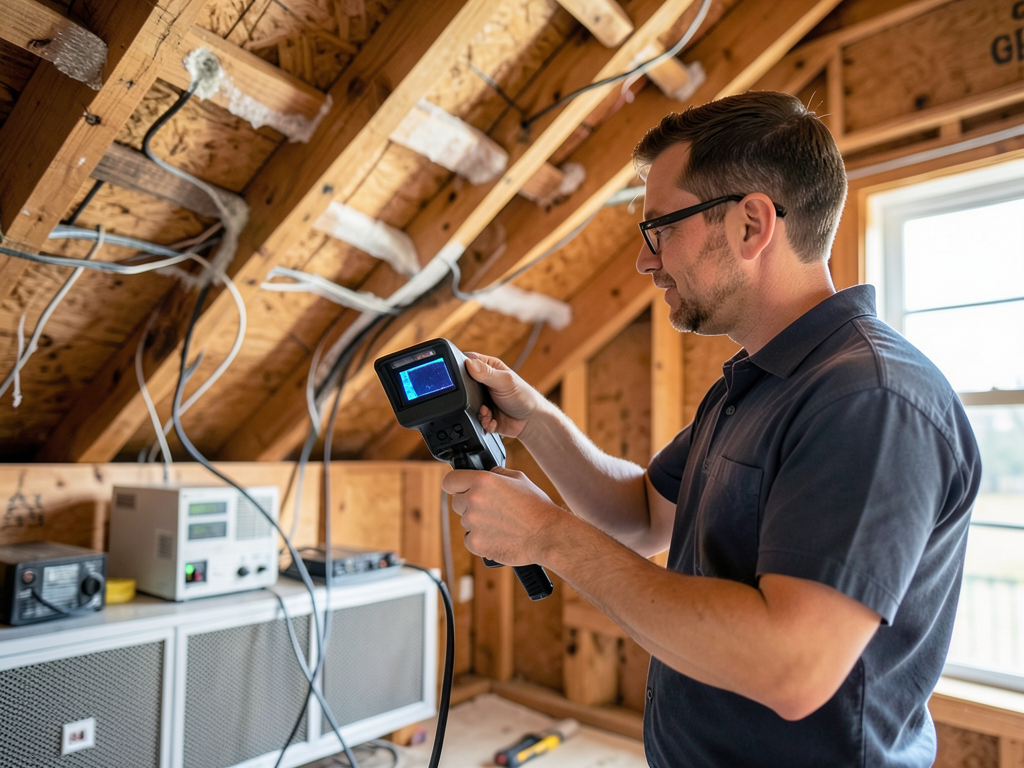
Infrared Thermography: This technology uses thermal imaging cameras to detect temperature differences. Warm air escaping through bypasses shows up as bright spots on the thermal image, making it easy to locate even small leaks.
Blower Door Testing: This whole-house test depressurizes your home and uses a powerful fan to exaggerate air leakage. It helps identify bypasses by making them more noticeable and measurable.
In St Louis Park’s older neighborhoods like the area near Oak Hill Park or the homes along Cedar Lake Road, bypasses are particularly common. Many of these houses were built in the 1950s and 1960s when energy efficiency wasn’t a primary concern. The balloon framing construction used in that era creates numerous pathways for air to move between floors.
Professional Sealing Process for Maximum Energy Savings
Sealing attic bypasses is not a simple DIY project. It requires understanding building science, proper materials selection, and careful attention to detail. Here’s what a professional sealing process typically includes:
- Comprehensive Inspection
Technicians use thermal imaging and smoke testing to map all bypasses. They document each location with photos and create a sealing plan that prioritizes the largest leaks first.
- Safety Assessment
Before sealing begins, the team checks for existing moisture problems, mold, or structural damage. They ensure proper ventilation will be maintained after sealing.
- Material Selection
Different bypasses require different materials. Spray foam works well for irregular gaps, while rigid foam board suits larger openings. Weatherstripping is ideal for access hatches.
- Sealing Execution
Technicians seal from the attic side, starting with the largest bypasses. They use expanding foam for gaps around pipes and wires, rigid foam for larger openings, and caulk for smaller cracks.
- Quality Verification
After sealing, the team performs another thermal scan to verify all bypasses are addressed. They check that ventilation remains adequate and that no new moisture problems have developed.
The process typically takes one to two days for a standard St Louis Park home. Costs vary based on the number of bypasses and their complexity, but most homeowners see energy savings that pay for the work within 2-3 heating seasons.
Professional sealing also addresses fire safety concerns. Many bypasses contain wires or pipes that pass through fire-rated assemblies. Proper sealing maintains the fire barrier while stopping air movement.
Minnesota Energy Rebates and Cost Savings
Sealing attic bypasses qualifies for several Minnesota energy efficiency programs. Xcel Energy and CenterPoint Energy both offer rebates for air sealing and insulation improvements. The Minnesota Department of Commerce also provides tax credits for qualifying energy efficiency upgrades. Xcel Energy Minnesota rebates.
Local utility programs often cover 30-50% of sealing costs, making the investment much more attractive. Some programs require a home energy audit before work begins, which helps identify all energy-saving opportunities beyond just bypasses.
The energy savings from proper sealing can be substantial. A typical St Louis Park home might save $300-500 per heating season after professional bypass sealing. These savings continue year after year, while the work itself often lasts the lifetime of the home.
Beyond direct energy savings, sealed bypasses reduce wear on your heating system. When your furnace doesn’t have to work as hard to replace lost heat, it lasts longer and requires less maintenance. This extends equipment life and reduces repair costs. Expert Flat Roof Repair Services for Uptown Businesses and Modern Lofts.
Ice Dam Prevention Through Proper Sealing
Many homeowners in St Louis Park try to solve ice dam problems by adding more insulation or installing heat cables. While these approaches can help, they don’t address the root cause: warm air leaking into the attic.. Read more about Can You Install a New Roof During a Minnesota Winter?.
Proper bypass sealing is often more effective than adding insulation. Once you stop warm air from reaching the attic, the roof deck stays cold and snow doesn’t melt unevenly. This eliminates the conditions that create ice dams.
Professional ice dam prevention combines bypass sealing with proper attic ventilation. The sealed attic prevents warm air entry, while ventilation removes any residual heat and moisture. This one-two punch stops ice dams before they start.
In neighborhoods like the area near Methodist Hospital or the homes along Cedar Lake Road, where many houses have complex rooflines and multiple stories, comprehensive bypass sealing is especially important. These architectural features create more opportunities for bypasses and make ice dam problems more severe.
Homeowners who invest in professional bypass sealing often find they no longer need roof rakes, heat cables, or frequent ice dam removal services. The prevention approach is more cost-effective than repeated emergency repairs.
Long-Term Benefits Beyond Energy Savings
Sealing attic bypasses provides benefits that extend far beyond lower heating bills. These improvements protect your home’s structure and improve indoor comfort in ways many homeowners don’t expect.
Reduced moisture problems are a major benefit. When warm moist air can’t reach your cold attic, condensation stops forming on roof decks and framing members. This prevents rot, extends roof life, and eliminates mold growth conditions.
Indoor air quality often improves after bypass sealing. When your home isn’t constantly drawing in cold outdoor air through lower-level gaps, it maintains more stable humidity levels. This reduces dust, allergens, and the feeling of drafts that many homeowners experience.
Noise reduction is another unexpected benefit. Bypasses often allow outdoor sounds to enter your home. Sealing these gaps can make your home noticeably quieter, especially in areas near major roads or with high outdoor activity.
Property value can increase as well. Energy-efficient homes with documented improvements often appraise higher and sell faster. Buyers appreciate knowing a home has been properly sealed and insulated rather than having to discover and fix these problems themselves.
Comparing Bypass Sealing to Other Energy Improvements
When planning home energy improvements, homeowners often wonder whether to prioritize bypass sealing or other upgrades like new windows or additional insulation. Here’s how bypass sealing compares:
| Improvement Type | Typical Energy Savings | Cost Range | Payback Period | Additional Benefits |
|---|---|---|---|---|
| Attic Bypass Sealing | 25-30% heating energy | $1,500-3,500 | 2-4 years | Ice dam prevention, moisture control |
| Window Replacement | 10-15% heating energy | $5,000-15,000 | 7-15 years | Noise reduction, appearance |
| Additional Insulation | 15-20% heating energy | $2,000-5,000 | 3-7 years | Soundproofing, temperature consistency |
| HVAC Replacement | 20-25% heating energy | $5,000-12,000 | 5-10 years | Improved comfort, reliability |
Bypass sealing often provides the best return on investment because it addresses a fundamental problem rather than replacing working components. You can’t seal bypasses out of windows or HVAC systems, but you can prevent the air movement that makes those systems work harder.
The table shows that bypass sealing typically offers the fastest payback and highest energy savings per dollar invested. This makes it an excellent first step in any home energy improvement plan.
Choosing the Right Contractor for Bypass Sealing
Not all contractors approach bypass sealing the same way. Some focus only on insulation, while others provide comprehensive air sealing services. Here’s what to look for when selecting a contractor in the Minneapolis area:
Building Science Credentials: Look for contractors certified by organizations like the Building Performance Institute (BPI) or those with training in home energy auditing. These professionals understand the science behind air movement and can identify bypasses that others might miss.
Thermal Imaging Capability: Any reputable bypass sealing contractor should use infrared cameras to verify their work. This technology ensures all bypasses are found and properly sealed, not just the obvious ones.
Ventilation Knowledge: Proper sealing must maintain adequate attic ventilation. Contractors should explain how they’ll balance air sealing with ventilation requirements to prevent moisture problems.
Local Experience: Minneapolis homes have specific characteristics due to our climate and building history. Contractors familiar with local construction methods and common bypass locations can work more efficiently and effectively.
Warranty and Follow-up: Quality contractors stand behind their work with warranties and offer follow-up inspections to ensure the sealing performs as expected.
In St Louis Park, where many homes share similar construction patterns, experienced local contractors can often identify common bypass locations without extensive testing. This local knowledge translates to faster, more thorough service.
Frequently Asked Questions
How do I know if my home has significant attic bypasses?
Signs include high heating bills, ice dams forming on your roof, cold drafts near interior walls, and difficulty maintaining consistent temperatures between rooms. A professional energy audit can definitively identify bypasses using thermal imaging and blower door testing.
Can I seal attic bypasses myself?
While you can address obvious bypasses like attic hatches, comprehensive sealing requires specialized knowledge and tools. DIY sealing often misses critical bypasses and can create moisture problems if ventilation isn’t properly maintained. Professional sealing ensures all bypasses are found and addressed safely.
How long does professional bypass sealing take?
Most St Louis Park homes require one to two days for complete professional sealing. The time depends on the number of bypasses, attic accessibility, and whether additional work like insulation improvement is included.
Will sealing bypasses make my home too tight?
Properly executed bypass sealing maintains adequate ventilation while stopping unwanted air movement. Building codes require minimum ventilation rates, and quality contractors ensure your home meets these requirements while eliminating energy-wasting bypasses.
Are there rebates available for bypass sealing in Minnesota?
Yes, both Xcel Energy and CenterPoint Energy offer rebates for air sealing improvements. The Minnesota Department of Commerce also provides tax credits for qualifying energy efficiency upgrades. Many homeowners receive 30-50% of costs back through these programs.
Take Action Before Winter Arrives
Attic bypasses are costing Minneapolis homeowners millions of dollars in wasted energy every winter. The good news is that these problems are fixable with professional sealing services that pay for themselves through energy savings.
Don’t wait until ice dams form or your heating bill arrives to address these issues. The best time to seal bypasses is during fall before winter weather arrives. This gives you time to qualify for utility rebates and ensures your home is protected before the first snowstorm.
Professional bypass sealing is an investment in your home’s comfort, efficiency, and longevity. The energy savings, ice dam prevention, and moisture control benefits make it one of the smartest home improvement projects you can undertake.
Ready to stop wasting money on energy loss and protect your home from ice dam damage? Call Keystone Roofing Minneapolis at (651) 588-9277 for a comprehensive attic bypass inspection. Our building science experts will identify all energy-wasting bypasses in your St Louis Park home and provide a detailed plan to seal them properly. Don’t let another winter of high bills and roof damage pass by – take action today and start saving money tomorrow. Trusted Roofing Contractors in St. Louis Park for Shingle Replacement.
{
“@context”: “https://schema.org”,
“@type”: “BlogPosting”,
“headline”: “Why Your St Louis Park Attic Bypasses Are Costing You a Fortune Every Winter”,
“description”: “Discover how attic bypasses in St Louis Park homes cause ice dams, high heating bills, and structural damage. Learn to identify and seal these hidden energy leaks.”,
“wordCount”: 2549,
“datePublished”: “2026-06-06T07:23:00.000Z”,
“dateModified”: “2026-06-06T07:23:00.000Z”,
“inLanguage”: “en-US”,
“mainEntityOfPage”: {
“@type”: “WebPage”,
“@id”: “https://keystoneroofingminneapolis.com”
},
“publisher”: {
“@type”: “LocalBusiness”,
“name”: “Keystone Roofing Minneapolis”,
“url”: “https://keystoneroofingminneapolis.com”
},
“author”: {
“@type”: “Organization”,
“name”: “Keystone Roofing Minneapolis”,
“url”: “https://keystoneroofingminneapolis.com”
},
“image”: {
“@type”: “ImageObject”,
“url”: “https://keystoneroofingminneapolis.com/wp-content/uploads/2026/03/why-your-st-louis-park-attic-bypasses-are-costing-1.png”
}
}
{
“@context”: “https://schema.org”,
“@type”: “RoofingContractor”,
“name”: “Keystone Roofing Minneapolis”,
“url”: “https://keystoneroofingminneapolis.com”,
“address”: {
“@type”: “PostalAddress”,
“addressLocality”: “Minneapolis”
},
“areaServed”: {
“@type”: “City”,
“name”: “Minneapolis”
}
}
{
“@context”: “https://schema.org”,
“@type”: “FAQPage”,
“mainEntity”: [
{
“@type”: “Question”,
“name”: “How do I know if my home has significant attic bypasses?”,
“acceptedAnswer”: {
“@type”: “Answer”,
“text”: “Signs include high heating bills, ice dams forming on your roof, cold drafts near interior walls, and difficulty maintaining consistent temperatures between rooms. A professional energy audit can definitively identify bypasses using thermal imaging and blower door testing.”
}
},
{
“@type”: “Question”,
“name”: “Can I seal attic bypasses myself?”,
“acceptedAnswer”: {
“@type”: “Answer”,
“text”: “While you can address obvious bypasses like attic hatches, comprehensive sealing requires specialized knowledge and tools. DIY sealing often misses critical bypasses and can create moisture problems if ventilation isn’t properly maintained. Professional sealing ensures all bypasses are found and addressed safely.”
}
},
{
“@type”: “Question”,
“name”: “How long does professional bypass sealing take?”,
“acceptedAnswer”: {
“@type”: “Answer”,
“text”: “Most St Louis Park homes require one to two days for complete professional sealing. The time depends on the number of bypasses, attic accessibility, and whether additional work like insulation improvement is included.”
}
},
{
“@type”: “Question”,
“name”: “Are there rebates available for bypass sealing in Minnesota?”,
“acceptedAnswer”: {
“@type”: “Answer”,
“text”: “Yes, both Xcel Energy and CenterPoint Energy offer rebates for air sealing improvements. The Minnesota Department of Commerce also provides tax credits for qualifying energy efficiency upgrades. Many homeowners receive 30-50% of costs back through these programs.”
}
}
]
}
{
“@context”: “https://schema.org”,
“@type”: “HowTo”,
“name”: “Professional Attic Bypass Sealing Process”,
“step”: [
{
“@type”: “HowToStep”,
“position”: 1,
“name”: “Comprehensive Inspection”,
“text”: “Technicians use thermal imaging and smoke testing to map all bypasses. They document each location with photos and create a sealing plan that prioritizes the largest leaks first.”
},
{
“@type”: “HowToStep”,
“position”: 2,
“name”: “Safety Assessment”,
“text”: “Before sealing begins, the team checks for existing moisture problems, mold, or structural damage. They ensure proper ventilation will be maintained after sealing.”
},
{
“@type”: “HowToStep”,
“position”: 3,
“name”: “Material Selection”,
“text”: “Different bypasses require different materials. Spray foam works well for irregular gaps, while rigid foam board suits larger openings. Weatherstripping is ideal for access hatches.”
},
{
“@type”: “HowToStep”,
“position”: 4,
“name”: “Sealing Execution”,
“text”: “Technicians seal from the attic side, starting with the largest bypasses. They use expanding foam for gaps around pipes and wires, rigid foam for larger openings, and caulk for smaller cracks.”
},
{
“@type”: “HowToStep”,
“position”: 5,
“name”: “Quality Verification”,
“text”: “After sealing, the team performs another thermal scan to verify all bypasses are addressed. They check that ventilation remains adequate and that no new moisture problems have developed.”
}
],
“image”: “https://keystoneroofingminneapolis.com/wp-content/uploads/2026/03/why-your-st-louis-park-attic-bypasses-are-costing-1.png”
}
{
“@context”: “https://schema.org”,
“@type”: “BreadcrumbList”,
“itemListElement”: [
{
“@type”: “ListItem”,
“position”: 1,
“name”: “Home”,
“item”: “https://keystoneroofingminneapolis.com”
},
{
“@type”: “ListItem”,
“position”: 2,
“name”: “Blog”,
“item”: “https://keystoneroofingminneapolis.com/blog”
},
{
“@type”: “ListItem”,
“position”: 3,
“name”: “Why Your St Louis Park Attic Bypasses Are Costing You a Fortune Every Winter”
}
]
}
{
“@context”: “https://schema.org”,
“@type”: “Service”,
“serviceType”: “Roofing”,
“provider”: {
“@type”: “LocalBusiness”,
“name”: “Keystone Roofing Minneapolis”,
“url”: “https://keystoneroofingminneapolis.com”
},
“areaServed”: {
“@type”: “City”,
“name”: “Minneapolis”
},
“description”: “Discover how attic bypasses in St Louis Park homes cause ice dams, high heating bills, and structural damage. Learn to identify and seal these hidden energy leaks.”
}
