
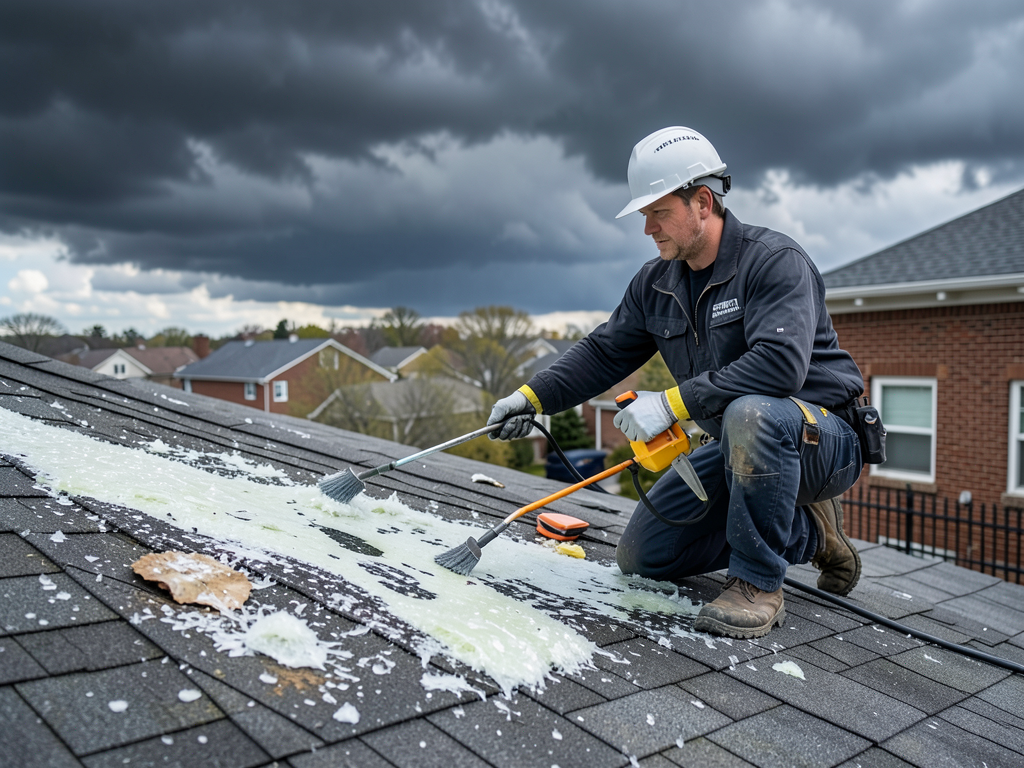
How to Spot a Shady ‘Storm Chaser’ Roofer After a Brooklyn Park Hailstorm
After a hailstorm hits Brooklyn Park, your phone starts ringing. A contractor just knocked on your door offering a free roof inspection. They seem professional and promise to handle everything with your insurance company. But something feels off. Storm Damage Roof Inspections in Plymouth – What to Look for After a Major Storm.
This is exactly when storm chasers strike. These out-of-state contractors follow severe weather across the country, targeting neighborhoods like Brooklyn Park right after damaging storms. They count on homeowners being overwhelmed and vulnerable. Choosing the Right Cedar Shake Contractor for Your Minnetonka Home.
The problem runs deeper than just bad workmanship. Storm chasers often use insurance fraud schemes, leaving homeowners with voided warranties, shoddy repairs, and thousands in unexpected costs. Some even disappear after taking deposits, leaving damage unrepaired. Expert Flat Roof Repair Services for Uptown Businesses and Modern Lofts.
Understanding how to spot these scammers protects your home and your wallet. Let’s walk through the warning signs that separate legitimate Minneapolis roofing contractors from predatory storm chasers. Trusted Roofing Contractors in St. Louis Park for Shingle Replacement.
Why Brooklyn Park Attracts Storm Chasers
Brooklyn Park sits in a prime location for severe weather. The northern suburbs of Minneapolis regularly experience summer hailstorms that can damage thousands of roofs in a single afternoon. When hail hits, storm chasers mobilize.. Read more about What Happens to Your Roof if You Wait Too Long After a Brooklyn Center Hail Storm?.
These contractors watch weather radar like hawks. They know exactly when and where hail falls. Within hours, vans from Texas, Oklahoma, or Florida arrive, setting up temporary offices and knocking on doors.
The timing works in their favor. Most homeowners have never filed an insurance claim for roof damage. They don’t know what to expect from the process. Storm chasers exploit this confusion, promising quick fixes and easy insurance approvals.
Brooklyn Park’s mix of older homes and newer developments makes it particularly attractive. The area has enough property value to justify their travel costs, but not enough local competition to deter them.
5 Red Flags That Scream ‘Storm Chaser’
Learning these warning signs helps you avoid costly mistakes. Storm chasers often display multiple red flags simultaneously.
1. High-Pressure Sales Tactics
Legitimate contractors understand that roof replacement is a major decision. Storm chasers use different approaches. They’ll tell you that you must sign immediately or lose insurance coverage. They might claim other homeowners in your neighborhood already signed contracts. How Much Does a Full Roof Replacement Cost in Bloomington?.
Real contractors give you time to think. They provide written estimates and encourage you to get multiple quotes. Storm chasers create artificial deadlines to prevent you from doing research.
2. ‘Free Roof’ Insurance Fraud Schemes
This scam has become increasingly common. The contractor tells you they’ll cover your insurance deductible if you sign now. They might say your roof qualifies for a complete replacement at no cost to you.
Here’s the problem: insurance companies consider deductible coverage fraud. If caught, you could face legal trouble. The contractor might inflate the damage estimate to cover their costs, leading to denied claims or policy cancellations.
3. No Local Office or Permanent Presence
Ask for their physical office address. Storm chasers often provide P.O. boxes, temporary rental spaces, or addresses in other states. They might give you a local cell phone number but no brick-and-mortar location.
Local contractors have established businesses in Minneapolis or nearby suburbs. They’ve been serving the community for years and have local reputations to protect.
4. Requests for Full Payment Upfront
Legitimate contractors typically require a small deposit, with the balance due upon completion. Storm chasers often demand full payment before starting work, sometimes using high-pressure tactics to get your credit card information.
This is a major red flag. Once they have your money, they have no incentive to complete the work properly. Some simply take the money and leave town.
5. No Minnesota License Number
Minnesota requires roofing contractors to carry specific licenses. Ask for their Residential Building Contractor or Remodeler license number from the Minnesota Department of Labor and Industry. Storm chasers often can’t provide this information. Minnesota Department of Labor and Industry.
Verify the license through the DLI website. Out-of-state contractors working in Minnesota must have proper licensing, regardless of where they’re based.
How to Verify a Minneapolis Roofing Contractor
Taking these verification steps protects you from scams. Each step builds confidence in your contractor choice.
Step 1: Check Minnesota DLI Licensing
Visit the Minnesota Department of Labor and Industry website and use their license lookup tool. Enter the contractor’s license number or business name. Verify they hold a current Residential Building Contractor or Remodeler license.
Pay attention to license status. Expired or suspended licenses indicate problems. Also check for any disciplinary actions or complaints on file.
Step 2: Verify Local Physical Address
Ask for their business address and verify it exists. Use Google Maps to confirm they have a real office, not just a P.O. box or residential address. Local contractors should have offices in Minneapolis, Bloomington, or nearby suburbs.
Visit their office if possible. A physical location shows commitment to the community and provides recourse if problems arise.
Step 3: Check Insurance and Bonding
Request proof of general liability insurance and workers’ compensation coverage. Contact their insurance provider to verify active policies. Storm chasers often carry minimal or fake insurance.
Ask about their bonding status. While not required for all roofing work, bonding provides additional protection for homeowners.
Step 4: Research Local Reputation
Check the Better Business Bureau for their rating and complaint history. Look for reviews on Google, Yelp, and local directories. Pay attention to how they respond to negative reviews. Better Business Bureau of Minnesota.
Ask for local references from the past year. Contact these homeowners and ask about their experience. Storm chasers often provide fake references or references from other states.
The ‘Insurance Contingency’ Trap
Contingency agreements seem convenient but create significant risks. These contracts state the contractor will only get paid if your insurance claim is approved. While this sounds protective, it often works against homeowners.
Storm chasers use contingency agreements to pressure insurance adjusters. They might exaggerate damage or suggest unnecessary repairs to increase claim amounts. This can lead to claim denials or higher premiums.
Read any contingency agreement carefully before signing. Look for clauses that give the contractor control over the insurance process or allow them to charge extra if the claim is delayed.
Never sign anything until your insurance adjuster has inspected the damage. Some storm chasers try to get homeowners to sign contracts before the adjuster arrives, claiming they need to secure your spot on their schedule.
Local Checklist: 10 Questions to Ask Before Hiring
Using this checklist helps you evaluate contractors systematically. Each question reveals important information about their legitimacy and reliability.
- Do you have a physical office in the Minneapolis area? They should provide a verifiable address in Minneapolis, Bloomington, or nearby suburbs.
- Can you show me your Minnesota DLI license? They must have a current Residential Building Contractor or Remodeler license.
- Are you properly insured and bonded? Request certificates of insurance and verify with their providers.
- How long have you been serving the Twin Cities? Local experience matters. Look for contractors with 5+ years in the area.
- Can you provide local references from the past year? Recent references from your area are most valuable.
- Do you offer manufacturer warranties? Legitimate contractors have relationships with major manufacturers like GAF, CertainTeed, or Owens Corning.
- Will you handle permit requirements? Local contractors understand Minneapolis permit processes and building codes.
- How do you handle unexpected issues during the project? Their answer reveals communication style and problem-solving approach.
- Can I see samples of your work in my neighborhood? Local examples demonstrate their familiarity with area-specific challenges.
- What’s your payment schedule? Avoid contractors demanding full payment upfront or offering to cover your deductible.
Understanding Minnesota’s Right to Cancel Law
Minnesota law gives homeowners specific protections when signing roofing contracts. Understanding these rights helps you make informed decisions without pressure.. Read more about Understanding the Difference Between RCV and ACV Insurance Policies Before Your Next Roof Claim.
Under Minnesota Statutes Section 325G.07, you have three business days to cancel most home improvement contracts signed in your home or away from the contractor’s permanent place of business. This “cooling off” period applies to contracts over $100.
During this time, you can cancel for any reason without penalty. The contractor must refund any payments within ten business days. This law protects you from high-pressure sales tactics common among storm chasers.
Some contracts include waivers of your cancellation rights. Be extremely cautious about signing these. They’re often used by out-of-state contractors who know you can’t easily pursue them if problems arise.
Common Storm Chaser Tactics in Minneapolis
Storm chasers use specific strategies in the Twin Cities area. Knowing these tactics helps you recognize them immediately.
Door-to-door solicitation immediately after storms is their primary approach. They’ll claim to be “in the neighborhood” offering free inspections. Many use high-pressure tactics, telling you that damage is worse than it appears or that you’ll face higher costs if you wait.
Some storm chasers partner with local companies to appear legitimate. They might use a local company’s name while operating from out of state. Always verify the actual business location and ownership.
Another tactic involves offering “today only” discounts or claiming they have leftover materials from other jobs in your area. These are pressure tactics designed to prevent you from getting other estimates.
Protecting Yourself After a Brooklyn Park Hailstorm
Taking specific steps after storm damage helps you avoid scams while ensuring proper repairs.
First, document the damage with photos and videos before making any repairs. This documentation helps with insurance claims and provides evidence if disputes arise later.
Second, contact your insurance company immediately. Most policies require prompt reporting of damage. Your insurance company can provide guidance on next steps and may recommend local contractors.
Third, get multiple estimates from local contractors. Three to five estimates give you a good sense of fair pricing and help you identify outliers who might be scamming you.
Finally, trust your instincts. If something feels wrong about a contractor’s approach, walk away. There are plenty of legitimate Minneapolis roofing contractors who will provide quality work at fair prices.
When to Call a Local Expert
Some situations require immediate professional attention. If you notice active leaks, missing shingles, or visible structural damage, contact a local roofing expert right away.. Read more about Identifying Shingle Blistering on Your Brooklyn Park Home and Why it Happens.
Emergency situations include water actively entering your home, large sections of missing shingles, or visible sagging in your roof structure. These require prompt attention to prevent further damage.
Even if damage seems minor, a professional inspection can identify hidden problems. Hail damage often creates weak spots that lead to leaks months later. Local contractors understand Minneapolis weather patterns and can recommend appropriate repairs.
For non-emergency situations, take your time evaluating contractors. The damage won’t worsen significantly in a few days, but a rushed decision with a storm chaser can cost you thousands.
Building Long-Term Relationships with Local Contractors
Finding a reliable local roofing contractor provides benefits beyond your current project. Local contractors become valuable resources for ongoing maintenance and future repairs.
Local contractors understand Minneapolis-specific challenges like ice dam formation, freeze-thaw cycles, and severe weather patterns. They can recommend materials and techniques suited to our climate.
They also provide ongoing support. If problems arise after installation, local contractors are available to address them. Storm chasers disappear when issues surface months later.
Consider establishing relationships with local contractors before you need major work. Many offer annual inspections that can identify problems early, saving you money and preventing emergencies.
Resources for Brooklyn Park Homeowners
Several resources help you verify contractors and understand your rights as a homeowner in Minnesota.
The Minnesota Department of Labor and Industry website provides license lookup tools and information about contractor requirements. Their resources explain your rights and responsibilities in home improvement projects.
The Better Business Bureau of Minnesota offers ratings, complaint histories, and accreditation information. They also provide tips for avoiding home improvement scams.
Your insurance company can be a valuable resource. Most have preferred contractor programs and can advise you on legitimate repair options after storm damage.
Local building departments can tell you about permit requirements and may have information about problematic contractors working in your area.
Frequently Asked Questions
How can I tell if a roofing contractor is legitimate?
Check their Minnesota DLI license, verify they have a physical office in the Minneapolis area, confirm insurance coverage, and research their local reputation through the BBB and online reviews. Legitimate contractors welcome these questions.
What should I do if a storm chaser already started work on my roof?
Stop work immediately if you haven’t signed a contract. If work has begun, document everything with photos and contact your insurance company. Consider consulting with a local attorney about your options.
Are free roof inspections really free?
Legitimate free inspections exist, but storm chasers use them as sales tools. They often find exaggerated damage to pressure you into signing contracts. Always get second opinions from established local contractors.
How long do I have to file an insurance claim after hail damage?
Most policies require prompt reporting, typically within 30-60 days. However, some damage may not be immediately visible. Document damage as soon as you notice it and contact your insurance company for specific deadlines.
What’s the average cost of roof replacement in Brooklyn Park?
Costs vary based on roof size, materials, and complexity. In 2026, typical ranges for asphalt shingle replacement in the Minneapolis area run from $8,000 to $15,000 for an average home. Get multiple estimates to understand fair pricing.
Can I sue a storm chaser if they take my money and disappear?
Yes, but it’s often difficult when they’re out of state. This is why prevention matters. Verify licensing, get everything in writing, and never pay large deposits to contractors you haven’t thoroughly vetted.
Take Action to Protect Your Home
Storm chasers prey on confusion and urgency. By understanding their tactics and knowing what to look for, you can make confident decisions about your roof repairs.
Remember these key points: verify licensing through the Minnesota DLI, check for local physical presence, avoid high-pressure tactics, and never sign contingency agreements without understanding the risks.
If you’re dealing with storm damage in Brooklyn Park or anywhere in the Minneapolis area, contact a local roofing expert who understands our specific climate challenges and building requirements. Your home deserves quality workmanship from someone who’ll be around to stand behind their work.
Don’t let storm chasers take advantage of you during a vulnerable time. Take control of the process by being informed and selective about who works on your home.
For a professional roof inspection or to discuss your storm damage concerns, call (651) 588-9277 today. Our local experts will provide honest assessments and quality workmanship you can trust.
{
“@context”: “https://schema.org”,
“@type”: “BlogPosting”,
“headline”: “How to Spot a Shady ‘Storm Chaser’ Roofer After a Brooklyn Park Hailstorm”,
“description”: “Learn how to identify and avoid storm chaser scams in Brooklyn Park and Minneapolis after hail damage. Protect your home with our expert guide.”,
“wordCount”: 2468,
“datePublished”: “2026-04-14T11:50:00.000Z”,
“dateModified”: “2026-04-14T11:50:00.000Z”,
“inLanguage”: “en-US”,
“mainEntityOfPage”: {
“@type”: “WebPage”,
“@id”: “https://keystoneroofingminneapolis.com”
},
“publisher”: {
“@type”: “LocalBusiness”,
“name”: “Keystone Roofing Minneapolis”,
“url”: “https://keystoneroofingminneapolis.com”
},
“author”: {
“@type”: “Organization”,
“name”: “Keystone Roofing Minneapolis”,
“url”: “https://keystoneroofingminneapolis.com”
},
“image”: {
“@type”: “ImageObject”,
“url”: “https://keystoneroofingminneapolis.com/wp-content/uploads/2026/03/how-to-spot-a-shady-storm-chaser-roofer-after-a-br-1.png”
}
}
{
“@context”: “https://schema.org”,
“@type”: “RoofingContractor”,
“name”: “Keystone Roofing Minneapolis”,
“url”: “https://keystoneroofingminneapolis.com”,
“address”: {
“@type”: “PostalAddress”,
“addressLocality”: “Minneapolis”
},
“areaServed”: {
“@type”: “City”,
“name”: “Minneapolis”
}
}
{
“@context”: “https://schema.org”,
“@type”: “FAQPage”,
“mainEntity”: [
{
“@type”: “Question”,
“name”: “How can I tell if a roofing contractor is legitimate?”,
“acceptedAnswer”: {
“@type”: “Answer”,
“text”: “Check their Minnesota DLI license, verify they have a physical office in the Minneapolis area, confirm insurance coverage, and research their local reputation through the BBB and online reviews. Legitimate contractors welcome these questions.”
}
},
{
“@type”: “Question”,
“name”: “What should I do if a storm chaser already started work on my roof?”,
“acceptedAnswer”: {
“@type”: “Answer”,
“text”: “Stop work immediately if you haven’t signed a contract. If work has begun, document everything with photos and contact your insurance company. Consider consulting with a local attorney about your options.”
}
},
{
“@type”: “Question”,
“name”: “Are free roof inspections really free?”,
“acceptedAnswer”: {
“@type”: “Answer”,
“text”: “Legitimate free inspections exist, but storm chasers use them as sales tools. They often find exaggerated damage to pressure you into signing contracts. Always get second opinions from established local contractors.”
}
},
{
“@type”: “Question”,
“name”: “How long do I have to file an insurance claim after hail damage?”,
“acceptedAnswer”: {
“@type”: “Answer”,
“text”: “Most policies require prompt reporting, typically within 30-60 days. However, some damage may not be immediately visible. Document damage as soon as you notice it and contact your insurance company for specific deadlines.”
}
},
{
“@type”: “Question”,
“name”: “What’s the average cost of roof replacement in Brooklyn Park?”,
“acceptedAnswer”: {
“@type”: “Answer”,
“text”: “Costs vary based on roof size, materials, and complexity. In 2026, typical ranges for asphalt shingle replacement in the Minneapolis area run from $8,000 to $15,000 for an average home. Get multiple estimates to understand fair pricing.”
}
},
{
“@type”: “Question”,
“name”: “Can I sue a storm chaser if they take my money and disappear?”,
“acceptedAnswer”: {
“@type”: “Answer”,
“text”: “Yes, but it’s often difficult when they’re out of state. This is why prevention matters. Verify licensing, get everything in writing, and never pay large deposits to contractors you haven’t thoroughly vetted.”
}
}
]
}
{
“@context”: “https://schema.org”,
“@type”: “BreadcrumbList”,
“itemListElement”: [
{
“@type”: “ListItem”,
“position”: 1,
“name”: “Home”,
“item”: “https://keystoneroofingminneapolis.com”
},
{
“@type”: “ListItem”,
“position”: 2,
“name”: “Blog”,
“item”: “https://keystoneroofingminneapolis.com/blog”
},
{
“@type”: “ListItem”,
“position”: 3,
“name”: “How to Spot a Shady ‘Storm Chaser’ Roofer After a Brooklyn Park Hailstorm”
}
]
}
{
“@context”: “https://schema.org”,
“@type”: “Service”,
“serviceType”: “Roofing”,
“provider”: {
“@type”: “LocalBusiness”,
“name”: “Keystone Roofing Minneapolis”,
“url”: “https://keystoneroofingminneapolis.com”
},
“areaServed”: {
“@type”: “City”,
“name”: “Minneapolis”
},
“description”: “Learn how to identify and avoid storm chaser scams in Brooklyn Park and Minneapolis after hail damage. Protect your home with our expert guide.”
}
