
Ridge Vents or Box Vents — Which Airflow System Actually Works for Fridley Ramblers?
Choosing between ridge vents and box vents for your Fridley rambler is more than just picking a vent style. It is about protecting your home from Minnesota’s extreme weather. With heavy snow loads, ice dams, and temperature swings from -20°F to 95°F, the right attic ventilation system can mean the difference between a long-lasting roof and costly winter damage. Storm Damage Roof Inspections in Plymouth – What to Look for After a Major Storm.
Many homeowners in Fridley’s mid-century neighborhoods face the same question when planning a roof replacement. The answer depends on your roof’s design, pitch, and exposure to snow. Let’s break down how each system works and which one fits your home’s needs. How Much Does a Full Roof Replacement Cost in Bloomington?.
How Ridge Vents Work
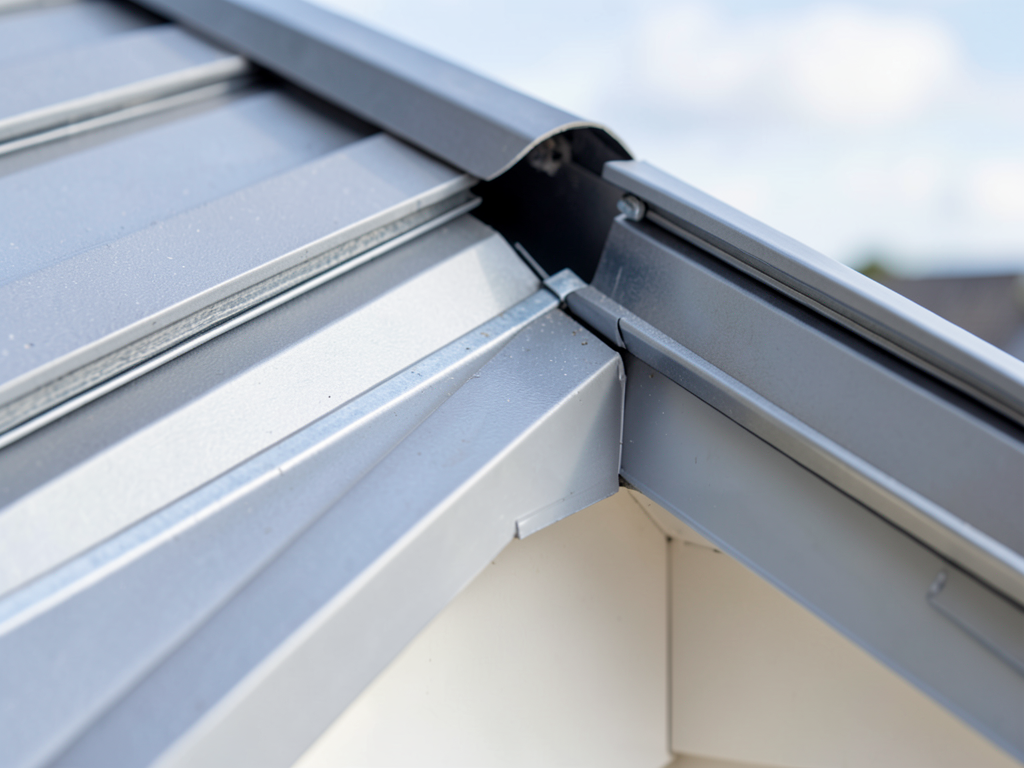
A ridge vent runs along the peak of your roof, creating a continuous exhaust opening. It works by allowing hot air to escape through the highest point, using natural thermal buoyancy. Cool air enters through soffit vents along the eaves, creating a steady airflow cycle.. Read more about Adding Natural Light to Your Dark Crystal Home with Tubular Skylights.
Ridge vents are popular for their sleek appearance. They sit nearly flush with the roofline, making them nearly invisible from the ground. They also provide uniform ventilation across the entire ridge, which can be ideal for long, continuous roof peaks.
However, in Fridley’s heavy snow climate, ridge vents can become buried under several feet of snow. When this happens, exhaust airflow stops, and your attic can trap heat and moisture. This creates perfect conditions for ice dams to form along the eaves.
How Box Vents Work
Box vents, also called louvered vents, are individual units installed near the roof ridge. They rely on wind and thermal convection to pull air out of the attic. Unlike ridge vents, they are installed in multiple locations across the roof surface.
Box vents have a key advantage in snowy climates. Because they are shorter and more spread out, they are less likely to be completely covered by snow. Even if one vent is blocked, others can still function. This redundancy can keep your attic ventilated during heavy snow events.
Box vents come in plastic and metal versions. Metal vents resist warping and UV damage better than plastic. They also tend to have higher Net Free Area ratings per unit, meaning fewer vents are needed for the same ventilation capacity.
Comparing Performance and Cost
When comparing ridge vents and box vents, several factors matter. First is Net Free Area (NFA), which measures the actual open space for air to pass through. A typical 4-foot ridge vent section provides about 18 square inches of NFA per linear foot. A standard 8×8 inch box vent provides about 50-60 square inches of NFA.
Second is installation cost. Ridge vents require removing the top layer of shingles along the entire ridge, which adds labor. Box vents are installed individually, which can be faster for smaller roofs but may require more penetrations through the roof deck.. Read more about Identifying Shingle Blistering on Your Brooklyn Park Home and Why it Happens.
Third is aesthetics. Ridge vents blend into the roofline. Box vents are more visible but can be placed to minimize their appearance from the street.
Finally, local building codes in Minnesota require a balanced ventilation system. The general rule is 1 square foot of net free ventilation area for every 300 square feet of attic floor space, split evenly between intake and exhaust.
The Minneapolis Factor: Snow and Ice Dams
In Fridley and surrounding Minneapolis suburbs, heavy snow is the biggest challenge for attic ventilation. When snow accumulates above ridge vents, it blocks the exhaust path. Without proper exhaust, warm attic air cannot escape, and the snow on your roof begins to melt from underneath.
This melting creates water that runs down to the colder eaves, where it refreezes. Over time, this forms ice dams. Ice dams can force water under shingles, leading to leaks, rotted decking, and damaged insulation.
Box vents have an advantage here because they are installed lower on the roof slope. Even when snow covers the ridge, box vents may remain partially exposed. This keeps some airflow moving and reduces the risk of ice dam formation.
However, ridge vents with internal baffles can help prevent snow infiltration. These baffles create a barrier that blocks snow while still allowing air to pass. They are worth considering if you prefer the continuous look of ridge venting.
Calculating Your Ventilation Needs
To determine how much ventilation your attic needs, start by measuring the attic floor area. Multiply the length by the width to get the total square footage. Then divide by 300 to find the required net free area in square feet.
For example, a 1,500 square foot attic needs 5 square feet of net free ventilation area. Half should come from intake vents (soffits) and half from exhaust vents (ridge or box).. Read more about What Powderhorn Homeowners Should Know About Tree Squirrels Nesting in the Roof.
If you choose ridge vents, a 40-foot ridge would provide about 720 square inches of NFA, which equals 5 square feet. This meets the requirement for a 1,500 square foot attic.
If you choose box vents, you would need about 10-12 standard box vents to achieve the same NFA. The exact number depends on the specific vent model and its NFA rating.
Remember that soffit vents must be clear and unobstructed. Baffles should be installed between rafters to prevent insulation from blocking the airflow from the soffits to the ridge or box vents.
Can You Mix Ridge and Box Vents?
Mixing ridge vents and box vents on the same roof is not recommended. When you combine two different exhaust systems, they can short-circuit each other. Air will take the path of least resistance, often leaving parts of your attic under-ventilated.
For example, if you have both ridge vents and box vents, air might exit through the ridge vents and never reach the box vents. This creates uneven ventilation and can leave moisture pockets in the attic.
The best practice is to choose one exhaust system and ensure your intake vents are properly sized and installed. This creates a balanced, efficient airflow system.
Making the Right Choice for Your Fridley Rambler
For most Fridley ramblers, box vents are the safer choice. The roof designs common in mid-century homes often have multiple peaks and valleys. Box vents can be strategically placed to ventilate each section effectively.. Read more about Why Mid-Century Modern Homes in Falcon Heights Need Specialized Low-Profile Roofing.
If your roof has a long, straight ridge and minimal snow accumulation areas, ridge vents with internal baffles can work well. They provide a clean look and uniform ventilation.
Consider your specific roof pitch as well. Steeper roofs shed snow more quickly, reducing the risk of ridge vent blockage. Lower-pitched roofs hold snow longer, making box vents more reliable.
Also think about your attic insulation and baffle installation. Even the best vent system cannot work if airflow from the soffits is blocked. Proper insulation depth and clear air channels are essential for any ventilation strategy.
Finally, factor in your long-term plans. If you plan to stay in your home for many years, investing in the right ventilation system now can prevent expensive ice dam repairs later. If you plan to sell soon, a well-ventilated roof can be a strong selling point. Choosing the Right Cedar Shake Contractor for Your Minnetonka Home.
Learn more about home ventilation from the EPA.
National Association of Certified Home Inspectors ventilation guide.
Ready to upgrade your attic ventilation? Call Keystone Roofing Minneapolis at (651) 588-9277 for a free inspection. We will evaluate your current system and recommend the best solution for your Fridley rambler. Trusted Roofing Contractors in St. Louis Park for Shingle Replacement.
Frequently Asked Questions
Which vent type is better for ice dam prevention?
Box vents generally perform better in ice dam prevention because they are less likely to be blocked by snow. They keep some airflow moving even during heavy snow events.
How many box vents do I need for my attic?
The number depends on your attic size and the NFA rating of the vents you choose. A typical 1,500 square foot attic needs about 10-12 standard box vents for proper ventilation.
Can I install ridge vents on a roof with many peaks?
Yes, but you may need multiple ridge vent sections with proper transitions. Box vents might be simpler for complex roof designs with many peaks and valleys.
Do ridge vents work in heavy snow areas?
They can work if they have internal baffles to prevent snow infiltration. However, they are more likely to be blocked by snow than box vents in areas with heavy snowfall.
What is Net Free Area and why does it matter?
Net Free Area measures the actual open space for air to pass through a vent. It matters because it determines how much ventilation your attic gets. You need enough NFA to meet building code requirements for your attic size.
You may also find this helpful. Why a Roof Over is a Bad Idea for Your Crystal Home (And What to Do Instead).
{
“@context”: “https://schema.org”,
“@type”: “BlogPosting”,
“headline”: “Ridge Vents or Box Vents — Which Airflow System Actually Works for Fridley Ramblers?”,
“description”: “Comparing ridge vents and box vents for Fridley ramblers. Learn which ventilation system works best in Minneapolis’ heavy snow and ice dam conditions.”,
“wordCount”: 1473,
“datePublished”: “2026-04-03T06:46:00.000Z”,
“dateModified”: “2026-04-03T06:46:00.000Z”,
“inLanguage”: “en-US”,
“mainEntityOfPage”: {
“@type”: “WebPage”,
“@id”: “https://keystoneroofingminneapolis.com”
},
“publisher”: {
“@type”: “LocalBusiness”,
“name”: “Keystone Roofing Minneapolis”,
“url”: “https://keystoneroofingminneapolis.com”
},
“author”: {
“@type”: “Organization”,
“name”: “Keystone Roofing Minneapolis”,
“url”: “https://keystoneroofingminneapolis.com”
},
“image”: {
“@type”: “ImageObject”,
“url”: “https://keystoneroofingminneapolis.com/wp-content/uploads/2026/03/ridge-vents-or-box-vents-which-airflow-system-actu-1.png”
}
}
{
“@context”: “https://schema.org”,
“@type”: “RoofingContractor”,
“name”: “Keystone Roofing Minneapolis”,
“url”: “https://keystoneroofingminneapolis.com”,
“address”: {
“@type”: “PostalAddress”,
“addressLocality”: “Minneapolis”
},
“areaServed”: {
“@type”: “City”,
“name”: “Minneapolis”
}
}
{
“@context”: “https://schema.org”,
“@type”: “FAQPage”,
“mainEntity”: [
{
“@type”: “Question”,
“name”: “Can You Mix Ridge and Box Vents?”,
“acceptedAnswer”: {
“@type”: “Answer”,
“text”: “Mixing ridge vents and box vents on the same roof is not recommended. When you combine two different exhaust systems, they can short-circuit each other. Air will take the path of least resistance, often leaving parts of your attic under-ventilated.”
}
},
{
“@type”: “Question”,
“name”: “Which vent type is better for ice dam prevention?”,
“acceptedAnswer”: {
“@type”: “Answer”,
“text”: “Box vents generally perform better in ice dam prevention because they are less likely to be blocked by snow. They keep some airflow moving even during heavy snow events.”
}
},
{
“@type”: “Question”,
“name”: “How many box vents do I need for my attic?”,
“acceptedAnswer”: {
“@type”: “Answer”,
“text”: “The number depends on your attic size and the NFA rating of the vents you choose. A typical 1,500 square foot attic needs about 10-12 standard box vents for proper ventilation.”
}
},
{
“@type”: “Question”,
“name”: “Can I install ridge vents on a roof with many peaks?”,
“acceptedAnswer”: {
“@type”: “Answer”,
“text”: “Yes, but you may need multiple ridge vent sections with proper transitions. Box vents might be simpler for complex roof designs with many peaks and valleys.”
}
},
{
“@type”: “Question”,
“name”: “Do ridge vents work in heavy snow areas?”,
“acceptedAnswer”: {
“@type”: “Answer”,
“text”: “They can work if they have internal baffles to prevent snow infiltration. However, they are more likely to be blocked by snow than box vents in areas with heavy snowfall.”
}
},
{
“@type”: “Question”,
“name”: “What is Net Free Area and why does it matter?”,
“acceptedAnswer”: {
“@type”: “Answer”,
“text”: “Net Free Area measures the actual open space for air to pass through a vent. It matters because it determines how much ventilation your attic gets. You need enough NFA to meet building code requirements for your attic size.”
}
}
]
}
{
“@context”: “https://schema.org”,
“@type”: “BreadcrumbList”,
“itemListElement”: [
{
“@type”: “ListItem”,
“position”: 1,
“name”: “Home”,
“item”: “https://keystoneroofingminneapolis.com”
},
{
“@type”: “ListItem”,
“position”: 2,
“name”: “Blog”,
“item”: “https://keystoneroofingminneapolis.com/blog”
},
{
“@type”: “ListItem”,
“position”: 3,
“name”: “Ridge Vents or Box Vents — Which Airflow System Actually Works for Fridley Ramblers?”
}
]
}
{
“@context”: “https://schema.org”,
“@type”: “Service”,
“serviceType”: “Roofing”,
“provider”: {
“@type”: “LocalBusiness”,
“name”: “Keystone Roofing Minneapolis”,
“url”: “https://keystoneroofingminneapolis.com”
},
“areaServed”: {
“@type”: “City”,
“name”: “Minneapolis”
},
“description”: “Comparing ridge vents and box vents for Fridley ramblers. Learn which ventilation system works best in Minneapolis’ heavy snow and ice dam conditions.”
}
